Minerals

49 kinds of minerals described and visualized

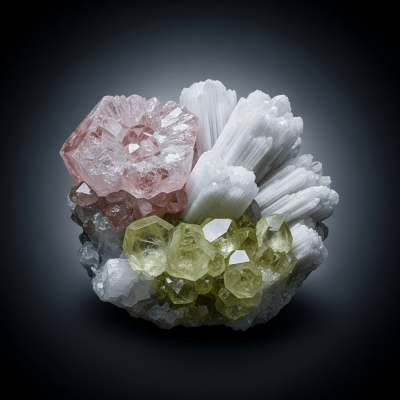
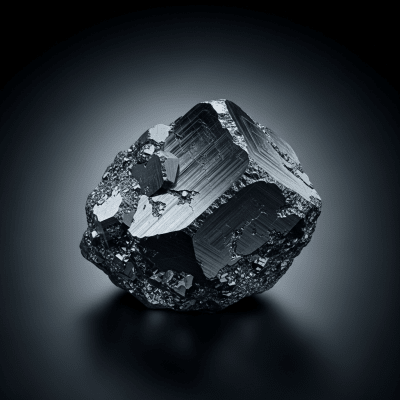
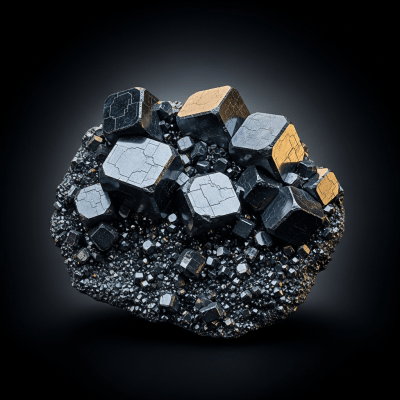
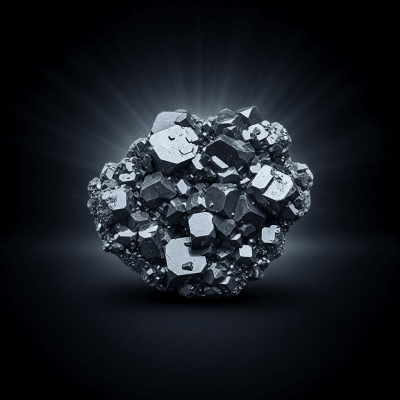
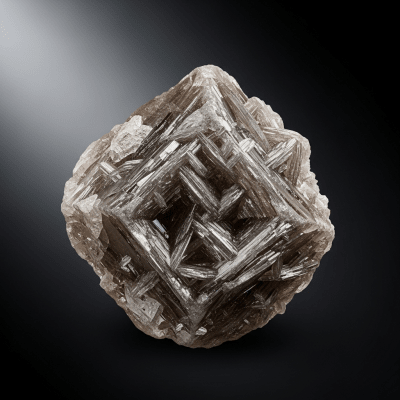
Minerals are naturally occurring inorganic solids characterized by a definite chemical composition and an ordered atomic arrangement known as a crystalline structure. Each mineral species is uniquely defined by its chemical formula and crystal system, forming the fundamental building blocks of the Earth's crust.

A collection from Kinds Of - designing the world’s structured knowledge

Kinds of Minerals

Origin Story

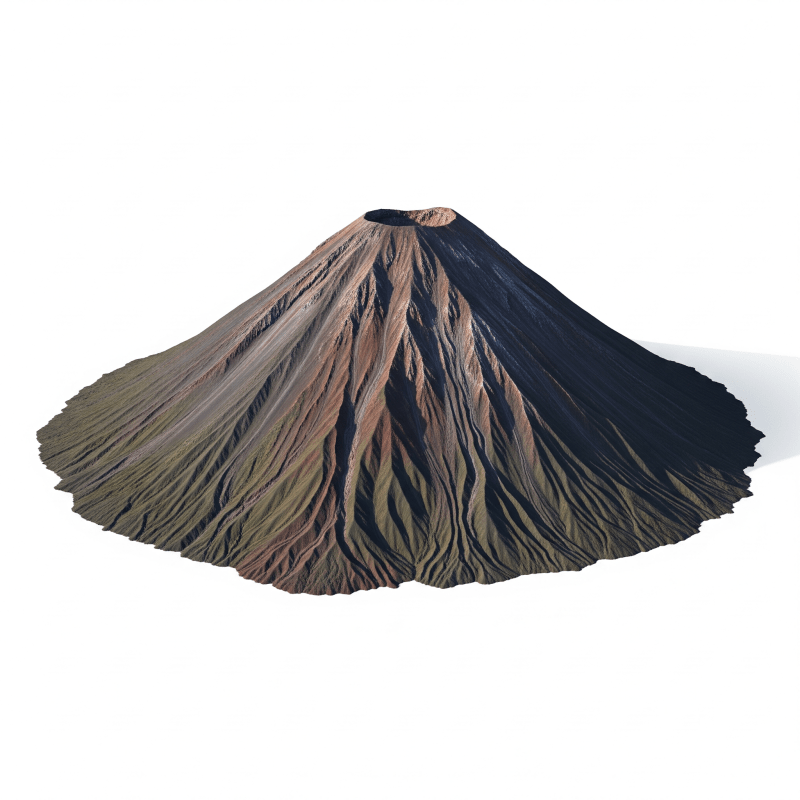
Minerals originate through geological processes spanning millions of years, forming within igneous, sedimentary, and metamorphic rocks. Their creation involves the cooling of molten magma, precipitation from mineral-rich solutions, or transformation under heat and pressure deep within the Earth’s crust. These processes give rise to the diverse mineral species found worldwide, each reflecting the unique conditions of its formation environment.

Classification

Minerals are systematically classified into hierarchical groups based on chemical composition and crystal structure. The broadest category is the mineral class, such as silicates, which is subdivided into subclasses like tectosilicates. Further divisions include groups (e.g., the feldspar group), species (unique chemical and structural identities like orthoclase), and varieties that reflect minor physical or chemical differences. Established classification systems, including the Dana and Strunz schemes, provide frameworks widely used in scientific and educational contexts.

Appearance or Form

Minerals exhibit a wide range of appearances shaped by their internal crystal structures and chemical makeup. They can form distinct geometric crystals with characteristic shapes, such as cubic or hexagonal prisms, or appear as granular masses. Their colors, lusters, and hardness vary greatly, contributing to their identification and appeal. These sensory traits—ranging from the glassy sheen of quartz to the metallic sparkle of pyrite—reflect the unique atomic arrangements within each mineral.

Behavior or Usage

Minerals serve essential roles both in nature and human society. Geologically, they influence rock formation and soil composition. Economically, many minerals are mined for metals, gemstones, and industrial materials. Their properties guide uses in construction, manufacturing, and technology. Additionally, minerals are studied to understand Earth's history and processes, while collectors and museums preserve specimens for education and appreciation.

Buy the Collection

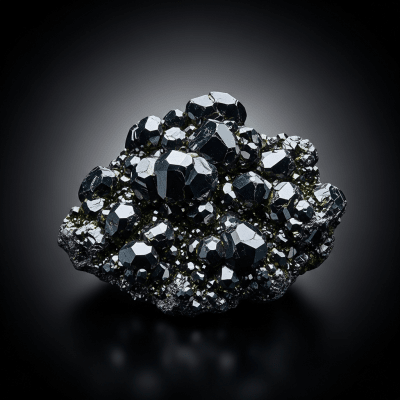
See how the Minerals edition appears in two poster formats.

Chromite

Chromite

Chromite is an iron chromium oxide mineral and the principal ore of chromium, renowned for its vital role in metallurgy and industrial manufacturing.

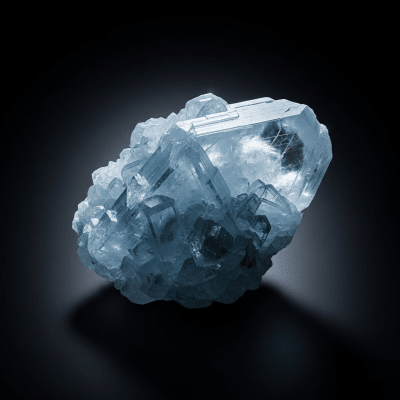
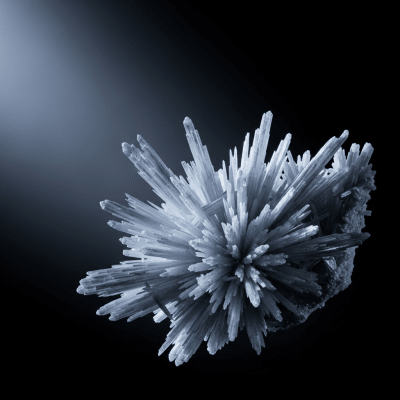
Celestine

Celestine

Celestine is a naturally occurring strontium sulfate mineral, renowned for its delicate sky-blue crystals and its role as the principal source of strontium.

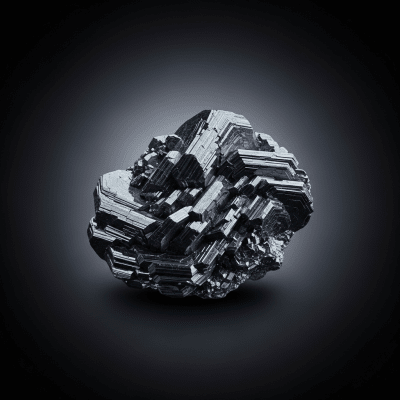
Molybdenite

Molybdenite

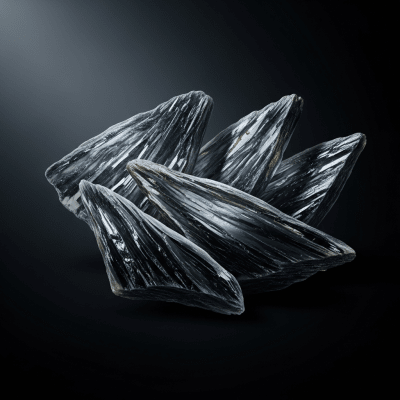
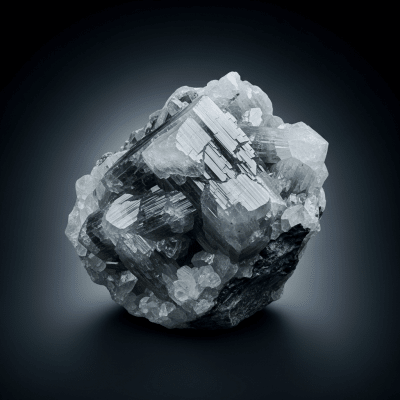
Molybdenite is a naturally occurring mineral and the chief ore of molybdenum, recognized for its metallic luster, soft texture, and distinctive bluish-silver coloration.
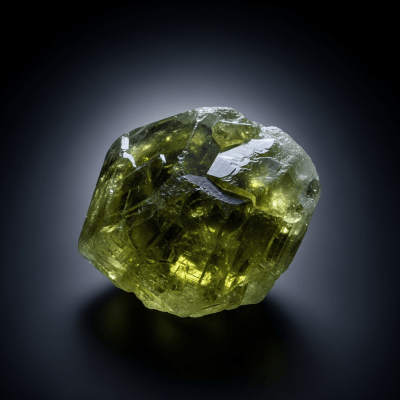
Olivine

Olivine

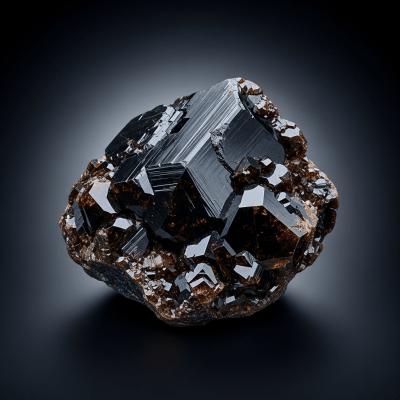
Olivine is a group of magnesium iron silicate minerals, instantly recognized for its olive-green color and its crucial role as a major constituent of Earth's upper mantle.

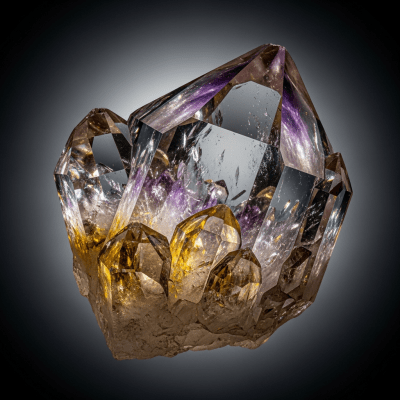
Quartz

Quartz

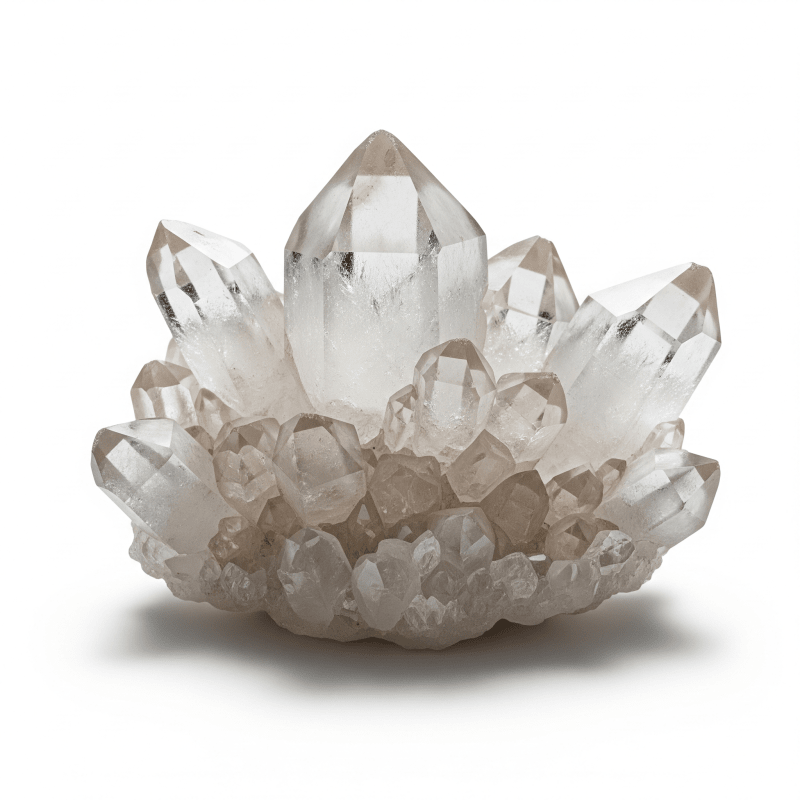
Quartz is a naturally occurring mineral composed of silicon dioxide (SiO₂), celebrated for its abundance, durability, and striking diversity of color and form.

Pyroxene

Pyroxene

Pyroxene is a major group of rock-forming minerals defined by its distinctive chain silicate structure and prevalence in igneous and metamorphic rocks.

Sylvite

Sylvite

Sylvite is a naturally occurring mineral composed of potassium chloride (KCl), renowned as the primary source of potash and distinguished by its cubic crystals and salty taste.

Mica

Mica

Mica is a group of sheet silicate minerals renowned for their ability to split into thin, flexible, and heat-resistant layers, making them essential in both nature and industry.

Halite

Halite

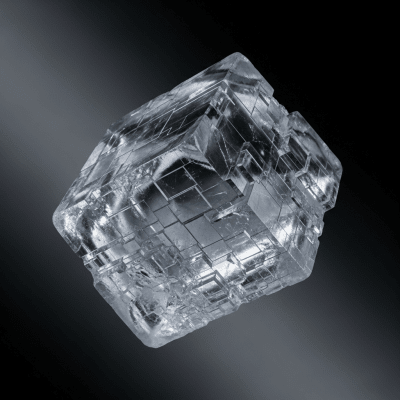
Halite is the naturally occurring mineral form of sodium chloride (NaCl), best known as rock salt and essential to both Earth’s geology and human civilization.
Realgar

Realgar

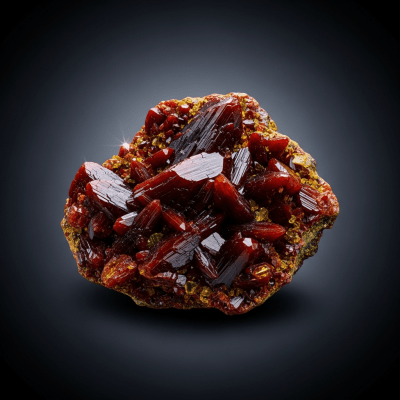
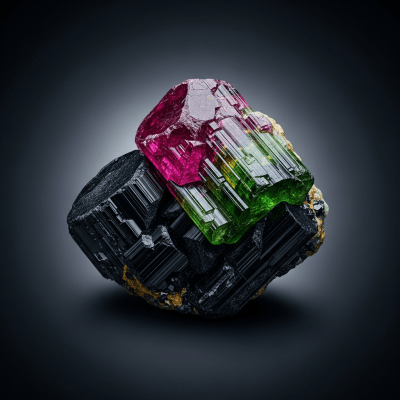
Realgar is a vividly colored arsenic sulfide mineral, instantly recognizable for its fiery red to orange hues and historical role as a pigment and source of arsenic.

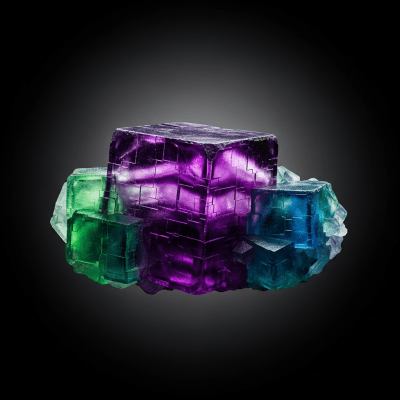
Fluorite

Fluorite

Fluorite is a vividly colored mineral prized for its cubic crystals, remarkable fluorescence under ultraviolet light, and essential role as the chief source of fluorine.

Sphalerite

Sphalerite

Sphalerite is the principal mineral species of zinc sulfide (ZnS) and the world's most important ore of zinc, recognized for its variable color, high refractive index, and distinctive resinous to adamantine luster.

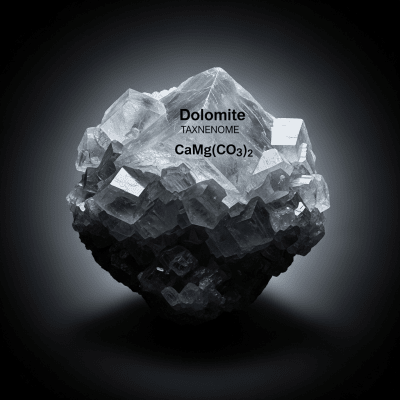
Dolomite

Dolomite

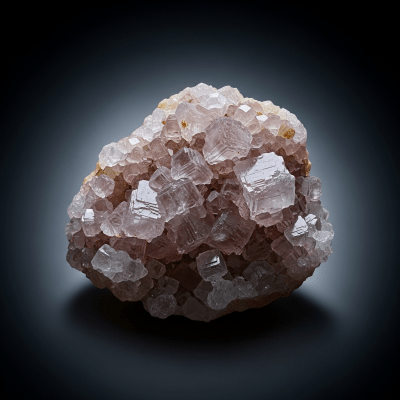
Dolomite is a naturally occurring carbonate mineral composed of calcium magnesium carbonate, recognized for its distinctive rhombohedral crystals and its widespread role as both a mineral and a rock-forming component in sedimentary geology.

Cinnabar

Cinnabar

Cinnabar is a vibrant red mercury sulfide mineral (HgS) and the primary natural source of mercury, renowned for its striking color and historical role as a pigment.

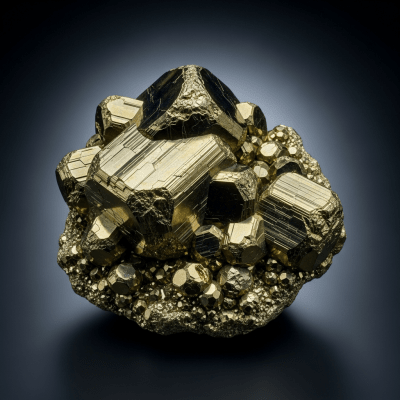
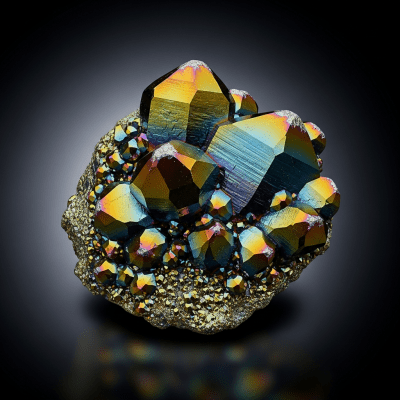
Pyrite

Pyrite

Pyrite is a naturally occurring iron sulfide mineral, instantly recognizable by its metallic luster and pale brass-yellow color—earning it the nickname "fool's gold."

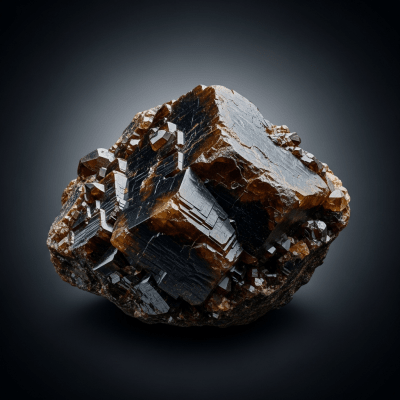
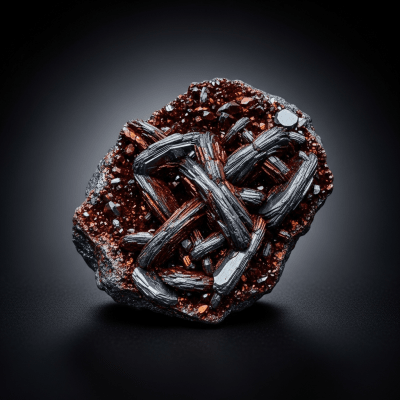
Hematite

Hematite

Hematite is a naturally occurring iron oxide mineral, renowned as the principal source of iron and easily recognized by its metallic to earthy luster and deep red to steel-gray coloration.

Buy Large Edition with 16 Kinds

Cultural Significance

Throughout history, minerals have held cultural and symbolic importance. Gemstones derived from minerals feature prominently in art, jewelry, and mythology, often representing power, protection, or spiritual qualities. Minerals also inspire scientific curiosity and contribute to cultural heritage through museum collections and educational exhibits. Their enduring presence in human culture underscores their aesthetic and practical value beyond geology.

Notable Facts

  • Minerals are strictly defined by a crystalline structure, distinguishing them from mineraloids like opal or obsidian.
  • The International Mineralogical Association (IMA) oversees the official naming and classification of mineral species worldwide.
  • Some minerals have numerous varieties; for example, amethyst is a purple variety of quartz.
  • Classification systems like Dana and Strunz emphasize different aspects, such as chemical composition or crystal chemistry.
  • Minerals form in diverse environments, from deep volcanic magma chambers to sedimentary basins and metamorphic zones.

Kinds of Minerals

Explore the range of forms, textures, and traditions within this collection.
Sorted by popularity

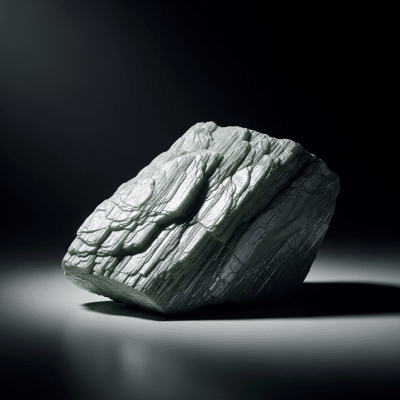
Editorial-style hero shot of Chromite, belonging to the taxonomy minerals.

Chromite

Chromite is an iron chromium oxide mineral and the principal ore of chromium, renowned for its vital role in metallurgy and industrial manufacturing.

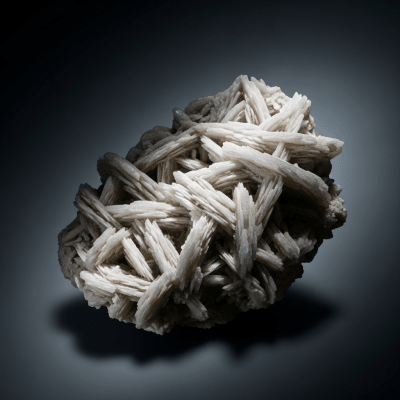
Editorial-style hero shot of Celestine, belonging to the taxonomy minerals.

Celestine

Celestine is a naturally occurring strontium sulfate mineral, renowned for its delicate sky-blue crystals and its role as the principal source of strontium.

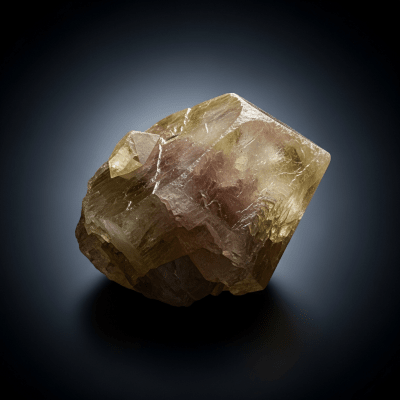
Editorial-style hero shot of Molybdenite, belonging to the taxonomy minerals.

Molybdenite

Molybdenite is a naturally occurring mineral and the chief ore of molybdenum, recognized for its metallic luster, soft texture, and distinctive bluish-silver coloration.
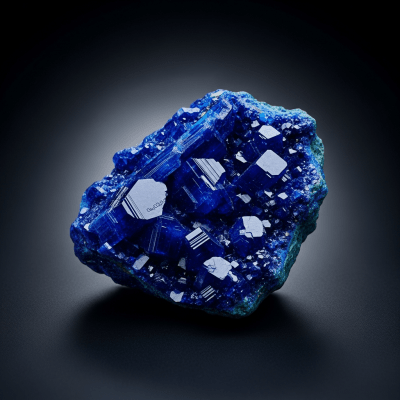
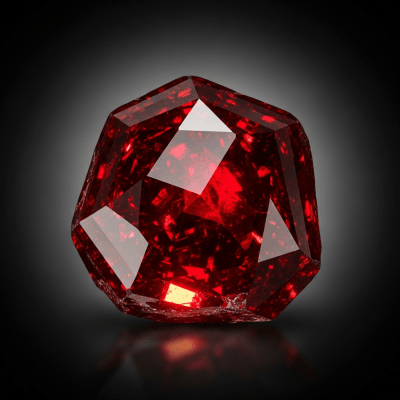
Editorial-style hero shot of Olivine, belonging to the taxonomy minerals.
Olivine

Olivine is a group of magnesium iron silicate minerals, instantly recognized for its olive-green color and its crucial role as a major constituent of Earth's upper mantle.

Editorial-style hero shot of Quartz, belonging to the taxonomy minerals.

Quartz

Quartz is a naturally occurring mineral composed of silicon dioxide (SiO₂), celebrated for its abundance, durability, and striking diversity of color and form.

Editorial-style hero shot of Pyroxene, belonging to the taxonomy minerals.

Pyroxene

Pyroxene is a major group of rock-forming minerals defined by its distinctive chain silicate structure and prevalence in igneous and metamorphic rocks.

Editorial-style hero shot of Sylvite, belonging to the taxonomy minerals.

Sylvite

Sylvite is a naturally occurring mineral composed of potassium chloride (KCl), renowned as the primary source of potash and distinguished by its cubic crystals and salty taste.

Editorial-style hero shot of Mica, belonging to the taxonomy minerals.

Mica

Mica is a group of sheet silicate minerals renowned for their ability to split into thin, flexible, and heat-resistant layers, making them essential in both nature and industry.

Editorial-style hero shot of Halite, belonging to the taxonomy minerals.

Halite

Halite is the naturally occurring mineral form of sodium chloride (NaCl), best known as rock salt and essential to both Earth’s geology and human civilization.

Editorial-style hero shot of Realgar, belonging to the taxonomy minerals.

Realgar

Realgar is a vividly colored arsenic sulfide mineral, instantly recognizable for its fiery red to orange hues and historical role as a pigment and source of arsenic.

Editorial-style hero shot of Fluorite, belonging to the taxonomy minerals.

Fluorite

Fluorite is a vividly colored mineral prized for its cubic crystals, remarkable fluorescence under ultraviolet light, and essential role as the chief source of fluorine.

Editorial-style hero shot of Sphalerite, belonging to the taxonomy minerals.

Sphalerite

Sphalerite is the principal mineral species of zinc sulfide (ZnS) and the world's most important ore of zinc, recognized for its variable color, high refractive index, and distinctive resinous to adamantine luster.

Editorial-style hero shot of Dolomite, belonging to the taxonomy minerals.

Dolomite

Dolomite is a naturally occurring carbonate mineral composed of calcium magnesium carbonate, recognized for its distinctive rhombohedral crystals and its widespread role as both a mineral and a rock-forming component in sedimentary geology.

Editorial-style hero shot of Cinnabar, belonging to the taxonomy minerals.

Cinnabar

Cinnabar is a vibrant red mercury sulfide mineral (HgS) and the primary natural source of mercury, renowned for its striking color and historical role as a pigment.

Editorial-style hero shot of Pyrite, belonging to the taxonomy minerals.

Pyrite

Pyrite is a naturally occurring iron sulfide mineral, instantly recognizable by its metallic luster and pale brass-yellow color—earning it the nickname "fool's gold."

Editorial-style hero shot of Hematite, belonging to the taxonomy minerals.

Hematite

Hematite is a naturally occurring iron oxide mineral, renowned as the principal source of iron and easily recognized by its metallic to earthy luster and deep red to steel-gray coloration.

Editorial-style hero shot of Amphibole, belonging to the taxonomy minerals.

Amphibole

Amphibole is a prominent group of inosilicate minerals defined by their double-chain silicate structure, elongated prismatic crystals, and essential role in forming igneous and metamorphic rocks.

Editorial-style hero shot of Calcite, belonging to the taxonomy minerals.

Calcite

Calcite is a naturally occurring mineral and the most stable polymorph of calcium carbonate (CaCO₃), renowned for its abundance and pivotal role in sedimentary rocks such as limestone and marble.

Editorial-style hero shot of Gypsum, belonging to the taxonomy minerals.

Gypsum

Gypsum is a soft, widely distributed sulfate mineral best known as the primary source of plaster, drywall, and cement, and is easily recognized by its white to transparent appearance and gentle touch.

Editorial-style hero shot of Chalcopyrite, belonging to the taxonomy minerals.

Chalcopyrite

Chalcopyrite is a brassy yellow copper iron sulfide mineral, renowned as the world’s most important copper ore and easily recognized by its metallic luster and distinctive crystal form.

Editorial-style hero shot of Barite, belonging to the taxonomy minerals.

Barite

Barite is a naturally occurring barium sulfate mineral renowned for its exceptional density and vital role in industrial applications, especially as a weighting agent in drilling fluids.

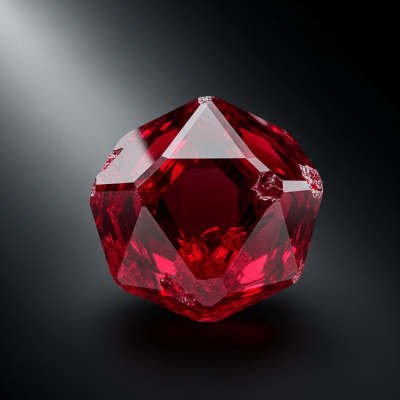
Editorial-style hero shot of Corundum, belonging to the taxonomy minerals.

Corundum

Corundum is an exceptionally hard oxide mineral, celebrated both as a vital industrial abrasive and as the source of the precious gemstones ruby and sapphire.

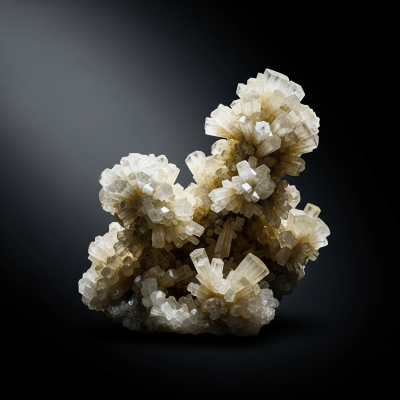
Editorial-style hero shot of Aragonite, belonging to the taxonomy minerals.

Aragonite

Aragonite is a naturally occurring carbonate mineral, recognized for its orthorhombic crystal structure and its role as a major polymorph of calcium carbonate (CaCO₃) in both geological and biological environments.

Editorial-style hero shot of Feldspar, belonging to the taxonomy minerals.

Feldspar

Feldspar is the most abundant group of rock-forming minerals in the Earth's crust, essential for both geological processes and a wide range of industrial applications.

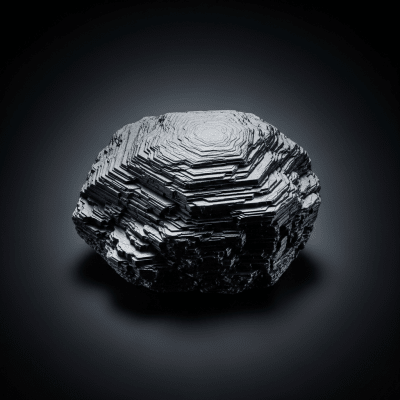
Editorial-style hero shot of Ilmenite, belonging to the taxonomy minerals.

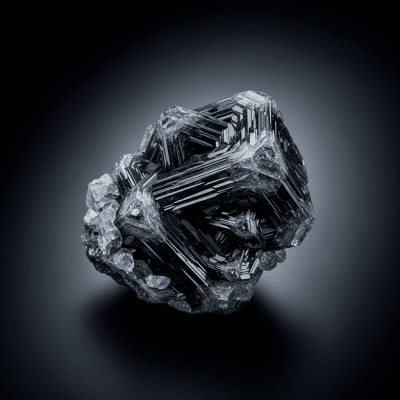
Ilmenite

Ilmenite is a black to steel-gray titanium-iron oxide mineral, renowned as the world’s principal source of titanium.

Editorial-style hero shot of Magnetite, belonging to the taxonomy minerals.

Magnetite

Magnetite is a naturally occurring iron oxide mineral famed for its intense magnetism and vital role as a principal iron ore in geology and industry.

Editorial-style hero shot of Galena, belonging to the taxonomy minerals.

Galena

Galena is the principal mineral species of lead sulfide (PbS), renowned as the world's most important ore of lead and a key source of silver.

Editorial-style hero shot of Talc, belonging to the taxonomy minerals.

Talc

Talc is the softest known mineral, famed for its silky, greasy feel and widespread use in talcum powder and industrial applications.

Editorial-style hero shot of Kaolinite, belonging to the taxonomy minerals.

Kaolinite

Kaolinite is a soft, white clay mineral renowned for its layered structure, gentle texture, and essential role in ceramics, paper, and many industrial products.

Editorial-style hero shot of Orthoclase, belonging to the taxonomy minerals.

Orthoclase

Orthoclase is a major potassium feldspar mineral, prized for its prevalence in granite and its vital role in both geology and industry.

Editorial-style hero shot of Apatite, belonging to the taxonomy minerals.

Apatite

Apatite is a group of phosphate minerals renowned as the primary geological source of phosphorus, distinguished by its hexagonal crystals and striking range of colors.

Editorial-style hero shot of Garnet, belonging to the taxonomy minerals.

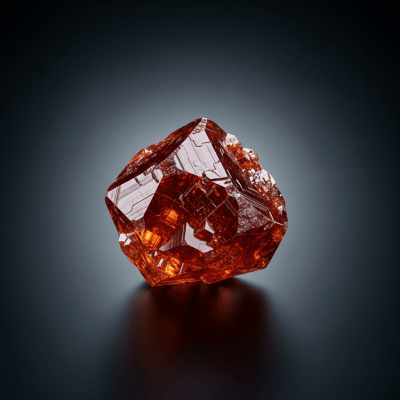
Garnet

Garnet is a group of silicate minerals renowned for their vibrant colors, durable nature, and widespread use as both gemstones and industrial abrasives.

Editorial-style hero shot of Plagioclase, belonging to the taxonomy minerals.

Plagioclase

Plagioclase is a key mineral series within the feldspar group, forming a continuous solid solution between sodium-rich albite and calcium-rich anorthite, and serving as a fundamental building block of Earth's crustal rocks.

Editorial-style hero shot of Cassiterite, belonging to the taxonomy minerals.

Cassiterite

Cassiterite is a dense tin oxide mineral (SnO₂) and the world’s primary source of tin, renowned for its adamantine luster and vital role in metallurgy.

Editorial-style hero shot of Biotite, belonging to the taxonomy minerals.

Biotite

Biotite is a dark, flexible mica mineral commonly found in igneous and metamorphic rocks, recognized for its sheet-like crystals and perfect cleavage.

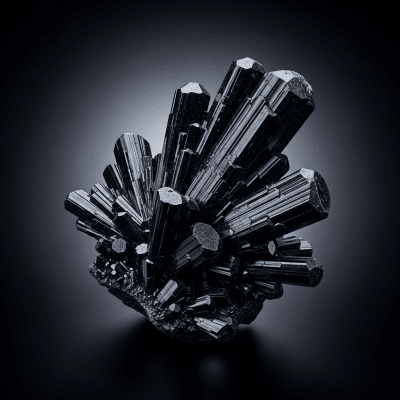
Editorial-style hero shot of Tourmaline, belonging to the taxonomy minerals.

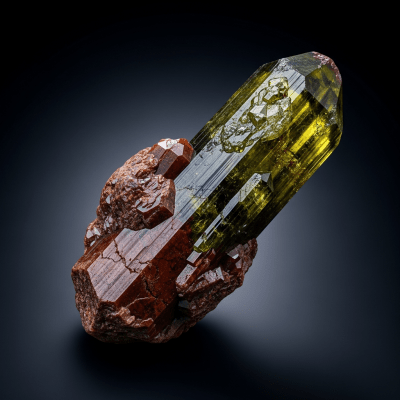
Tourmaline

Tourmaline is a complex group of borosilicate minerals renowned for its extraordinary color diversity, distinctive prismatic crystals, and important roles as both a gemstone and geological indicator.

Editorial-style hero shot of Azurite, belonging to the taxonomy minerals.

Azurite

Azurite is a vibrant deep blue copper carbonate mineral, celebrated for its intense color and historical role as a pigment in art and decoration.

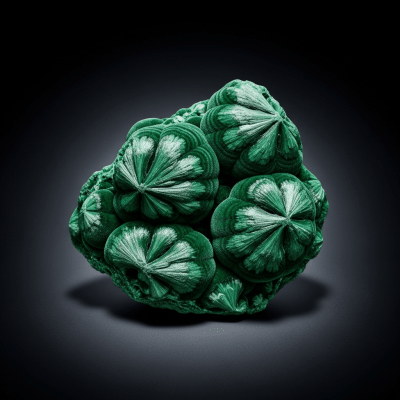
Editorial-style hero shot of Malachite, belonging to the taxonomy minerals.

Malachite

Malachite is a vibrant green copper carbonate mineral, celebrated for its striking banded patterns and historical role as both pigment and ornamental stone.

Editorial-style hero shot of Rutile, belonging to the taxonomy minerals.

Rutile

Rutile is a naturally occurring titanium dioxide mineral prized for its brilliant luster, reddish-brown to black color, and its role as the principal source of titanium.

Editorial-style hero shot of Staurolite, belonging to the taxonomy minerals.

Staurolite

Staurolite is a silicate mineral renowned for its distinctive cross-shaped twinned crystals, serving as a key indicator in metamorphic geology and prized by collectors for its unique form.

Editorial-style hero shot of Kyanite, belonging to the taxonomy minerals.

Kyanite

Kyanite is a striking blue aluminosilicate mineral renowned for its unique anisotropic hardness and its role as an indicator of metamorphic geological processes.

Editorial-style hero shot of Sillimanite, belonging to the taxonomy minerals.

Sillimanite

Sillimanite is a high-temperature alumino-silicate mineral valued for its role as a metamorphic indicator and its industrial use in refractory ceramics.

Editorial-style hero shot of Topaz, belonging to the taxonomy minerals.

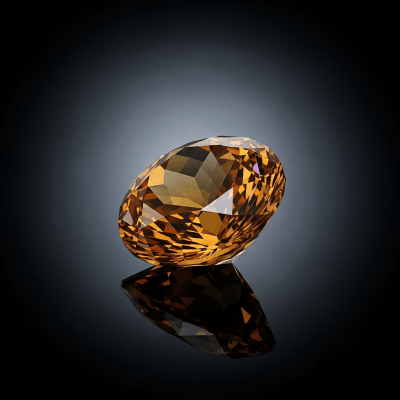
Topaz

Topaz is a silicate mineral celebrated for its exceptional hardness, clarity, and dazzling array of colors, making it both a prized gemstone and a key mineralogical species.

Editorial-style hero shot of Andalusite, belonging to the taxonomy minerals.

Andalusite

Andalusite is an alumino-silicate mineral recognized for its orthorhombic crystals, distinctive pleochroism, and importance as both a metamorphic indicator and a gemstone.

Editorial-style hero shot of Wollastonite, belonging to the taxonomy minerals.

Wollastonite

Wollastonite is a naturally occurring calcium silicate mineral prized for its fibrous habit, moderate hardness, and exceptional resistance to heat and chemicals, making it a vital industrial resource.

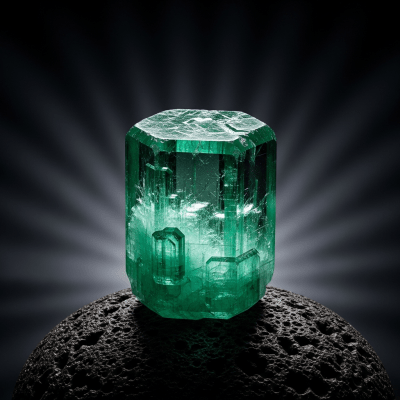
Editorial-style hero shot of Beryl, belonging to the taxonomy minerals.

Beryl

Beryl is a hard, hexagonal cyclosilicate mineral renowned as the parent species of several prized gemstones, including emerald and aquamarine.

Editorial-style hero shot of Spinel, belonging to the taxonomy minerals.

Spinel

Spinel is a magnesium aluminum oxide mineral prized for its vibrant colors, exceptional clarity, and enduring hardness, making it both a celebrated gemstone and a key mineralogical species.

Editorial-style hero shot of Graphite, belonging to the taxonomy minerals.

Graphite

Graphite is a naturally occurring mineral form of crystalline carbon, renowned for its metallic luster, extreme softness, and outstanding electrical conductivity.

Editorial-style hero shot of Muscovite, belonging to the taxonomy minerals.

Muscovite

Muscovite is a common silicate mineral of the mica group, renowned for its silvery, flexible sheets and exceptional insulating properties.

A collection is complete only when its kinds are seen in full.