Gypsum
Gypsum is a soft, widely distributed sulfate mineral best known as the primary source of plaster, drywall, and cement, and is easily recognized by its white to transparent appearance and gentle touch.
Gypsum is a soft, widely distributed sulfate mineral best known as the primary source of plaster, drywall, and cement, and is easily recognized by its white to transparent appearance and gentle touch.
Gypsum’s story stretches back to ancient civilizations, with documented use in Egypt and Mesopotamia for construction and sculpture. Its formation occurs naturally through the evaporation of saline waters in arid environments, leaving behind extensive beds in sedimentary rocks. The mineral was formally described in the 18th century and is now recognized as a distinct species by the International Mineralogical Association (IMA).
Gypsum belongs to the sulfate mineral group, defined by its chemical composition and crystalline structure. It is classified under Dana code 16a.3.1.1 and Strunz code 7.CD.40, reflecting its place among minerals formed by the combination of calcium, sulfur, and water. Its monoclinic crystal system and clear mineralogical identity make it a cornerstone in both academic and industrial mineral classification schemes.
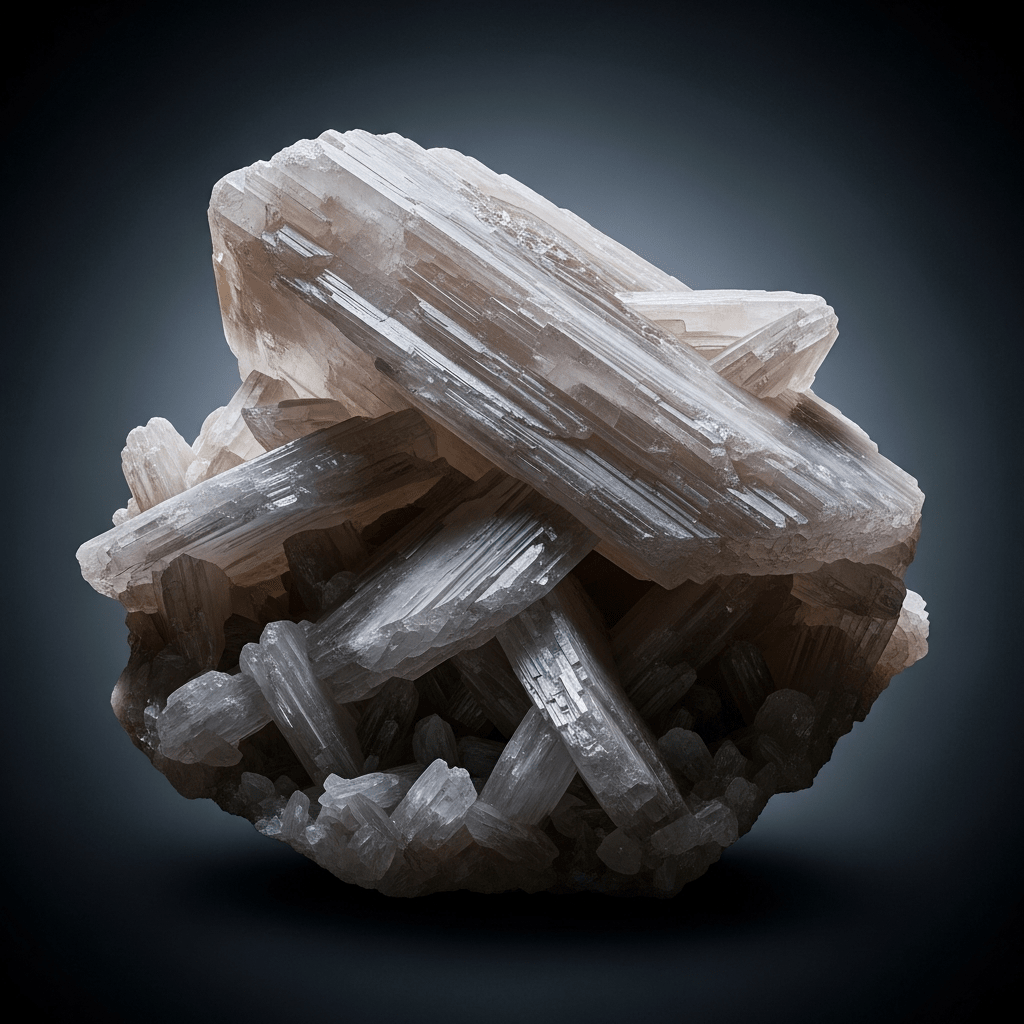
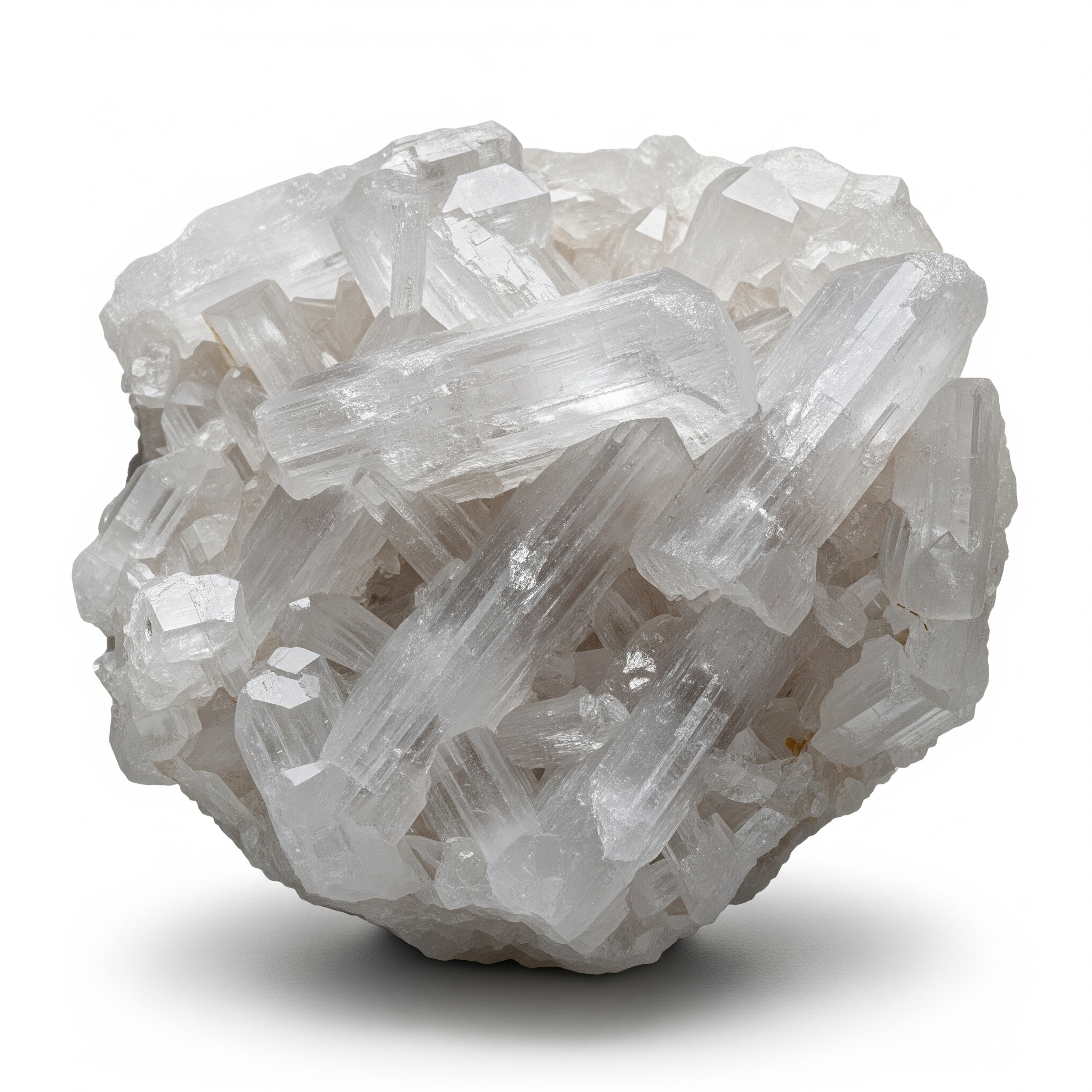
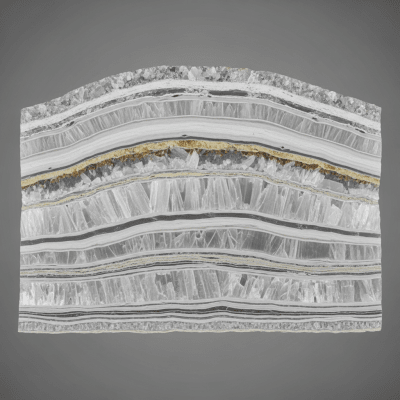
Gypsum typically appears as colorless to white crystals, though impurities can tint it gray, yellow, red, or brown. Its forms range from transparent tabular or prismatic crystals (selenite), to silky fibrous masses (satin spar), and fine-grained, massive aggregates (alabaster). The mineral’s luster varies from vitreous to pearly or silky, and it is transparent to translucent. Thin sheets of gypsum are flexible, and the mineral is easily scratched by a fingernail due to its softness.
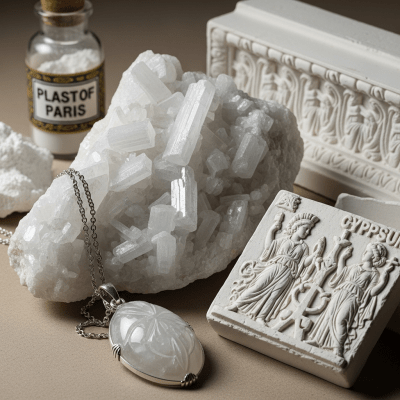
Gypsum’s softness and solubility make it ideal for shaping and carving, which has driven its use in sculpture and decorative arts for millennia. Industrially, it is indispensable in the manufacture of plaster, drywall, cement, and as a soil conditioner. Its ability to set and harden when mixed with water underpins its role in construction and casting molds, while its non-toxic nature allows for use as a food additive (E516).
Bring this kind into your world illustrated posters, mugs, and shirts.
Archival print, museum-grade paper
Buy Poster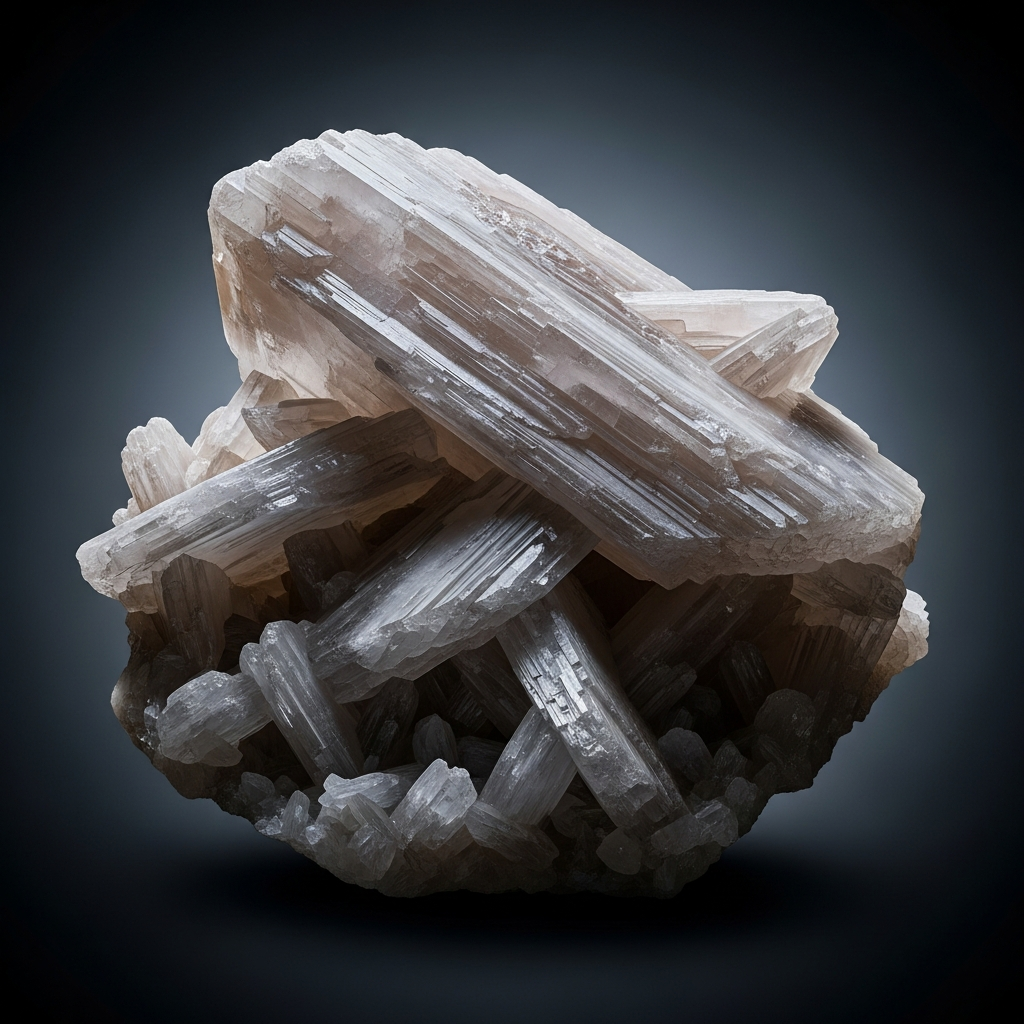
Stoneware mug, dishwasher safe
Buy Mug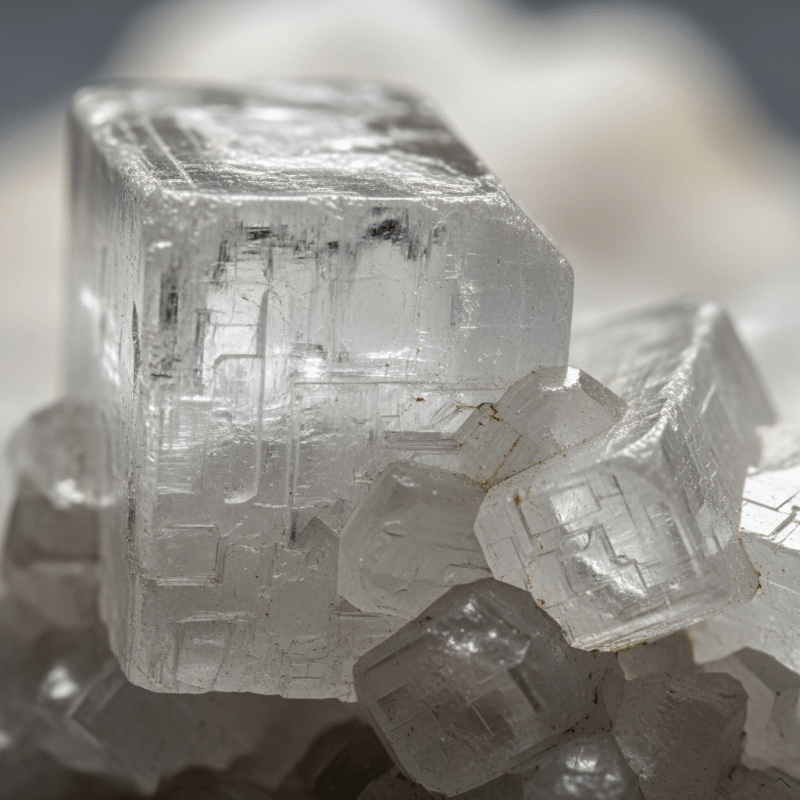
Soft cotton tee, unisex sizes
Buy ShirtGypsum has played a vital role in human culture since antiquity, especially in the architectural and artistic achievements of ancient Egypt and Mesopotamia. Alabaster, a fine-grained variety, has been prized for ornamental carving and sculpture, gracing temples, tombs, and palaces. Its enduring presence in construction and art connects modern society to ancient traditions.
Gypsum’s chemical formula is CaSO₄·2H₂O, meaning it is composed of calcium sulfate dihydrate—calcium, sulfur, oxygen, and two molecules of water per formula unit.
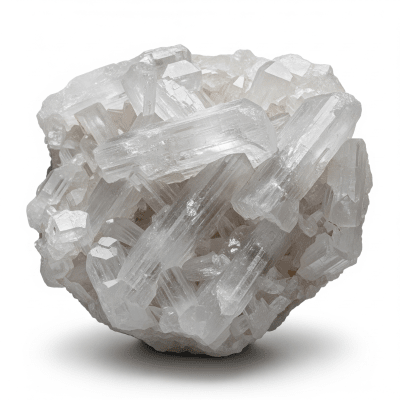
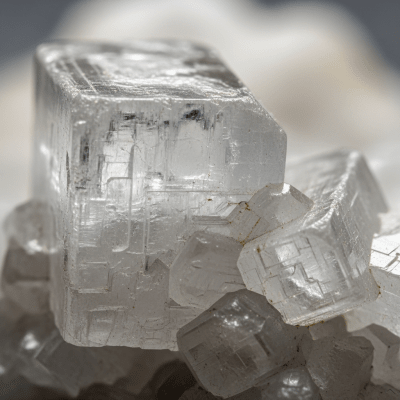

Gypsum crystallizes in the monoclinic crystal system, typically forming tabular, prismatic, or fibrous crystals. Its structure features perfect cleavage in one direction, allowing thin sheets to be flexible and easily split.
Gypsum is most commonly found in extensive beds within sedimentary rocks, formed by the evaporation of saline waters in arid climates. Major deposits are located in the United States, Canada, Mexico, France, and Spain. It often occurs alongside minerals such as halite, anhydrite, and calcite, and is a key indicator of evaporitic geological environments.