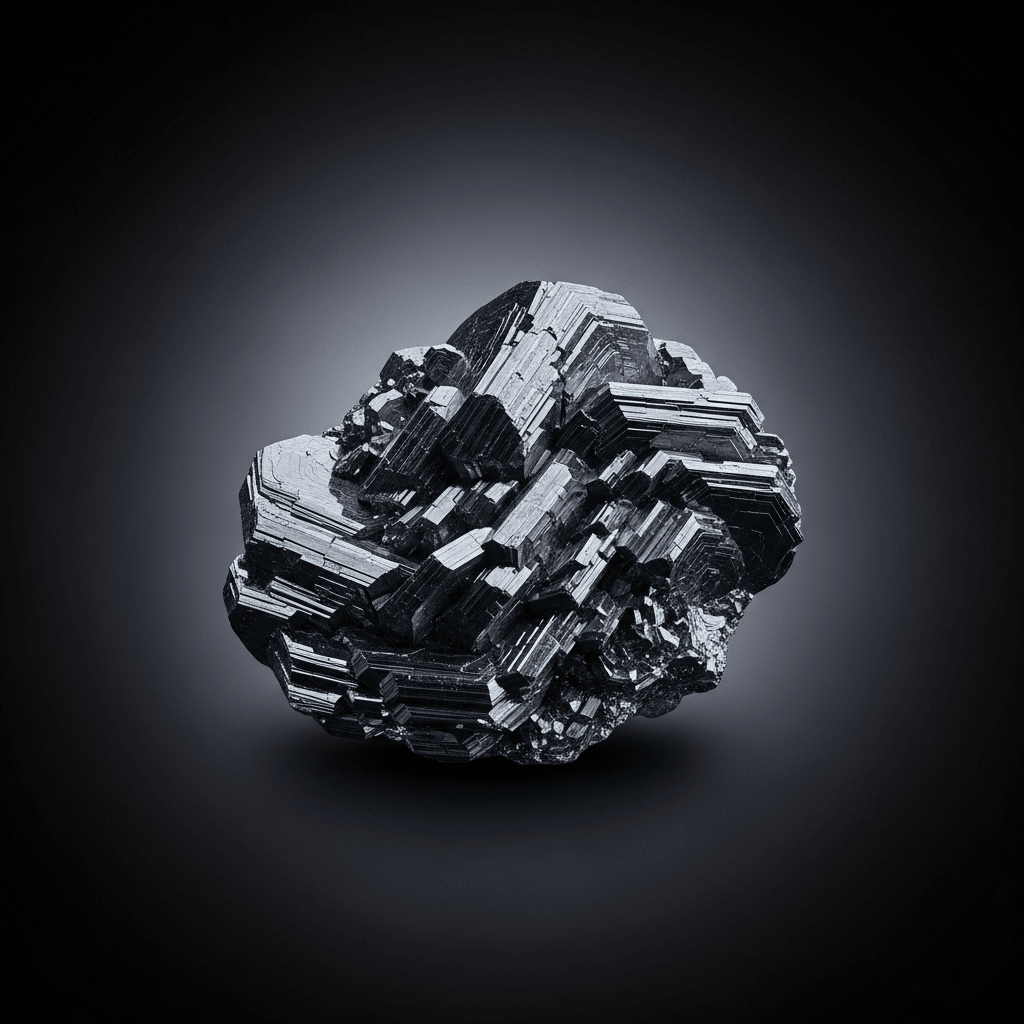
Molybdenite
Molybdenite is a naturally occurring mineral and the chief ore of molybdenum, recognized for its metallic luster, soft texture, and distinctive bluish-silver coloration.
Molybdenite is a naturally occurring mineral and the chief ore of molybdenum, recognized for its metallic luster, soft texture, and distinctive bluish-silver coloration.
Molybdenite was first scientifically described in 1778 by Swedish chemist Carl Wilhelm Scheele, who distinguished molybdenum as a unique element apart from graphite and lead. Its name is rooted in the Greek word molybdos (lead), reflecting its resemblance to lead minerals. The mineral is officially recognized by the International Mineralogical Association as a valid species, with its discovery marking a pivotal moment in mineralogy and elemental chemistry.
Molybdenite is classified as a sulfide mineral, with the chemical formula MoS₂. According to the Dana system, it falls under code 2.EB.05, and in the Strunz system, it is designated as 2.EA.30. Its unique composition and structure place it among the most important minerals within the molybdenum family, serving as the principal source of this valuable element.
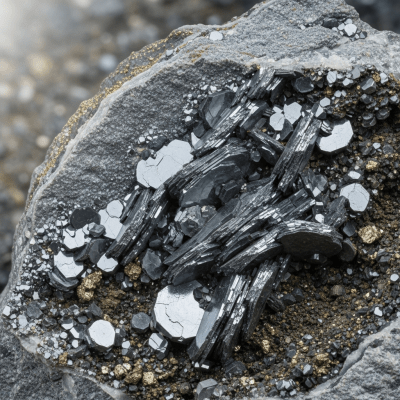
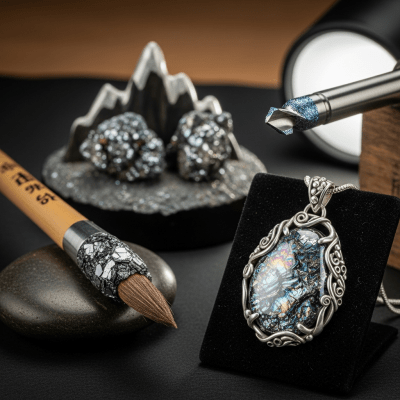
Molybdenite typically presents as platy, hexagonal crystals or foliated masses, displaying a striking bluish-gray to silver-gray color. Its metallic luster and greasy feel are distinctive, and the mineral is notably soft—easily marked with a fingernail. Perfect basal cleavage allows it to be split into thin, flexible sheets, often resembling graphite in appearance but with a subtle blue sheen.
Functionally, molybdenite is highly valued for its industrial utility. Its layered structure imparts excellent lubricating properties, making it a premier dry lubricant in demanding environments. The mineral’s high electrical conductivity and resistance to heat and chemical attack enable its use in electronics, steel alloys, and as a catalyst in chemical processes. Its interaction with humans is primarily through mining and technological applications, rather than direct cultural engagement.
Bring this kind into your world illustrated posters, mugs, and shirts.
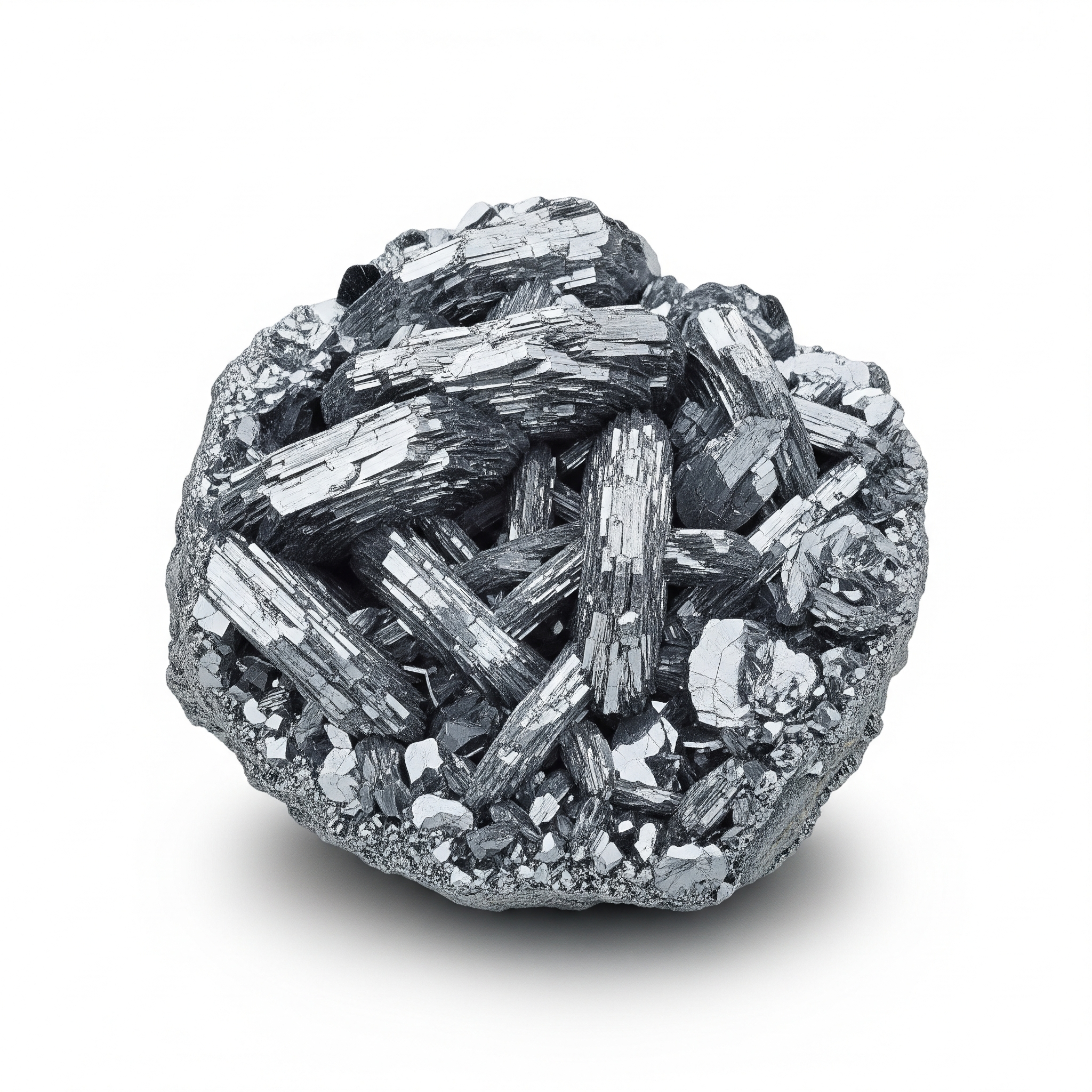
Archival print, museum-grade paper
Buy Poster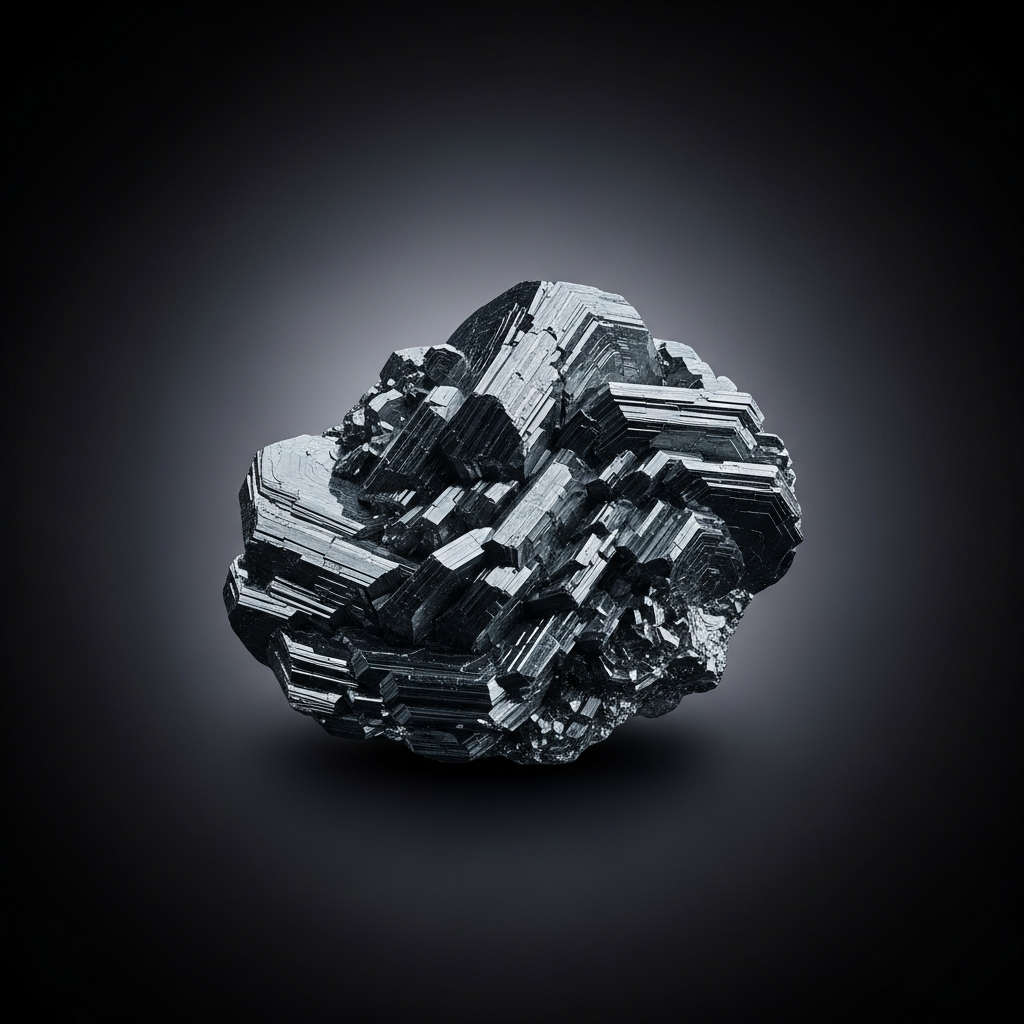
Stoneware mug, dishwasher safe
Buy Mug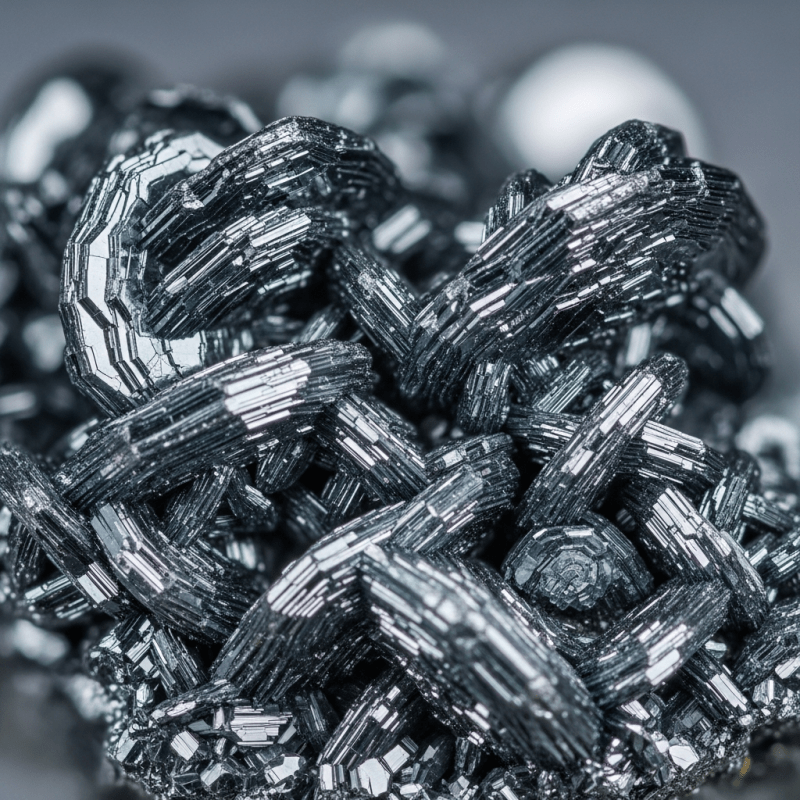
Soft cotton tee, unisex sizes
Buy ShirtWhile molybdenite does not feature prominently in art or mythology, its economic significance is profound. As the main source of molybdenum—a metal critical for modern infrastructure, engineering, and technology—molybdenite has shaped industries and global trade, though it remains relatively obscure outside scientific and industrial circles.
Molybdenite’s chemical formula is MoS₂, meaning it consists of molybdenum and sulfur atoms arranged in a layered structure. This simple yet robust composition underpins its physical and industrial properties.
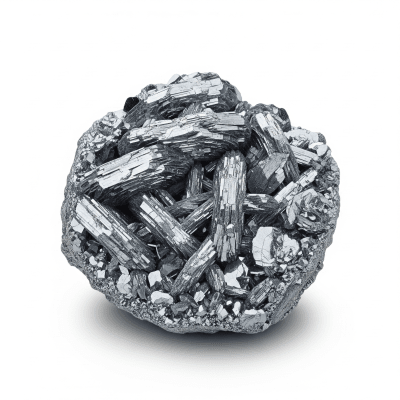
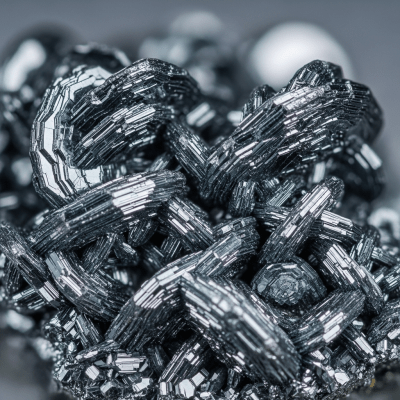
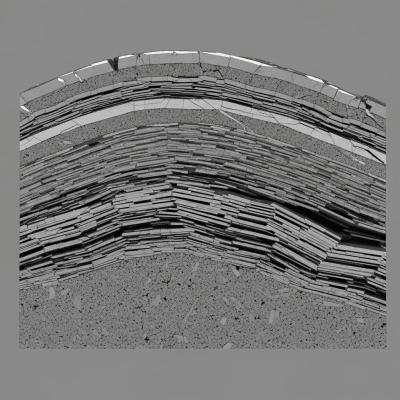
Molybdenite crystallizes in the hexagonal crystal system (space group P6₃/mmc). Its atomic layers are stacked in sheets, which can easily slide over one another, giving rise to its perfect basal cleavage and lubricating qualities.
Key physical traits of molybdenite include a Mohs hardness of 1–1.5, metallic luster, bluish-gray to silver-gray color, and a greasy texture. It is soft, flexible, and exhibits perfect basal cleavage, allowing it to be split into thin sheets. The mineral is highly resistant to heat and chemical attack, and its high electrical conductivity is notable among non-metallic minerals.
Molybdenite is typically found in high-temperature hydrothermal veins, pegmatites, and contact metamorphic zones, most commonly associated with granitic rocks. Major deposits are located in Climax and Henderson (Colorado, USA) and the Chuquicamata mine (Chile), where it often occurs alongside quartz and granite.
Historical synonyms for molybdenite include molybdena and molybdenum glance. No significant varieties are recognized, though heritage names may appear in older literature.
Molybdenite is the main source of molybdenum, which is indispensable in the production of steel alloys for enhanced strength and corrosion resistance. Its natural lubricating properties make it valuable as a dry lubricant in machinery and aerospace applications. Additionally, molybdenite is used in electronics (notably as a semiconductor material), and as a catalyst in chemical industries.
To identify molybdenite, look for platy, hexagonal crystals with a bluish-silver metallic sheen and a greasy feel. Its perfect basal cleavage allows it to be split into thin sheets. Unlike graphite, molybdenite’s color is more blue-gray and it is slightly heavier and softer.
Store molybdenite specimens in a dry, stable environment to prevent contamination or damage to their delicate sheets. Handle gently to avoid breaking or smearing the soft crystals. Cleaning should be done with a soft brush or compressed air; avoid harsh chemicals, as the mineral is resistant but its structure is fragile.
Notable molybdenite specimens have been recovered from the Climax and Henderson mines in Colorado, USA, and the Chuquicamata mine in Chile. These localities have produced large, well-formed crystals embedded in quartz and granite, prized by collectors and studied by mineralogists for their purity and size.