Graphite
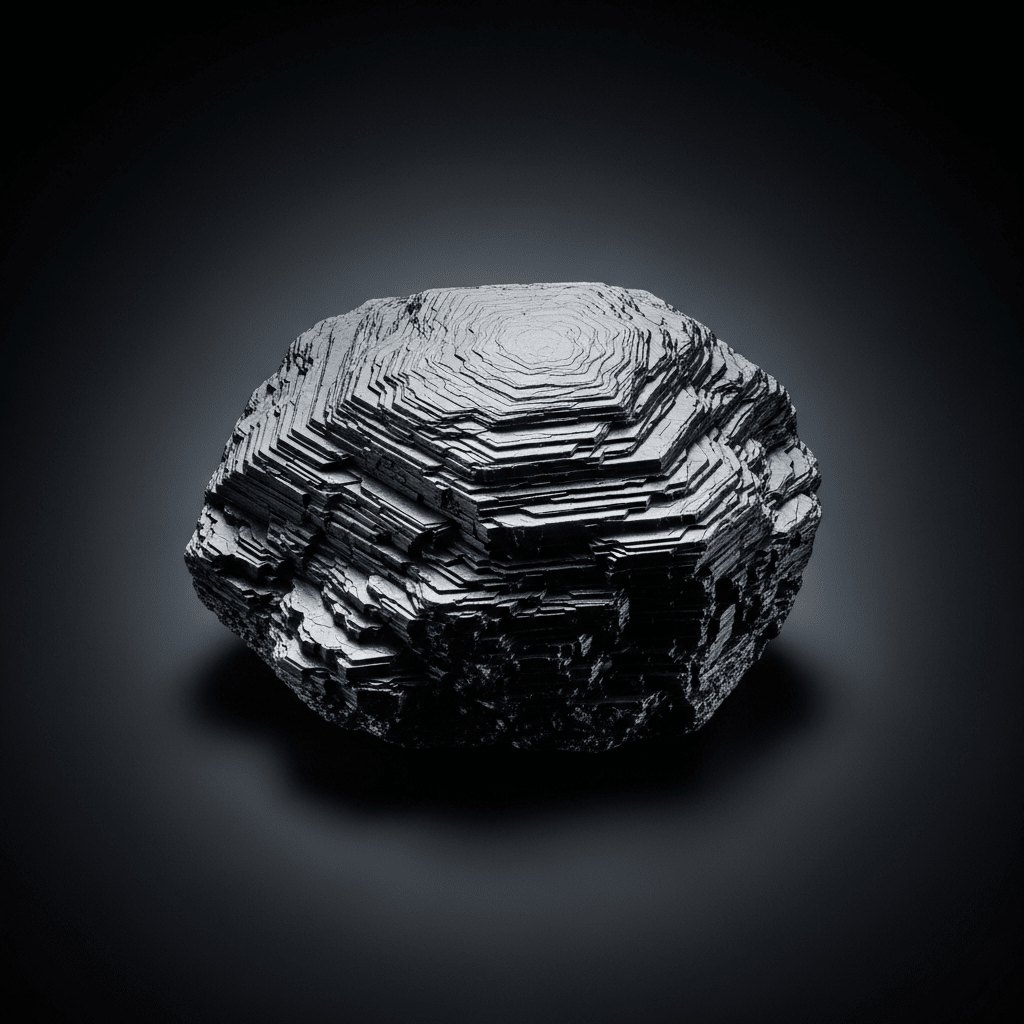
Graphite is a naturally occurring mineral form of crystalline carbon, renowned for its metallic luster, extreme softness, and outstanding electrical conductivity.
Graphite is a naturally occurring mineral form of crystalline carbon, renowned for its metallic luster, extreme softness, and outstanding electrical conductivity.
Graphite has been recognized since antiquity, with its first documented use in 16th-century England for writing and drawing. The earliest significant deposits were mined in Borrowdale, Cumbria, where graphite's unique properties made it invaluable for marking and sketching. Although its formal mineralogical description emerged in the 18th century, graphite’s status as a native element (pure carbon) has long been affirmed by mineralogical authorities.
Graphite belongs to the Native Elements: Carbon Group, classified as a mineral species composed solely of elemental carbon. It is recognized by the International Mineralogical Association (IMA) and is catalogued under Dana Classification 01.03.01.01 and Strunz Classification 1.CB.05. Its unique layered atomic arrangement distinguishes it from other native elements and forms of carbon.
Graphite typically appears as black to steel-gray masses or flakes, often with a metallic to earthy luster. Its surface feels greasy or slippery to the touch, and it leaves a black streak when rubbed on paper. The mineral is opaque, with perfect basal cleavage, allowing it to split into thin, flexible sheets. Its extreme softness makes it easy to mark surfaces, a trait central to its use in pencils.
Graphite’s layered structure enables its sheets to slide easily over one another, giving it excellent lubricating properties and a distinctive softness. It conducts electricity and heat exceptionally well, making it vital in batteries, electrodes, and industrial applications. Its resistance to chemical attack and high temperatures also makes graphite indispensable in refractories, crucibles, and as a moderator in nuclear reactors. Most familiarly, it is the “lead” in pencils, used for writing and drawing worldwide.
Bring this kind into your world illustrated posters, mugs, and shirts.
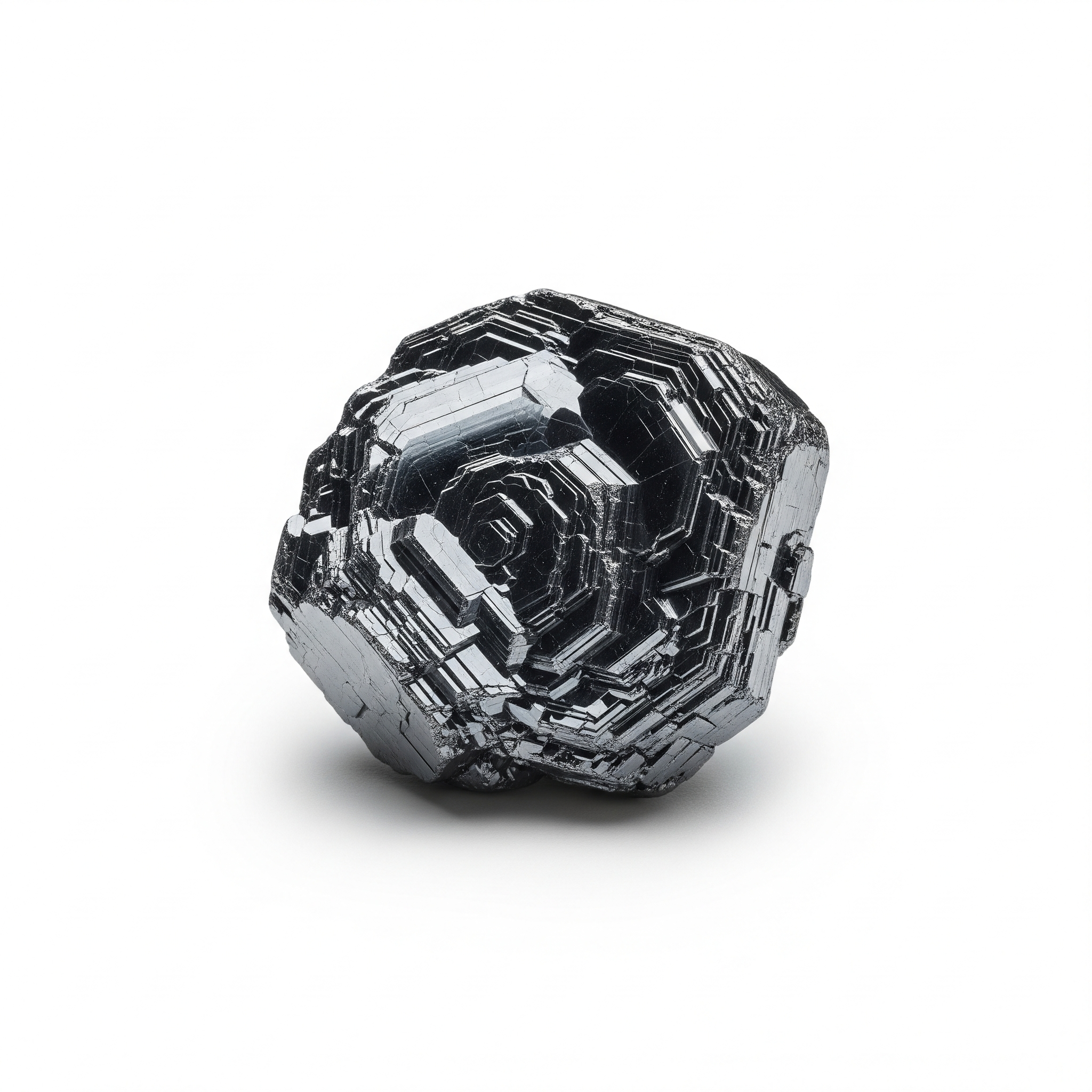
Archival print, museum-grade paper
Buy Poster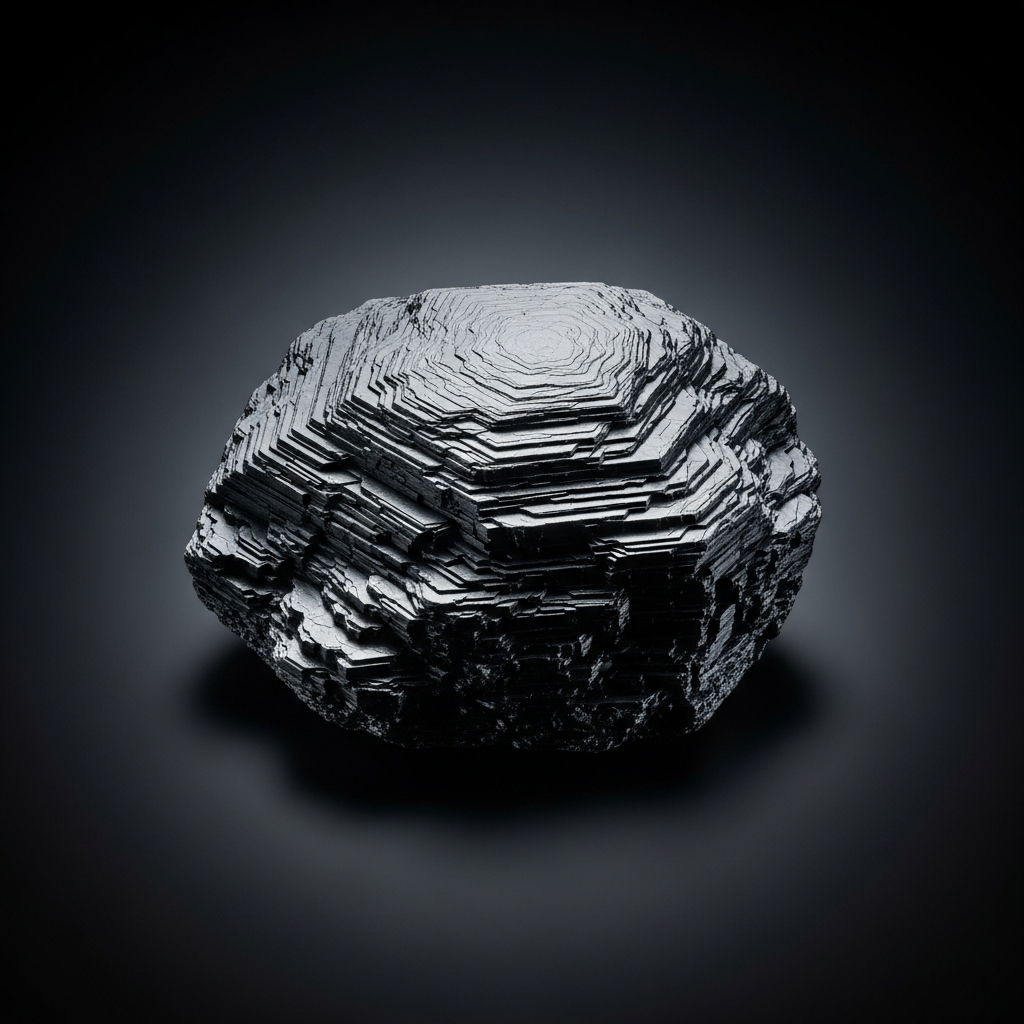
Stoneware mug, dishwasher safe
Buy Mug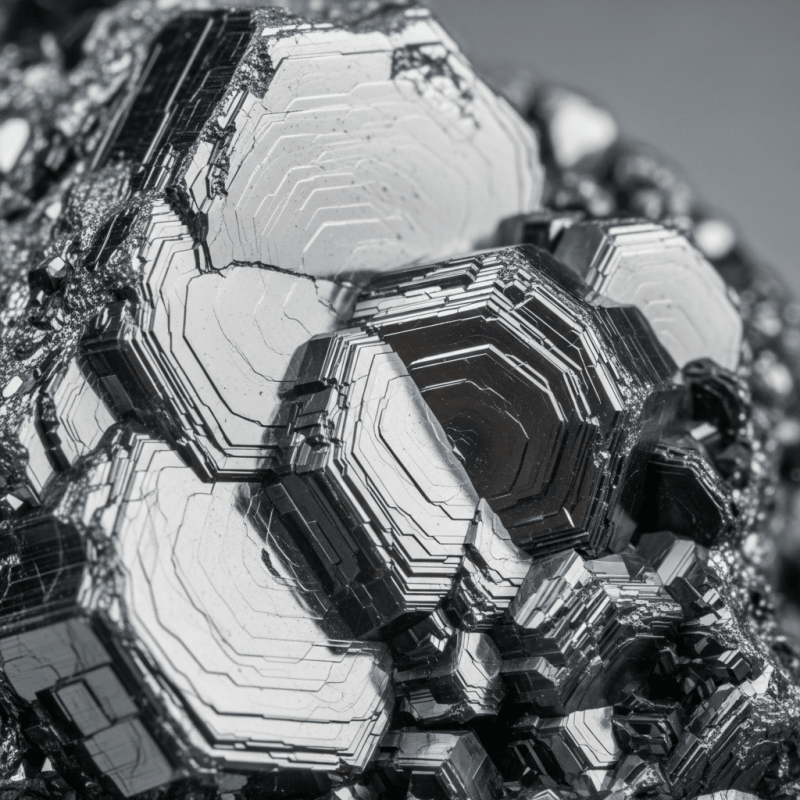
Soft cotton tee, unisex sizes
Buy ShirtGraphite has played a pivotal role in human culture, especially as the material behind the modern pencil. Since the 16th century, its use in writing instruments has shaped education, art, and communication. The term “black lead” reflects its historical importance, and “plumbago” was once widely used in artistic and technical circles. Its enduring legacy is seen in everything from scientific illustration to everyday note-taking.
Graphite is composed of pure elemental carbon, with the chemical formula C. Its atoms are arranged in planar sheets, giving rise to its unique properties.
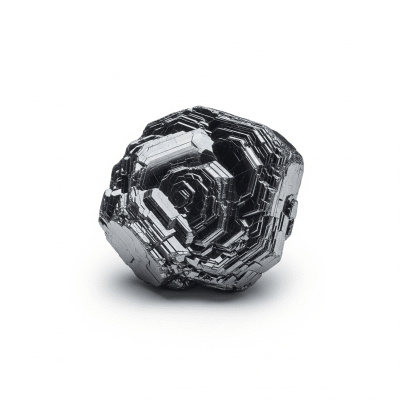
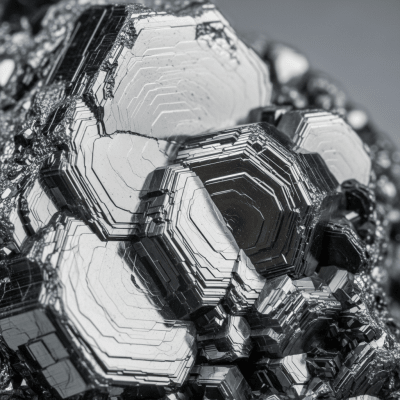
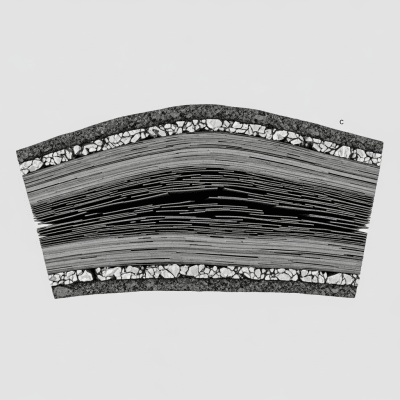
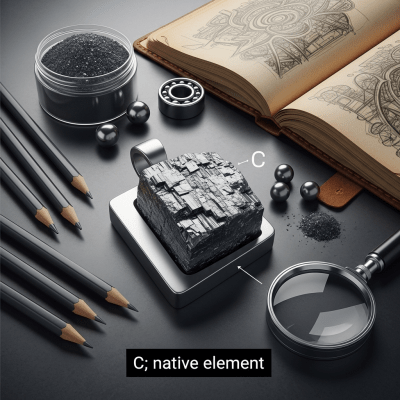
Graphite crystallizes in the hexagonal crystal system, specifically in the space group P63/mmc. Its atomic structure consists of layers of carbon atoms arranged in hexagonal arrays, with weak forces between layers allowing them to slide easily.
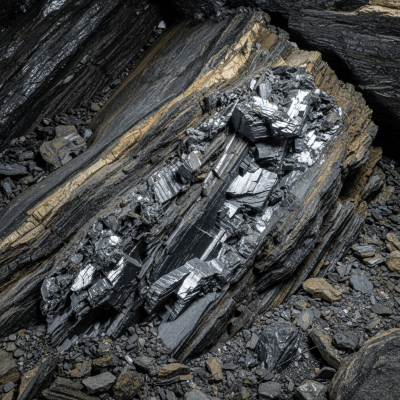
Graphite is most commonly found in metamorphic rocks such as marble, schist, and gneiss, where it forms under high-temperature and pressure conditions. It also occurs in igneous rocks and can result from the metamorphism of organic material. Major deposits are located in China, India, Brazil, Canada, and Madagascar.
Graphite specimens should be handled gently due to their softness and tendency to flake. Store in a dry environment, away from abrasive surfaces to prevent crumbling. Cleaning is best done with a soft brush; avoid water or harsh chemicals, as graphite is chemically inert but mechanically fragile.
The Borrowdale deposit in Cumbria, England, is historically renowned as the source of the world’s purest graphite, used for centuries in high-quality pencils and art. Specimens from this locality are highly prized by collectors and museums for their historical and mineralogical significance.