Talc
Talc is the softest known mineral, famed for its silky, greasy feel and widespread use in talcum powder and industrial applications.
Talc is the softest known mineral, famed for its silky, greasy feel and widespread use in talcum powder and industrial applications.
Talc's story stretches back to antiquity, when ancient civilizations used it for cosmetic and medicinal purposes. While its precise discoverer is lost to history, talc was formally named in the early 19th century and later recognized as a canonical mineral species by the International Mineralogical Association. Its enduring presence in human culture is rooted in its unique physical properties and practical utility.
Talc belongs to the phyllosilicate group of minerals, characterized by sheet-like silicate structures. It is classified under Dana code 71.2.1.1 and Strunz code 9.EC.05, reflecting its chemical composition and crystal structure. As a member of the silicate class, talc is closely related to minerals like serpentine and mica, sharing similar layered arrangements.
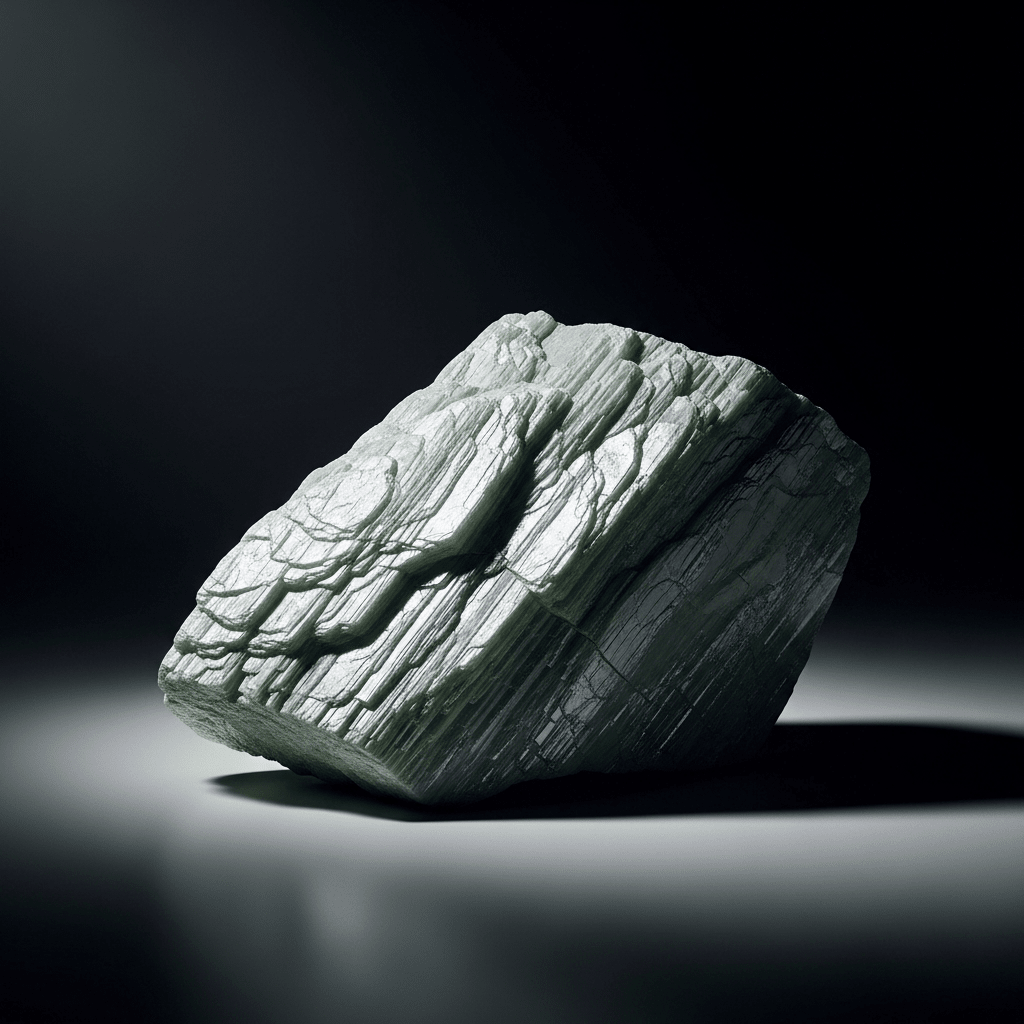
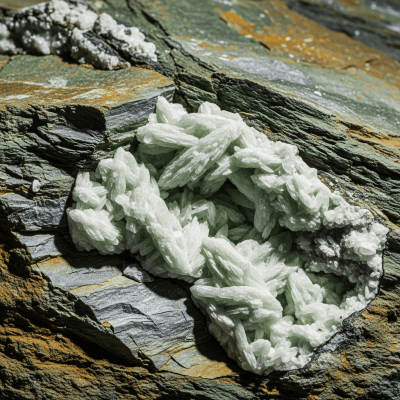
Talc typically appears as foliated or massive aggregates, often exhibiting a white, gray, green, or pale coloration. Its surface is renowned for a pearly to greasy luster and a distinctive soapy, silky feel. The mineral is soft enough to be easily scratched with a fingernail, and its perfect cleavage in one direction allows it to split into thin, flexible sheets.
Talc's extreme softness and lubricating properties make it invaluable in both industrial and everyday contexts. It functions as a filler in paper, plastics, paints, and ceramics, and is widely used as a dusting agent and lubricant. Its most familiar role is in talcum powder, prized for its ability to absorb moisture and reduce friction on the skin.
Bring this kind into your world illustrated posters, mugs, and shirts.
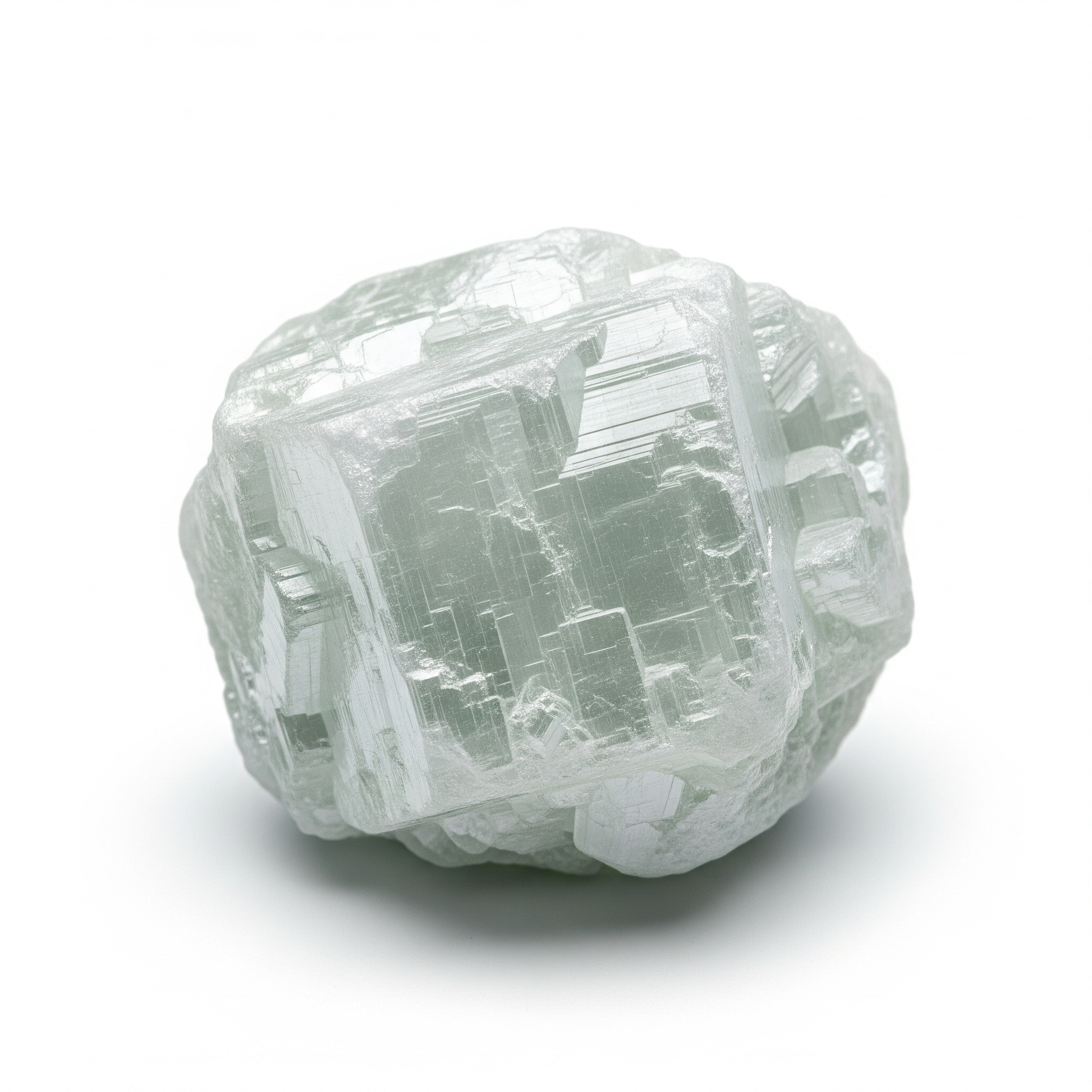
Archival print, museum-grade paper
Buy Poster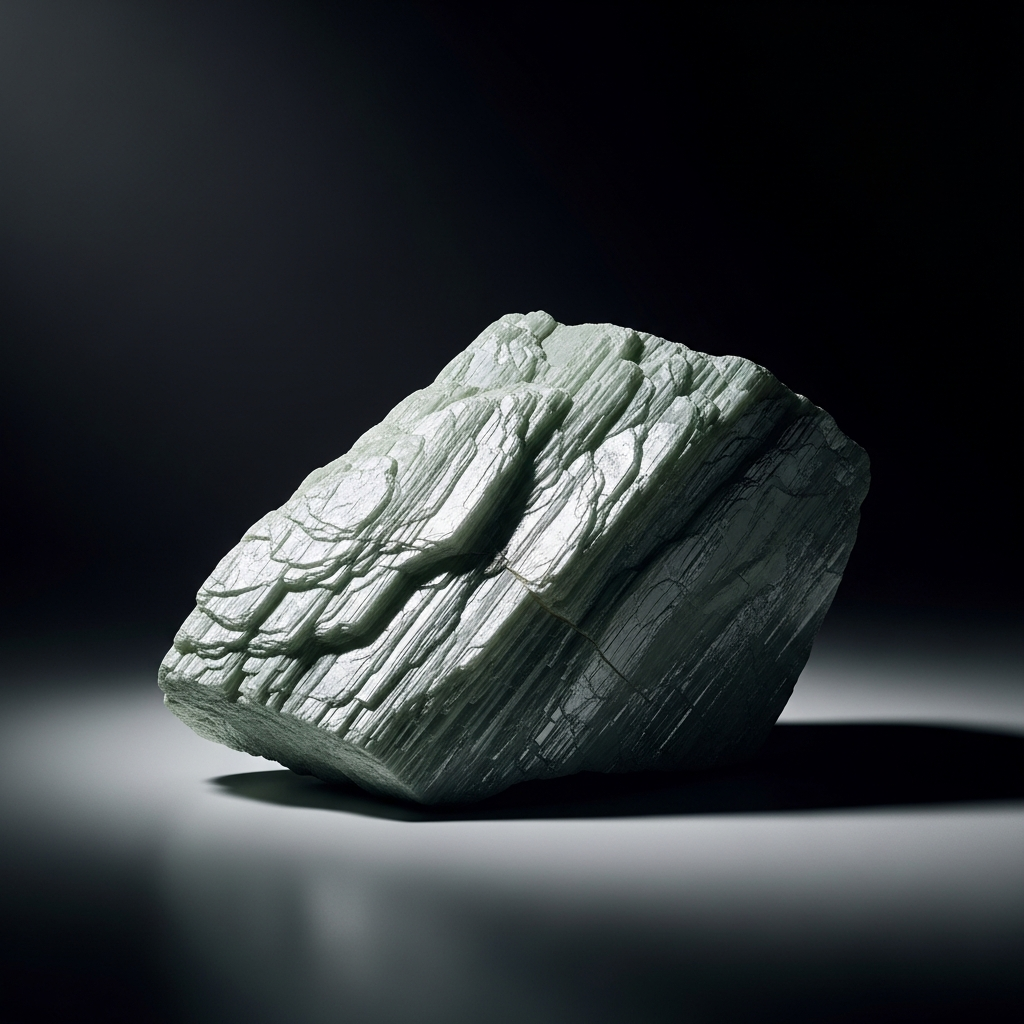
Stoneware mug, dishwasher safe
Buy Mug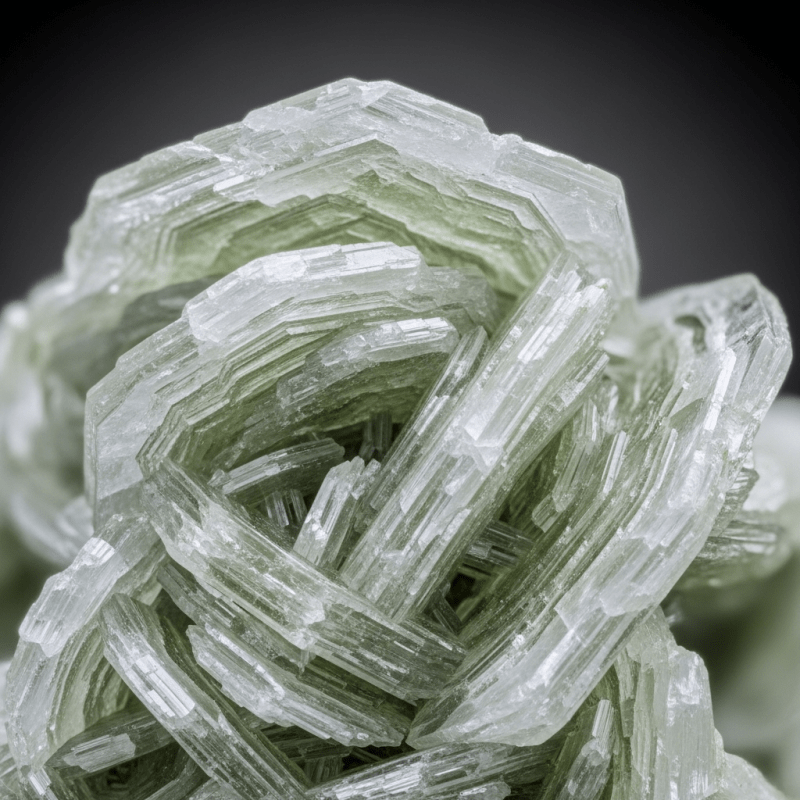
Soft cotton tee, unisex sizes
Buy ShirtWhile talc does not feature prominently in art or mythology, its cultural significance is tied to its practical uses. Ancient peoples valued it for personal care and healing, and today it remains a household staple in the form of talcum powder. Its role in industry and hygiene has made talc a quietly influential mineral in daily life.
Talc is a hydrated magnesium silicate with the chemical formula Mg3Si4O10(OH)2. It contains magnesium, silicon, oxygen, and hydroxyl groups.
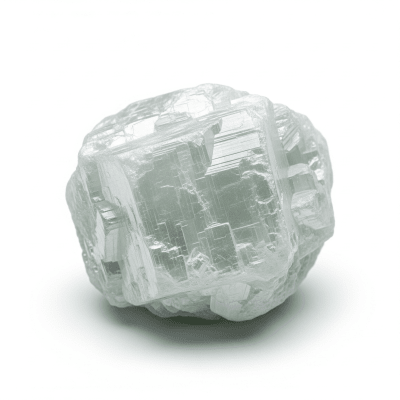
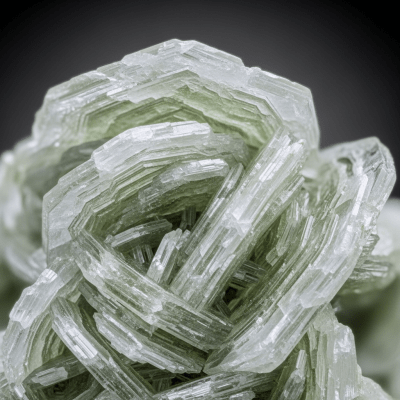
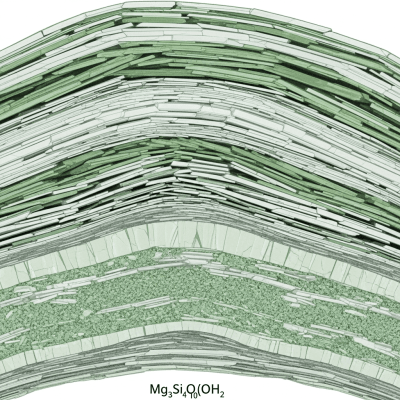
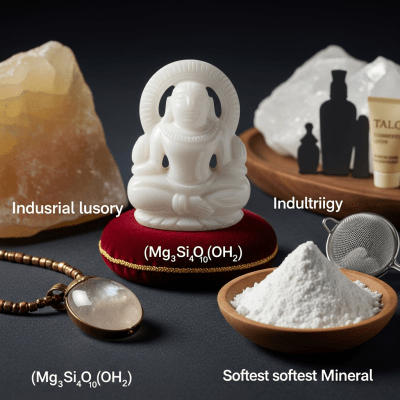
Talc crystallizes in the monoclinic crystal system, forming layered sheets of silicate tetrahedra. This structure gives talc its perfect cleavage and signature softness.
Talc is commonly found in metamorphic rocks, especially talc schists and soapstones. It often forms as an alteration product of magnesium-rich minerals such as serpentine, olivine, and pyroxene. Major deposits are located in the United States (Montana, Vermont), China, India, and Brazil.
Store talc specimens away from abrasive materials to prevent scratching. Handle gently, as talc is easily abraded. Clean with a soft, dry brush; avoid water and harsh chemicals, as talc is insoluble but may be damaged by aggressive cleaning.
While talc itself is not known for individual famous specimens, massive soapstone carvings and artifacts—such as ancient cookware and sculptures—stand as historical examples of talc's enduring utility and appeal.