Rutile
Rutile is a naturally occurring titanium dioxide mineral prized for its brilliant luster, reddish-brown to black color, and its role as the principal source of titanium.
Rutile is a naturally occurring titanium dioxide mineral prized for its brilliant luster, reddish-brown to black color, and its role as the principal source of titanium.
Rutile was first described in 1803 by Abraham Gottlob Werner, who named it from the Latin rutilus, meaning "reddish." Its distinct identity as a mineral species is recognized by the International Mineralogical Association (IMA), and its history is closely tied to its industrial importance and striking physical properties.
Rutile belongs to the titanium dioxide mineral group and is classified under the Dana system as 4.4.1.1 and the Strunz system as 4.DD.05. It is a well-defined mineral species, universally accepted in mineralogy, and serves as a key representative of titanium-bearing minerals.
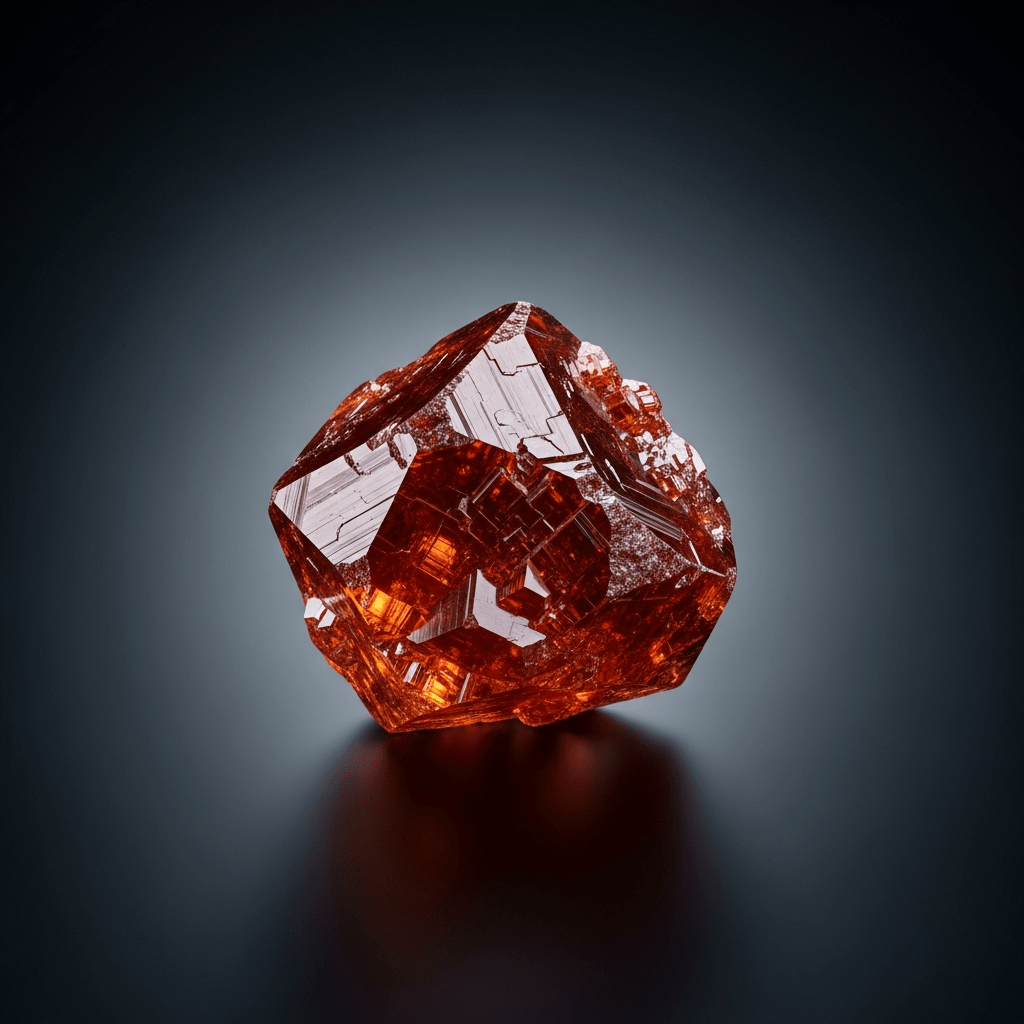
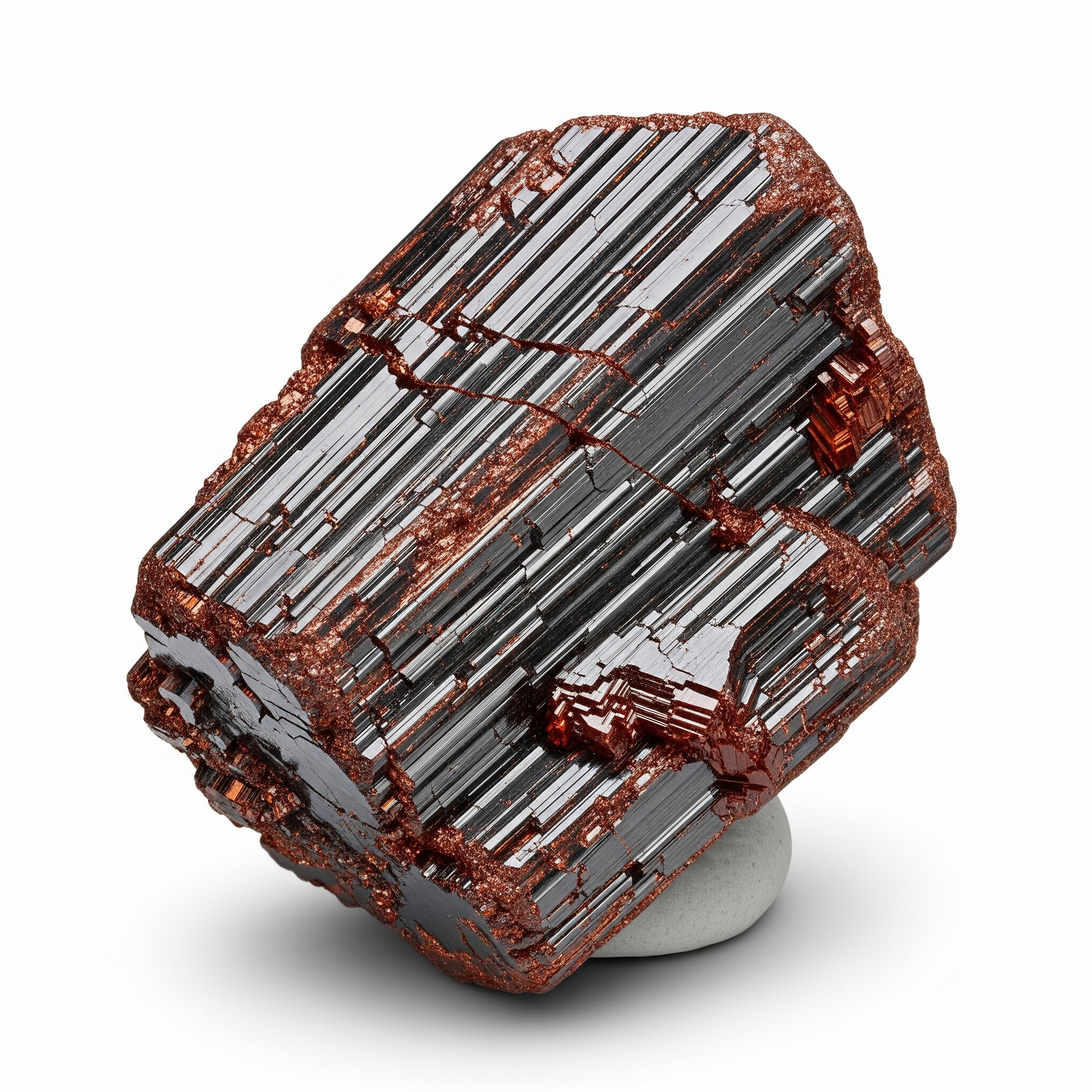
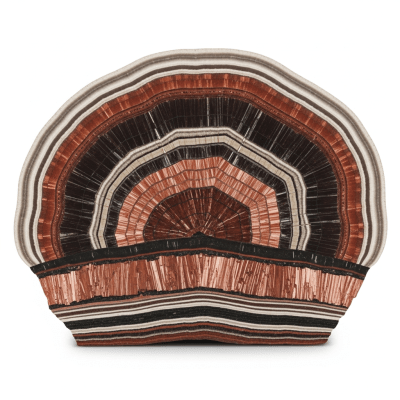
Rutile typically forms slender, prismatic crystals with distinct striations. Its color ranges from reddish-brown and black to golden-yellow and red, depending on impurities. The mineral displays an adamantine to metallic luster, sometimes appearing submetallic, and is generally opaque to translucent with a pale brown streak. Rutile’s crystals are often sharp and well-formed, making them visually striking in mineral collections.
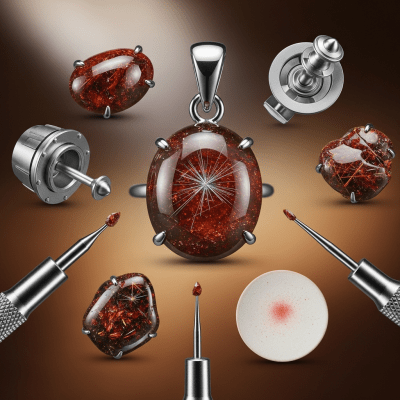
Rutile is primarily valued as the chief ore of titanium, used in the production of titanium metal, pigments, and welding electrodes. Its high refractive index makes it important for optical applications, and its inclusions in quartz—known as "rutilated quartz"—are sought after in the gemstone market. Rutile also plays a role in geochronology, helping scientists date geological events through trace element analysis.
Bring this kind into your world illustrated posters, mugs, and shirts.
Archival print, museum-grade paper
Buy Poster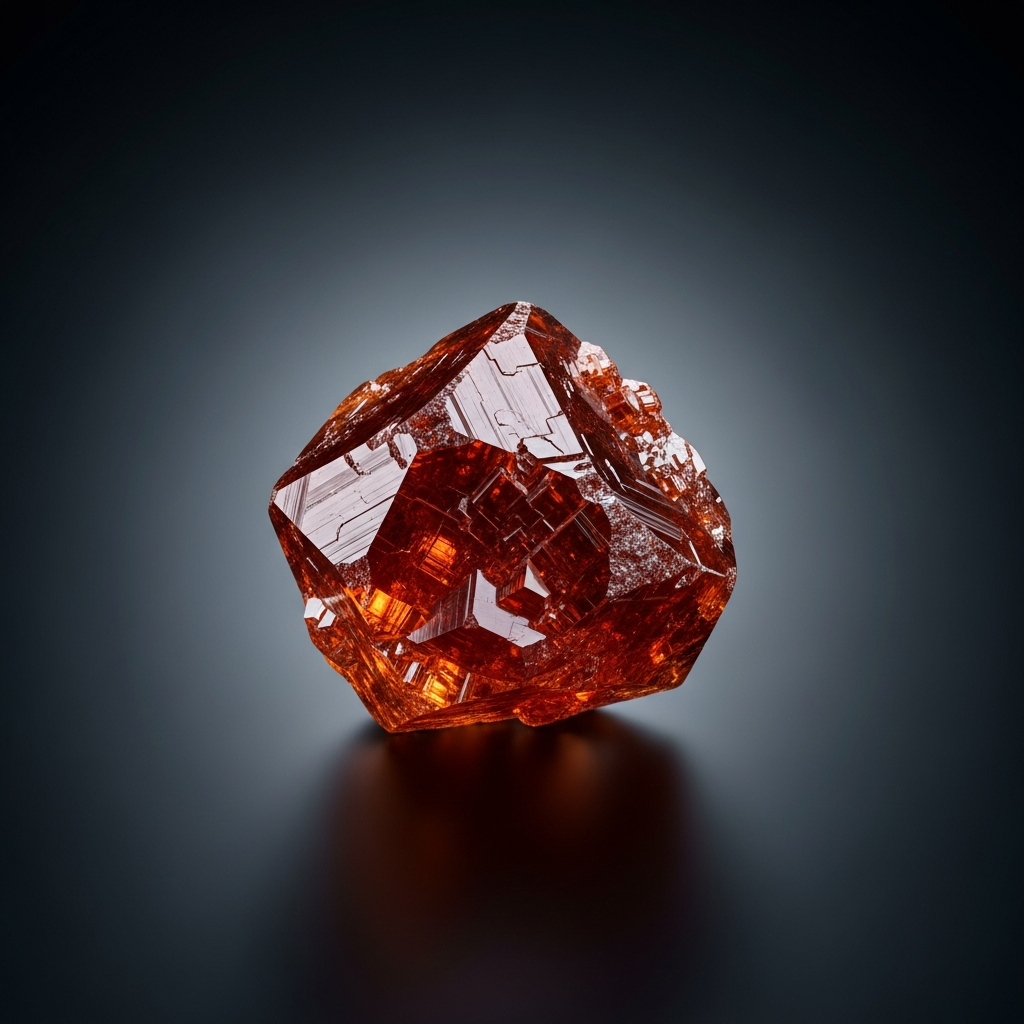
Stoneware mug, dishwasher safe
Buy Mug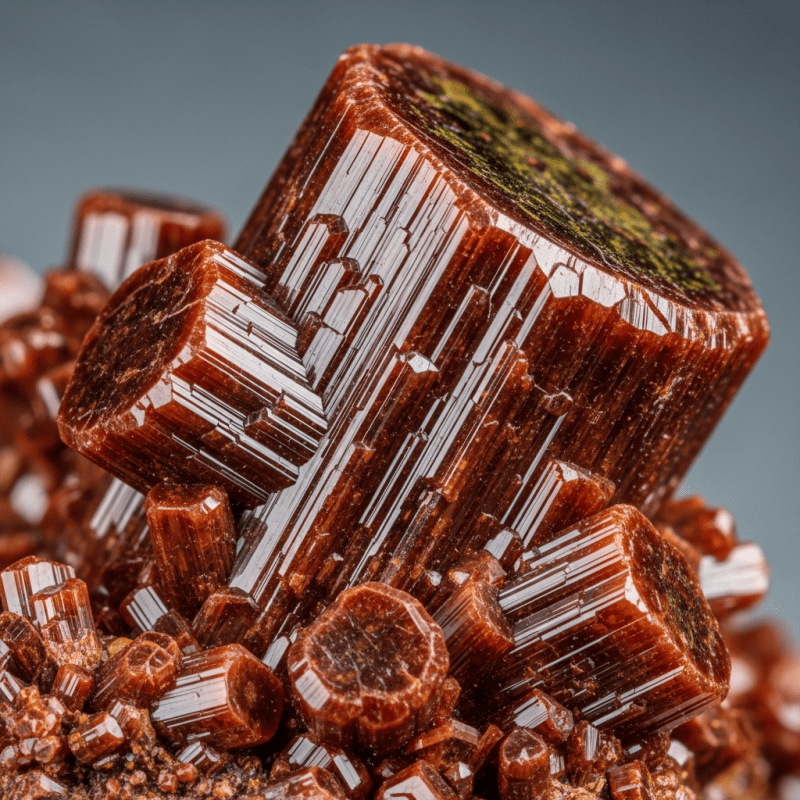
Soft cotton tee, unisex sizes
Buy ShirtWhile rutile itself is not prominent in myth or art, its inclusions in quartz crystals, referred to as "Venus hair stone," have been admired for their beauty and are sometimes associated with themes of luck and inspiration in gemstone lore. Rutile’s role in enabling the production of titanium has indirectly influenced modern technology, architecture, and design.
Rutile’s chemical formula is TiO₂, consisting of titanium and oxygen in a 1:2 ratio. This simple composition underpins its role as the principal titanium ore.
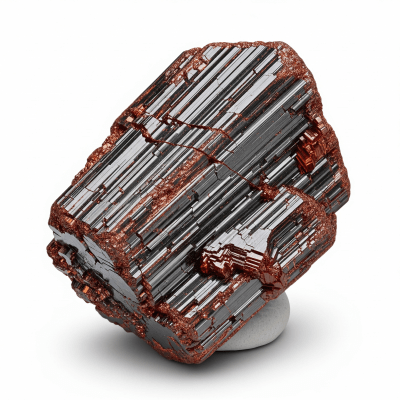

Rutile crystallizes in the tetragonal crystal system, forming slender prismatic crystals often marked by striations. Its atomic arrangement contributes to its high refractive index and distinctive luster.
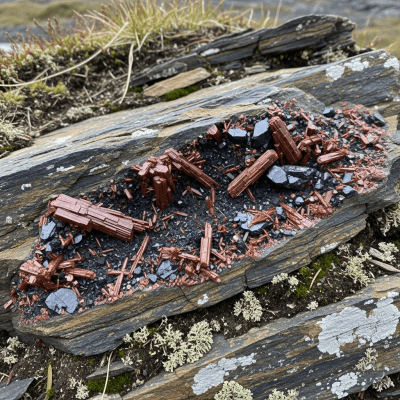
Rutile is found as an accessory mineral in igneous rocks like granite and pegmatite, metamorphic rocks such as schist and gneiss, and as detrital grains in sedimentary deposits. Notable sources include Brazil, Australia, Norway, Madagascar, and the United States (Virginia, North Carolina).
Rutile is indispensable for the extraction of titanium metal, which is used in aerospace, medical implants, and high-performance alloys. It is also a key ingredient in white pigments for paints and plastics, welding electrodes, and optical components. Rutilated quartz, featuring rutile inclusions, is popular in jewelry and decorative arts.
Rutile specimens are relatively durable but should be protected from sharp impacts that could chip their prismatic crystals. Clean gently with a soft brush and avoid harsh chemicals, as rutile is resistant to acids but can be altered by high temperatures. Store in a padded container to preserve crystal integrity.
Notable rutile specimens include large prismatic crystals from Brazil and striking rutilated quartz from Madagascar and Brazil, prized for their golden needle-like inclusions. These specimens are showcased in major mineral museums and are highly valued by collectors for their beauty and scientific interest.