Orthoclase
Orthoclase is a major potassium feldspar mineral, prized for its prevalence in granite and its vital role in both geology and industry.
Orthoclase is a major potassium feldspar mineral, prized for its prevalence in granite and its vital role in both geology and industry.
First described in 1823 by Johann Friedrich Christian Hessel, orthoclase’s name comes from the Greek words for “straight breaking,” referencing its perfect cleavage at right angles. Its recognition as an IMA-approved mineral species cemented its place in mineralogical history, and its discovery in classic European localities like the Alps and Ural Mountains contributed to its early scientific prominence.
Orthoclase belongs to the feldspar group, specifically as a potassium feldspar (K-feldspar). It is classified as a tectosilicate under both the Dana and Strunz systems, defined by its unique chemical formula and monoclinic crystal structure. Orthoclase is closely related to other feldspars such as microcline and sanidine, but is distinguished by its symmetry and formation conditions.
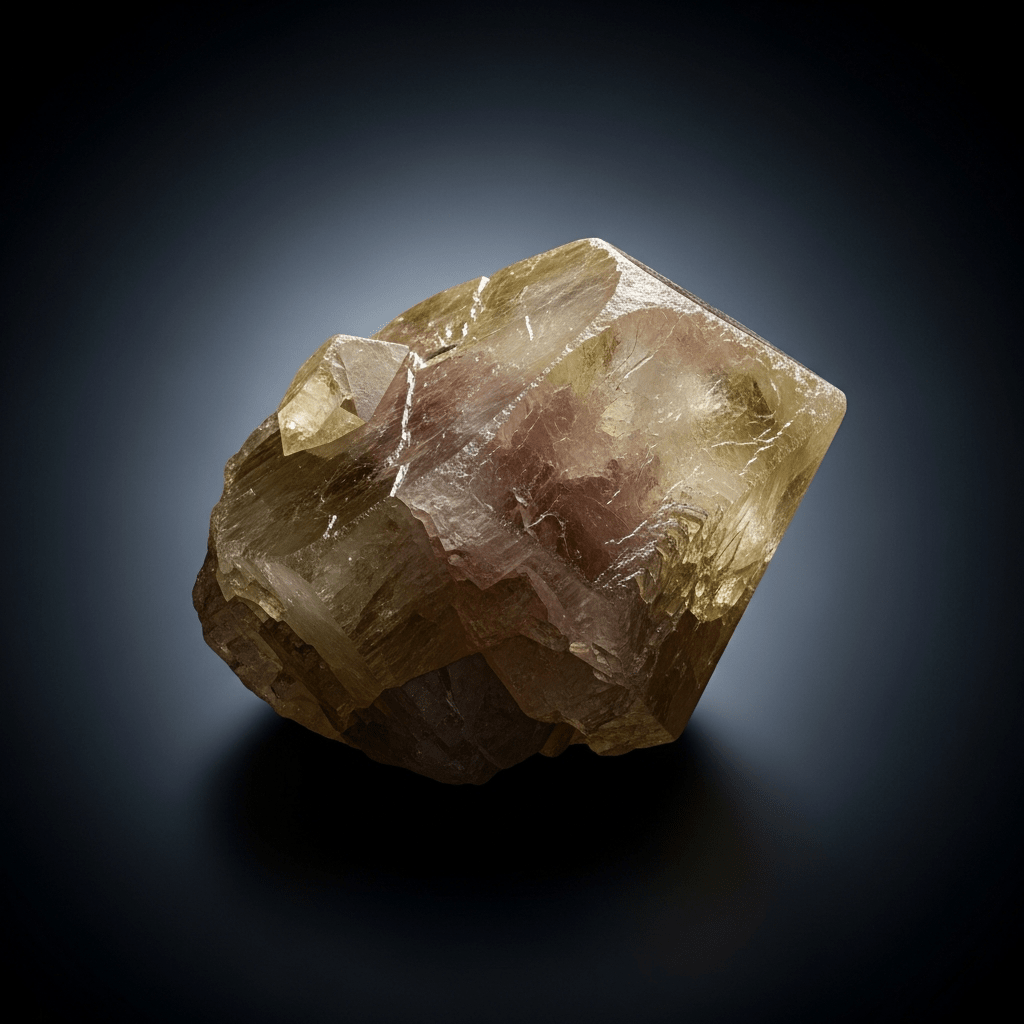
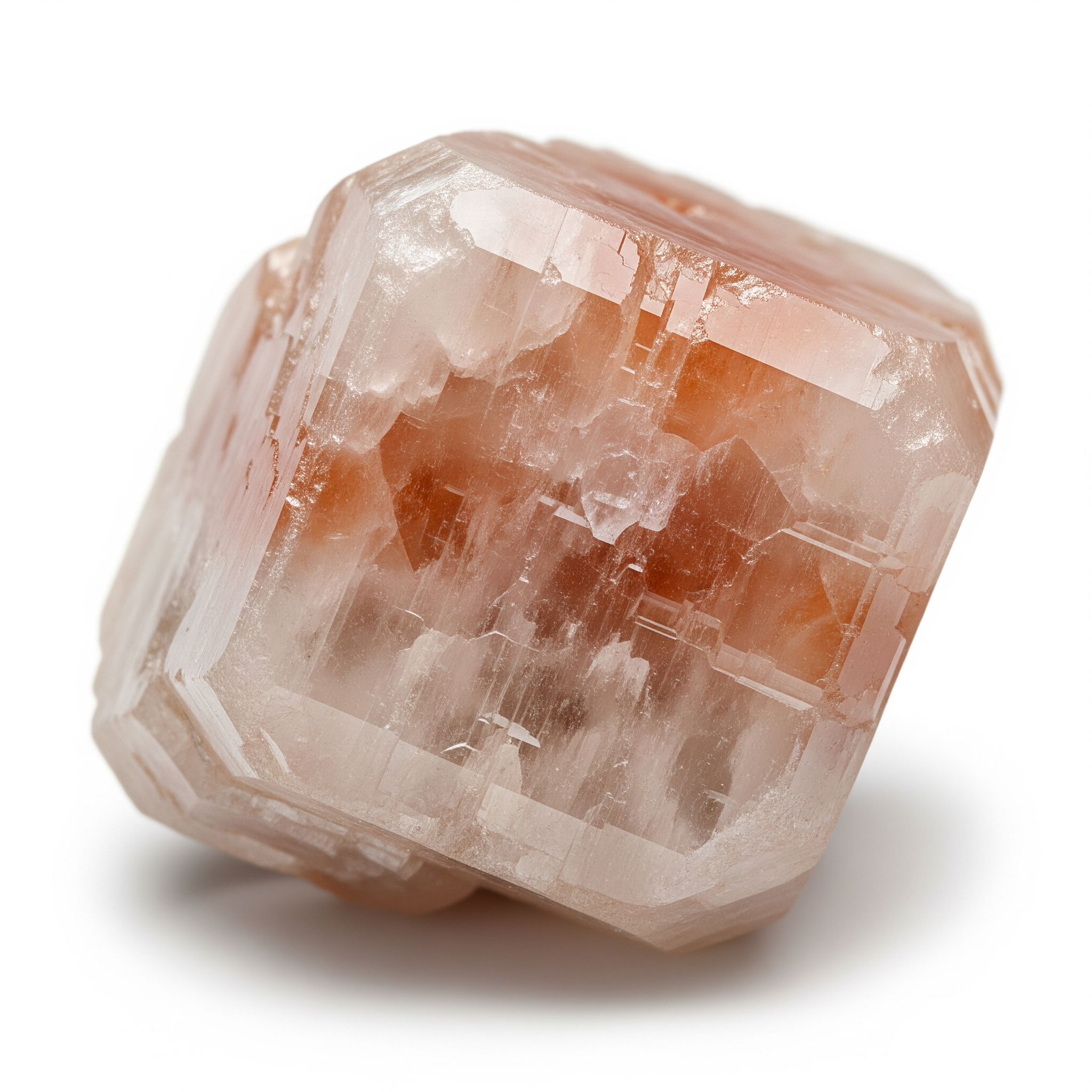
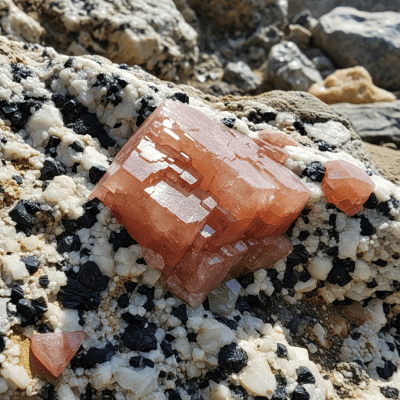
Orthoclase typically appears as blocky, prismatic crystals or massive aggregates. Its colors range from colorless and white to pale yellow, pink, greenish, or flesh-red. The mineral’s surfaces display a vitreous to pearly luster, especially on cleavage planes, and it is usually transparent to translucent. Specimens often have a smooth, glassy feel and may be embedded in granitic rock matrices.
Orthoclase is an essential rock-forming mineral, especially in granite, syenite, and pegmatite. Its durability and fluxing properties make it valuable in the manufacture of glass and ceramics, including porcelain. Gem-quality transparent orthoclase, known as moonstone, is sought after for jewelry due to its shimmering adularescence. It also serves as a minor source of potassium in soil studies and fertilizers.
Bring this kind into your world illustrated posters, mugs, and shirts.
Archival print, museum-grade paper
Buy Poster
Stoneware mug, dishwasher safe
Buy Mug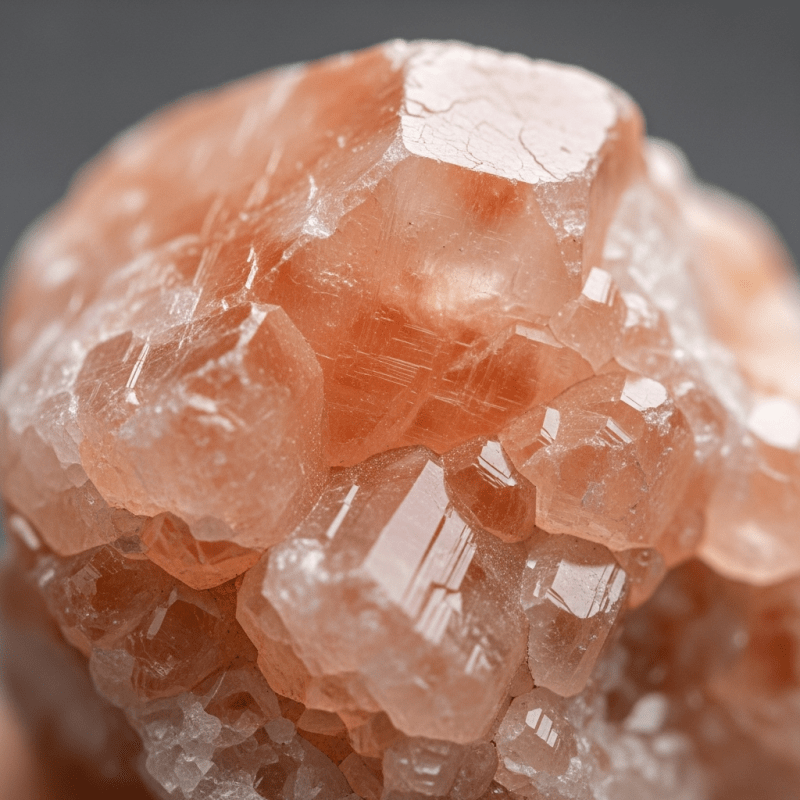
Soft cotton tee, unisex sizes
Buy ShirtWhile orthoclase itself holds limited direct cultural significance, its gem variety—moonstone—has been revered in jewelry and folklore for centuries. Moonstone is associated with mystery and romance, often featured in decorative arts and believed by some cultures to bring good fortune. Orthoclase’s role in shaping landscapes and architecture, through granite, indirectly influences art and heritage worldwide.
Orthoclase’s chemical formula is KAlSi₃O₈, making it a potassium aluminum silicate. Its structure features potassium (K), aluminum (Al), silicon (Si), and oxygen (O) atoms arranged in a three-dimensional framework.
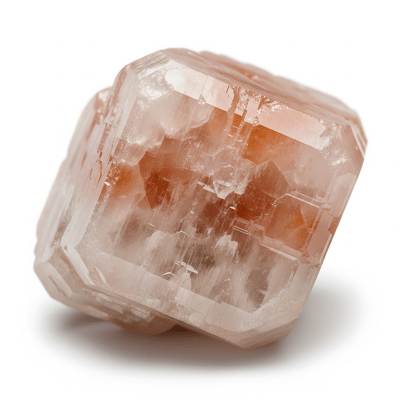
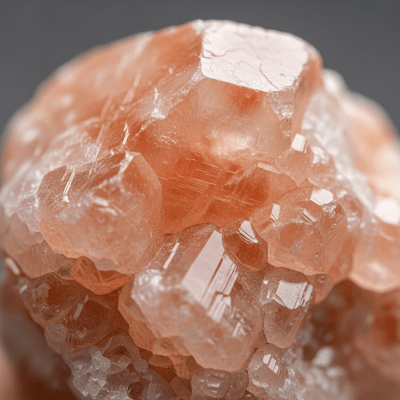

Orthoclase crystallizes in the monoclinic crystal system, forming prismatic crystals with two prominent cleavage directions at nearly 90°. Its atomic arrangement is highly ordered, distinguishing it from polymorphs like microcline and sanidine.
Orthoclase is widespread in felsic igneous rocks such as granite, syenite, and pegmatite, and also occurs in metamorphic rocks like gneiss and schist. Major localities include Baveno (Italy), Strzegom (Poland), Minas Gerais (Brazil), Madagascar, the Ural Mountains (Russia), and several regions in the United States. Its presence is a hallmark of continental crust and mountain-building environments.
Notable orthoclase specimens include large, pale pink crystals from the Alps and Ural Mountains, as well as moonstone gems from Sri Lanka and Madagascar renowned for their adularescence. Classic museum pieces often feature orthoclase embedded in granite, highlighting its geological significance.