Plagioclase
Plagioclase is a key mineral series within the feldspar group, forming a continuous solid solution between sodium-rich albite and calcium-rich anorthite, and serving as a fundamental building block of Earth's crustal rocks.
Plagioclase is a key mineral series within the feldspar group, forming a continuous solid solution between sodium-rich albite and calcium-rich anorthite, and serving as a fundamental building block of Earth's crustal rocks.
The name "plagioclase" was coined in 1826 by August Breithaupt, drawing from Greek roots meaning "oblique fracture"—a nod to its distinctive cleavage angles. The mineral series was formally classified in the 19th century, with its principal members recognized by mineralogists earlier. Today, plagioclase is acknowledged by the International Mineralogical Association (IMA) as a mineral series, not a single species, encompassing several endmembers and intermediate varieties defined by their sodium and calcium content.
Plagioclase belongs to the feldspar group, specifically the tectosilicate subclass. It is classified as a series of minerals, ranging from albite (sodium-rich) to anorthite (calcium-rich), with intermediate members such as oligoclase, andesine, labradorite, and bytownite. According to the Dana system, it falls under 76.1.3, and in the Strunz classification, it is 9.FA.35. Its solid solution nature distinguishes plagioclase from other feldspars, making it a vital reference point in mineralogical taxonomy.
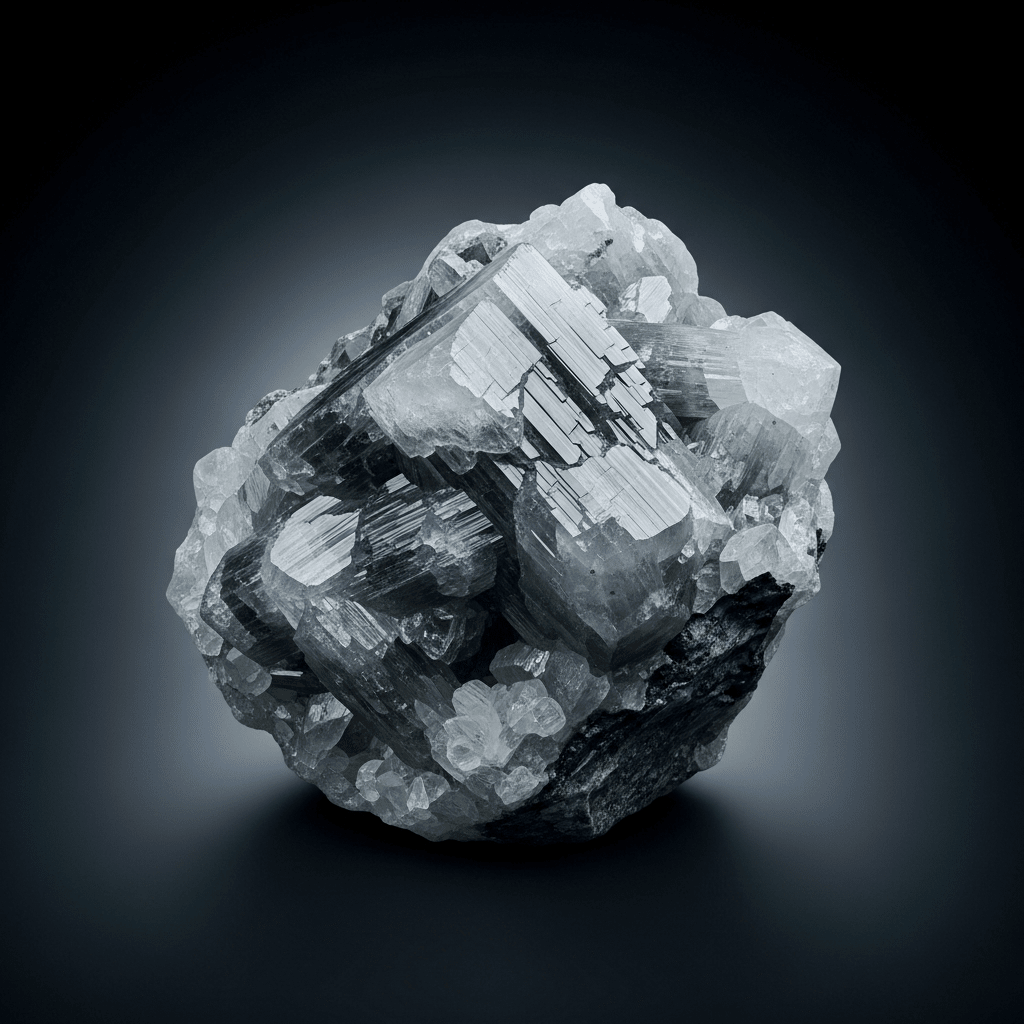
Plagioclase typically appears as white, gray, or colorless crystals, often displaying a vitreous to pearly luster on cleavage surfaces. Its most recognizable feature is the presence of fine striations—parallel lines caused by polysynthetic twinning—on crystal faces. Some varieties, notably labradorite, exhibit striking iridescent colors known as labradorescence. The mineral is transparent to translucent and commonly forms tabular or blocky crystals with perfect and good cleavage intersecting at nearly right angles, though slightly oblique.
Plagioclase is essential in the formation of igneous and metamorphic rocks, influencing their texture and mineralogy. While not widely used as a standalone industrial mineral, its albite variety is valued in ceramics and glassmaking. Labradorite, a plagioclase variety, is sought after in jewelry for its iridescent play-of-color. In geological contexts, plagioclase’s behavior—such as its resistance to weathering and tendency to alter to clay minerals—affects soil formation and rock durability.
Bring this kind into your world illustrated posters, mugs, and shirts.
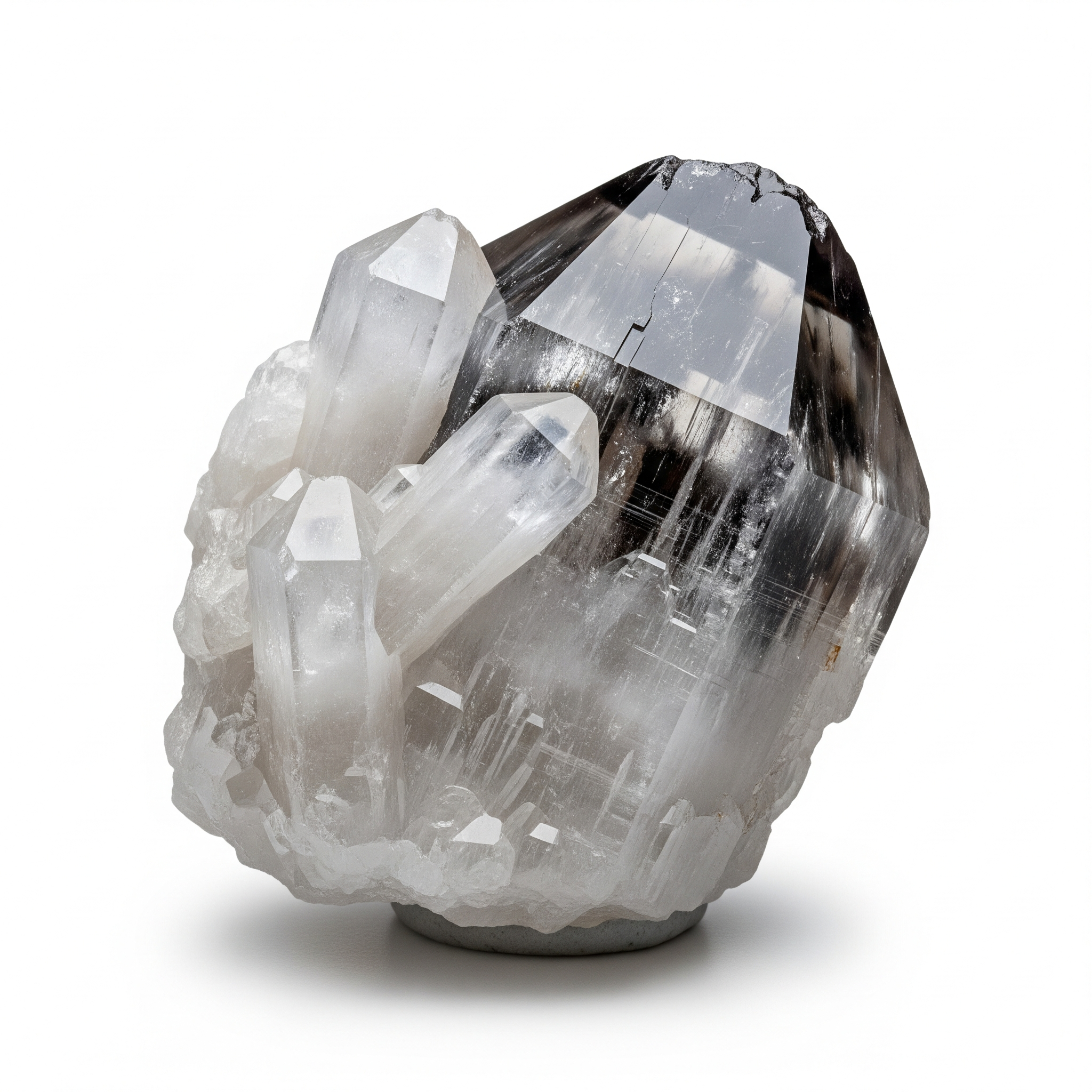
Archival print, museum-grade paper
Buy Poster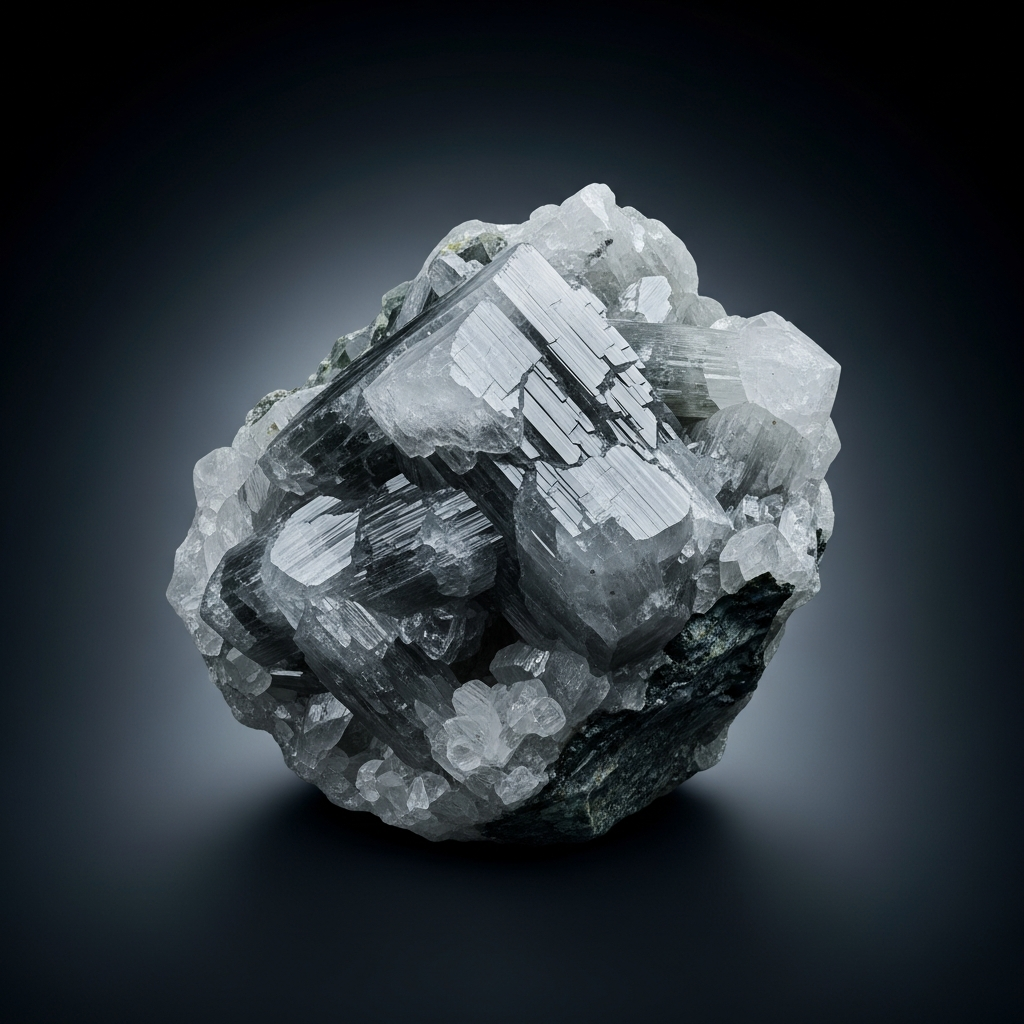
Stoneware mug, dishwasher safe
Buy Mug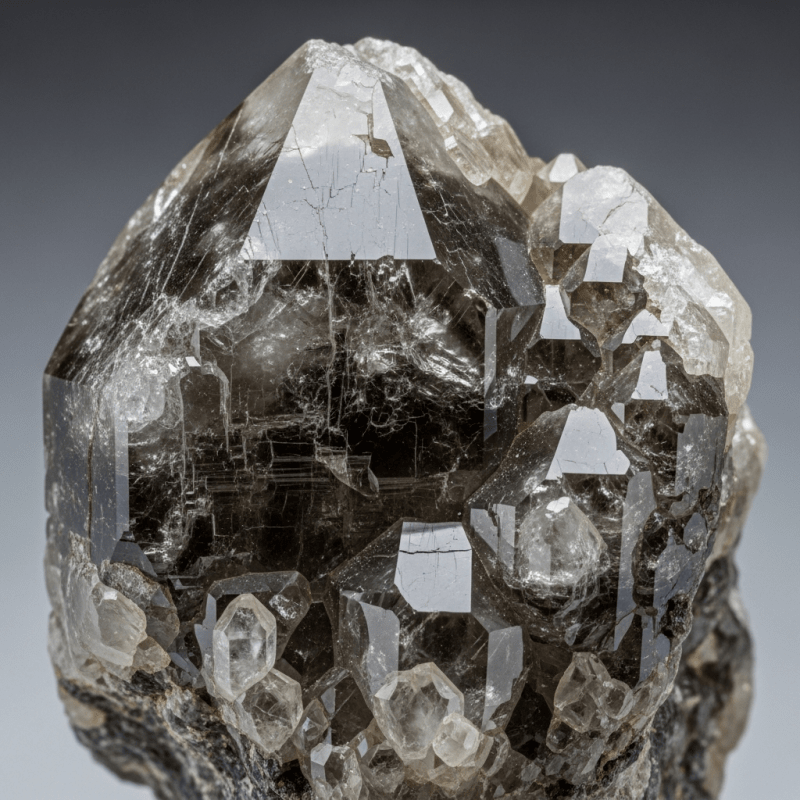
Soft cotton tee, unisex sizes
Buy ShirtLabradorite, a variety of plagioclase, holds a special place in decorative arts and jewelry, admired for its mesmerizing optical effects. While plagioclase itself is less prominent in myth or folklore, its gemstone varieties have inspired artisans and collectors worldwide, with labradorite often associated with mystical or protective properties in modern culture.
Plagioclase is defined by the general chemical formula (Na,Ca)(Si,Al)4O8, representing a solid solution between sodium-rich albite (NaAlSi3O8) and calcium-rich anorthite (CaAl2Si2O8). Its composition varies continuously along this spectrum, with intermediate members distinguished by their sodium-calcium ratio.

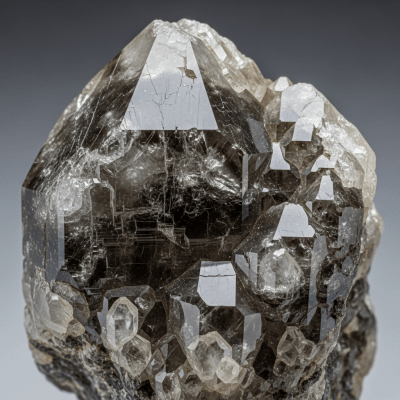
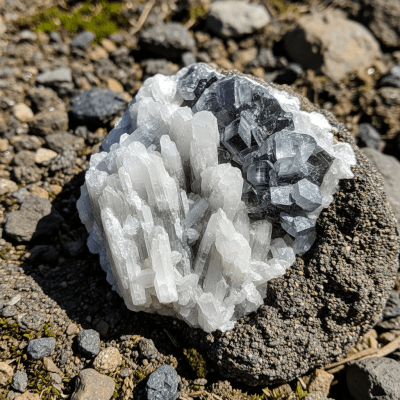


Plagioclase crystallizes in the triclinic crystal system, characterized by three unequal axes all intersecting at oblique angles. The structure features a framework of interconnected silicon and aluminum tetrahedra, with sodium and calcium ions occupying specific sites. Polysynthetic (albite) and pericline twinning are common, often producing visible striations on crystal surfaces.
Plagioclase is a ubiquitous mineral in Earth's crust, forming a major constituent of igneous rocks such as basalt, gabbro, diorite, and andesite, as well as metamorphic rocks like schist and gneiss. It also appears in sedimentary rocks as detrital grains, reflecting its resilience and abundance. Its presence and composition are key indicators in petrological studies, helping geologists interpret rock origins and histories.
These varieties represent the full sodium-to-calcium spectrum of the plagioclase series. Regional or historical synonyms may include "moonstone" (occasionally for adularescent plagioclase) and "sunstone" (for aventurescent oligoclase or labradorite).
Plagioclase is valued as a raw material in ceramics and glassmaking, especially its albite variety, which contributes to glaze and body formulations. As a dimension stone, it is used in construction and architectural applications. Labradorite, with its iridescent colors, is prized in the gemstone market for jewelry and ornamental objects.
Store plagioclase specimens in a dry environment to prevent alteration to clay minerals. Clean gently with a soft brush and water; avoid harsh chemicals that could damage the surface or luster. Handle labradorite and other gem varieties with care to preserve their optical effects and prevent scratching.
Notable plagioclase specimens include labradorite from Labrador, Canada, renowned for its spectacular labradorescence, and large anorthite crystals from the Stillwater Complex in Montana, USA. Moonstone, sometimes attributed to plagioclase, has been featured in historical jewelry collections, though true moonstone is typically orthoclase.