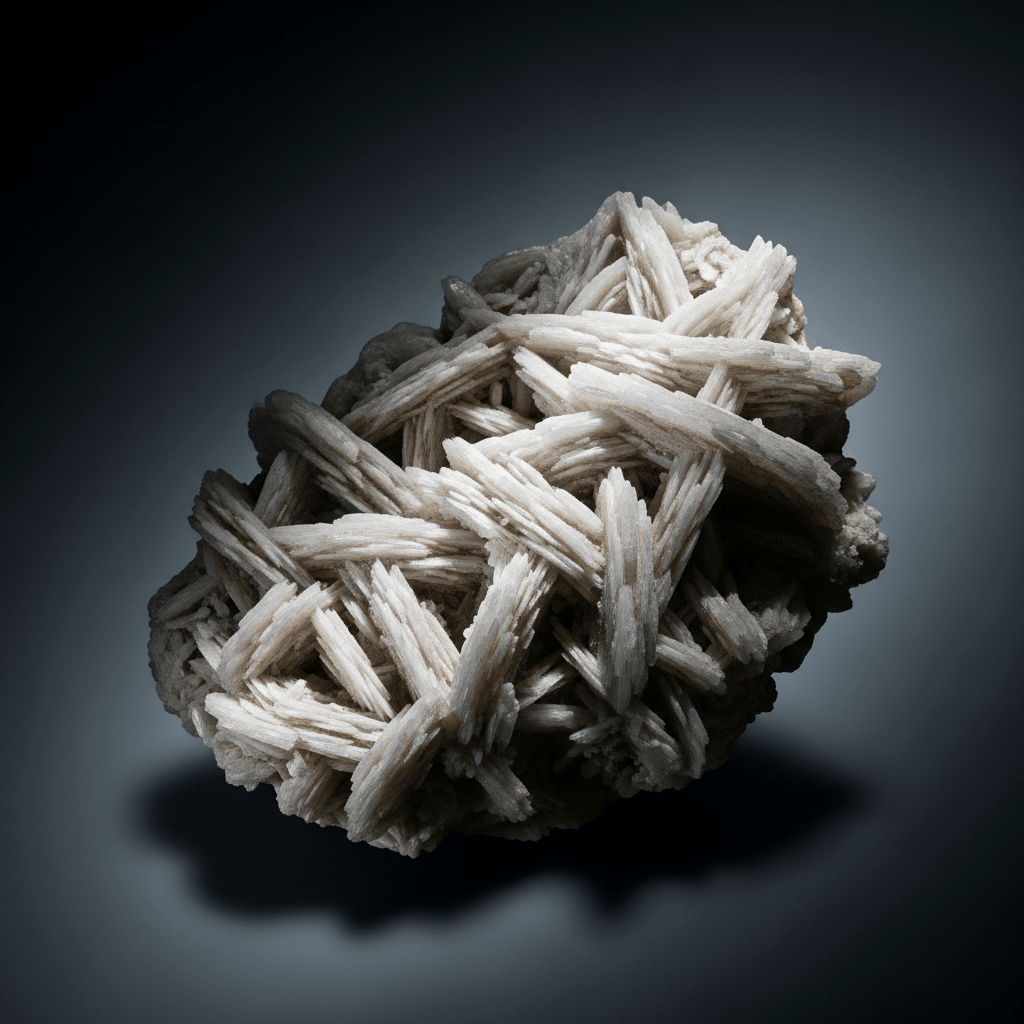
Kaolinite
Kaolinite is a soft, white clay mineral renowned for its layered structure, gentle texture, and essential role in ceramics, paper, and many industrial products.
Kaolinite is a soft, white clay mineral renowned for its layered structure, gentle texture, and essential role in ceramics, paper, and many industrial products.
Kaolinite’s name traces back to "Kaoling" (Gaoling), a hill in Jiangxi Province, China, where it was historically mined for porcelain. Although its use in Chinese ceramics dates back centuries, kaolinite was formally described as a mineral species in 1867. Today, it is recognized by the International Mineralogical Association and remains a cornerstone of both ancient craft and modern industry.
Kaolinite belongs to the phyllosilicate class of minerals, specifically within the kaolinite-serpentine group. Its structure and chemistry place it among the sheet silicates, characterized by layers of silicon-oxygen tetrahedra. According to the Dana system, it is classified as 71.01.01.01, and under the Strunz system as 9.EA.05.
Kaolinite typically appears as a fine, white to off-white powder or compact earthy masses. Its crystals are microscopic and platy, rarely visible without magnification. The mineral’s texture is soft and smooth, and its luster ranges from dull or earthy to pearly on cleavage surfaces. Impurities can tint kaolinite yellow, brown, or gray, but its streak remains consistently white.
Kaolinite is prized for its chemical stability and softness, making it easy to shape and process. It interacts gently with water, remaining insoluble, and resists weathering in soils and rocks. Its fine particle size and purity are essential for producing porcelain, glossy paper coatings, and smooth cosmetics. In industry, kaolinite’s inertness and gentle abrasiveness are leveraged in pharmaceuticals and toothpaste.
Bring this kind into your world illustrated posters, mugs, and shirts.
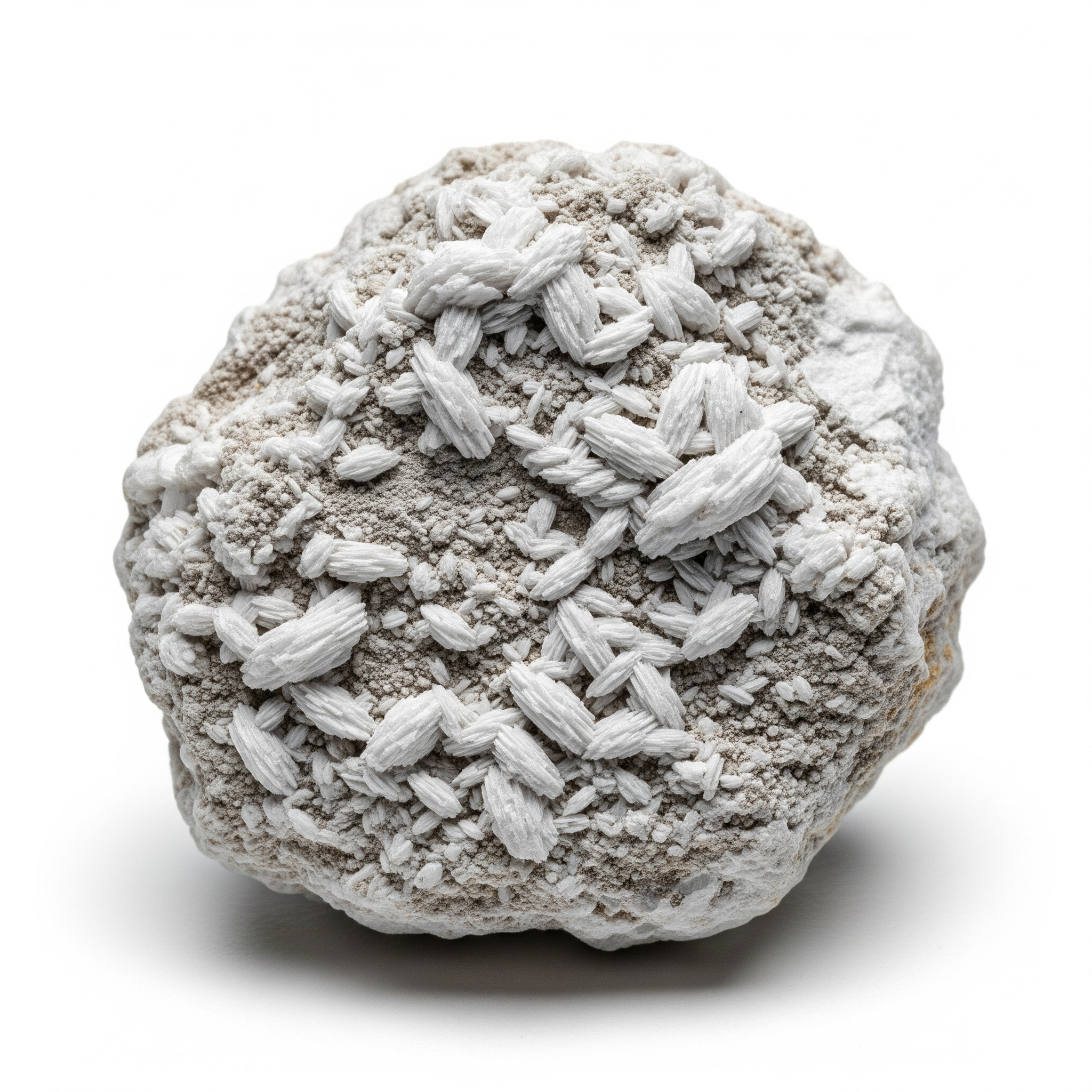
Archival print, museum-grade paper
Buy Poster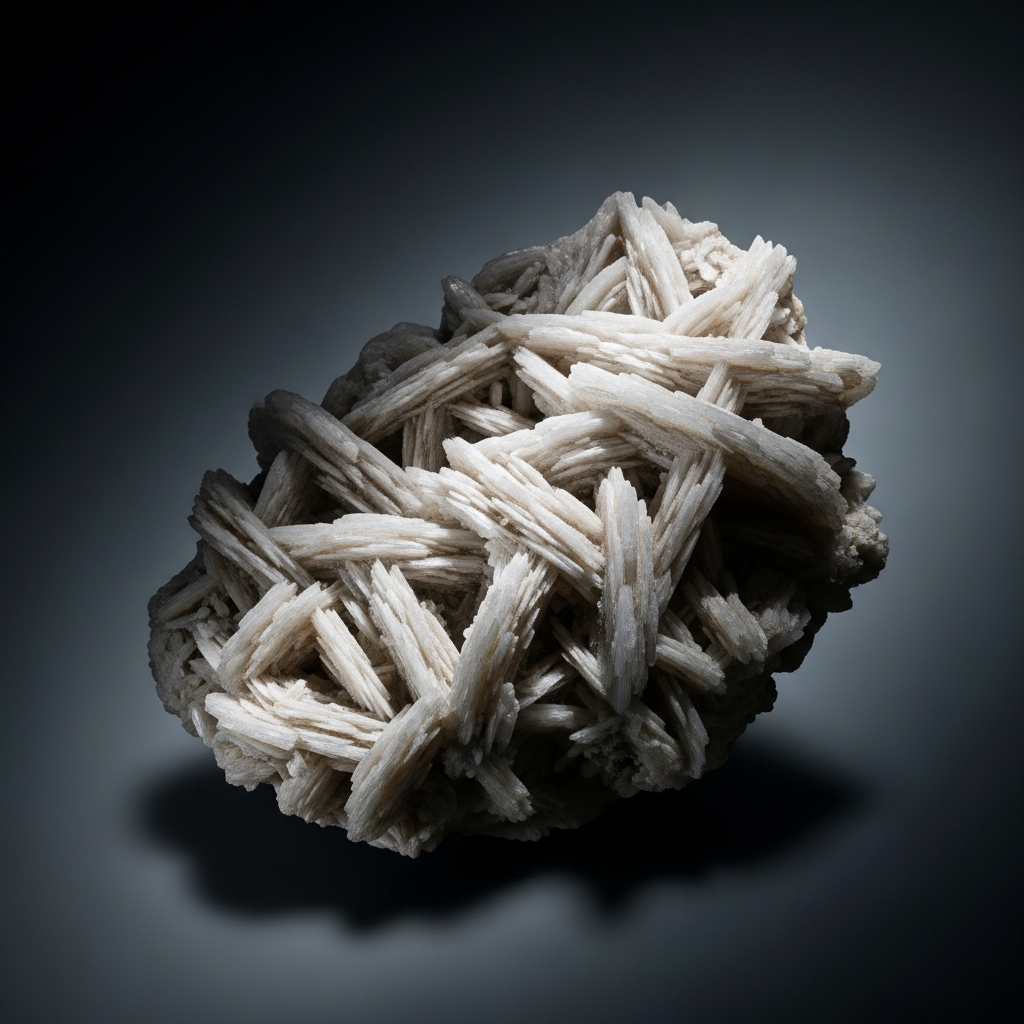
Stoneware mug, dishwasher safe
Buy Mug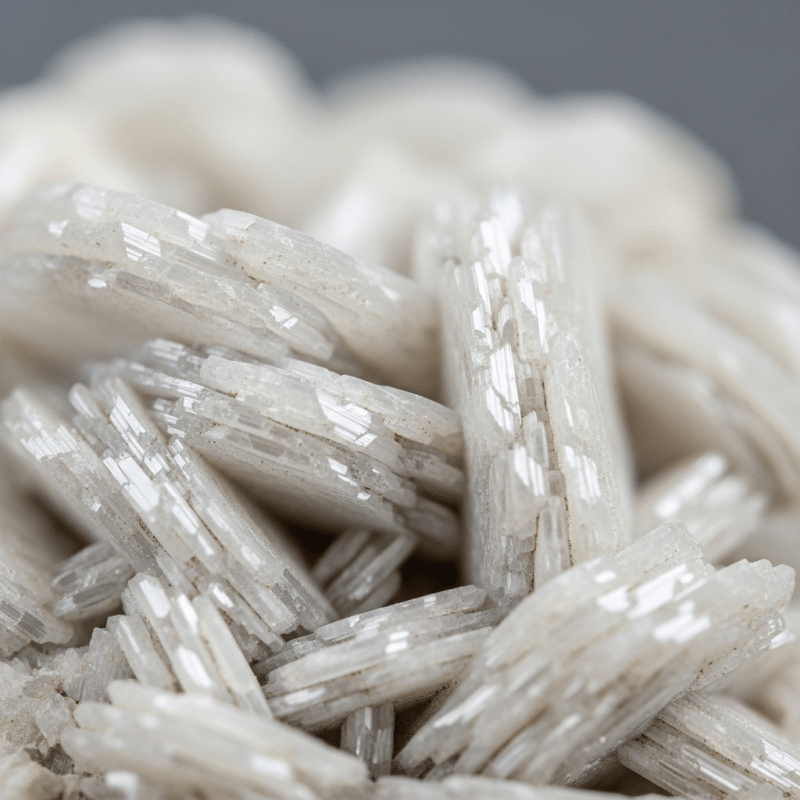
Soft cotton tee, unisex sizes
Buy ShirtKaolinite holds a special place in cultural history as the mineral behind Chinese porcelain, a craft that shaped global trade and aesthetics. Its legacy continues in art, design, and everyday objects, from fine ceramics to the paper we write on. The mineral’s name and heritage are deeply woven into the story of human creativity and technological advancement.
Kaolinite’s chemical formula is Al₂Si₂O₅(OH)₄, indicating it is composed of aluminum, silicon, oxygen, and hydroxyl groups. This precise composition underpins its stability and utility across many industries.
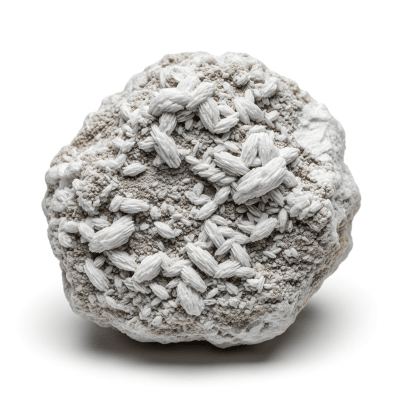
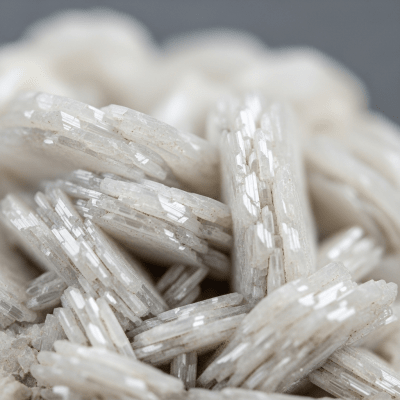
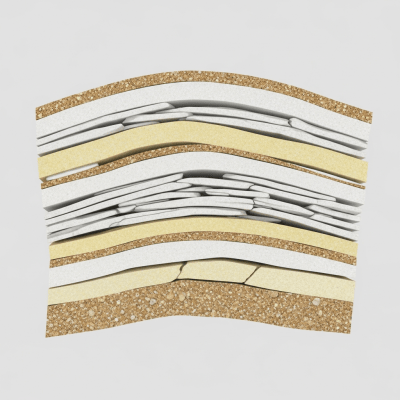
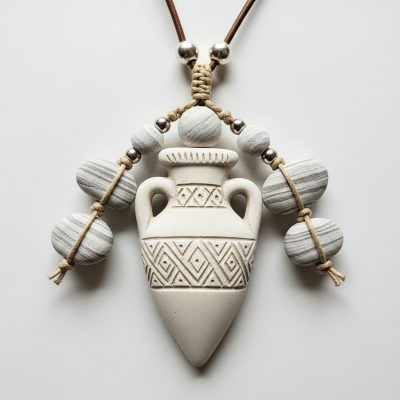
Kaolinite crystallizes in the triclinic system, forming microscopic, platy crystals arranged in layered sheets. This sheet-like structure is responsible for its perfect cleavage and soft, powdery texture.
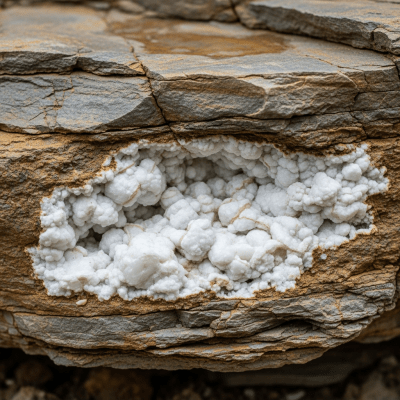
Kaolinite is primarily found in sedimentary rocks formed by the chemical weathering of feldspar-rich rocks such as granite. It is the major constituent of kaolin clay deposits and is often associated with other clay minerals like illite and montmorillonite. Significant deposits are located in Georgia (USA), Cornwall (UK), and Jiangxi (China).
Historically significant kaolinite samples come from the original Kaoling (Gaoling) hill in Jiangxi, China, famed for porcelain production. Notable deposits in Georgia (USA) and Cornwall (UK) have shaped both local economies and global ceramics industries. These localities are celebrated for their purity and historical impact.