Aragonite
Aragonite is a naturally occurring carbonate mineral, recognized for its orthorhombic crystal structure and its role as a major polymorph of calcium carbonate (CaCO₃) in both geological and biological environments.
Aragonite is a naturally occurring carbonate mineral, recognized for its orthorhombic crystal structure and its role as a major polymorph of calcium carbonate (CaCO₃) in both geological and biological environments.
Aragonite was first described in 1797 by Abraham Gottlob Werner, who named it after the region of Molina de Aragón in Spain where it was initially discovered. Its identification as a distinct mineral species is affirmed by the International Mineralogical Association (IMA), marking its significance in mineralogical history and classification.
Belonging to the carbonate mineral group, aragonite is classified as a calcium carbonate polymorph alongside calcite and vaterite. It is organized under the Dana code 16a.1.1.2 and Strunz code 5.AB.15, and is defined by its unique orthorhombic crystal system, setting it apart from other forms of CaCO₃.
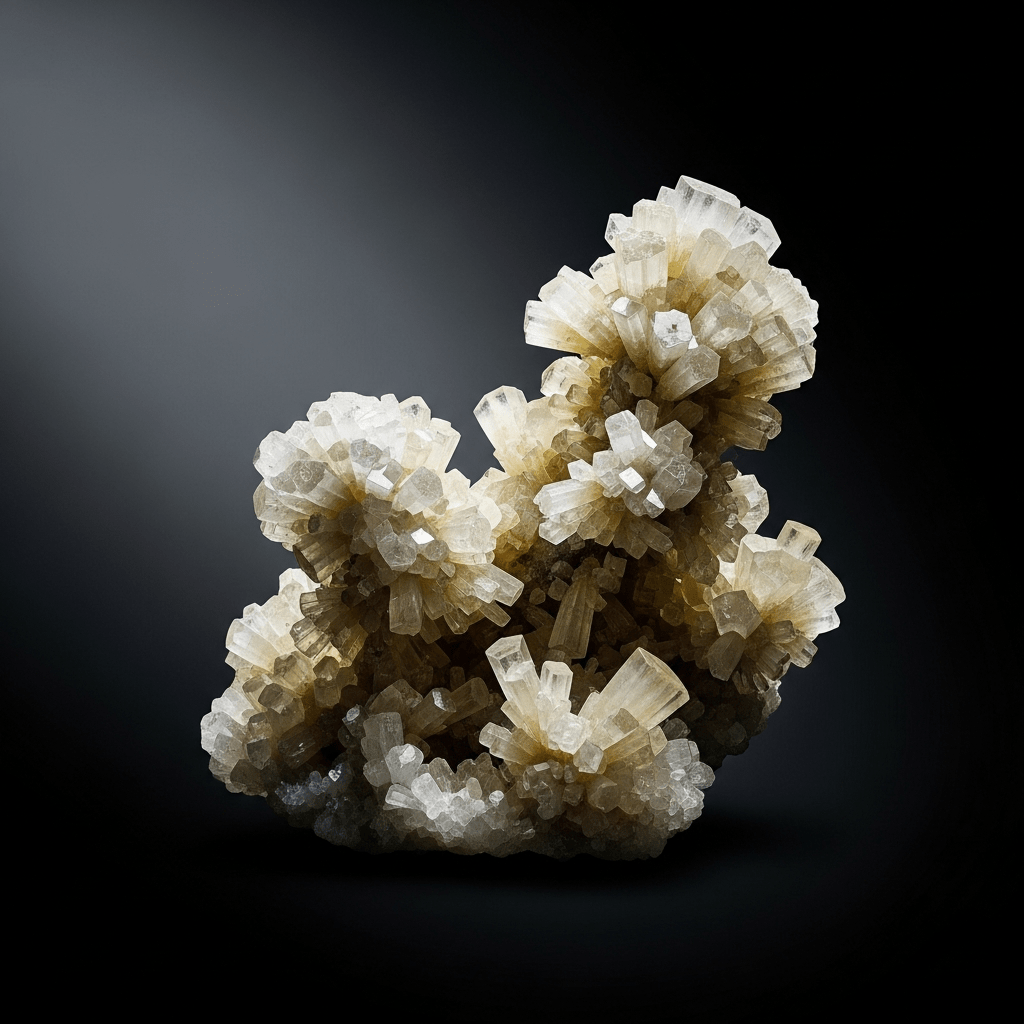
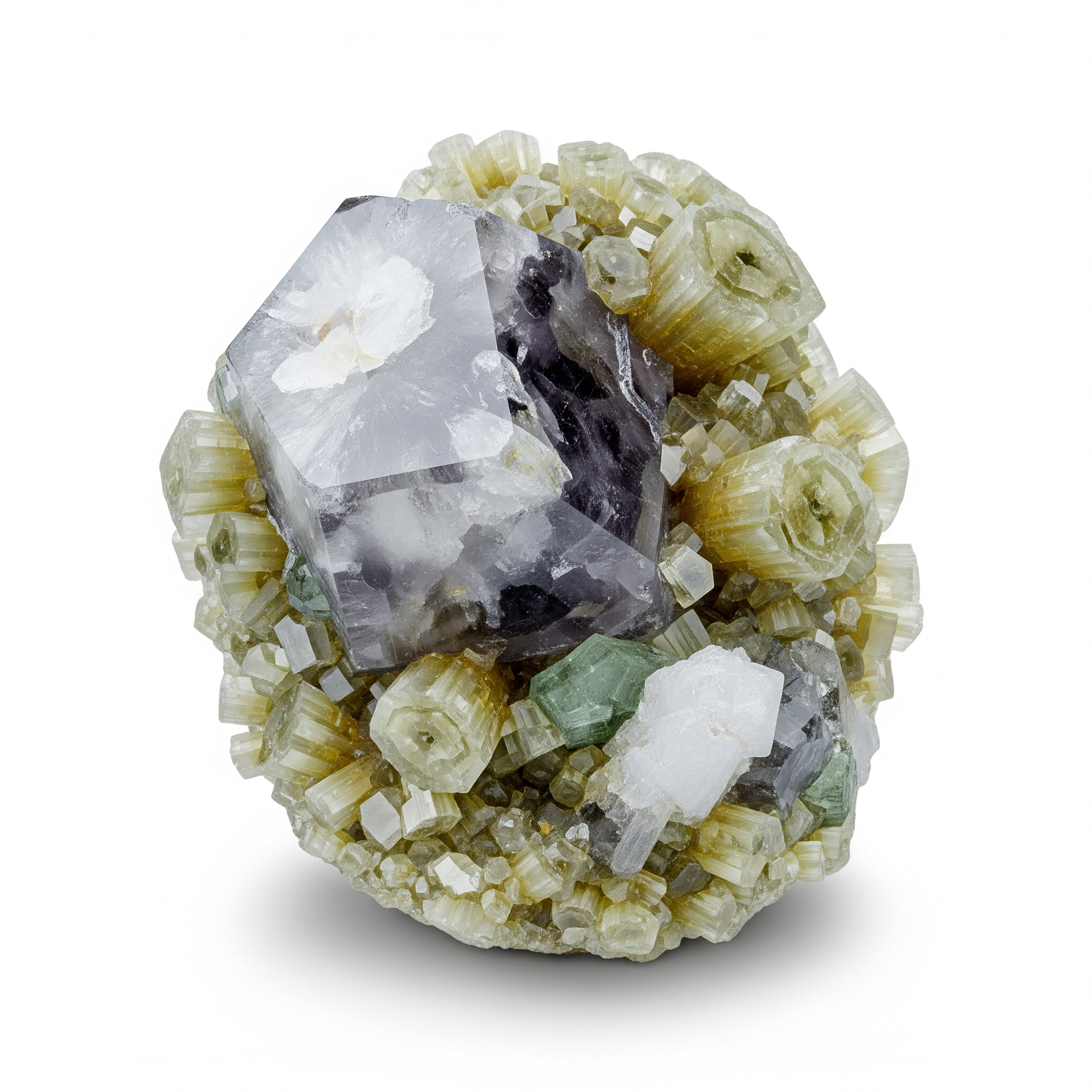
Aragonite typically appears as acicular (needle-like), columnar, or fibrous crystals, and can also form stalactitic, radiating, or massive aggregates. Its color ranges from colorless to white, but may display yellow, green, blue, or brown hues due to impurities. The mineral's luster is vitreous to resinous, and specimens are often transparent to translucent, with a brittle, subconchoidal fracture.
Aragonite plays a vital role in both natural and human contexts. In nature, it forms the shells and skeletons of many marine organisms, such as mollusks and corals, and is found in cave deposits and hot springs. For humans, aragonite is used as a soil conditioner, an aquarium pH buffer, and as a source of calcium. Its softness and brittleness limit its use as a gemstone, but its unique crystal forms make it a favorite among collectors.
Bring this kind into your world illustrated posters, mugs, and shirts.
Archival print, museum-grade paper
Buy Poster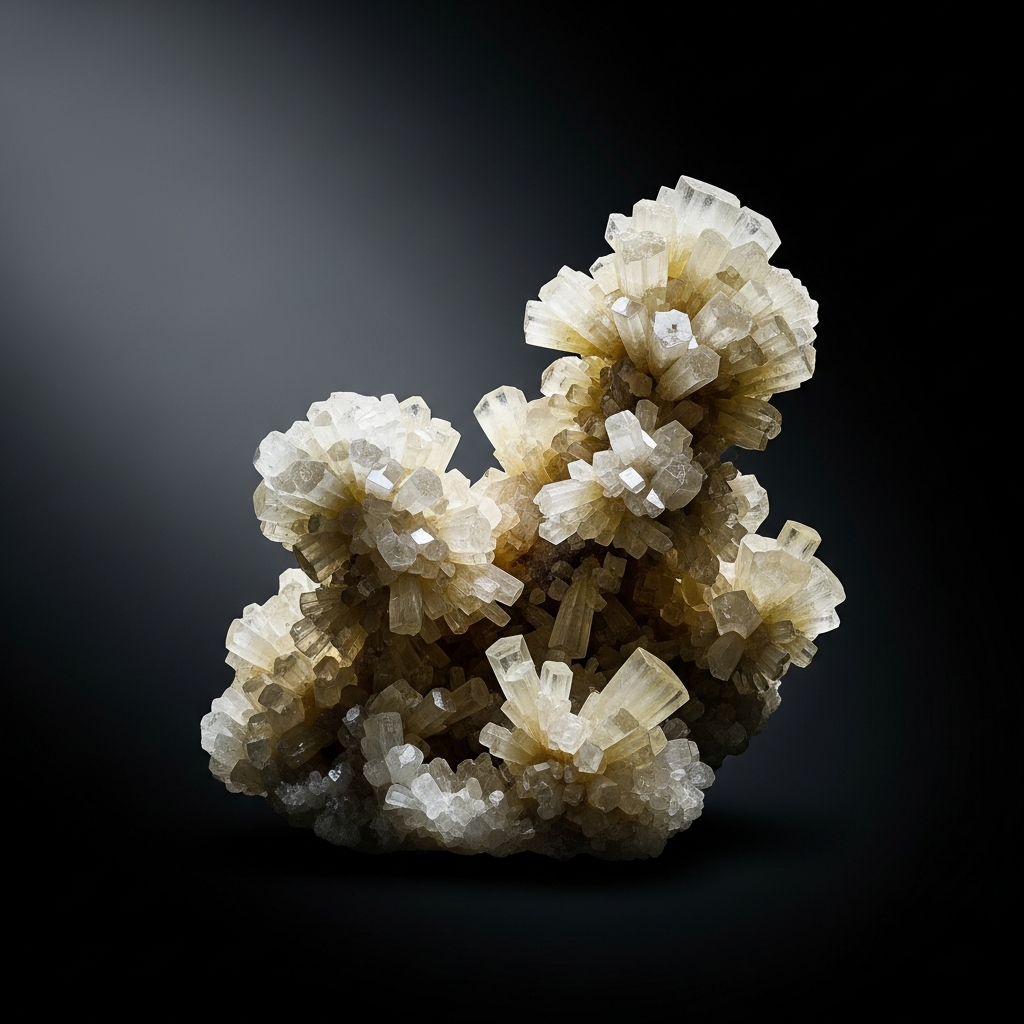
Stoneware mug, dishwasher safe
Buy Mug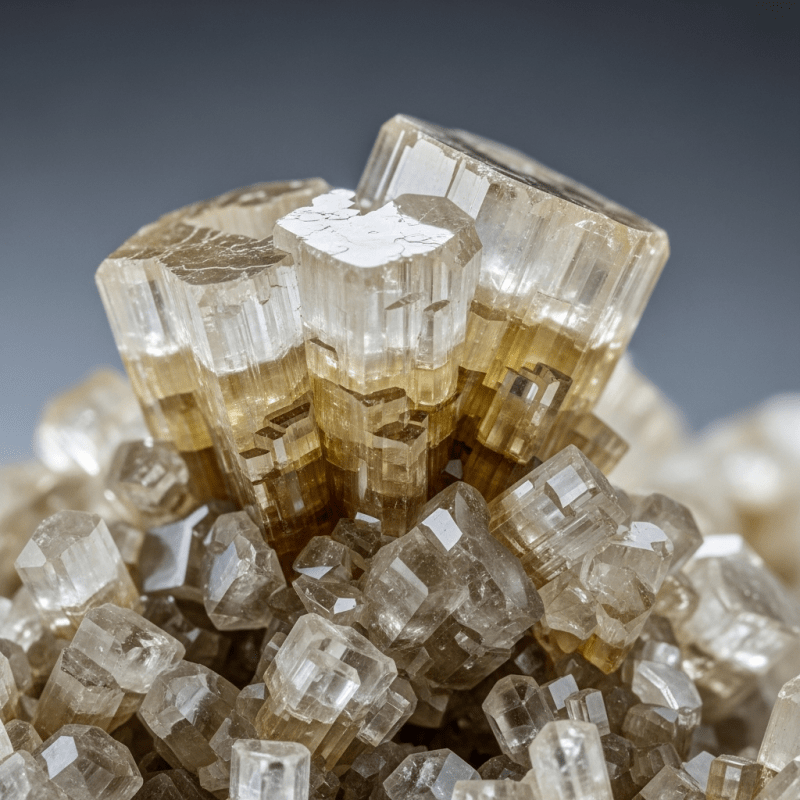
Soft cotton tee, unisex sizes
Buy ShirtWhile aragonite is not widely featured in myth or art, its striking needle-like and coral-like formations—especially those known as "flos ferri"—have captivated mineral enthusiasts and collectors. Its presence in marine shells and cave decorations lends it a quiet but enduring role in natural history exhibits and educational settings.
Aragonite's chemical formula is CaCO₃, composed of calcium, carbon, and oxygen. It is a pure carbonate mineral, though impurities may impart various colors.

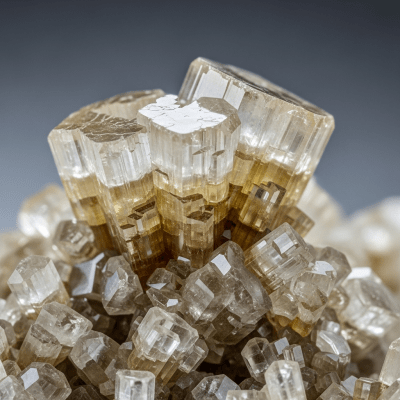
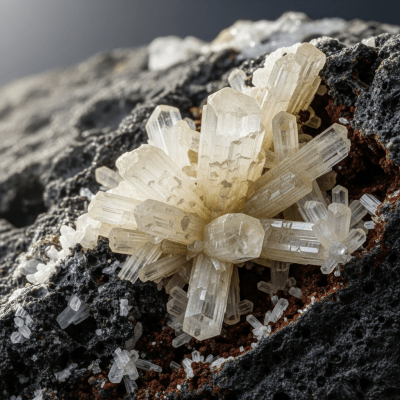


Aragonite crystallizes in the orthorhombic system, forming elongated, needle-like or columnar crystals. Its atomic arrangement distinguishes it from other calcium carbonate polymorphs, contributing to its unique physical properties and appearance.
Aragonite is abundant in marine settings, forming the shells and skeletons of mollusks and corals. It also appears in freshwater deposits, cave formations (stalactites and stalagmites), and hot springs. Prominent localities include Molina de Aragón in Spain, the Bahamas, and Carlsbad Caverns in the USA. It is commonly associated with limestones and sedimentary carbonates.
Aragonite is utilized as a soil conditioner to improve calcium content, in aquariums to buffer water pH, and as a raw material for calcium extraction. Its softness and brittleness limit its use in jewelry, but it is valued in scientific and educational contexts for its distinctive crystal habits.
Notable aragonite specimens include the original finds from Molina de Aragón, Spain, and the spectacular "flos ferri" cave formations prized by collectors. The Bahamas and Carlsbad Caverns in the USA are also renowned for their impressive aragonite deposits and formations.