
Cassiterite
Cassiterite is a dense tin oxide mineral (SnO₂) and the world’s primary source of tin, renowned for its adamantine luster and vital role in metallurgy.
Cassiterite is a dense tin oxide mineral (SnO₂) and the world’s primary source of tin, renowned for its adamantine luster and vital role in metallurgy.
Cassiterite’s history traces back to the Bronze Age, when its tin content was first extracted for alloying with copper. Formally described in 1832 by François Sulpice Beudant, its name comes from the Greek kassiteros, meaning tin. Ancient civilizations valued cassiterite for its transformative impact on metalworking, and it remains an IMA-approved mineral species.
Cassiterite belongs to the oxide mineral group, defined by its tin oxide composition. It is classified under Dana code 04.DB.05 and Strunz code 4.DB.05, placing it among simple oxides with a tetragonal crystal system. Its unique combination of chemistry and structure distinguishes it within the broader mineral taxonomy.
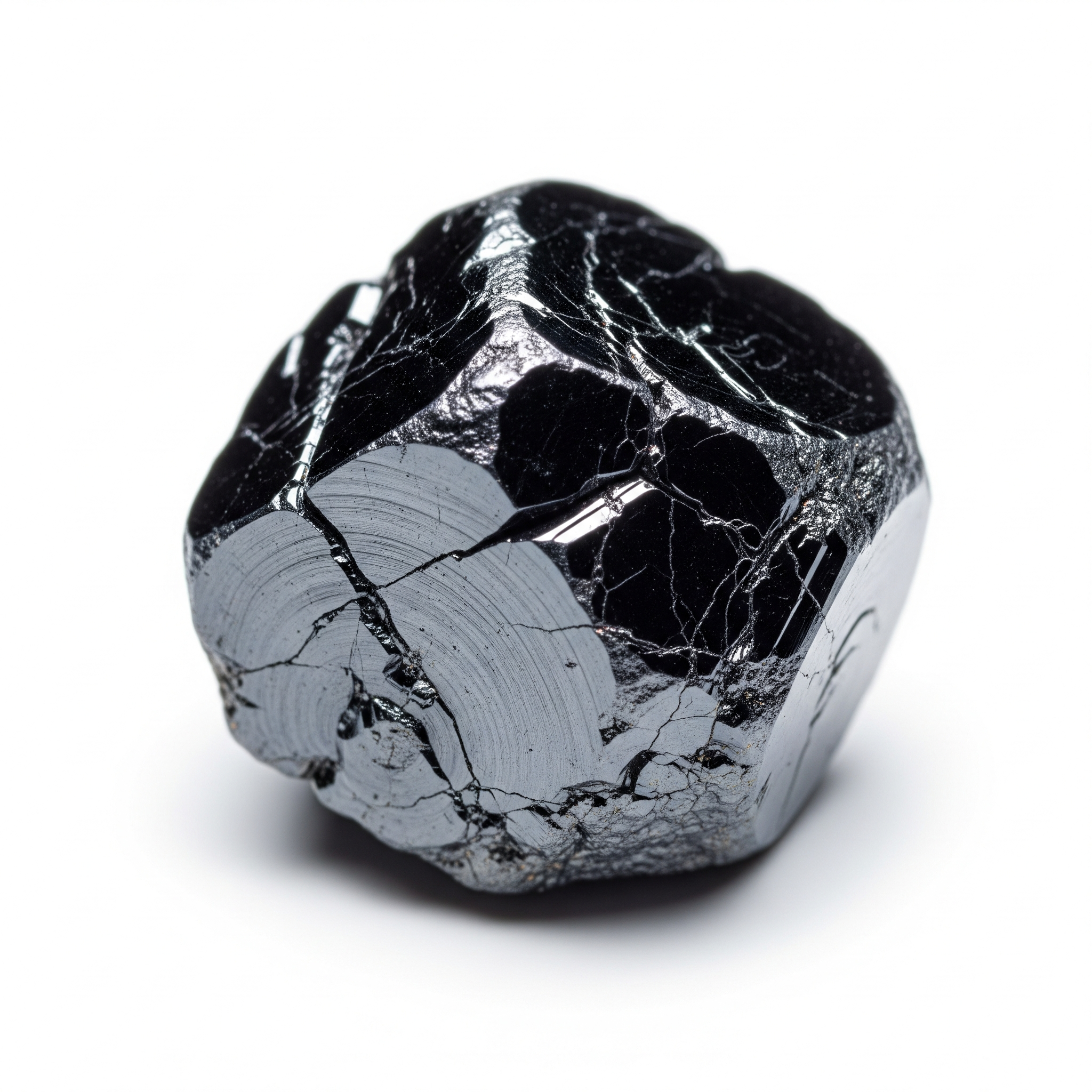
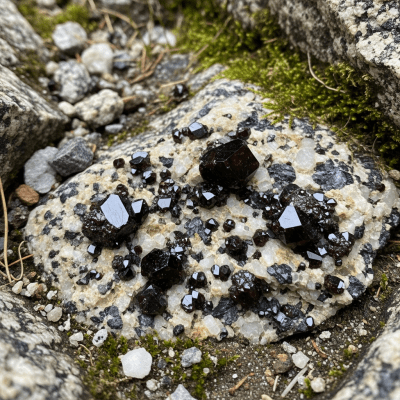
Cassiterite typically appears as prismatic or pyramidal crystals, often massive or granular in form. Its color ranges from brown and black to yellow, red, or even colorless. The mineral’s surface sparkles with an adamantine to submetallic luster, while its streak is white to light brown. Its notable density gives specimens a heavy, substantial feel in the hand.
Cassiterite’s primary function is as the chief ore of tin, fueling industries from soldering to alloy production. Its remarkable resistance to weathering allows cassiterite to accumulate in placer deposits, making it accessible for mining. Rare transparent crystals are sometimes faceted as gemstones, though its industrial utility far outweighs ornamental uses.
Bring this kind into your world illustrated posters, mugs, and shirts.
Archival print, museum-grade paper
Buy Poster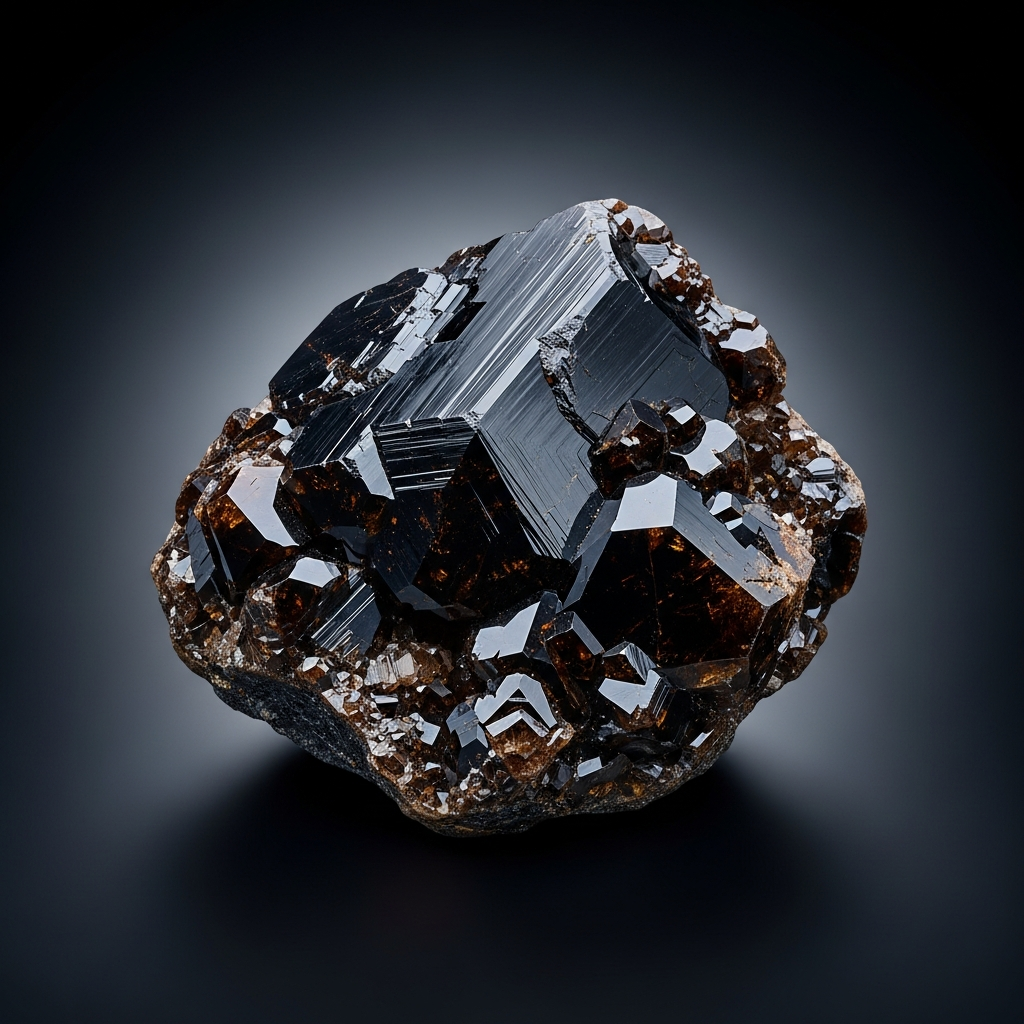
Stoneware mug, dishwasher safe
Buy Mug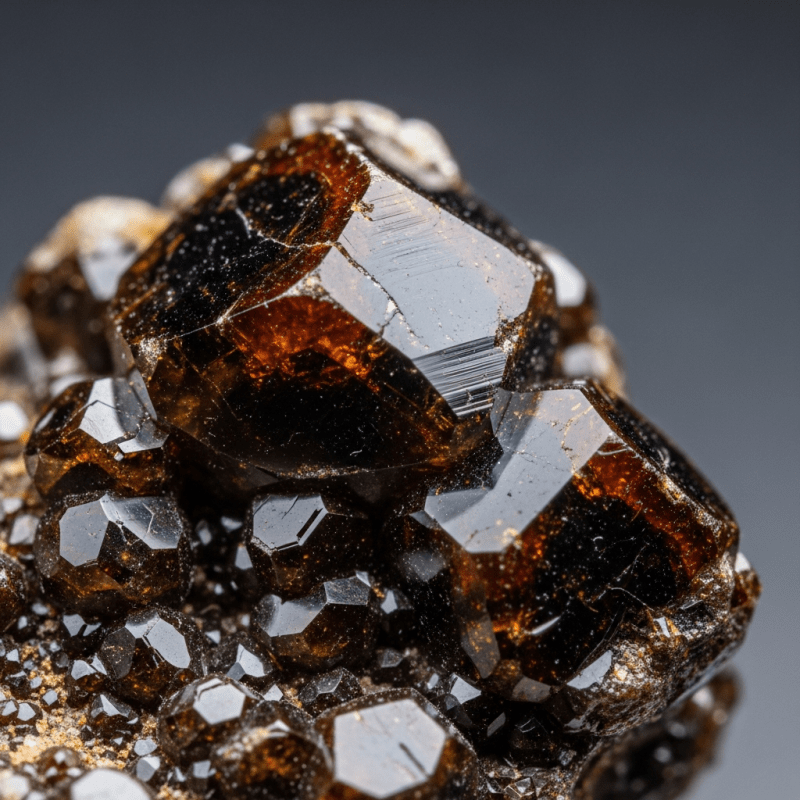
Soft cotton tee, unisex sizes
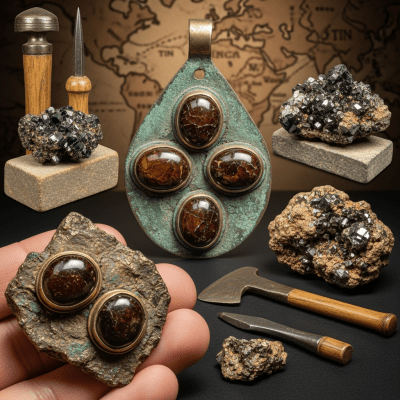
Buy ShirtHistorically, cassiterite’s tin content was pivotal in the development of bronze, marking a technological leap in human civilization. Its extraction shaped trade routes and economies across Europe, Asia, and Africa. Today, cassiterite is recognized not only for its economic value but also as a symbol of the enduring legacy of metallurgy and mineral exploration.
Cassiterite’s chemical formula is SnO₂, consisting of tin (Sn) and oxygen (O). This simple oxide structure is responsible for its physical and economic properties.
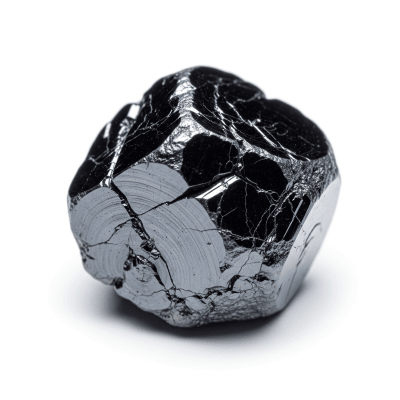
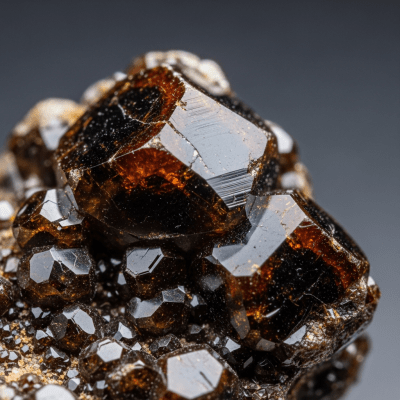
Cassiterite crystallizes in the tetragonal system, typically forming prismatic or pyramidal crystals. Its ordered atomic arrangement contributes to its hardness and distinctive luster.
Cassiterite is found in high-temperature hydrothermal veins, pegmatites, and alluvial placer deposits. It is commonly associated with granitic rocks and minerals such as quartz, tourmaline, topaz, wolframite, and arsenopyrite. Major sources include Cornwall, Bolivia, the Democratic Republic of the Congo, China, Russia, and Indonesia.
Cassiterite is also known as tinstone, especially in historical texts. While color variations exist, no widely recognized subtypes or varieties are established in mineralogical literature.
As the principal ore of tin, cassiterite is indispensable to global industry. Tin derived from cassiterite is used in bronze, solder, tin plating, and diverse chemical processes. Its durability and density make it ideal for placer mining, and on rare occasions, transparent crystals are fashioned into gemstones.
Handle cassiterite specimens gently, as they are brittle and prone to fracturing. Store in padded containers to prevent chipping. Clean with soft brushes and avoid harsh chemicals, as the mineral is insoluble but may be damaged by physical abrasion.
Notable cassiterite specimens hail from Cornwall’s historic mines, Bolivia’s tin-rich veins, and the alluvial deposits of Southeast Asia and Africa. Large, gem-quality crystals from China and the Congo are prized by collectors and museums for their clarity and size.