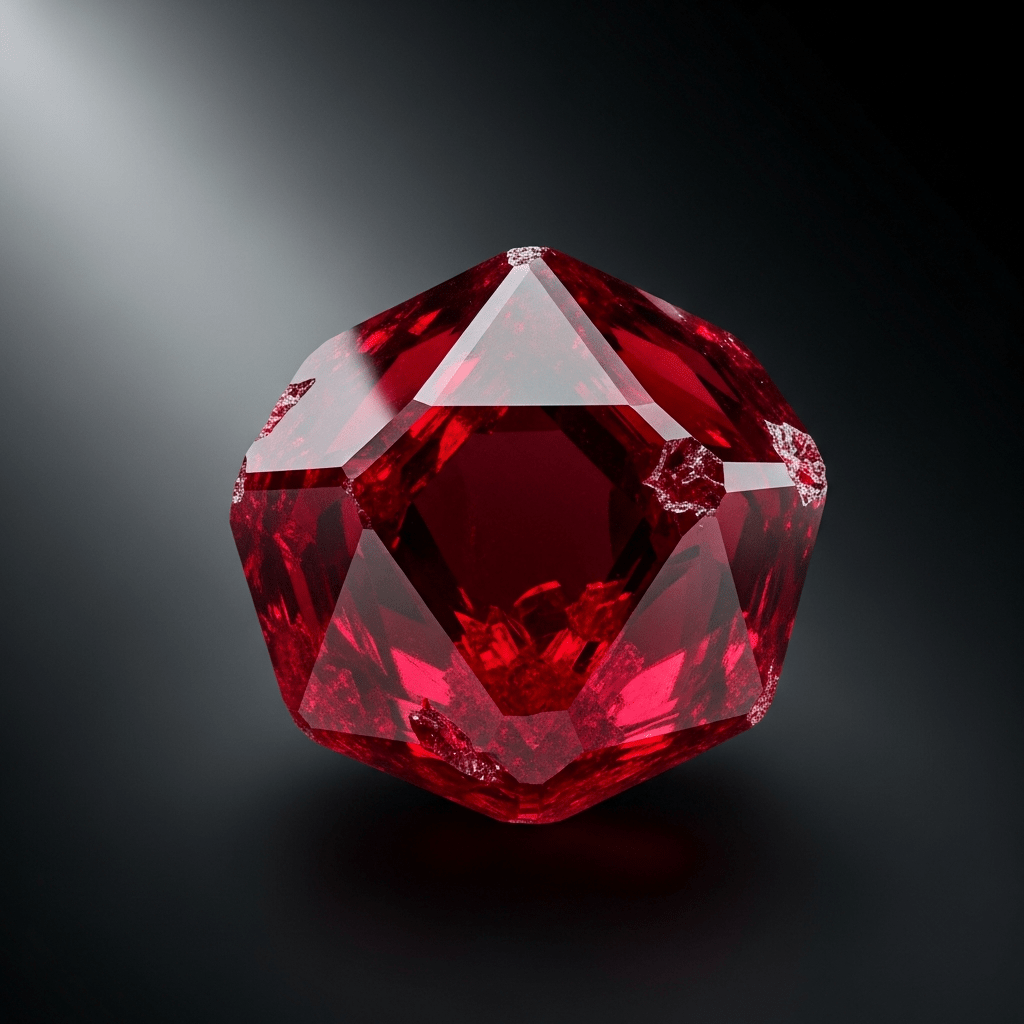
Spinel
Spinel is a magnesium aluminum oxide mineral prized for its vibrant colors, exceptional clarity, and enduring hardness, making it both a celebrated gemstone and a key mineralogical species.
Spinel is a magnesium aluminum oxide mineral prized for its vibrant colors, exceptional clarity, and enduring hardness, making it both a celebrated gemstone and a key mineralogical species.
The name "spinel" traces back to the Latin word spina, meaning "thorn," a nod to its sharply formed crystals. Spinel has been known since antiquity, with its earliest uses as a gemstone predating scientific recognition. It was formally classified as a distinct mineral species by the International Mineralogical Association (IMA), but for centuries, spinel was often mistaken for ruby and sapphire—most famously in the British Imperial State Crown, where the "Black Prince's Ruby" is actually a large spinel. Its scientific description dates to the late 18th century, though its allure in jewelry is far older.
Spinel belongs to the spinel group, a family of minerals sharing the general formula AB₂O₄. It is classified within the isometric (cubic) crystal system. In mineralogical taxonomy, spinel is identified by Dana code 04.03.01.01 and Strunz code 4.BB.05. The group includes related minerals with similar structures, and spinel itself is the canonical species recognized by the IMA.
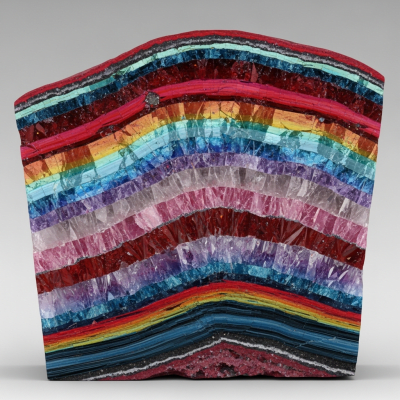
Spinel typically forms well-defined octahedral crystals, often displaying remarkable clarity and brilliance. Its color palette is extensive—ranging from vivid reds and blues to pink, purple, black, and even colorless varieties. The luster is vitreous, contributing to its gem-like appeal. Transparent specimens are highly valued in jewelry, while opaque forms are more common in geological samples. The mineral's lack of cleavage and conchoidal to uneven fracture give it a crisp, glassy feel.
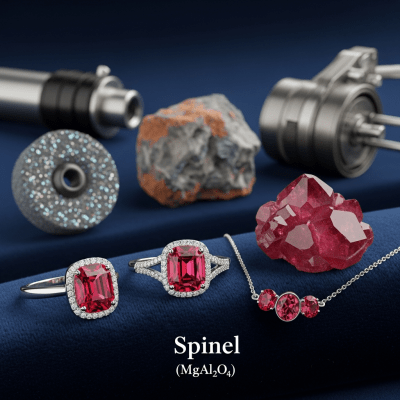
Spinel's primary function is as a gemstone, where its hardness and vibrant hues make it ideal for jewelry. In geological contexts, spinel serves as an indicator mineral, helping geologists trace metamorphic and igneous processes. Industrially, its resistance to heat and chemical alteration makes it useful in refractory materials, ceramics, and as a substrate in electronics. Synthetic spinel is also manufactured for technological applications.
Bring this kind into your world illustrated posters, mugs, and shirts.
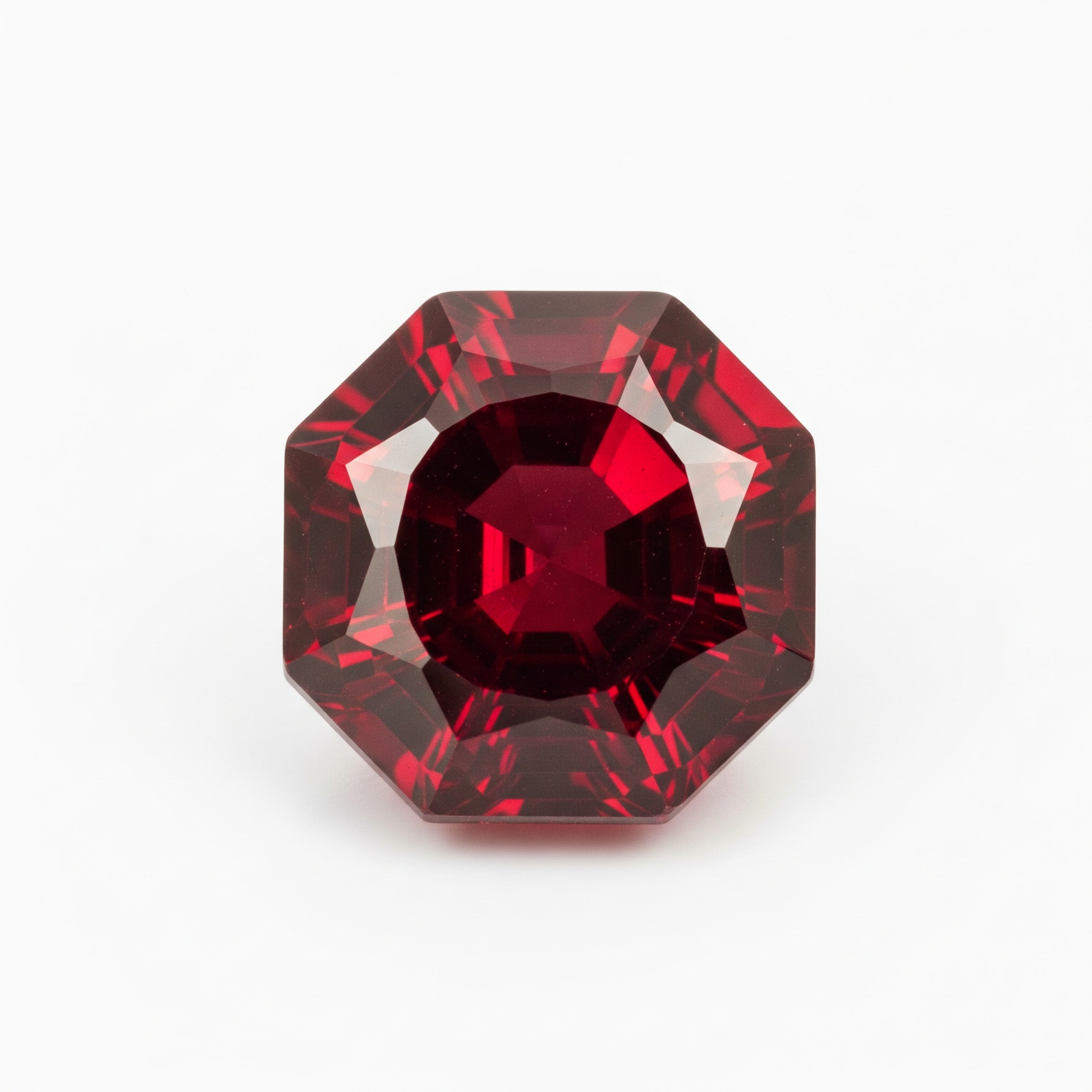
Archival print, museum-grade paper
Buy Poster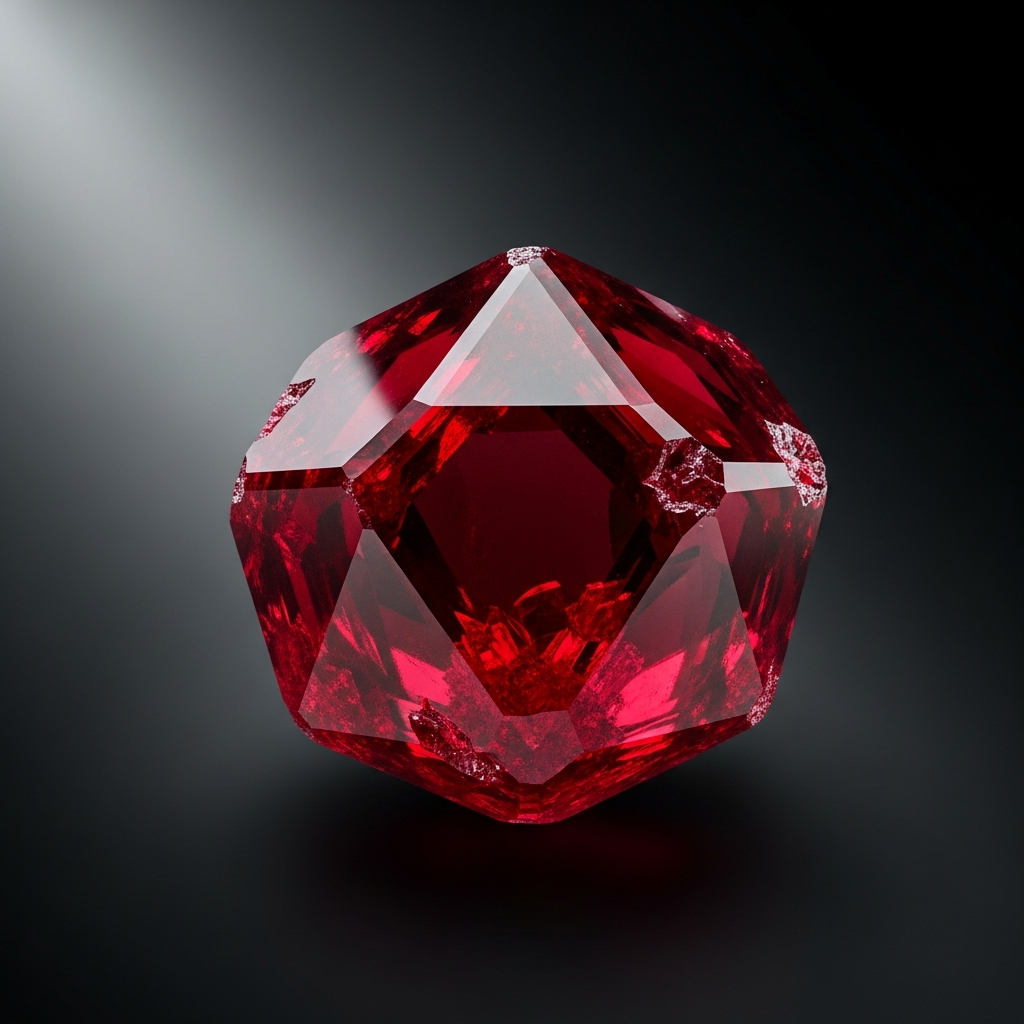
Stoneware mug, dishwasher safe
Buy Mug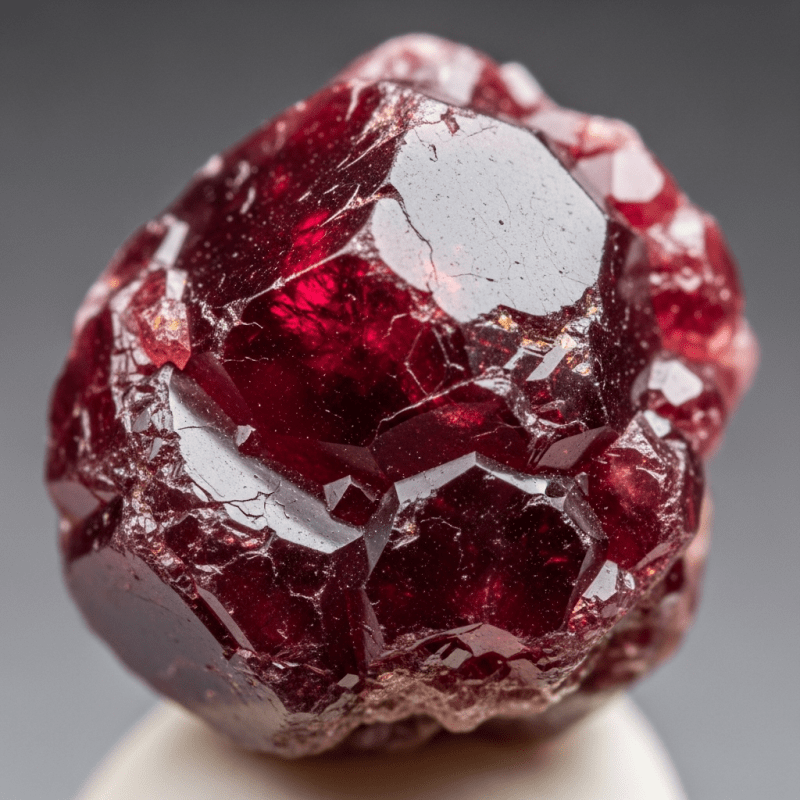
Soft cotton tee, unisex sizes
Buy ShirtFor centuries, spinel has held a prominent place in art and history, often mistaken for ruby in royal regalia and historic jewels. Its presence in the British Imperial State Crown and other famous artifacts underscores its enduring allure. The term "Balas ruby" was once used for red spinel, reflecting its historical confusion with other precious stones. Today, spinel is celebrated for its unique identity and is increasingly sought after by collectors and gem enthusiasts.
Spinel's chemical formula is MgAl₂O₄, comprising magnesium, aluminum, and oxygen. Trace impurities such as chromium and iron are responsible for its diverse color range.
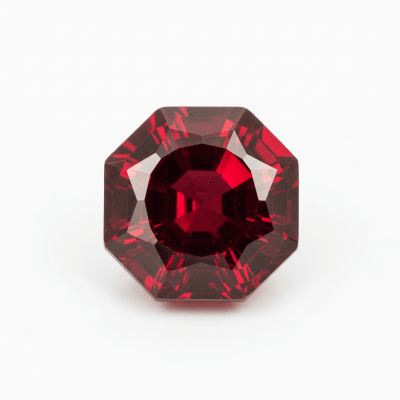
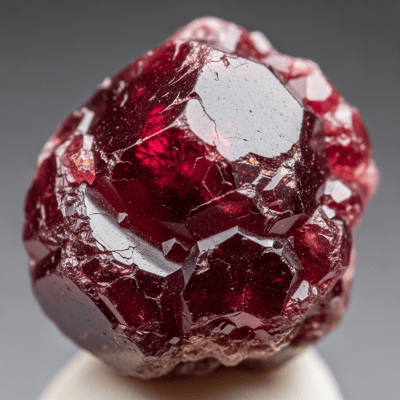
Spinel crystallizes in the isometric (cubic) system, typically forming octahedral crystals. Its atomic arrangement is highly symmetrical, characteristic of the spinel group, and this structure imparts both durability and optical brilliance.
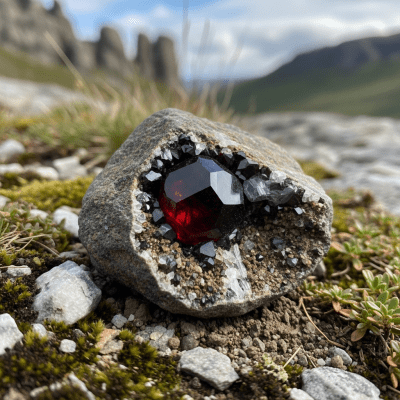
Spinel is typically found in metamorphic rocks such as marble and in igneous rocks like basalt and peridotite. It is also abundant in alluvial deposits, where water action concentrates gem-quality crystals. The most celebrated sources are Myanmar (Mogok), Sri Lanka, Afghanistan, Tajikistan, Vietnam, and Tanzania, each producing specimens with distinctive colors and clarity.
"Spinel" is the IMA-approved name, with these synonyms and varieties reflecting regional and compositional differences.
Beyond its role as a gemstone, spinel is valued industrially for its high melting point and chemical stability. It is used in refractory materials, ceramics, and as a substrate for electronic components. Synthetic spinel is manufactured for optical and technological applications, including transparent armor and laser host materials.
Spinel is durable and resistant to chemical weathering, making it easy to care for. Clean specimens with mild soap and water, avoiding harsh chemicals. Store separately from softer minerals to prevent scratching, and protect from hard impacts that could chip or fracture the crystal.
The "Black Prince's Ruby" in the British Imperial State Crown is perhaps the most renowned spinel specimen, long mistaken for a ruby. Other notable gems include large red spinels from Myanmar and Sri Lanka, prized for their clarity and historical significance in royal collections and museum displays.