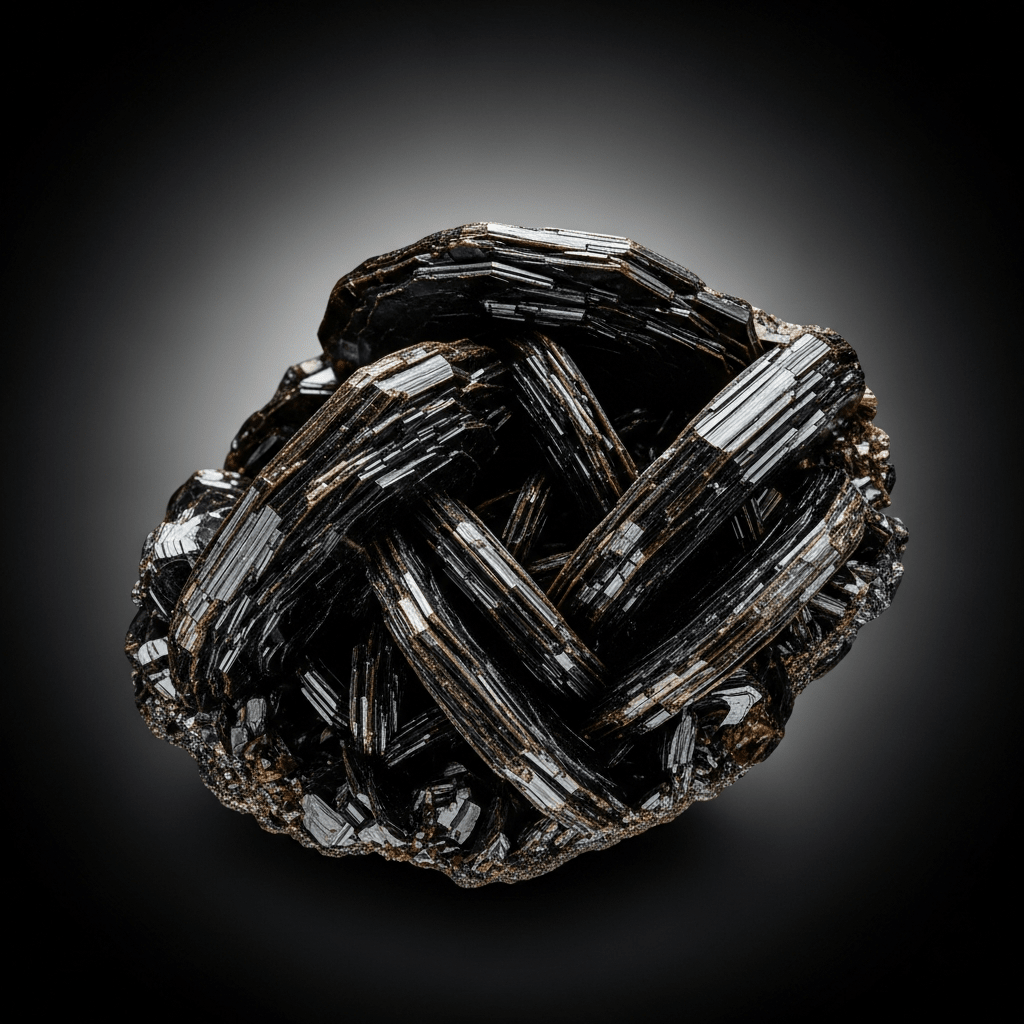
Biotite
Biotite is a dark, flexible mica mineral commonly found in igneous and metamorphic rocks, recognized for its sheet-like crystals and perfect cleavage.
Biotite is a dark, flexible mica mineral commonly found in igneous and metamorphic rocks, recognized for its sheet-like crystals and perfect cleavage.
Biotite was named in 1847 by J.F.L. Hausmann to honor French physicist Jean-Baptiste Biot, whose pioneering studies on the optical properties of micas advanced mineralogical science. Its recognition as a distinct mineral species emerged during the 19th-century exploration of mica varieties, and it is now officially classified by the International Mineralogical Association (IMA).
Biotite belongs to the phyllosilicate class and is a member of the mica group, which is characterized by sheet-like silicate structures. Within mineral classification systems, it is listed under Dana code 71.02.02.02 and Strunz code 9.EC.20. Its close relatives include muscovite and other micas, sharing the group’s hallmark flexibility and cleavage.
Biotite typically appears as thin, dark brown to black sheets or flakes with a vitreous to pearly luster. Its crystals are flexible and elastic, easily splitting into smooth, shiny layers due to perfect basal cleavage. Specimens often display a subtle shimmer and may feel slightly slippery to the touch.
Biotite’s physical properties—especially its perfect cleavage and elasticity—make it easy to identify and handle in the field. While it has limited direct industrial applications, biotite is invaluable to geologists as an indicator mineral for deciphering the history and conditions of rock formation. Its presence helps map geological environments and contributes to soil formation through weathering.
Bring this kind into your world illustrated posters, mugs, and shirts.
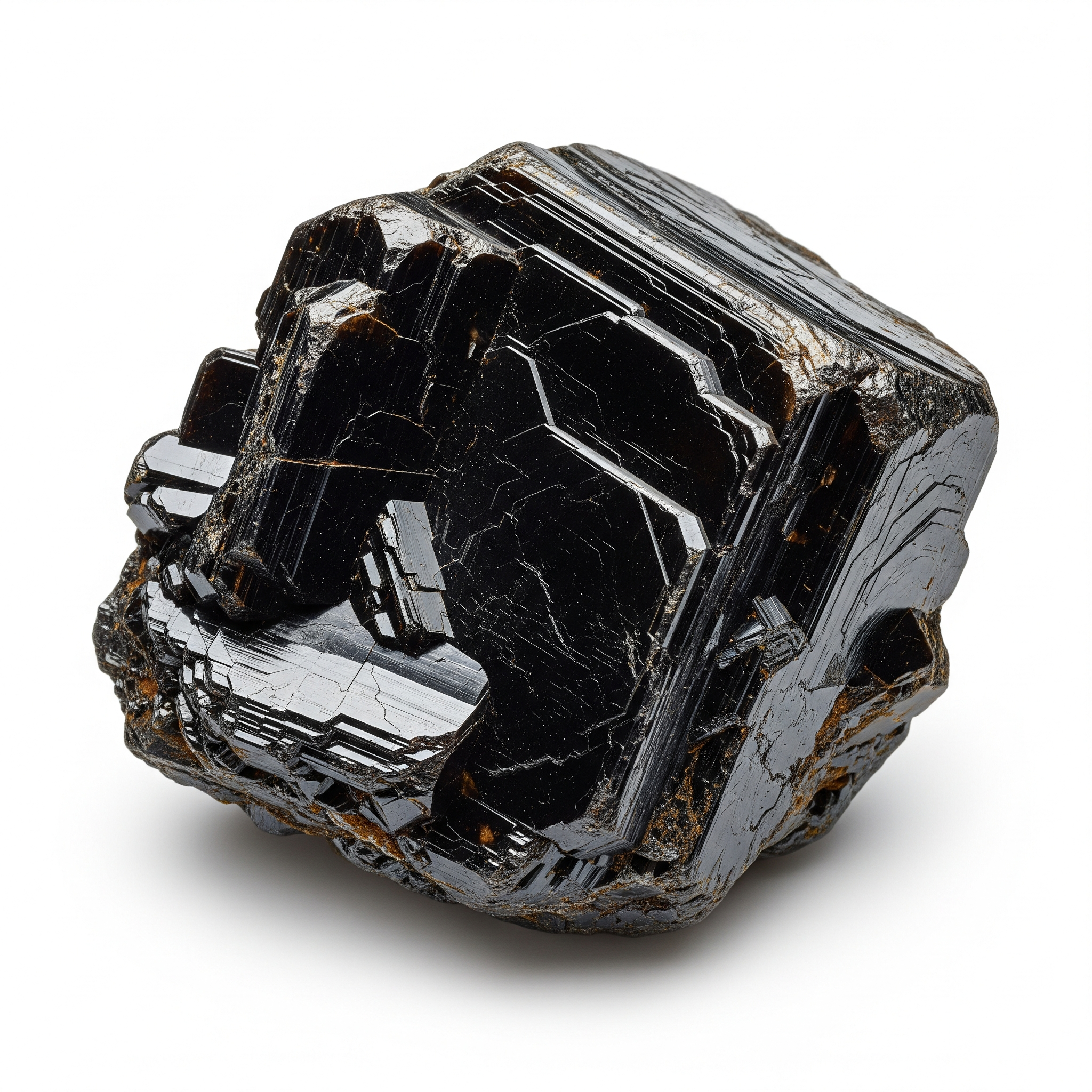
Archival print, museum-grade paper
Buy Poster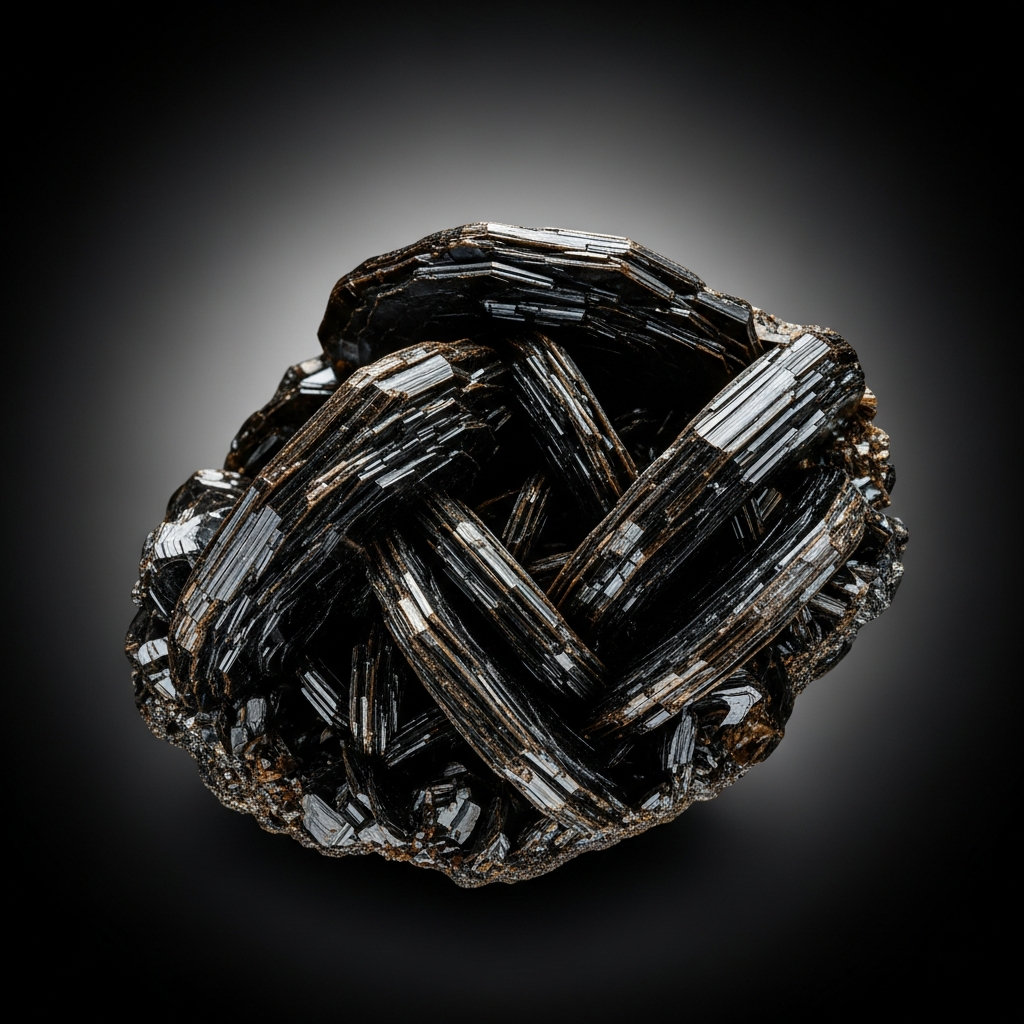
Stoneware mug, dishwasher safe
Buy Mug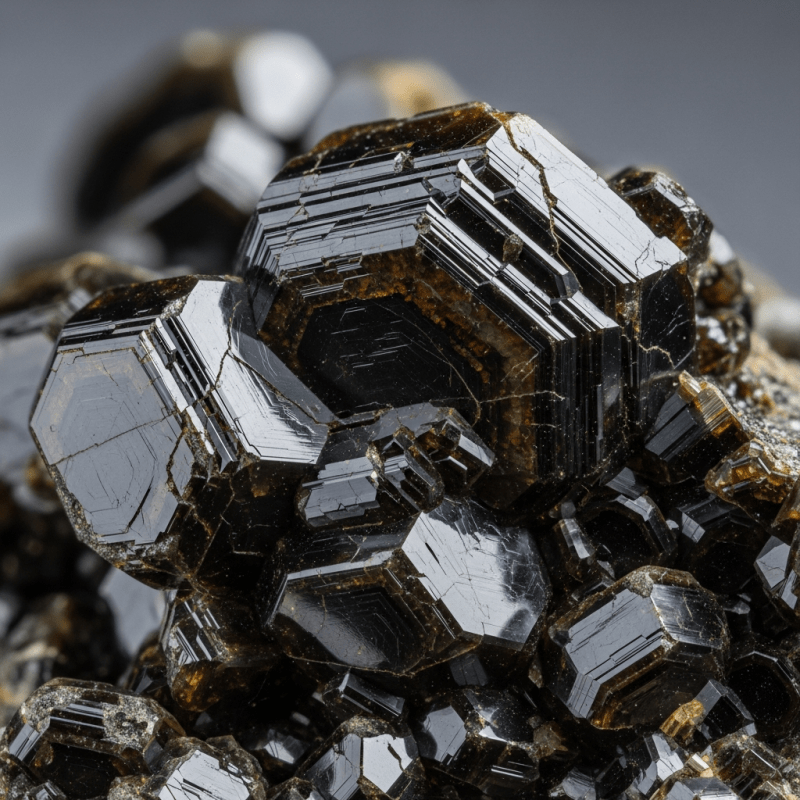
Soft cotton tee, unisex sizes
Buy ShirtThough biotite does not feature prominently in art or myth, its role in scientific history is notable. The mineral’s study by Jean-Baptiste Biot helped unlock the optical secrets of micas, influencing mineralogy and physics. In modern culture, biotite is sometimes referenced as "black mica" in educational contexts to contrast with muscovite, the "white mica." Its name endures as a tribute to scientific curiosity and discovery.
Biotite’s chemical formula is K(Mg,Fe)3AlSi3O10(OH)2, indicating a potassium-rich mica with significant magnesium and iron content, along with aluminum, silicon, oxygen, and hydroxyl groups.
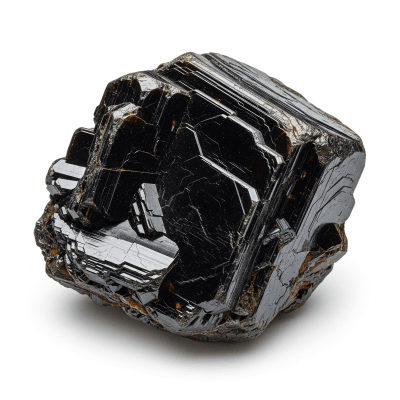
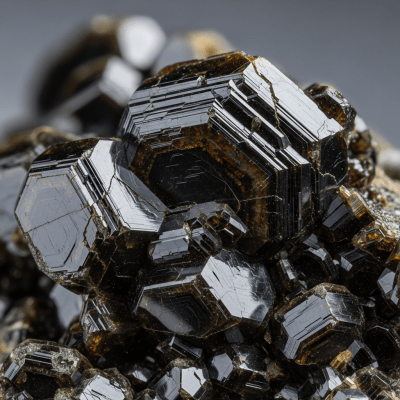
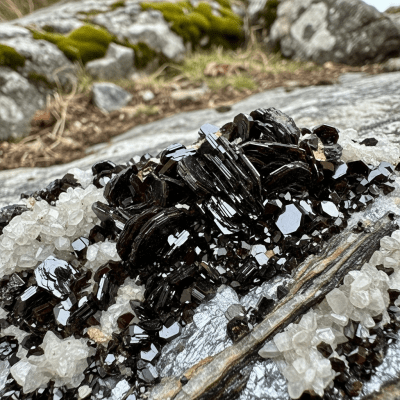
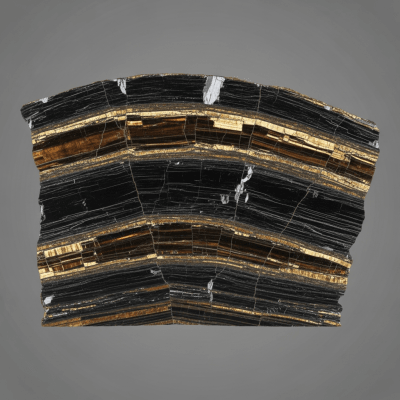
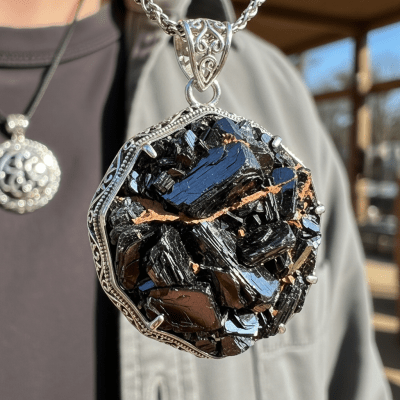
Biotite crystallizes in the monoclinic system, forming layered sheets typical of the phyllosilicate structure. Its atomic arrangement allows for perfect basal cleavage, resulting in flexible, elastic flakes that are a hallmark of mica minerals.
Biotite is characterized by a Mohs hardness of 2.5–3, dark brown to black coloration, and a vitreous to pearly luster. It exhibits perfect basal cleavage, making it easy to split into thin sheets. The mineral is weakly magnetic and has a specific gravity that reflects its iron and magnesium content.
Biotite is widespread in igneous rocks such as granite, diorite, and gabbro, and in metamorphic rocks like schist and gneiss. It commonly coexists with other micas, feldspars, and quartz, and plays a role in the mineralogical evolution of these rocks. Biotite’s alteration products, such as chlorite and vermiculite, are also found in soils derived from weathered rocks.
Biotite’s industrial uses are limited, but it holds scientific importance in petrology, serving as an indicator mineral for geological mapping and research. Its presence helps reconstruct the thermal and chemical history of rocks. Occasionally, biotite is considered as a minor source of potassium and contributes to soil fertility through weathering.
Handle biotite specimens gently to avoid breaking their thin, flexible sheets. Store in a dry environment to prevent weathering and alteration. Clean with a soft brush or cloth; avoid harsh chemicals, as biotite is sensitive to environmental changes and may degrade over time.
While biotite is abundant and does not have widely celebrated individual specimens, large, lustrous sheets from classic localities such as the Ural Mountains and Ontario’s Bancroft region are prized by collectors for their size and clarity. Notable samples are often featured in geological museums as representative mica minerals.