Apatite
Apatite is a group of phosphate minerals renowned as the primary geological source of phosphorus, distinguished by its hexagonal crystals and striking range of colors.
Apatite is a group of phosphate minerals renowned as the primary geological source of phosphorus, distinguished by its hexagonal crystals and striking range of colors.
The name "apatite" was coined in 1786 by German geologist Abraham Gottlob Werner, inspired by the Greek word apate meaning "deceit"—a nod to the mineral's tendency to be mistaken for others. Since its initial recognition in the late 18th century, apatite's classification and understanding have evolved, guided by mineralogical authorities such as the International Mineralogical Association. Its compositional diversity and widespread occurrence have made it a subject of scientific interest for centuries.
Apatite belongs to the apatite group within the broader family of phosphate minerals. It is classified under the Dana system as 41.8.1.1 and the Strunz system as 8.BN.05. The group comprises several species, notably fluorapatite, chlorapatite, and hydroxylapatite, each defined by the dominant anion in its structure. Apatite is recognized for its variable composition and serves as a canonical example of a mineral species with significant natural and biological roles.
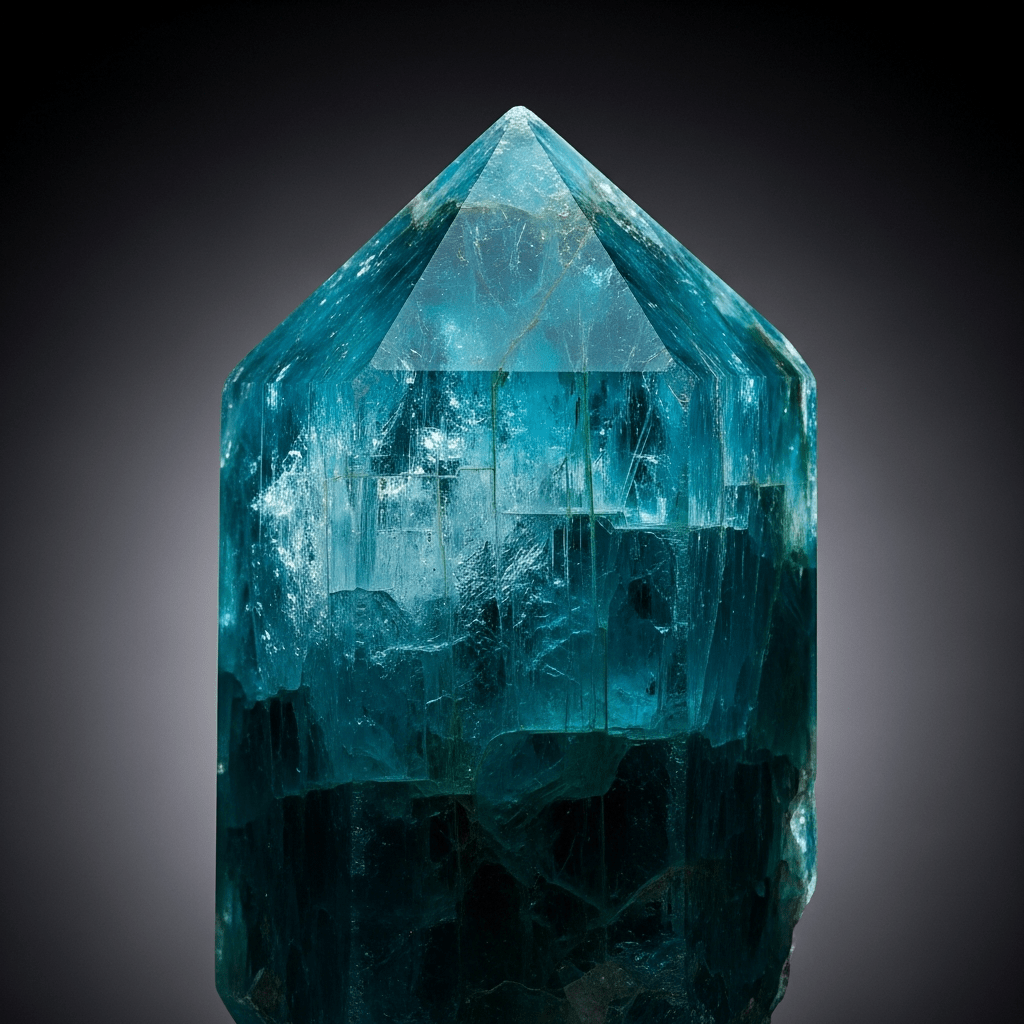
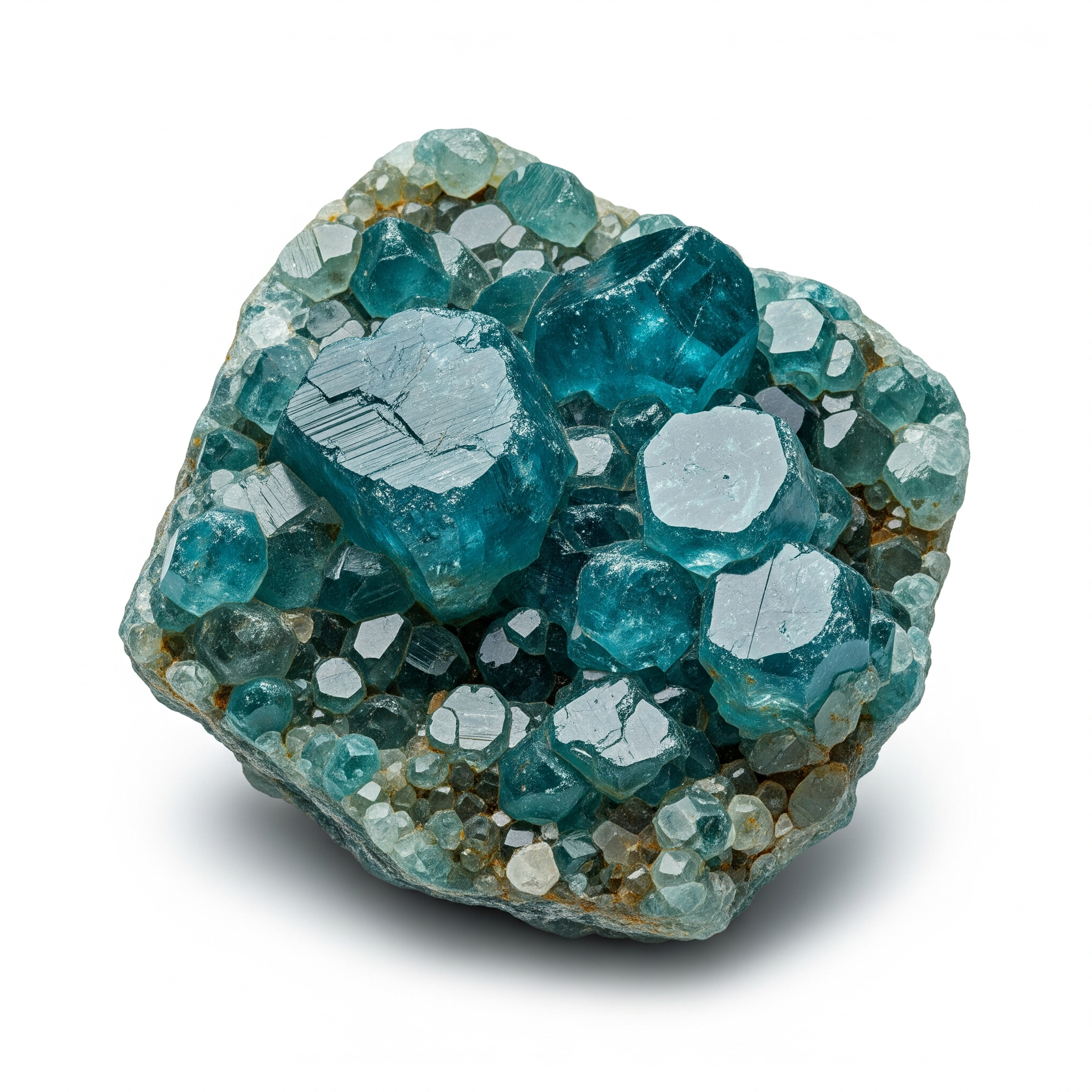
Apatite typically forms well-defined hexagonal prismatic or tabular crystals, often displaying a vitreous to subresinous luster. Its color palette is diverse, ranging from green, blue, yellow, and violet to colorless. Specimens may be transparent or translucent, and the mineral's brittle nature is evident in its indistinct cleavage and conchoidal fracture. Apatite crystals are prized for their clarity and vibrant hues, making them attractive both to collectors and jewelers.
Apatite is valued for its versatility and essential role in both geological and biological systems. As the principal source of phosphorus, it is crucial for fertilizer production and agricultural sustainability. In nature, apatite is a common accessory mineral in many rock types, and its biological variant—hydroxylapatite—is the primary component of bones and teeth. Gem-quality apatite is also fashioned into jewelry, appreciated for its brilliance and color.
Bring this kind into your world illustrated posters, mugs, and shirts.
Archival print, museum-grade paper
Buy Poster
Stoneware mug, dishwasher safe
Buy Mug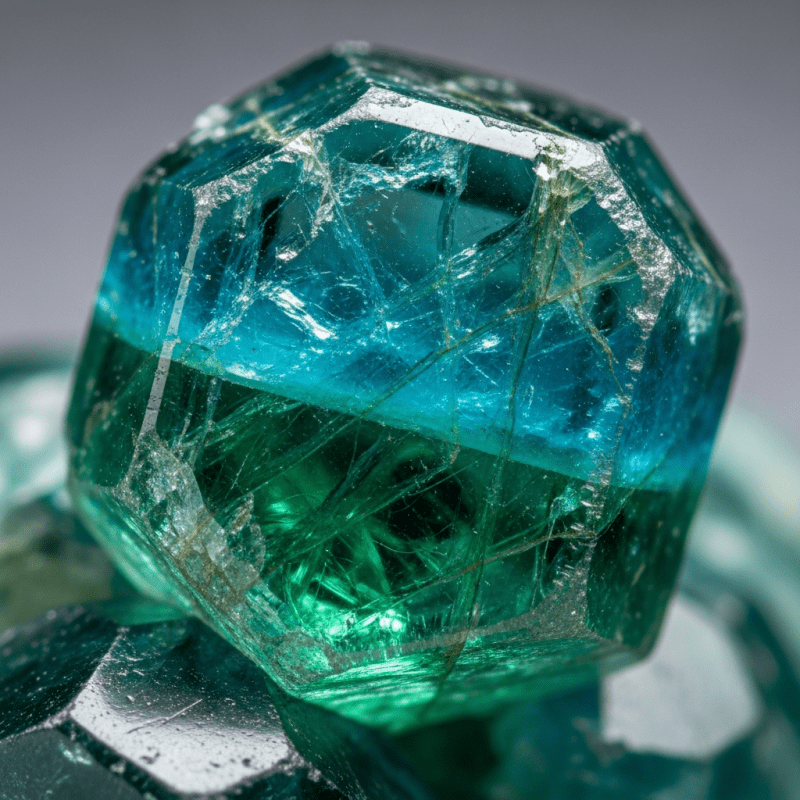
Soft cotton tee, unisex sizes
Buy ShirtWhile apatite itself is not steeped in myth, its vital role in agriculture and biology has made it a cornerstone of human progress. The mineral's name, rooted in the concept of "deceit," reflects its historical tendency to be confused with other gemstones, such as beryl and tourmaline. In modern culture, apatite's vibrant crystals are admired by collectors and gem enthusiasts, and its presence in bones and teeth connects it intimately to human health and heritage.
Apatite's chemical formula is Ca₅(PO₄)₃(F,Cl,OH), indicating a calcium phosphate structure with variable anions—fluorine, chlorine, or hydroxyl—defining its main species.
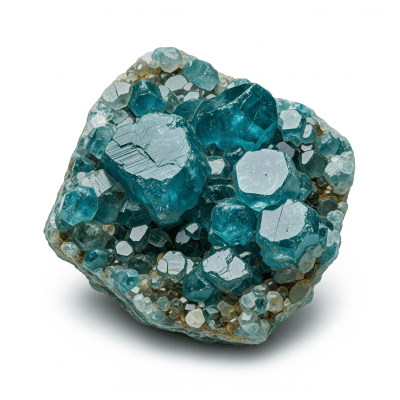
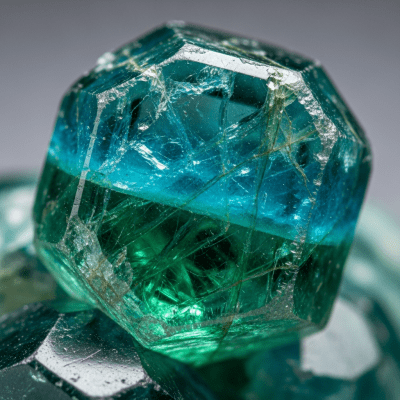
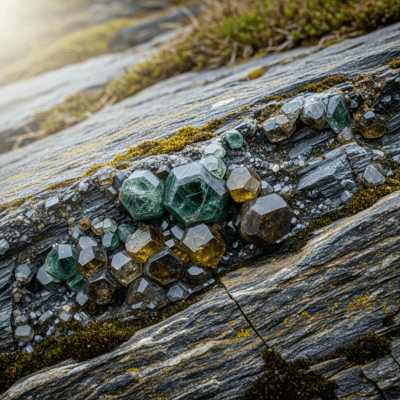
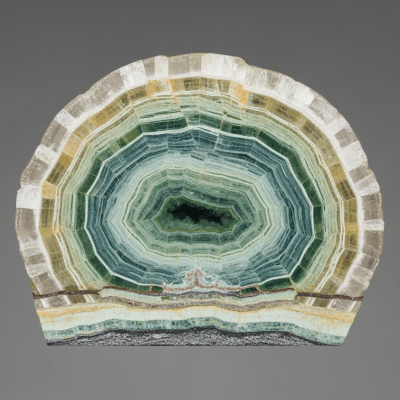
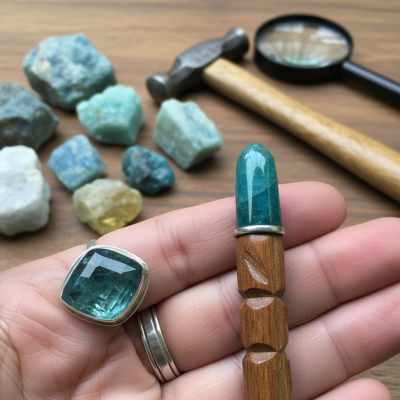
Apatite crystallizes in the hexagonal crystal system, typically forming elongated prismatic crystals. Its ordered atomic arrangement allows for variation in the anion site, resulting in distinct species within the group.
Apatite is widespread in igneous, metamorphic, and sedimentary rocks. It is commonly found in granite, nepheline syenite, marble, gneiss, and phosphorite beds. Notable localities include Brazil, Madagascar, Canada (Ontario), Russia (Kola Peninsula), and the United States (Maine, Idaho), where it often occurs as well-formed crystals or massive deposits.
Apatite is indispensable in industry as the principal source of phosphorus for fertilizers and the production of phosphoric acid. Its biological form, hydroxylapatite, is vital for medical and dental applications, while gem-quality apatite is used in jewelry. The mineral also finds use in research and as a reference material in geological studies.
Noteworthy apatite specimens include large, vividly colored crystals from Brazil and Madagascar, prized by collectors for their clarity and hue. The Kola Peninsula in Russia and Ontario, Canada, are renowned for producing well-formed crystals. Massive phosphorite beds, rich in apatite, have driven major agricultural and geological discoveries worldwide.