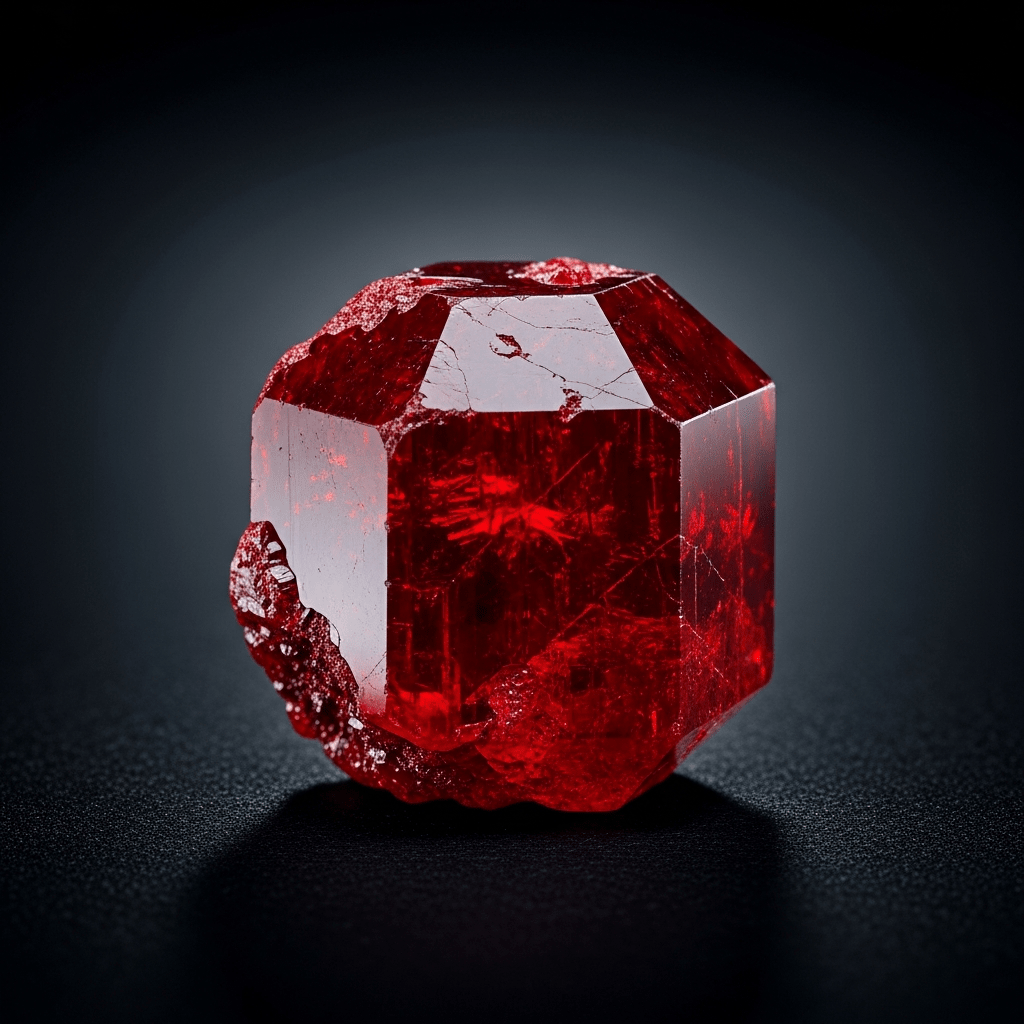
Cinnabar
Cinnabar is a vibrant red mercury sulfide mineral (HgS) and the primary natural source of mercury, renowned for its striking color and historical role as a pigment.
Cinnabar is a vibrant red mercury sulfide mineral (HgS) and the primary natural source of mercury, renowned for its striking color and historical role as a pigment.
Cinnabar has been known since antiquity, with evidence of its use as a pigment dating back thousands of years in ancient Rome, China, and the Americas. Its extraction and application predate formal scientific description, which occurred in the 19th century. The mineral’s enduring presence in art and industry reflects its deep-rooted significance across cultures and eras.
Cinnabar belongs to the sulfide mineral class and is scientifically classified as mercury(II) sulfide (HgS). In mineralogical systems, it is designated Dana 02.08.01.01 and Strunz 2.CA.05, and is recognized as an approved mineral species by the International Mineralogical Association (IMA).
Cinnabar is instantly recognizable by its intense bright red to reddish-brown coloration. It typically forms prismatic crystals or massive aggregates, with a scarlet streak and an adamantine to dull luster. The mineral is opaque and exhibits perfect cleavage, making it both visually captivating and delicate to handle.
As the chief ore of mercury, cinnabar has been extensively mined for mercury extraction. Its vivid color made it a prized pigment (vermilion) in art and decoration, though its toxicity has curtailed modern use. Cinnabar is brittle and sensitive to heat and light, decomposing to release mercury vapor, which necessitates careful handling.
Bring this kind into your world illustrated posters, mugs, and shirts.
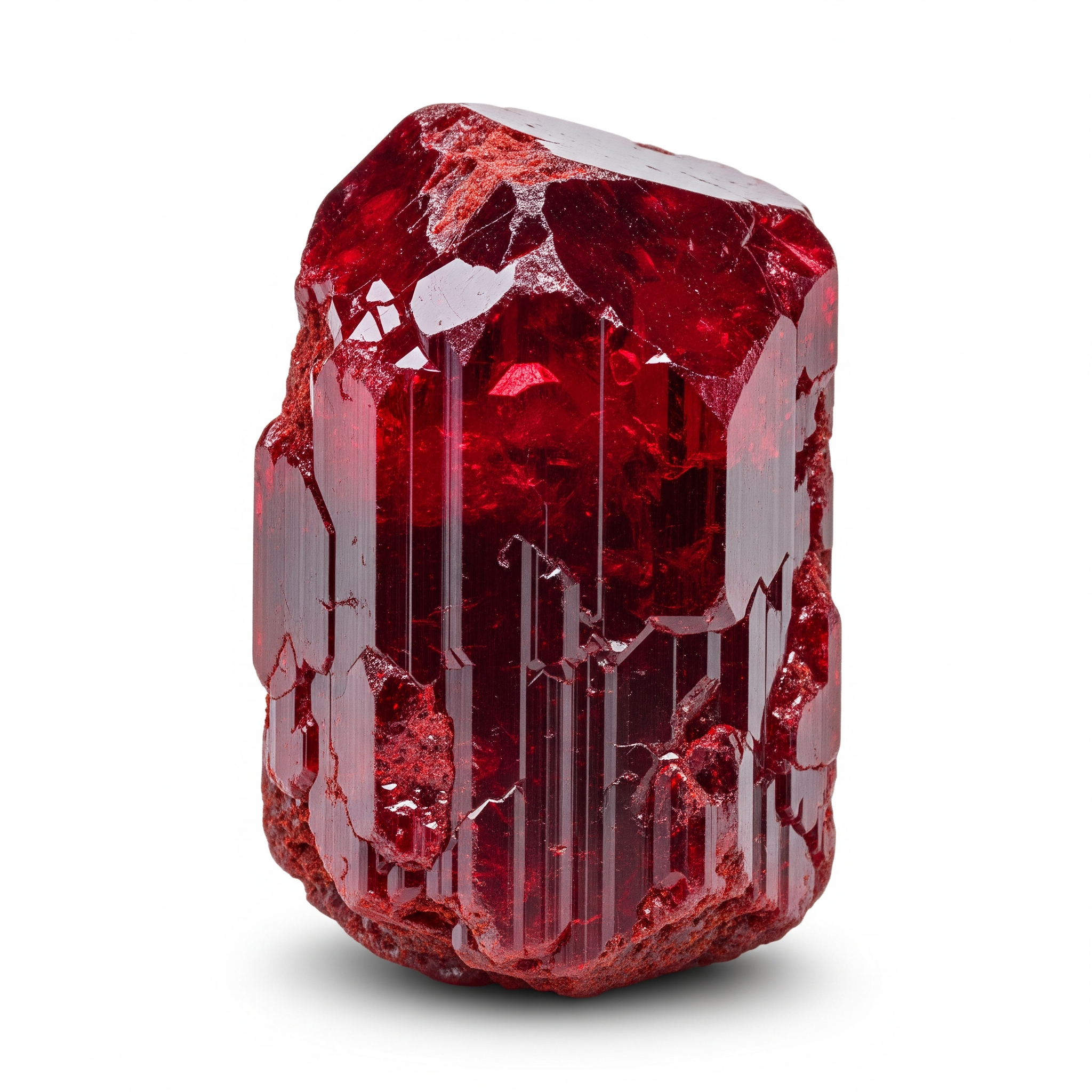
Archival print, museum-grade paper
Buy Poster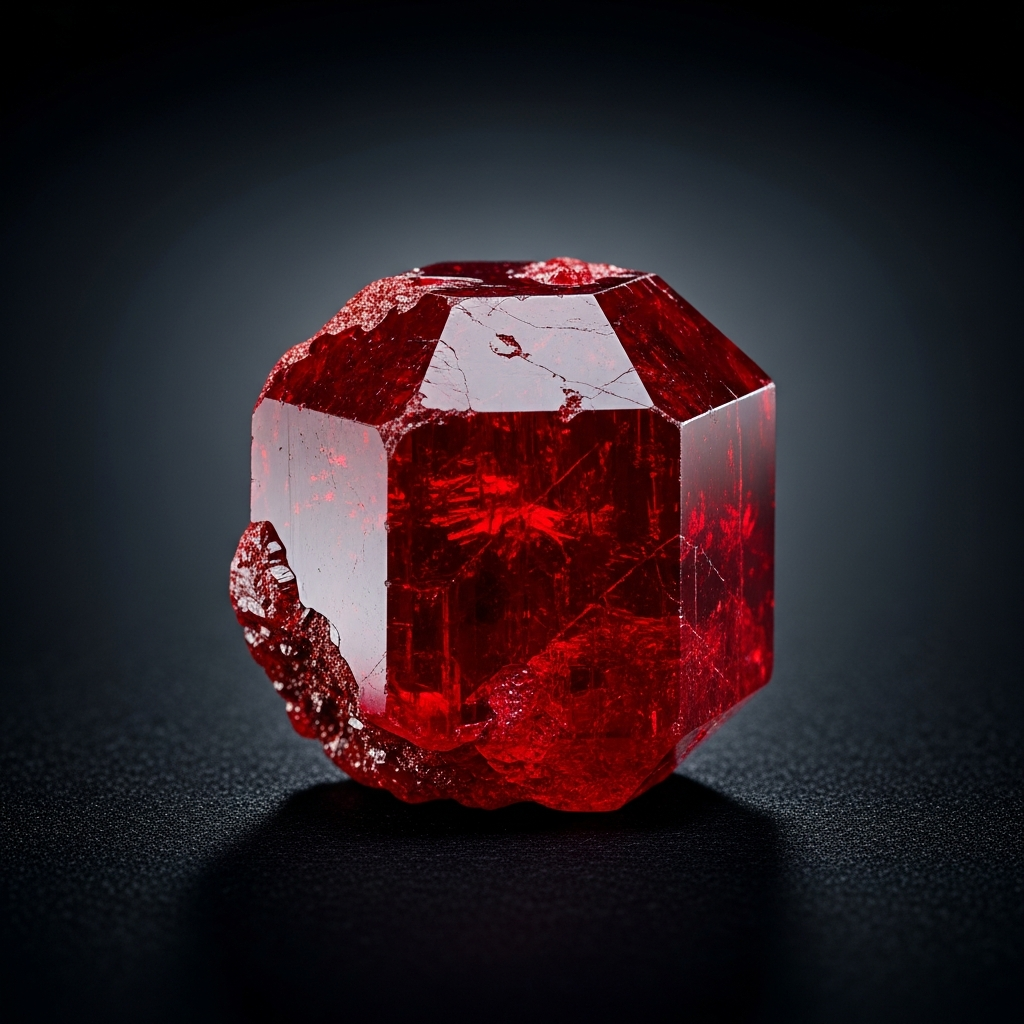
Stoneware mug, dishwasher safe
Buy Mug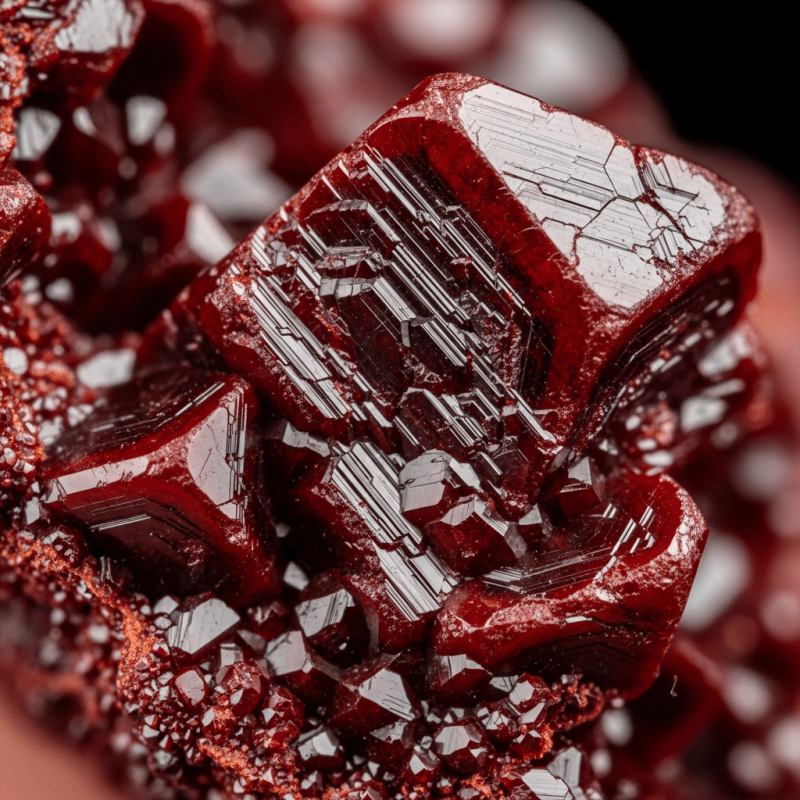
Soft cotton tee, unisex sizes
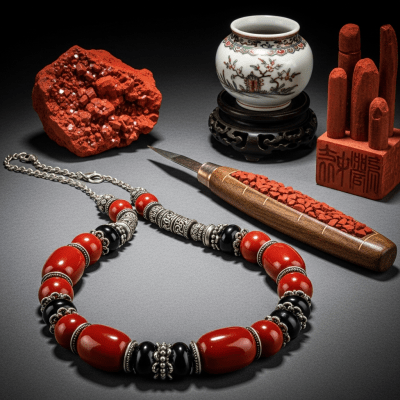
Buy ShirtCinnabar’s brilliant hue has made it a symbol of vitality and prestige in ancient Rome, China, and the Americas. Known as "Zhu Sha" in Chinese, it adorned artworks, lacquerware, and was once used in traditional medicine (now discouraged). Its legacy as vermilion pigment is woven into the history of illuminated manuscripts, murals, and ceremonial objects.
Cinnabar’s chemical formula is HgS, composed of mercury (Hg) and sulfur (S) in a 1:1 ratio. This simple yet potent combination defines its mineralogical identity and industrial value.
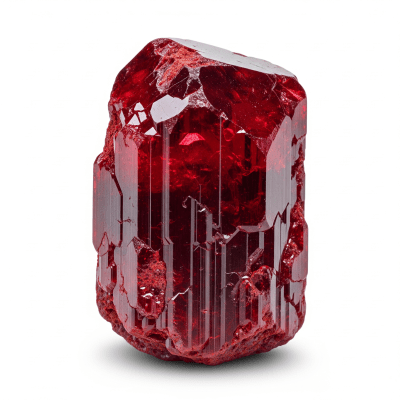
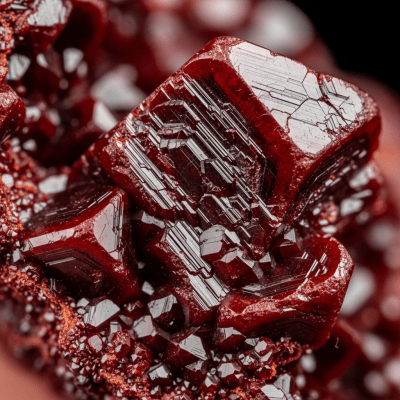
Cinnabar crystallizes in the trigonal system, specifically the hexagonal scalenohedral class. Its crystals are often prismatic, though massive forms are common, and twinned crystals are rare. The ordered atomic arrangement imparts its distinctive cleavage and optical qualities.
Cinnabar is soft, with a Mohs hardness of 2–2.5, and exceptionally dense (specific gravity 8.1). Its color ranges from bright red to reddish-brown, with a scarlet streak and adamantine to dull luster. The mineral is opaque, brittle, and displays perfect cleavage on {1011}.
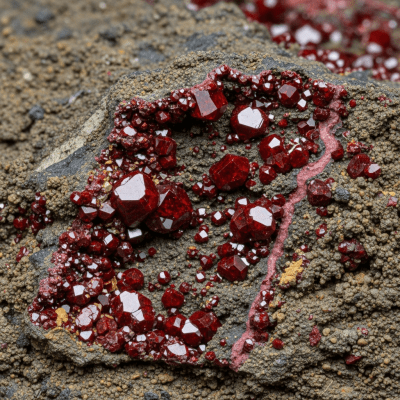
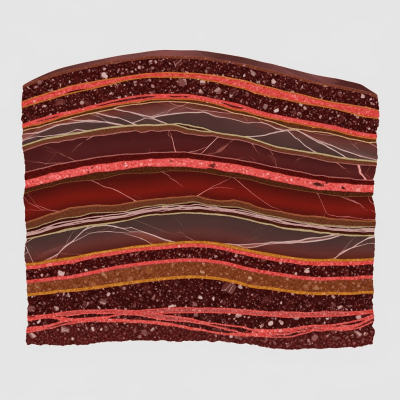
Cinnabar is typically found in hydrothermal veins and volcanic rocks, often linked to recent volcanic activity. It also occurs in sedimentary deposits and mercury-rich environments. Notable localities include Almaden (Spain), Idrija (Slovenia), Huancavelica (Peru), and California (USA), where it is frequently associated with minerals such as quartz, calcite, pyrite, and dolomite.
Recognized synonyms for cinnabar include vermilion (as pigment), Chinese red, mercury sulfide, and Zhu Sha (Chinese). While there are no widely accepted mineral varieties, pigment grades and regional forms may be distinguished in art and commerce.
Cinnabar’s primary industrial role is as the chief ore for mercury extraction. Historically, it was ground to produce vermilion pigment for paints, lacquers, and inks. Medicinal uses have been abandoned due to toxicity, and modern applications are limited by health concerns surrounding mercury exposure.
Legendary cinnabar specimens hail from the Almaden mines in Spain, which supplied much of the world’s mercury for centuries. Idrija (Slovenia) and Huancavelica (Peru) are also renowned for historic finds, with museum-quality crystals displayed in major mineral collections worldwide.