
Chromite
Chromite is an iron chromium oxide mineral and the principal ore of chromium, renowned for its vital role in metallurgy and industrial manufacturing.
Chromite is an iron chromium oxide mineral and the principal ore of chromium, renowned for its vital role in metallurgy and industrial manufacturing.
Chromite was first formally described in 1845 by Louis Nicolas Vauquelin, the French mineralogist who also discovered the element chromium. Its recognition as a distinct mineral species is affirmed by the International Mineralogical Association (IMA). Chromite’s historical significance is closely tied to the extraction and use of chromium, which revolutionized steel production and industrial chemistry in the 19th and 20th centuries.
Chromite belongs to the spinel group of oxide minerals, characterized by their shared crystal structure and chemical similarities. It is classified under the Dana system as 7.2.1.2 and the Strunz system as 4.BB.05, both denoting its place among oxides with the spinel structure. Its chemical formula, FeCr₂O₄, distinguishes it within this group as the iron chromium oxide species.
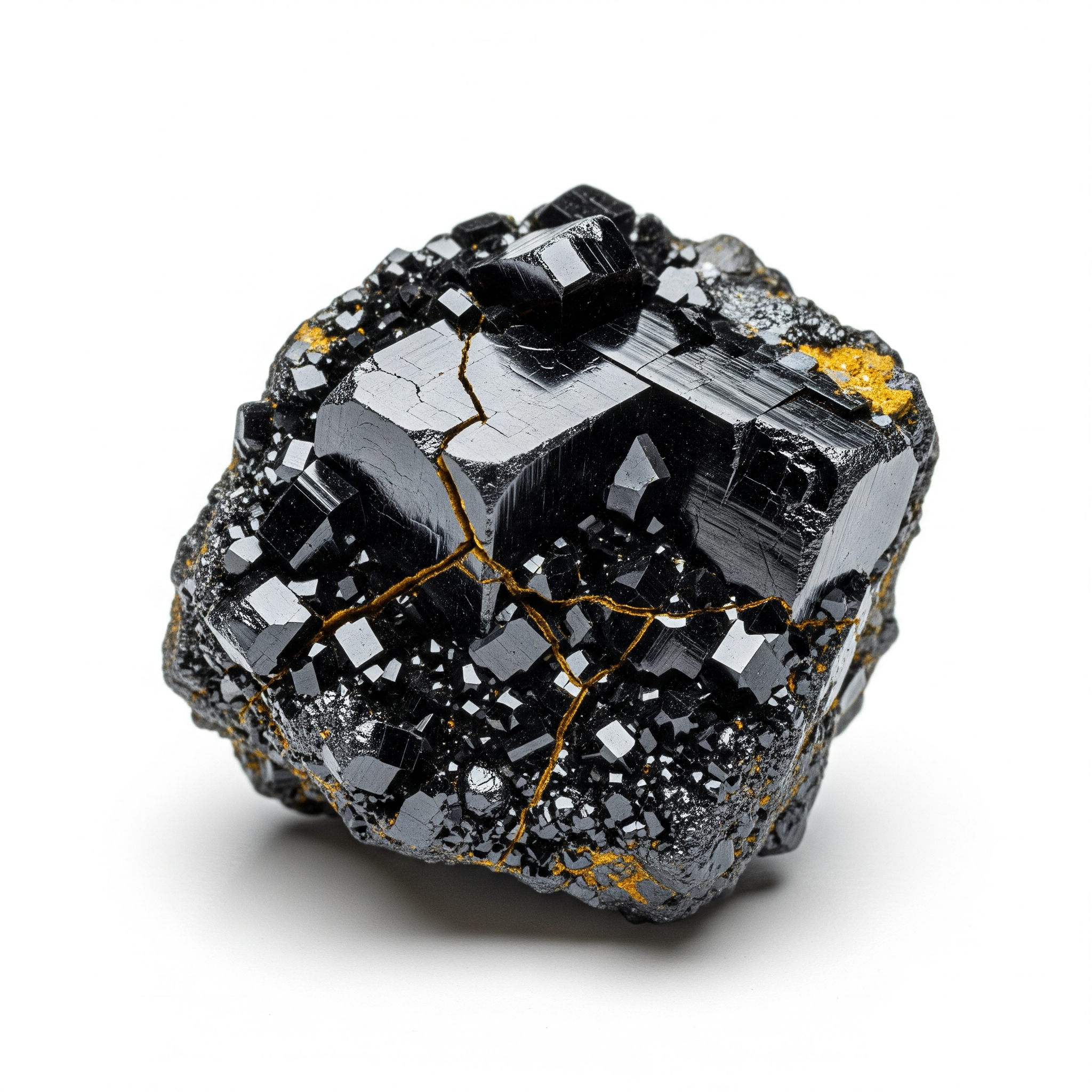
Chromite typically presents as iron-black to brownish-black, with a metallic to submetallic luster. Its crystals are most often granular or massive, occasionally forming octahedral shapes. The mineral is opaque, with a brown streak and uneven fracture. Specimens feel heavy due to their high density and may show parting but lack true cleavage.
Chromite’s primary function is as the chief source of chromium, a metal essential for producing stainless steel, refractory bricks, pigments, and a range of industrial chemicals. Its resistance to weathering allows it to persist in placer deposits, making it economically valuable for mining. The mineral’s presence in ultramafic rocks also makes it a key indicator in geological exploration.
Bring this kind into your world illustrated posters, mugs, and shirts.
Archival print, museum-grade paper
Buy Poster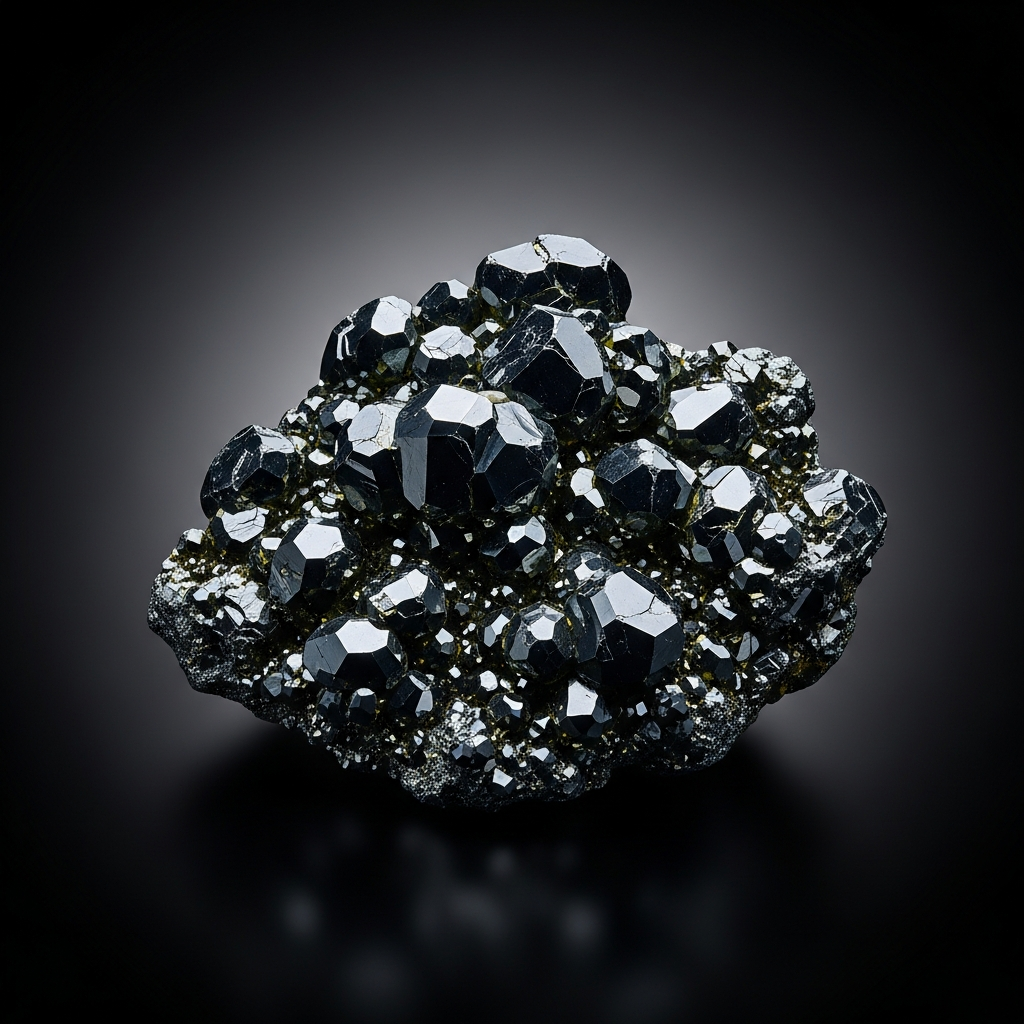
Stoneware mug, dishwasher safe
Buy Mug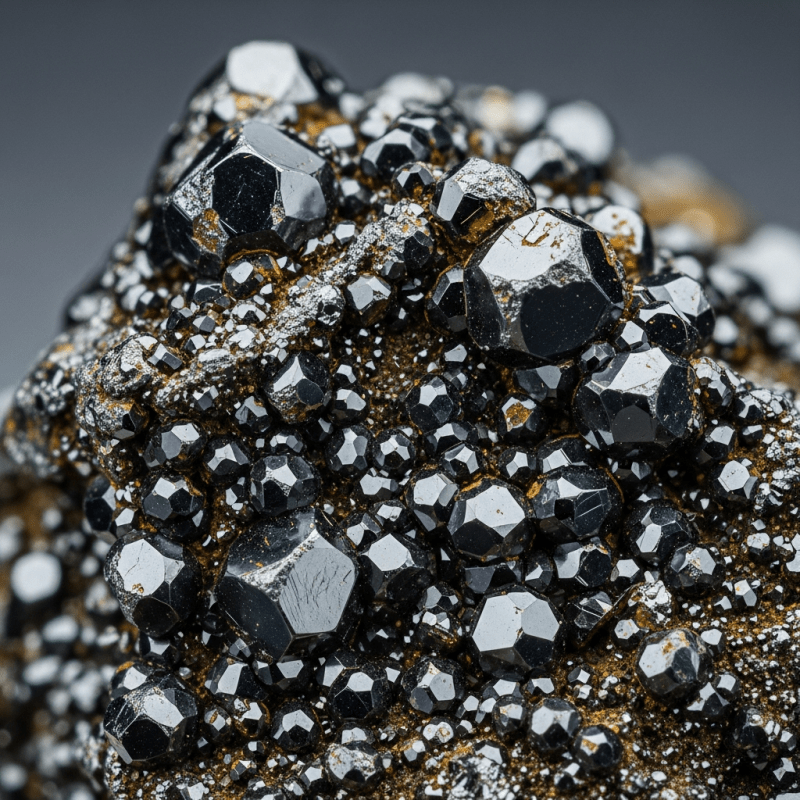
Soft cotton tee, unisex sizes
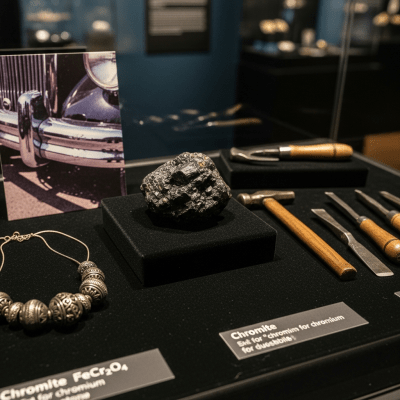
Buy ShirtWhile chromite itself holds limited direct cultural significance, its impact on modern society is profound. The extraction of chromium from chromite enabled the development of stainless steel, transforming architecture, transportation, and technology. Chromite’s legacy is thus embedded in the infrastructure and tools of contemporary civilization.
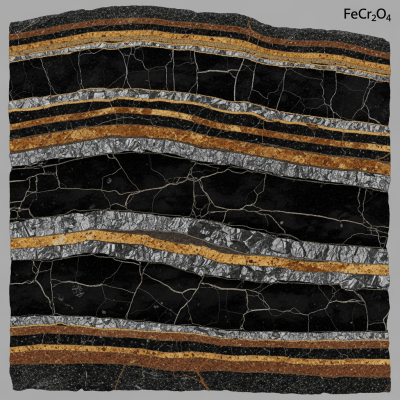
Chromite’s chemical formula is FeCr₂O₄, indicating it is composed of iron (Fe), chromium (Cr), and oxygen (O). This iron chromium oxide structure is the defining feature of the mineral.
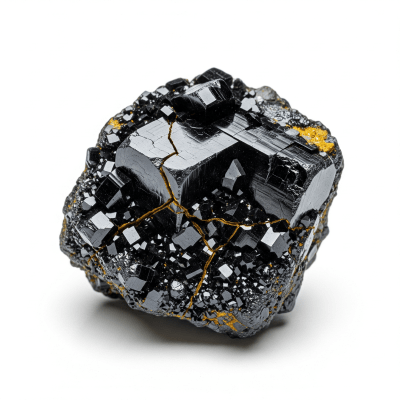
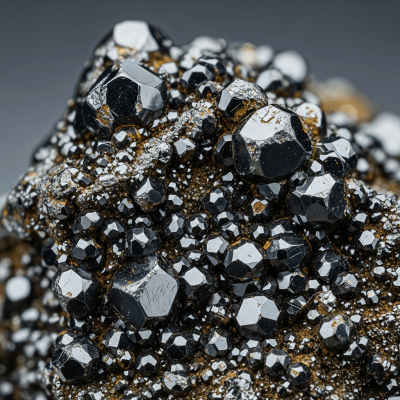
Chromite crystallizes in the isometric (cubic) system, typically forming octahedral or granular crystals. Its atomic arrangement is characteristic of the spinel structure, which imparts notable stability and resistance to alteration.
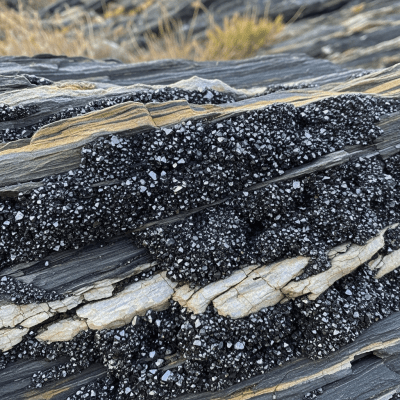
Chromite is primarily found in ultramafic igneous rocks such as peridotite and serpentinite, and in layered mafic intrusions like the Bushveld Complex (South Africa) and Stillwater Complex (Montana, USA). Its resistance to weathering allows it to accumulate in placer deposits, making it accessible for extraction in various geological settings.
Chromite is indispensable in industry as the main source of chromium. Chromium extracted from chromite is used to produce stainless steel, which is valued for its corrosion resistance and strength. Chromite is also used in refractory materials for high-temperature furnaces, pigments for coloring ceramics and paints, and in various chemical processes. Its economic importance is reflected in global mining operations and trade.
Chromite specimens are robust and resistant to weathering, but should be stored in a dry environment to prevent surface alteration. Clean gently with a soft brush and avoid harsh chemicals. As chromite is dense, handle with care to prevent chipping or abrasion of other minerals in a collection.
Notable chromite specimens are sourced from the Bushveld Complex in South Africa, which hosts the world’s largest reserves. The Stillwater Complex in Montana, USA, is also renowned among collectors and geologists for its well-crystallized chromite samples. These localities are pivotal in the global history of chromium extraction and mineralogical study.