Quartz
Quartz is a naturally occurring mineral composed of silicon dioxide (SiO₂), celebrated for its abundance, durability, and striking diversity of color and form.
Quartz is a naturally occurring mineral composed of silicon dioxide (SiO₂), celebrated for its abundance, durability, and striking diversity of color and form.
Quartz has been known since antiquity, with its earliest scientific description attributed to Carl Linnaeus in the 18th century. The name "quartz" originates from the German word "Quarz." As one of the oldest recognized minerals, quartz predates formal mineralogical classification and has played a foundational role in the development of mineralogy. Today, it is officially recognized by the International Mineralogical Association (IMA) as a distinct mineral species.
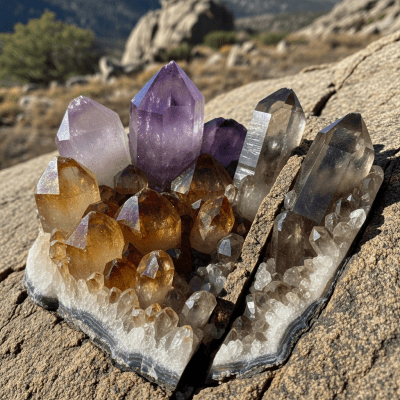
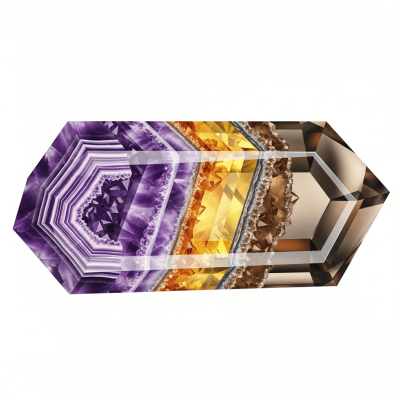
Quartz belongs to the silica group of minerals and is classified as a tectosilicate. Its Dana classification is 75.1.3.1, and its Strunz code is 4/D.07-1. Quartz is a mineral species defined by its unique chemical formula and crystal structure, and it serves as a key reference point in both the Dana and Strunz classification systems. Its varieties—such as amethyst, citrine, and smoky quartz—are distinguished by color and minor chemical differences, but all share the same fundamental structure.
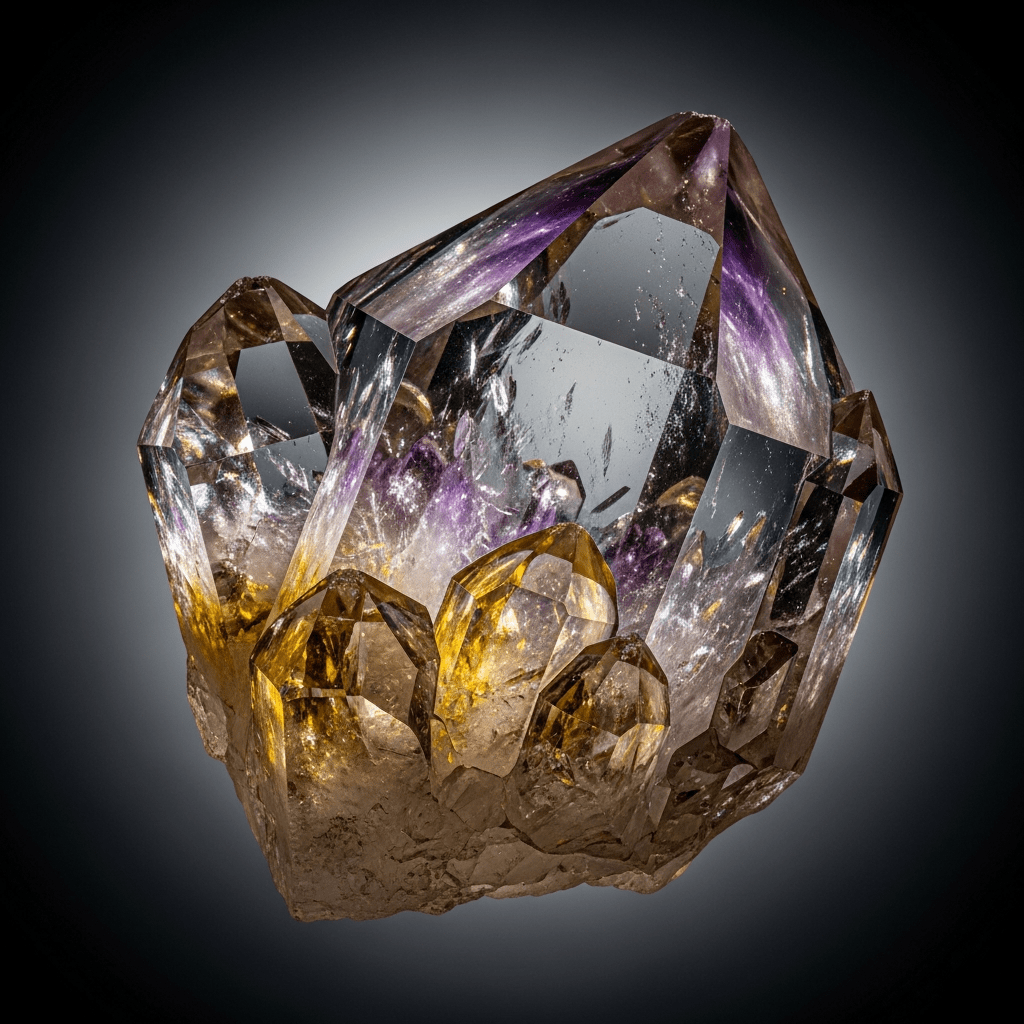
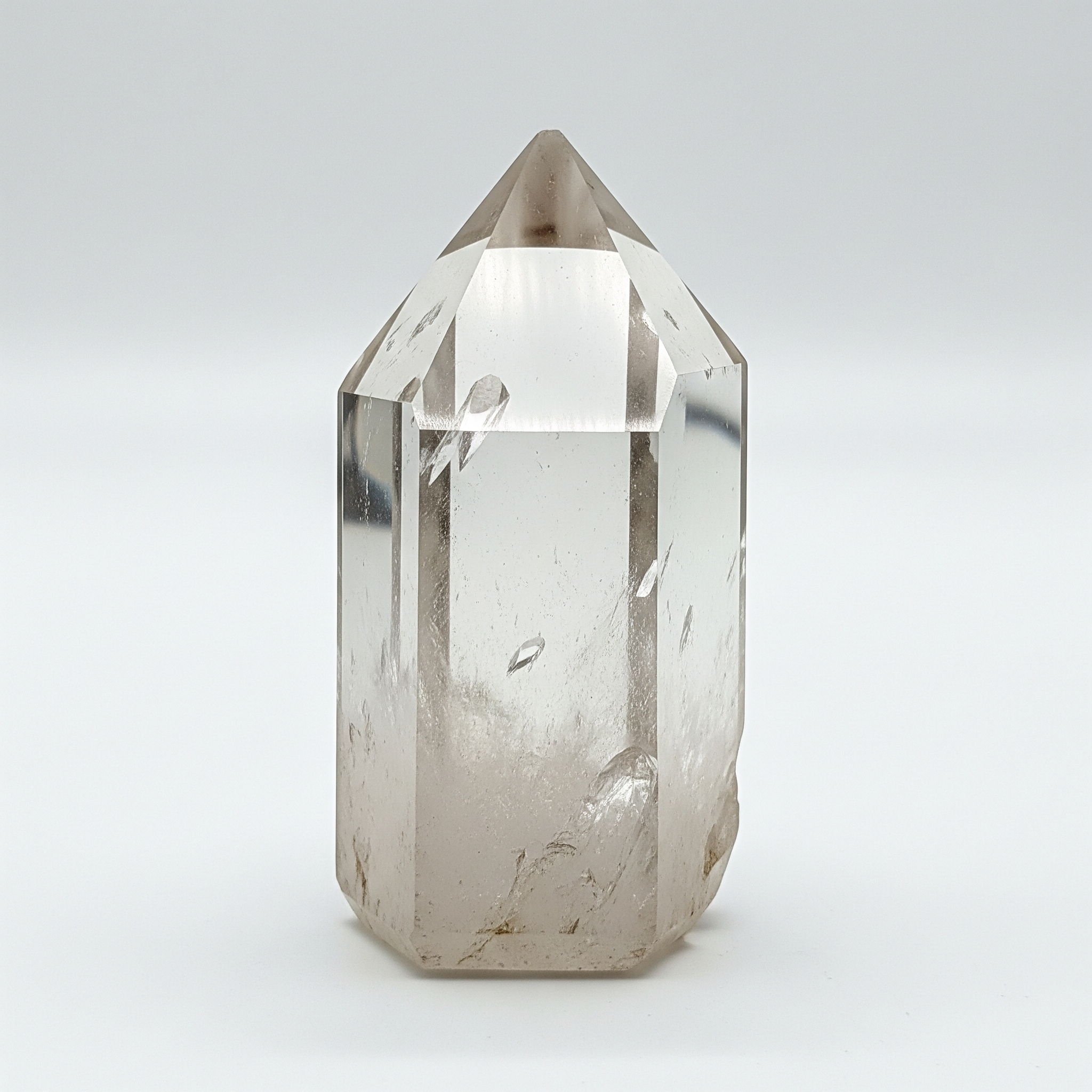
Quartz typically forms prismatic hexagonal crystals with sharply pointed pyramidal terminations. Its luster is vitreous, giving it a glass-like shine, and it ranges from transparent to translucent. Pure quartz is colorless (rock crystal), but trace impurities can produce vibrant colors: purple (amethyst), yellow (citrine), gray-brown (smoky quartz), pink (rose quartz), white (milky quartz), and green (prasiolite). The mineral is brittle, exhibits no cleavage, and breaks with a conchoidal (shell-like) fracture. Its clarity and symmetry make quartz specimens highly prized by collectors.
Quartz is valued for its hardness and resistance to weathering, making it a persistent mineral in soils and sediments. Its piezoelectric properties allow it to generate an electric charge under mechanical stress, which is harnessed in precision devices like watches and oscillators. Quartz is also a major raw material in the glass and ceramics industries, and its optical clarity is essential for lenses and scientific instruments. As a gemstone, quartz varieties are widely used in jewelry and decorative carvings.
Bring this kind into your world illustrated posters, mugs, and shirts.
Archival print, museum-grade paper
Buy Poster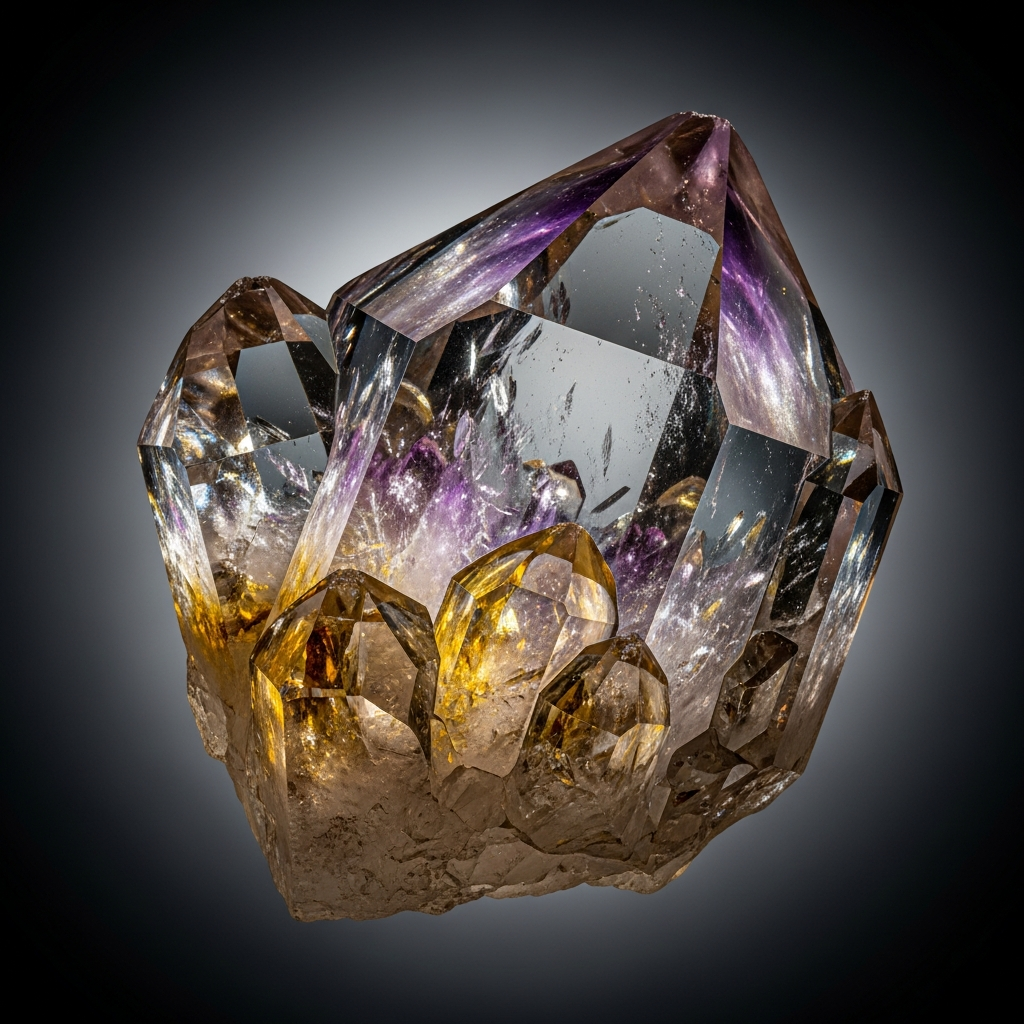
Stoneware mug, dishwasher safe
Buy Mug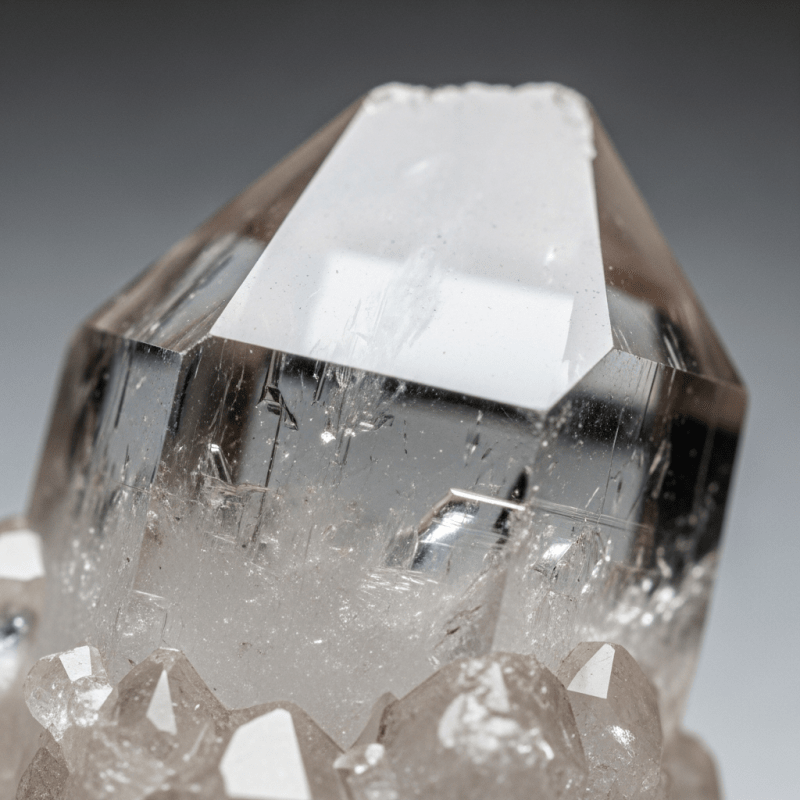
Soft cotton tee, unisex sizes
Buy ShirtQuartz has held cultural and symbolic importance across civilizations. Ancient peoples fashioned rock crystal into jewelry, amulets, and ritual objects, believing it possessed healing or mystical powers. Amethyst, the purple variety, was prized by royalty and clergy for its perceived ability to ward off intoxication. Today, quartz remains a popular gemstone and is often featured in art, architecture, and spiritual practices worldwide.
Quartz has the chemical formula SiO₂, meaning each molecule consists of one silicon atom bonded to two oxygen atoms. This simple yet robust composition is responsible for its remarkable stability and resistance to chemical weathering.
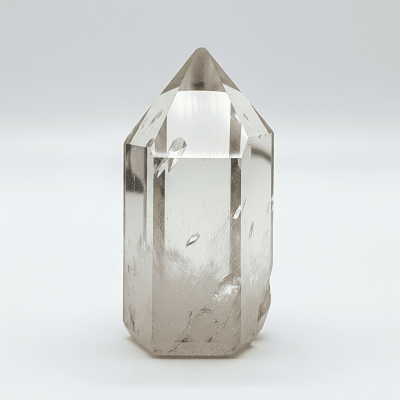
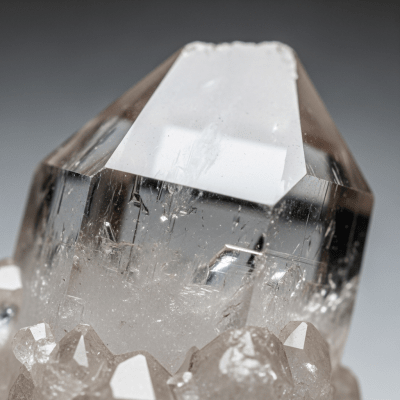
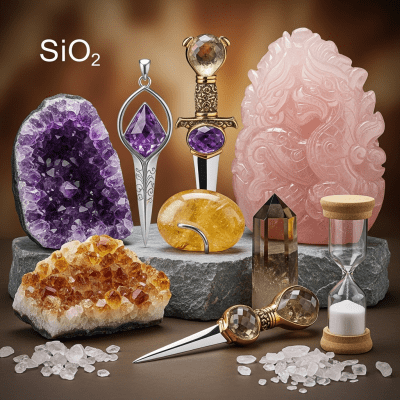
Quartz crystallizes in the trigonal division of the hexagonal crystal system. Its atomic structure forms a continuous framework of silicon-oxygen tetrahedra, resulting in well-defined prismatic hexagonal crystals with characteristic pyramidal ends.
Quartz is ubiquitous in the Earth's crust, occurring in igneous, metamorphic, and sedimentary rocks. It is a major constituent of granite, sandstone, and quartzite. Significant deposits are found in Brazil, Madagascar, the United States (Arkansas), Switzerland, and the Alps, but quartz can be found virtually everywhere on the planet.
Quartz is indispensable in the glass and ceramics industries, where its purity and high melting point are crucial. Its piezoelectric properties are harnessed in electronic oscillators, watches, and precision instruments. Quartz crystals are used in optical devices, scientific equipment, and as gemstones in jewelry. Carved quartz objects and decorative pieces have been valued for centuries.
Some of the world's largest quartz crystals have been found in Brazil, with individual specimens weighing several tons. The Swiss Alps are renowned for their clear rock crystal clusters, and Arkansas is famous for its high-quality quartz points. Amethyst geodes from Uruguay and Brazil are celebrated for their intense color and size, often featured in museums and private collections.