
Topaz
Topaz is a silicate mineral celebrated for its exceptional hardness, clarity, and dazzling array of colors, making it both a prized gemstone and a key mineralogical species.
Topaz is a silicate mineral celebrated for its exceptional hardness, clarity, and dazzling array of colors, making it both a prized gemstone and a key mineralogical species.
The name "topaz" is thought to originate from the ancient island of Topazios (now Zabargad) in the Red Sea, though the mineral found there was likely peridot. Topaz itself has been known since antiquity, but was formally recognized as a distinct mineral species in the early 19th century. Its earliest scientific descriptions date to the late 1700s and early 1800s, and it is now officially approved by the International Mineralogical Association (IMA).
Topaz belongs to the nesosilicate group, characterized by isolated silica tetrahedra. It is classified under Dana code 52.4.1.1 and Strunz code 9.AF.45. Its orthorhombic crystal system and unique chemical formula distinguish it from other silicates, and it is recognized as a valid mineral species by the IMA.
Topaz typically forms elongated, prismatic crystals with distinct striations and natural terminations. Its colors span from colorless to vivid blue, yellow, orange, pink, brown, and, on rare occasions, red or green. The mineral is highly transparent, with a vitreous luster and perfect basal cleavage, giving it a bright, glass-like appearance. Specimens often display color zoning and remarkable clarity.
Topaz is most renowned for its use as a gemstone, especially in jewelry, where blue and colorless varieties are highly sought after. Its hardness makes it durable for wear, though its perfect cleavage requires careful handling during cutting. Beyond adornment, topaz is collected by mineral enthusiasts and has minor applications as an abrasive.
Bring this kind into your world illustrated posters, mugs, and shirts.
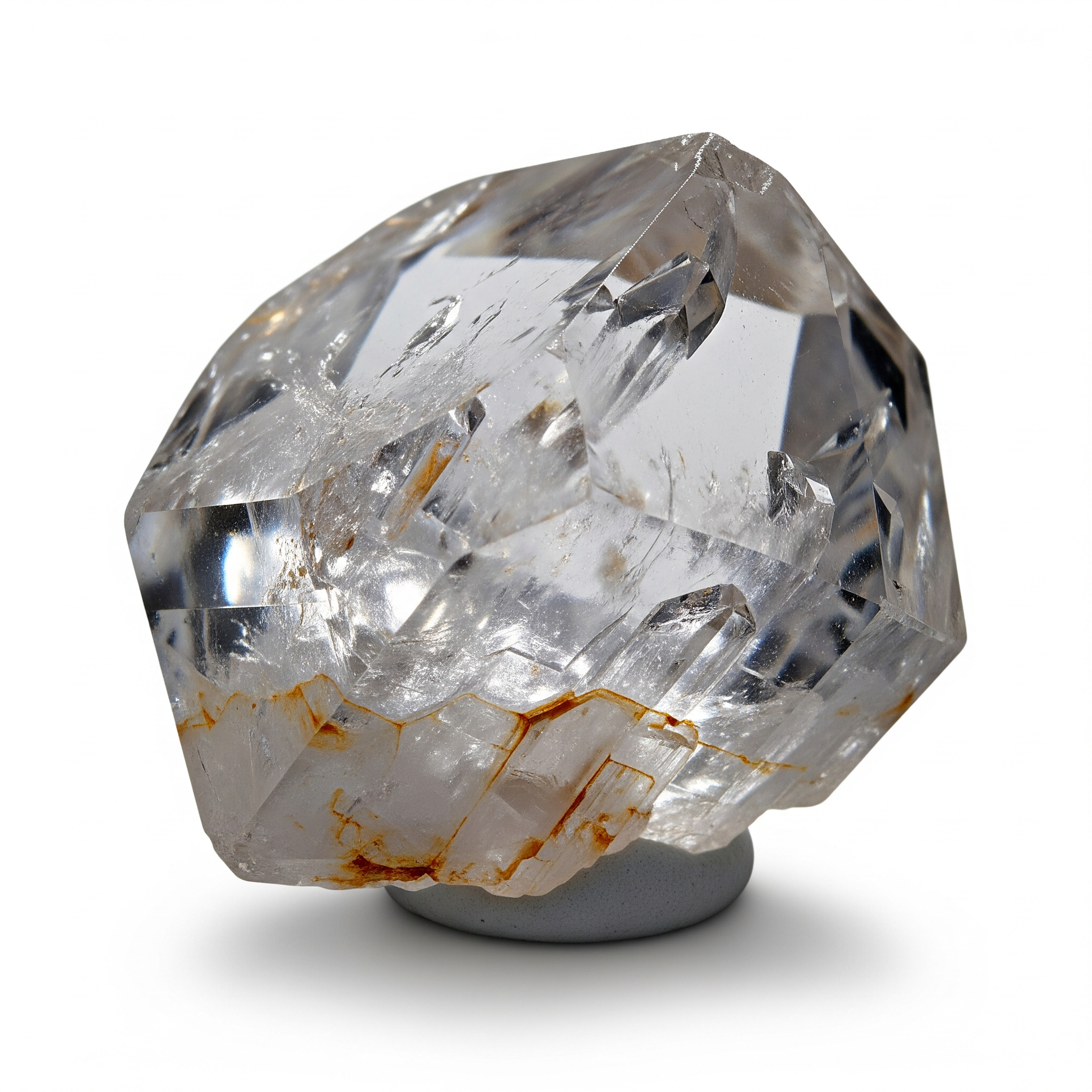
Archival print, museum-grade paper
Buy Poster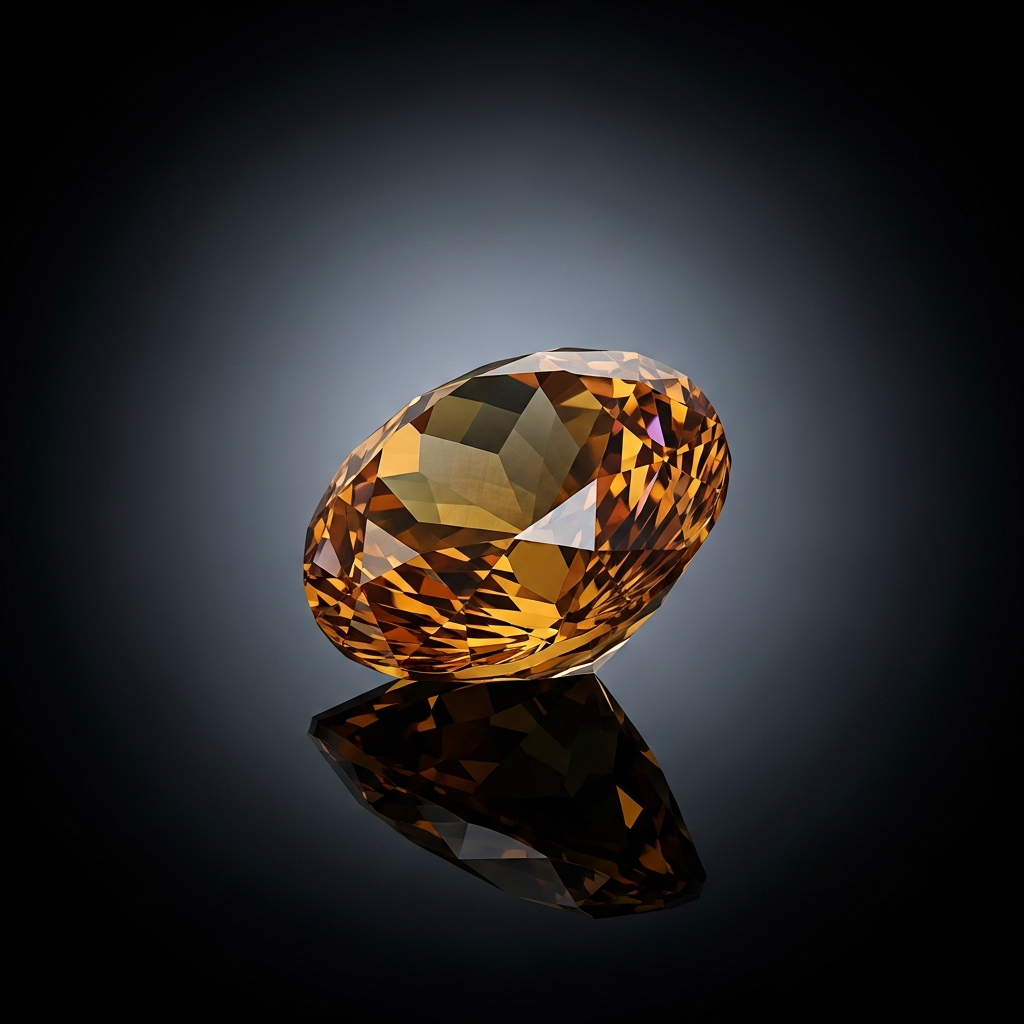
Stoneware mug, dishwasher safe
Buy Mug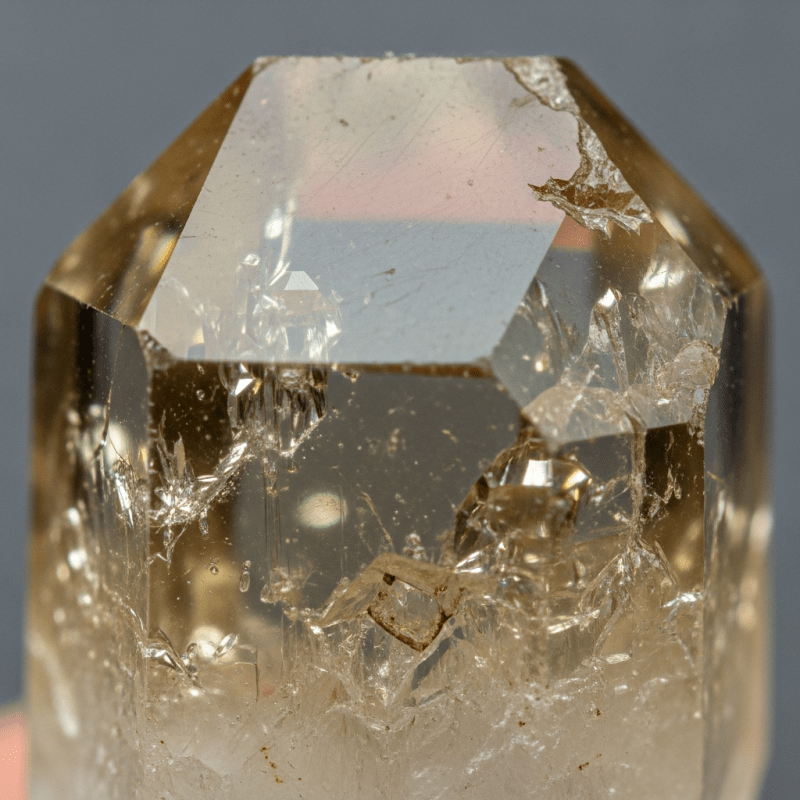
Soft cotton tee, unisex sizes
Buy ShirtTopaz holds a special place in culture as the birthstone for November and is referenced in historical texts and folklore. Its vibrant colors and clarity have inspired legends and artistic representations, while its enduring popularity in jewelry has cemented its status in modern fashion and tradition.
Topaz has the chemical formula Al₂SiO₄(F,OH)₂, comprising aluminum, silicon, oxygen, and variable amounts of fluorine and hydroxyl groups.
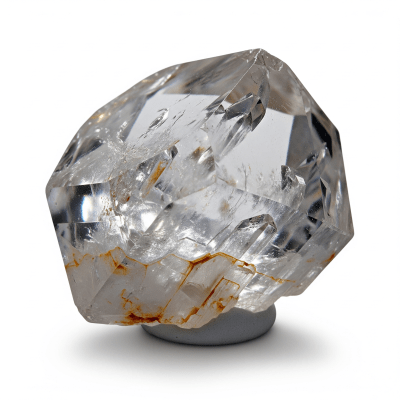
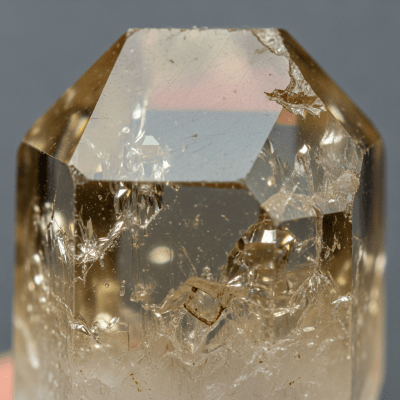
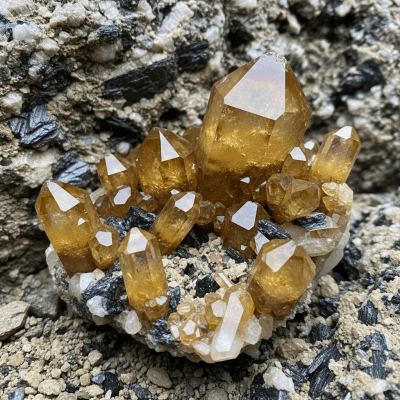

Topaz crystallizes in the orthorhombic system, forming elongated prismatic crystals with well-defined striations and perfect basal cleavage. This ordered atomic arrangement contributes to its clarity and distinctive crystal habits.
Topaz is typically found in granitic pegmatites, rhyolites, and hydrothermal veins, often alongside quartz, fluorite, and cassiterite. Major localities include Minas Gerais in Brazil, the Ural Mountains in Russia, Pakistan, Nigeria, Sri Lanka, and several regions in the United States such as Utah, Texas, and Colorado. It occurs both in primary deposits and as water-worn crystals in alluvial placers.
These names are often used in gemology, but only Al₂SiO₄(F,OH)₂ is recognized as true topaz by mineralogical authorities.
Topaz is valued primarily as a gemstone, with blue and colorless stones being especially popular in jewelry. Its hardness lends itself to minor use as an abrasive, and it is sought after by mineral collectors for its clarity and crystal form.
Some of the world's most celebrated topaz specimens come from Minas Gerais, Brazil, including large, gem-quality "Imperial Topaz" crystals. Notable museum pieces feature flawless blue and colorless stones, while historic gems have adorned royal regalia and jewelry collections for centuries.