Origin Story
Volcanoes originate deep within the Earth where intense heat melts rock into magma. This molten material rises through cracks in the crust, eventually erupting onto the surface. Most volcanoes form along tectonic plate boundaries or over hotspots, with their beginnings tracing back millions of years as Earth's interior evolved and plates shifted.
Classification
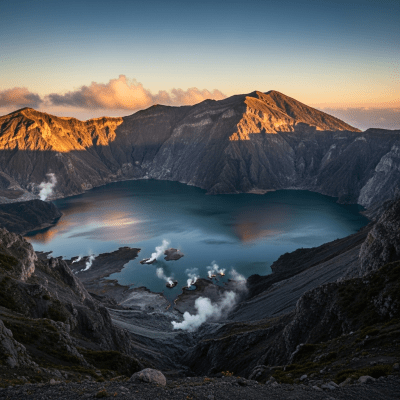
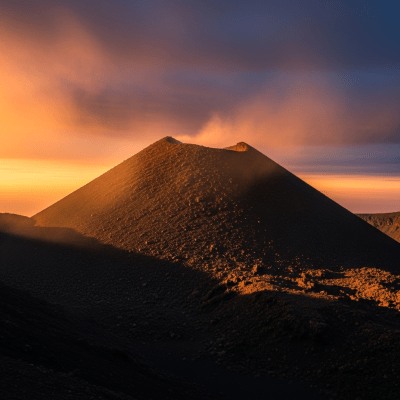
Volcanoes are classified primarily by their shape and eruption style. Major types include shield volcanoes with broad, gentle slopes; stratovolcanoes, tall and layered from alternating lava and ash; cinder cones, small and steep-sided; lava domes formed by viscous lava; and calderas, large depressions from collapsed eruptions. They are also categorized by activity status—active, dormant, or extinct—and by location, such as continental, oceanic, or submarine volcanoes.
Appearance or Form
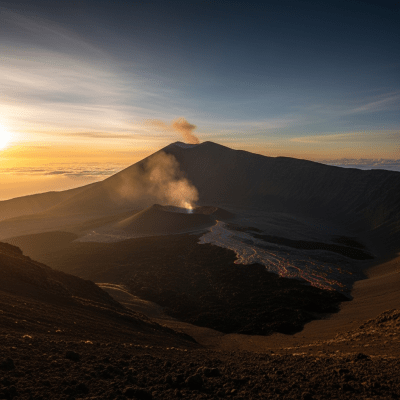
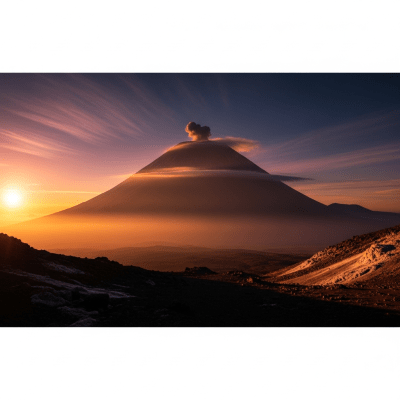
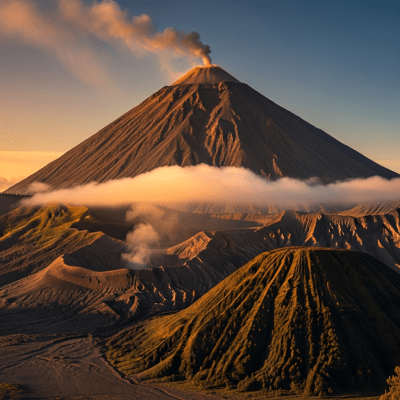
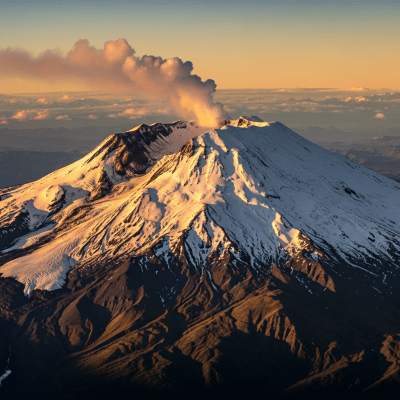
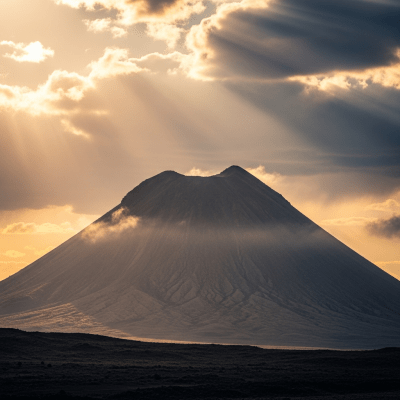
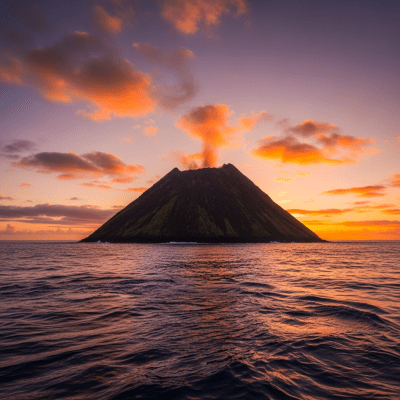
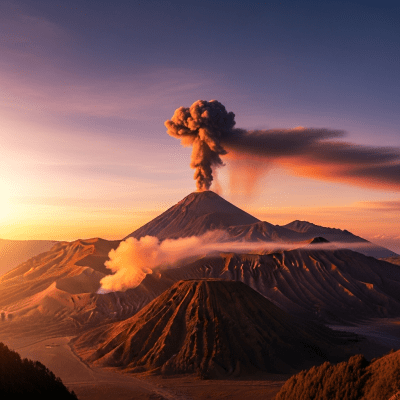
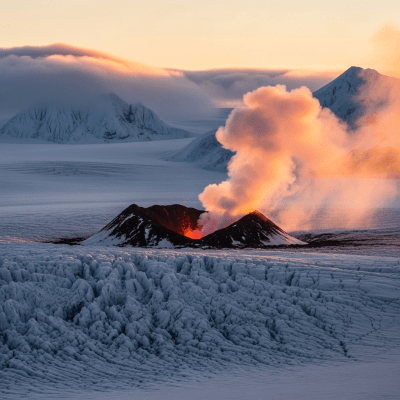
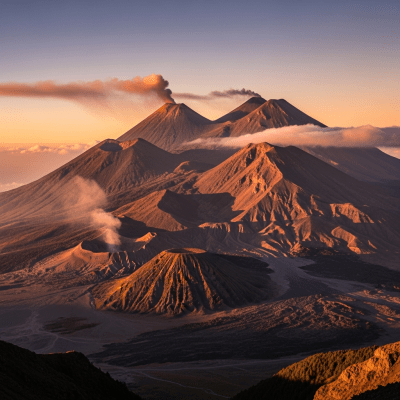
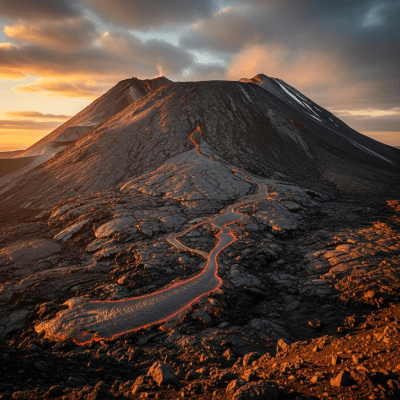
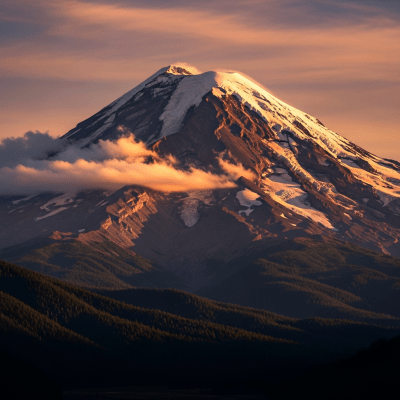
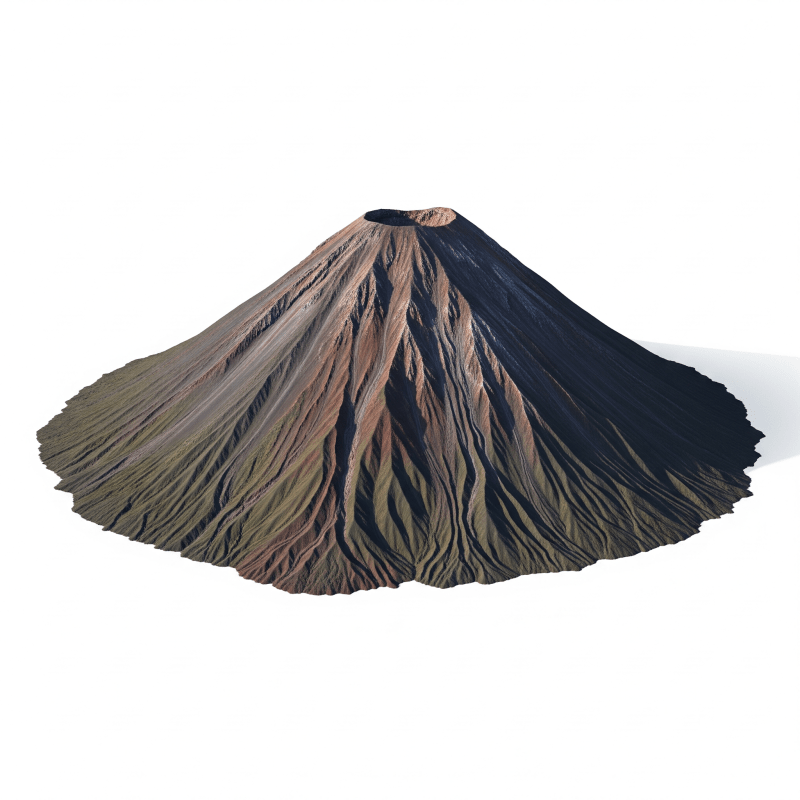
Visually, volcanoes vary widely: shield volcanoes display wide, gently sloping profiles resembling shields; stratovolcanoes rise steeply with symmetrical cones; cinder cones appear as small, rugged hills made of volcanic fragments. Calderas form vast, often circular depressions. Their surfaces may be covered with hardened lava, ash layers, or volcanic rock, often marked by craters or fissures emitting steam or gases.
Behavior or Usage
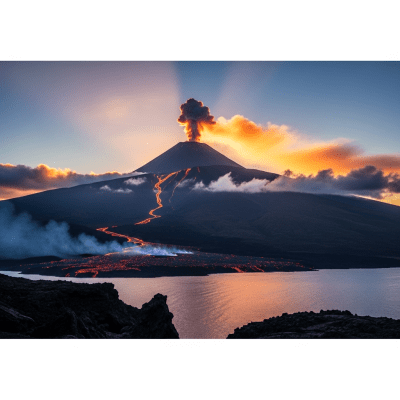
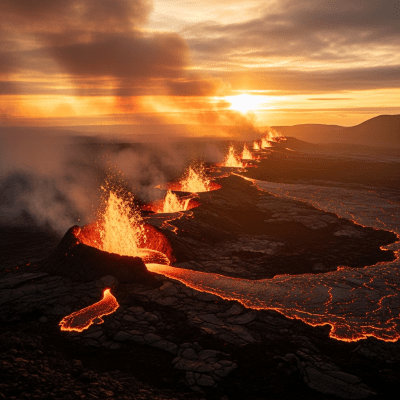
Volcanoes actively shape the environment through eruptions that release lava, ash, and gases. These eruptions can build new landforms or alter existing ones. Humans monitor volcanoes for hazard assessment and disaster preparedness, especially near populated areas. Additionally, volcanic soils support agriculture, geothermal energy is harnessed for power, and volcanic landscapes attract tourism and scientific research.