Origin Story
The story of fruits begins with the evolution of flowering plants (angiosperms) millions of years ago, which developed fruits as a means to protect and disperse seeds. Over time, fruits have been cultivated and selectively bred by humans across various regions, adapting to climates and cultural preferences to become staple foods and agricultural commodities.
Classification
Fruits belong to the kingdom Plantae and are classified botanically as mature ovaries of angiosperms. They are further categorized into types such as berries, drupes, pomes, aggregate fruits, and multiple fruits based on their structure and development. This botanical classification contrasts with culinary groupings, which often consider taste and usage rather than strict plant anatomy.
Appearance or Form
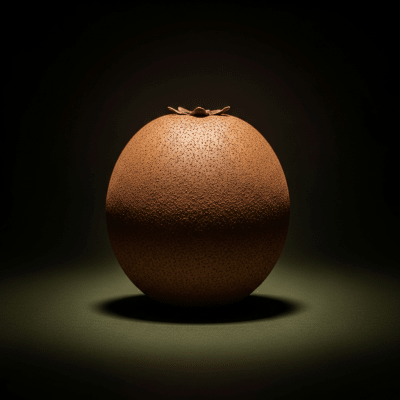
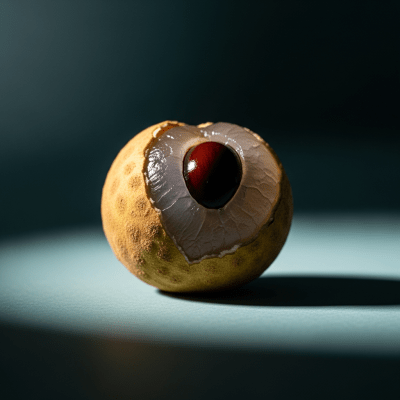
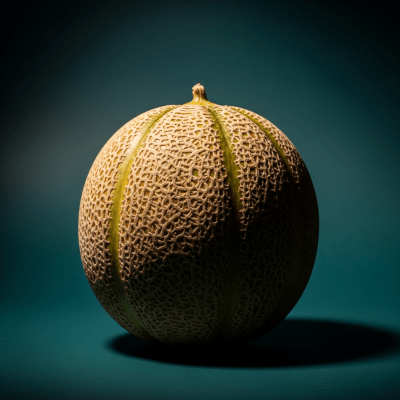
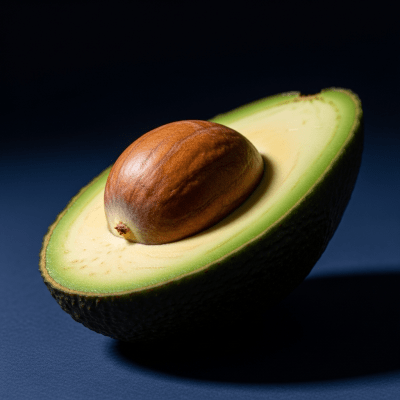
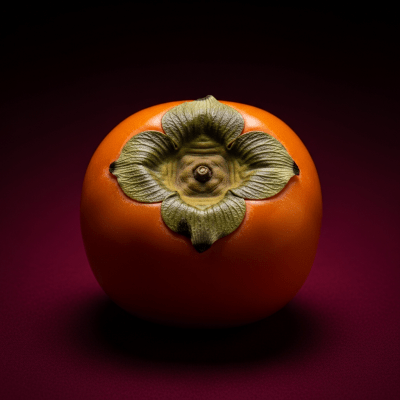
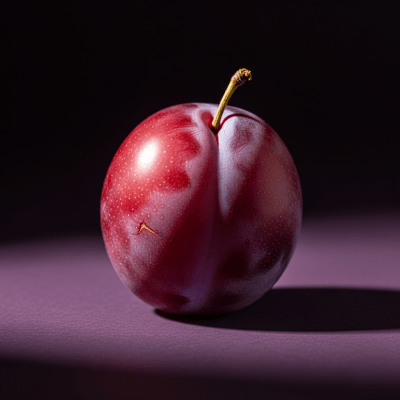
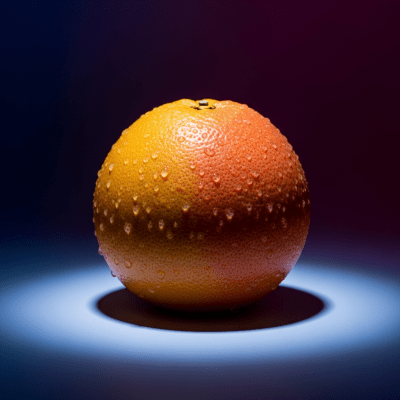
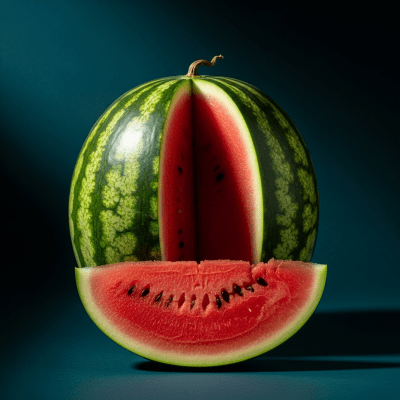
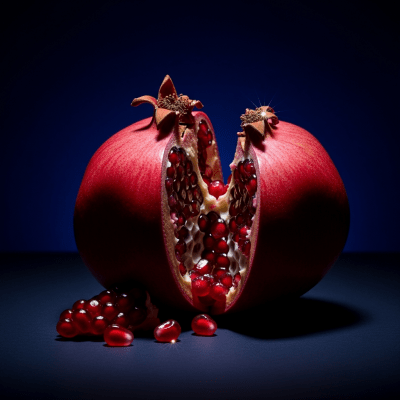
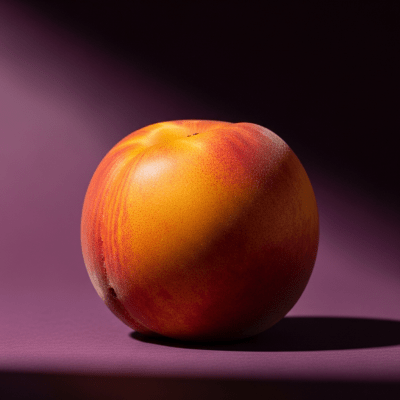
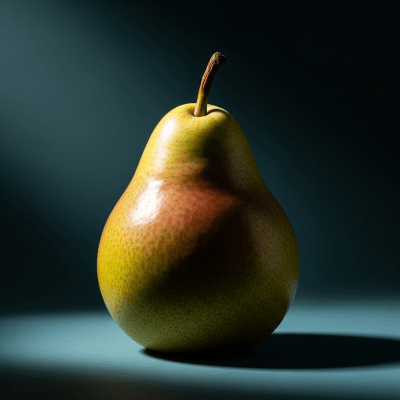
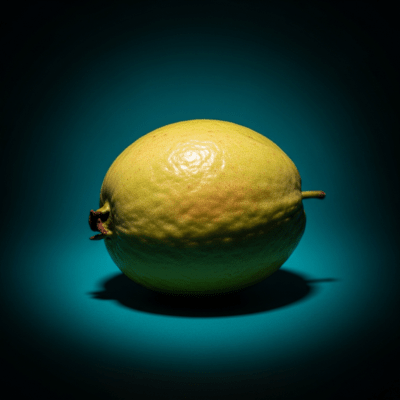
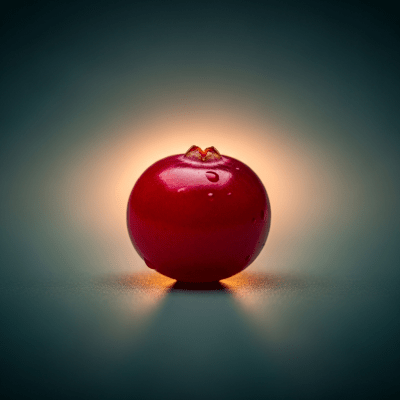
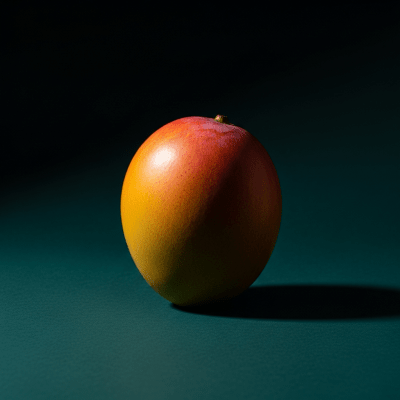
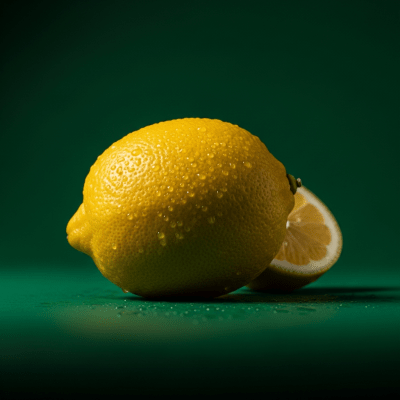
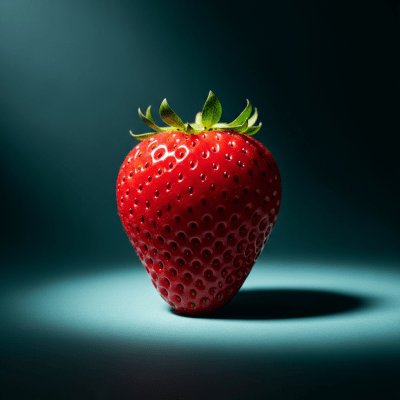
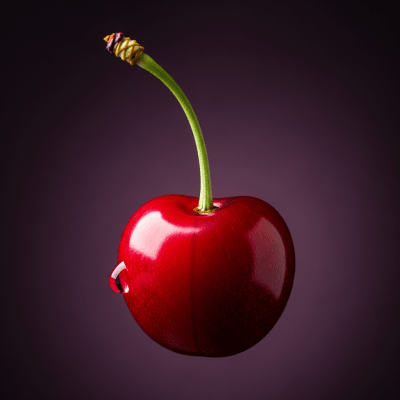
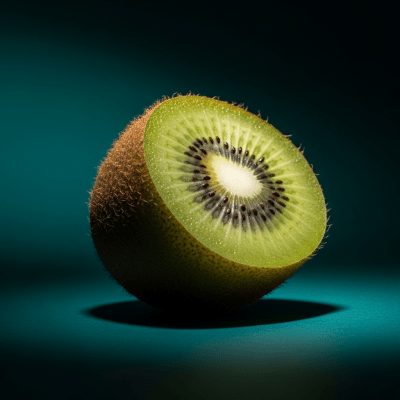
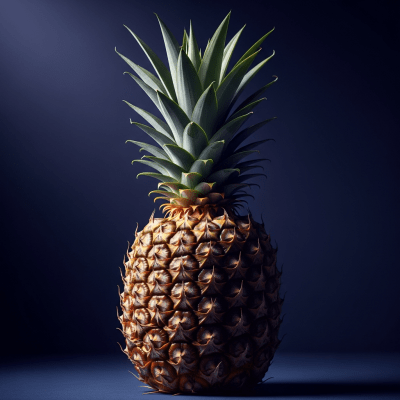
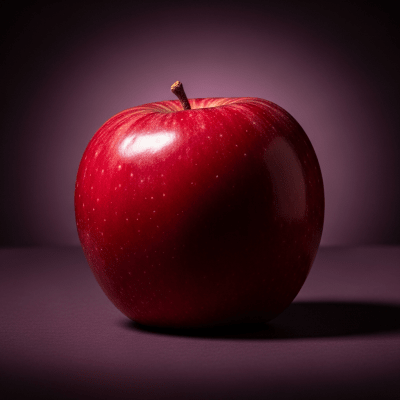
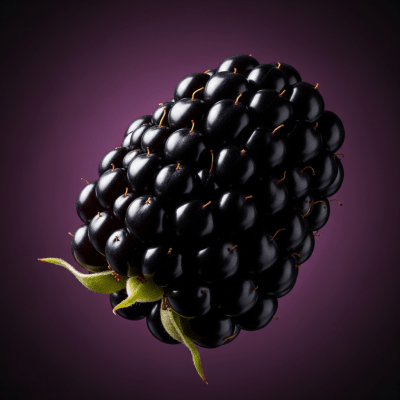
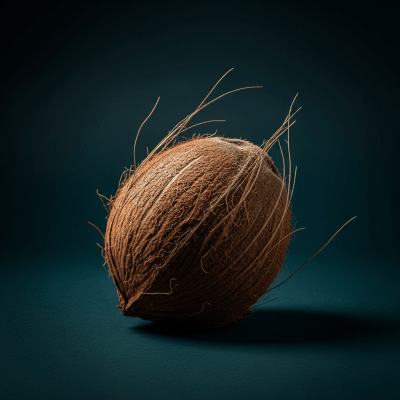
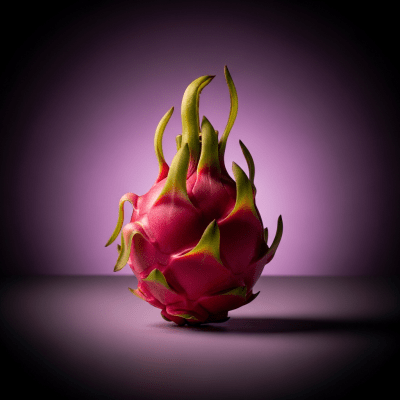
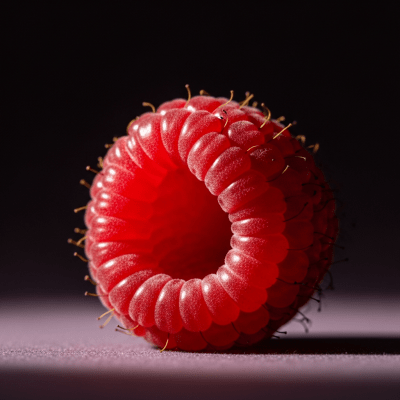
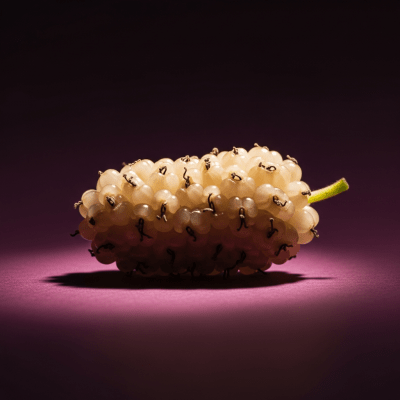
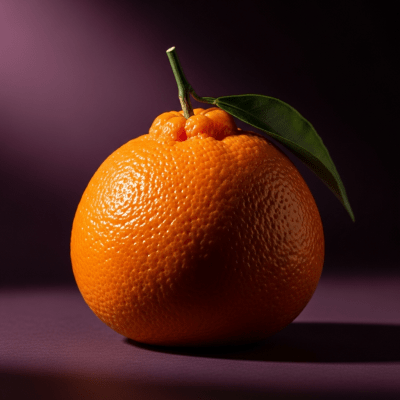
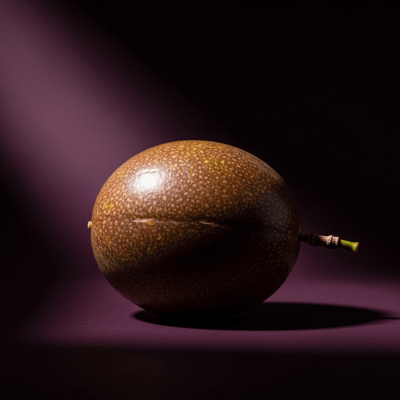
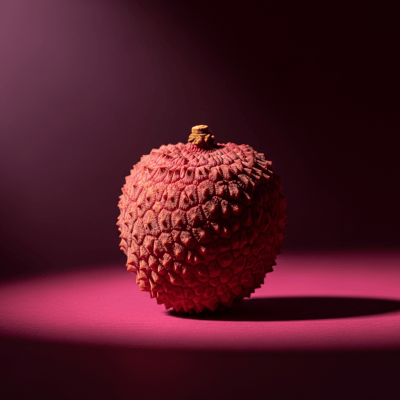
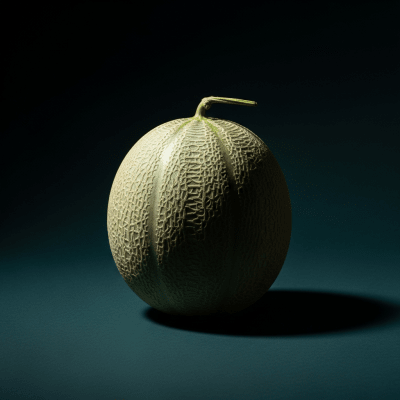
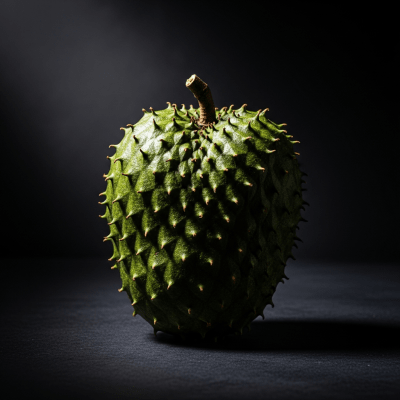
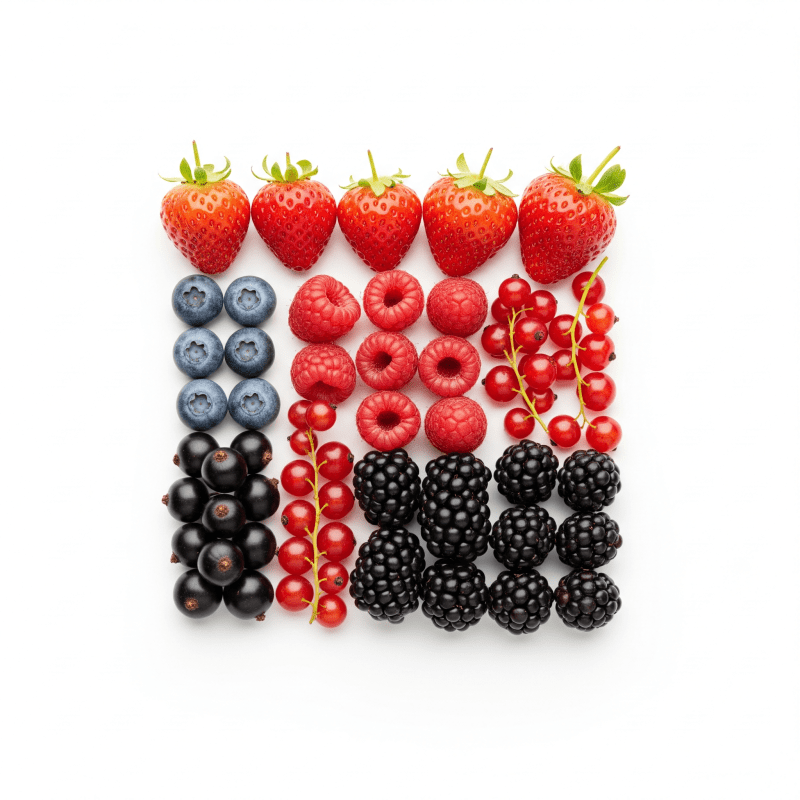
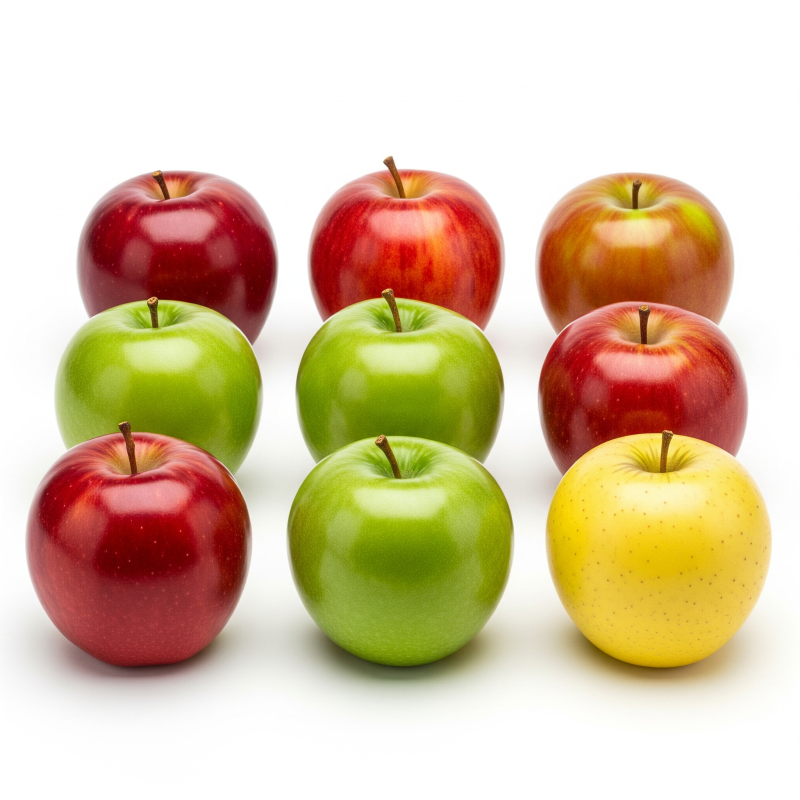
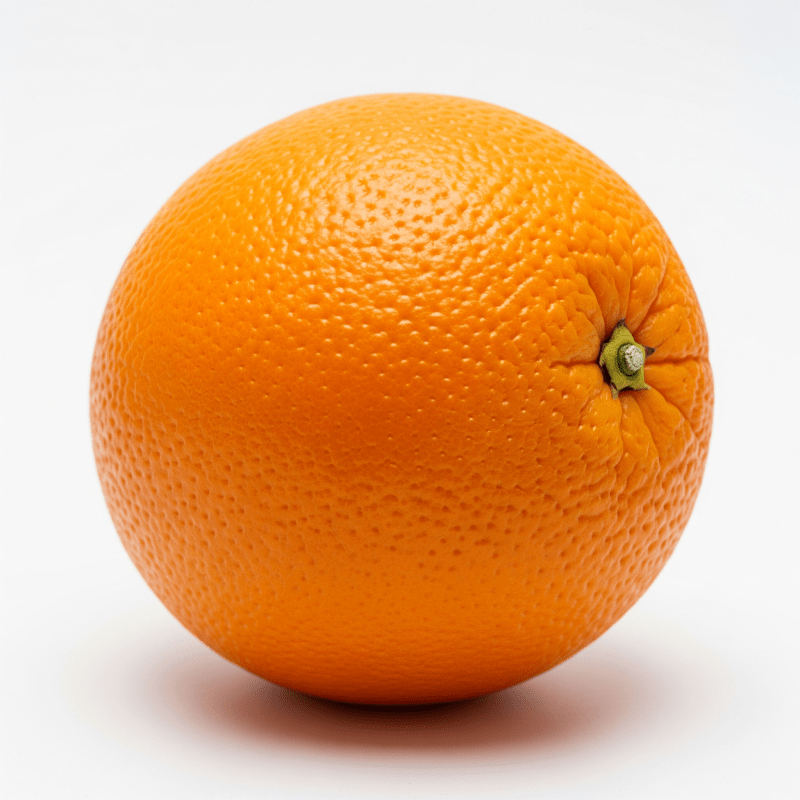
Fruits exhibit a remarkable variety of forms, colors, and textures. They can range from small, smooth berries to large, textured pomes or drupes with hard pits. Their appearances often signal ripeness and edibility, featuring vibrant hues like reds, yellows, and greens, and textures that vary from juicy and soft to firm and crisp.
Behavior or Usage
Fruits serve multiple functions, both ecologically and for humans. Botanically, they protect seeds and aid in their dispersal through animals, wind, or water. For humans, fruits are consumed fresh, dried, or processed, providing essential nutrients, flavors, and culinary versatility. They are used in cooking, baking, beverages, and traditional medicines, making them integral to diets and economies worldwide.