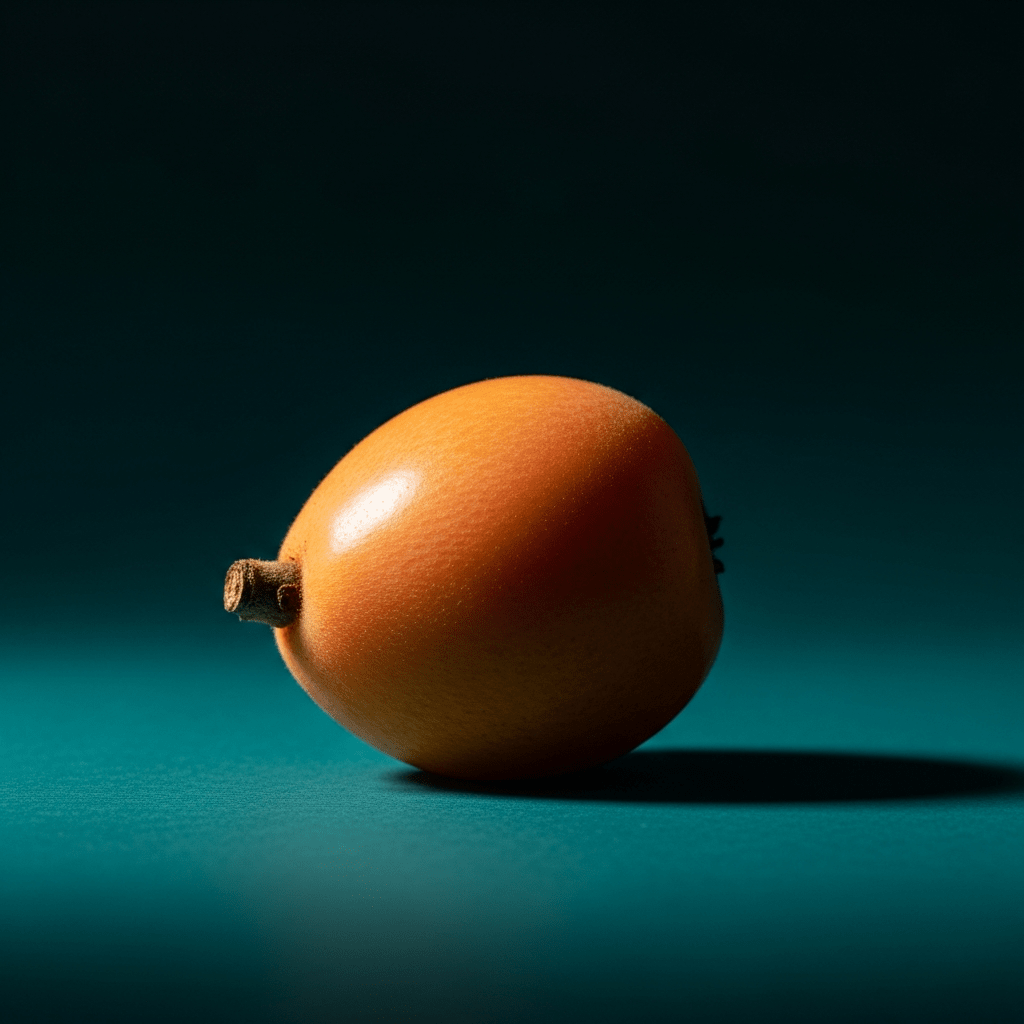
Loquat
The loquat is a subtropical, evergreen fruit tree prized for its sweet-tart, yellow to orange fruits and widespread culinary and ornamental appeal.
The loquat is a subtropical, evergreen fruit tree prized for its sweet-tart, yellow to orange fruits and widespread culinary and ornamental appeal.
Originating in southeastern China, the loquat has been cultivated for over a millennium. It was introduced to Japan before the Tang dynasty, where selective breeding enhanced fruit quality and disease resistance. From East Asia, the loquat spread to the Mediterranean, the Americas, and other subtropical regions, adapting to diverse climates and inspiring numerous local varieties. Its journey reflects centuries of horticultural tradition and global exchange.
Botanically, the loquat belongs to the Rosaceae family and is classified as a pome fruit, sharing lineage with apples and pears. Its scientific name is Eriobotrya japonica. The fruit’s structure and growth habits align it with other fleshy, seed-bearing produce that develop from flowering plants, fitting squarely within the broader taxonomy of edible fruits.
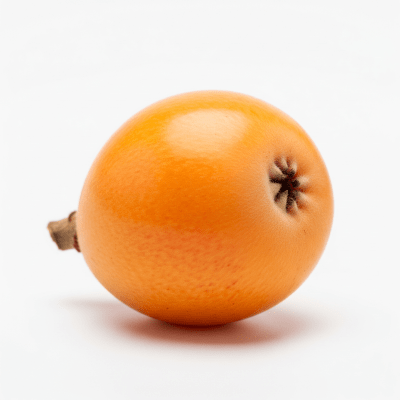
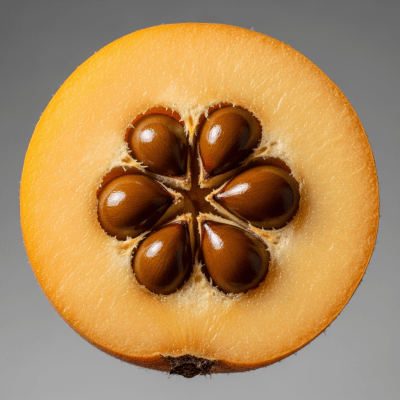
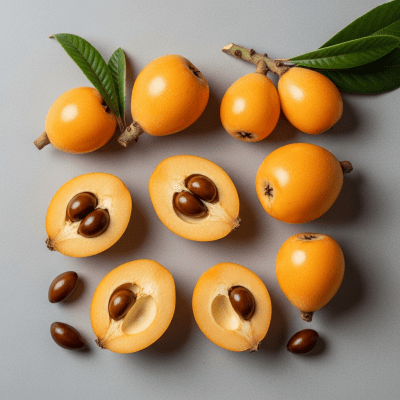
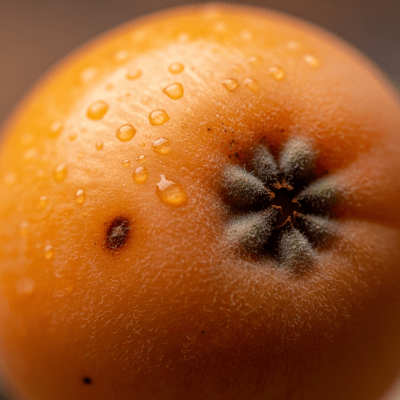
Loquat trees are medium-sized evergreens with large, leathery, dark green leaves. The fruit itself is oval to pear-shaped, measuring 3–5 cm in length, and features thin, smooth skin ranging from yellow to vibrant orange. Inside, the juicy, aromatic flesh surrounds up to five large brown seeds. Loquats grow in clusters, creating a visually appealing display against the tree’s lush foliage.
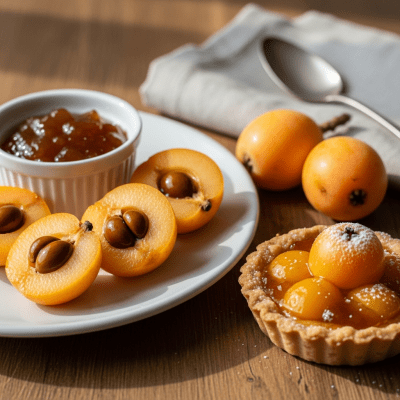
Loquat fruits are primarily enjoyed fresh for their refreshing sweet-tart flavor and succulent texture. They are also transformed into jams, jellies, preserves, syrups, and fruit wines. In East Asia, the leaves are valued for herbal teas and traditional medicine. The tree’s ornamental qualities—striking foliage and fragrant flowers—make it a favorite in gardens and landscapes. Importantly, the seeds are not edible and should be avoided due to natural toxins.
Bring this kind into your world illustrated posters, mugs, and shirts.
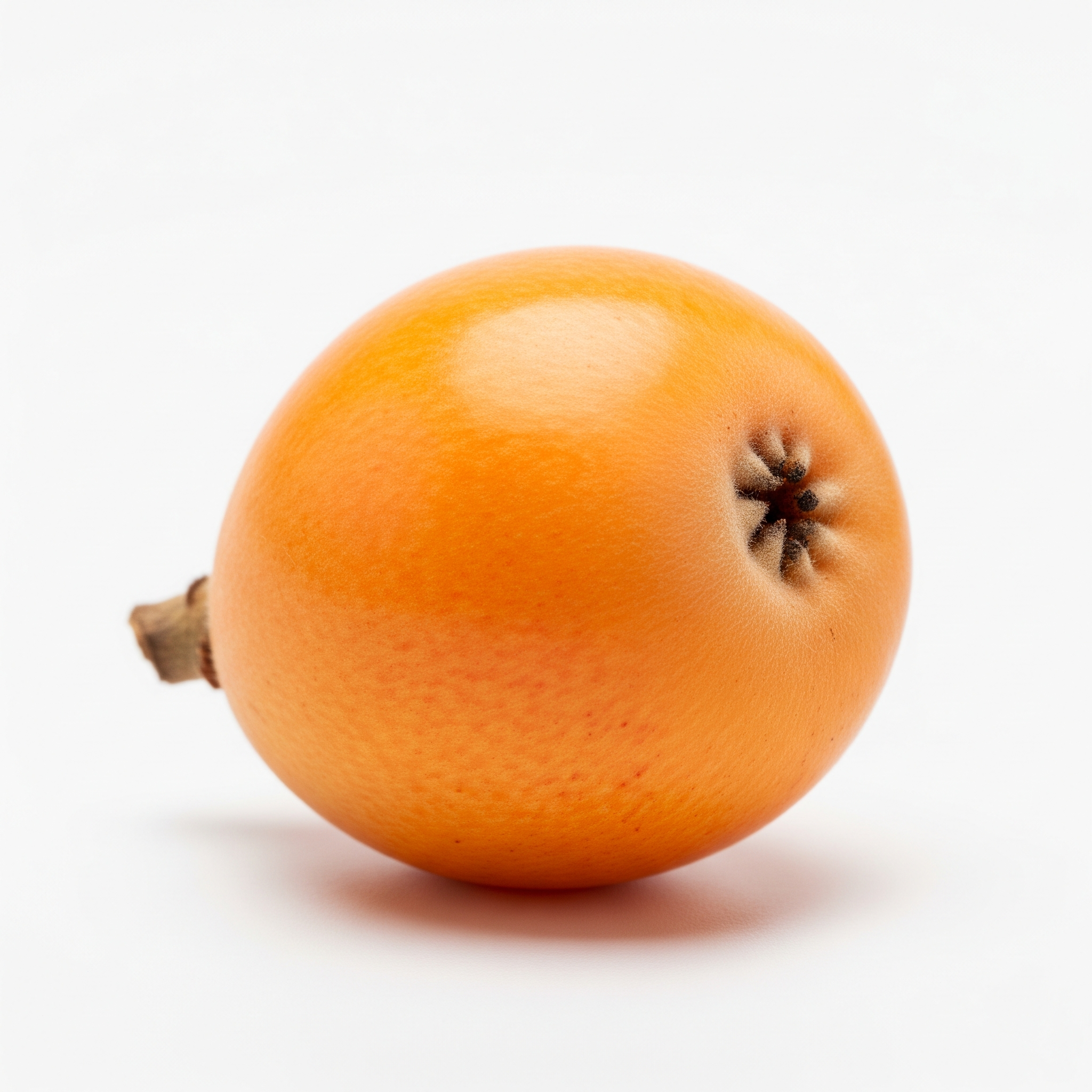
Archival print, museum-grade paper
Buy Poster
Stoneware mug, dishwasher safe
Buy Mug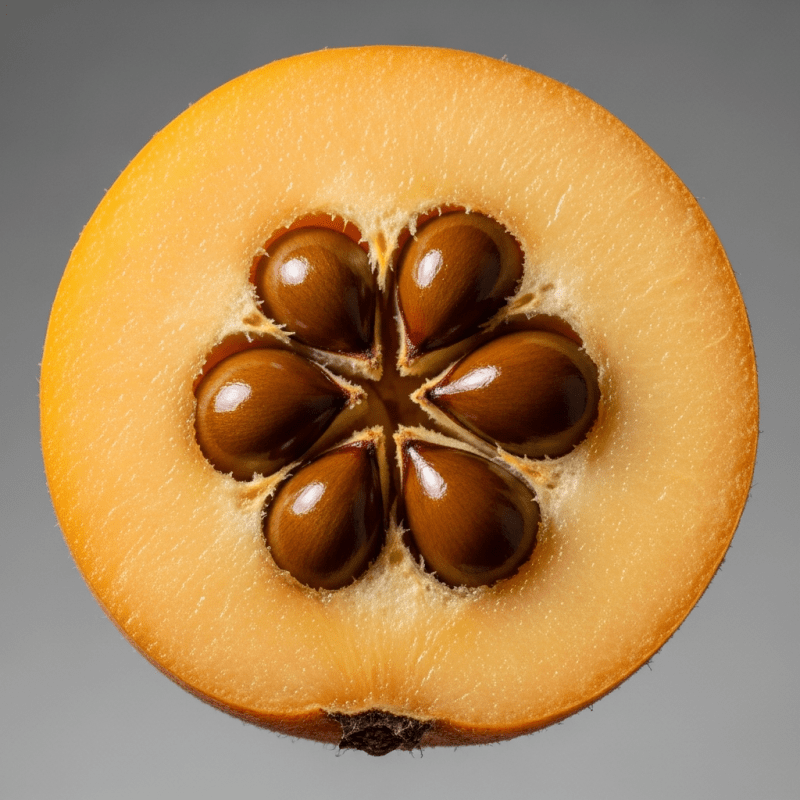
Soft cotton tee, unisex sizes
Buy ShirtAcross Asia and the Mediterranean, the loquat holds a place in culinary tradition, folk medicine, and ornamental horticulture. In Japan, the fruit is celebrated as "biwa" and features in seasonal festivals and art. Chinese culture values both the fruit and leaves for their purported health benefits. The loquat’s presence in gardens and markets reflects its enduring role in daily life and local customs, often symbolizing abundance and renewal.
The loquat is a medium-sized, evergreen tree reaching 5–10 meters in height. Its large, leathery leaves are dark green and provide year-round foliage. The fruit is a pome, forming in clusters of 4–30, with thin, smooth skin and juicy, aromatic flesh. Flowering occurs in autumn or early winter, and fruits ripen in late winter to early spring. The tree is moderately drought-tolerant but sensitive to frost, thriving best in well-drained soils and subtropical climates.

Loquats are low to moderate in calories and offer a good source of dietary fiber. They are rich in vitamin A, provide moderate vitamin C, and supply essential minerals such as potassium and magnesium. The fruit also contains beneficial phenolic compounds. Note that seeds should not be consumed due to toxic substances.
Loquats are most commonly eaten fresh, celebrated for their sweet-tart flavor and juicy texture. They are also popular in jams, jellies, preserves, and syrups, and are used to make fruit wines. In East Asia, loquat leaves are steeped for herbal teas and traditional medicine. The fruit’s versatility makes it a favorite in both home kitchens and commercial food production.
Loquat trees thrive in subtropical climates with well-drained soils and moderate drought tolerance, but are sensitive to frost. Flowering begins in autumn or early winter, with fruit ripening from late winter to early spring. Commercial orchards can yield 30–60 kg of fruit per mature tree annually. Disease management is important, as loquats are susceptible to fire blight, fruit flies, and fungal infections, though some cultivars offer improved resistance.
Major producers of loquat include China, Japan, Spain, Turkey, and Brazil. The fruit is sold both fresh and as processed products such as jams, jellies, preserves, syrups, and fruit wines. In addition to its commercial value, loquat is grown ornamentally for its attractive foliage and fragrant blossoms. Local markets often favor fresh fruit, while processed goods support broader trade.
Regional names for loquat vary widely—"nispero" in Spanish, "biwa" in Japanese, "pipa" in Mandarin, and "nêspera" in Portuguese. In Latin America, "nispero" may refer to unrelated fruits, leading to confusion. Local cultivars and preferences shape how loquat is grown, consumed, and valued, reflecting diverse cultural and agricultural traditions.