
Plum
The plum is a fleshy, stone-bearing fruit of the genus Prunus, celebrated worldwide for its sweet-tart flavor, vibrant colors, and versatility in both fresh and processed forms.
The plum is a fleshy, stone-bearing fruit of the genus Prunus, celebrated worldwide for its sweet-tart flavor, vibrant colors, and versatility in both fresh and processed forms.
Plums trace their origins to Eastern Europe and Western Asia, where the European plum (Prunus domestica) was first domesticated in ancient times. The Japanese plum (Prunus salicina) originated in China before being cultivated in Japan and the United States. Over centuries, breeders across Europe, Asia, and America have developed hundreds of cultivars, adapting the fruit to diverse climates and tastes.
Plums belong to the genus Prunus within the Rosaceae family and are classified botanically as drupes—fleshy fruits with a single hard stone. This places them alongside other stone fruits like cherries, peaches, and apricots. Their broad genetic diversity encompasses European, Japanese, Chinese, and other regional types, each with distinctive traits.
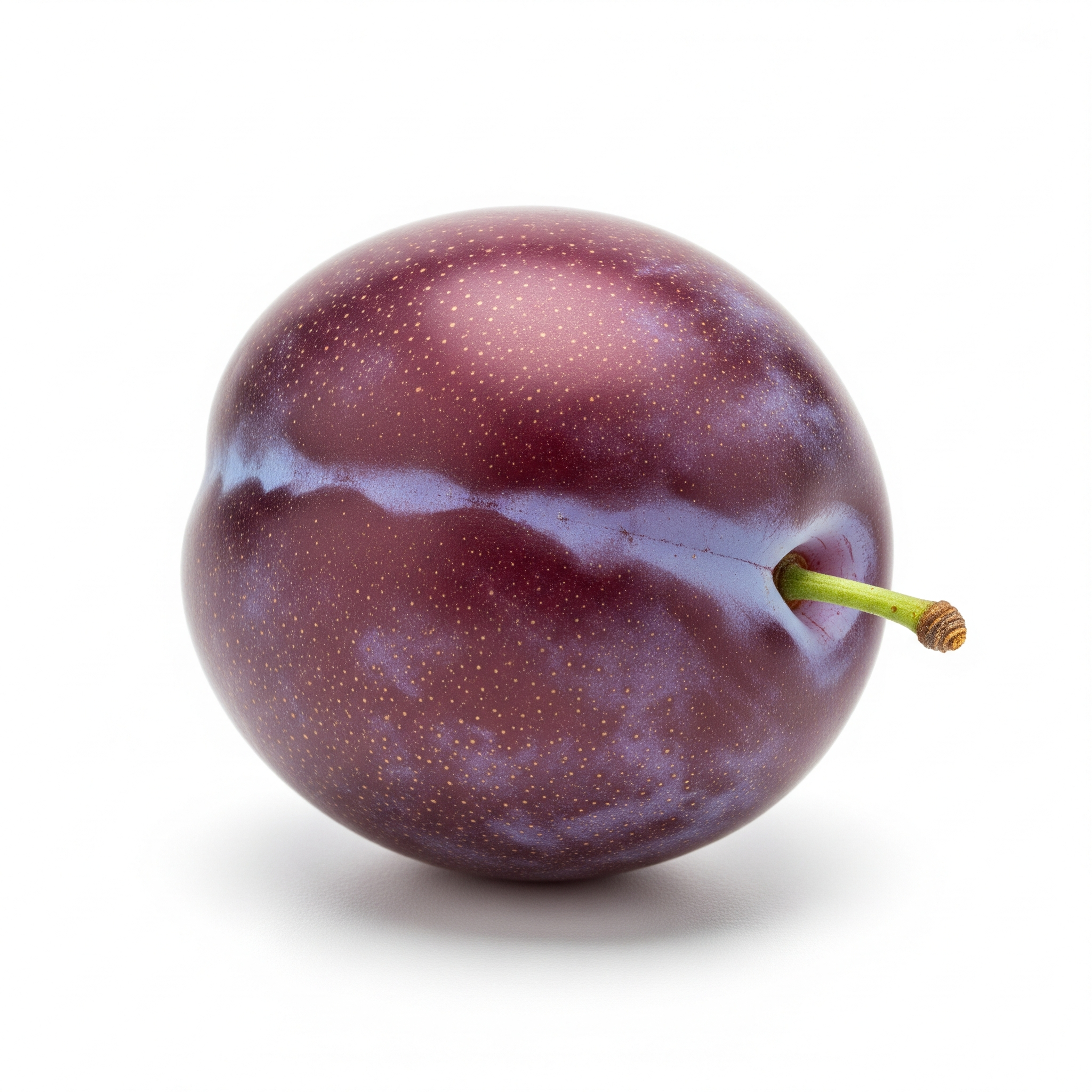
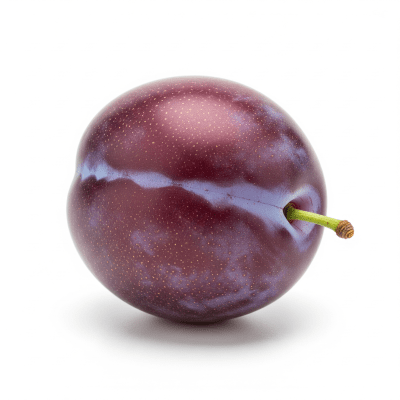
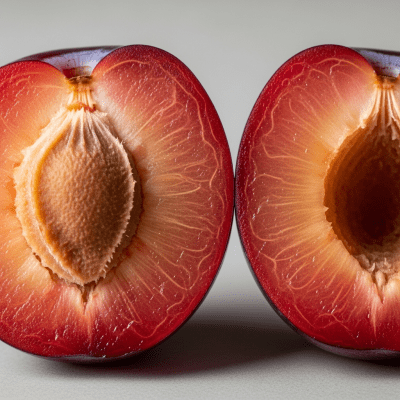
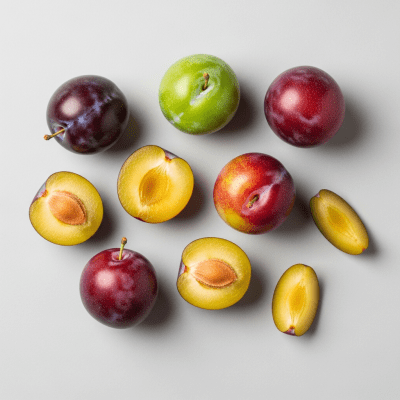
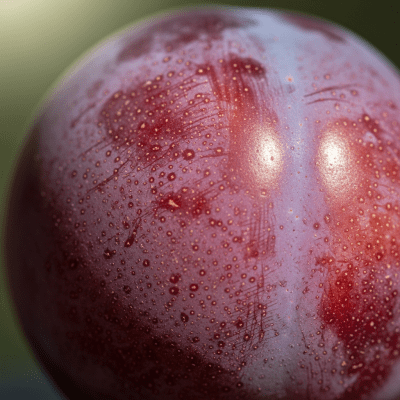
Plums are typically round or oval, with smooth, thin skin that ranges in color from deep purple and red to yellow and green. The juicy flesh varies from yellow to reddish hues and encases a single hard pit. Their glossy exterior and rich coloration make them visually striking, while the texture is tender and succulent.
Plums are enjoyed fresh, dried as prunes, or processed into jams, jellies, juices, wines, and baked goods. Their high fiber content, especially in prunes, offers digestive benefits. Plums play a key role in global cuisines, appearing in desserts, savory dishes, and traditional beverages such as Slivovitz plum brandy. Their adaptability makes them a staple in both home kitchens and commercial food production.
Bring this kind into your world illustrated posters, mugs, and shirts.
Archival print, museum-grade paper
Buy Poster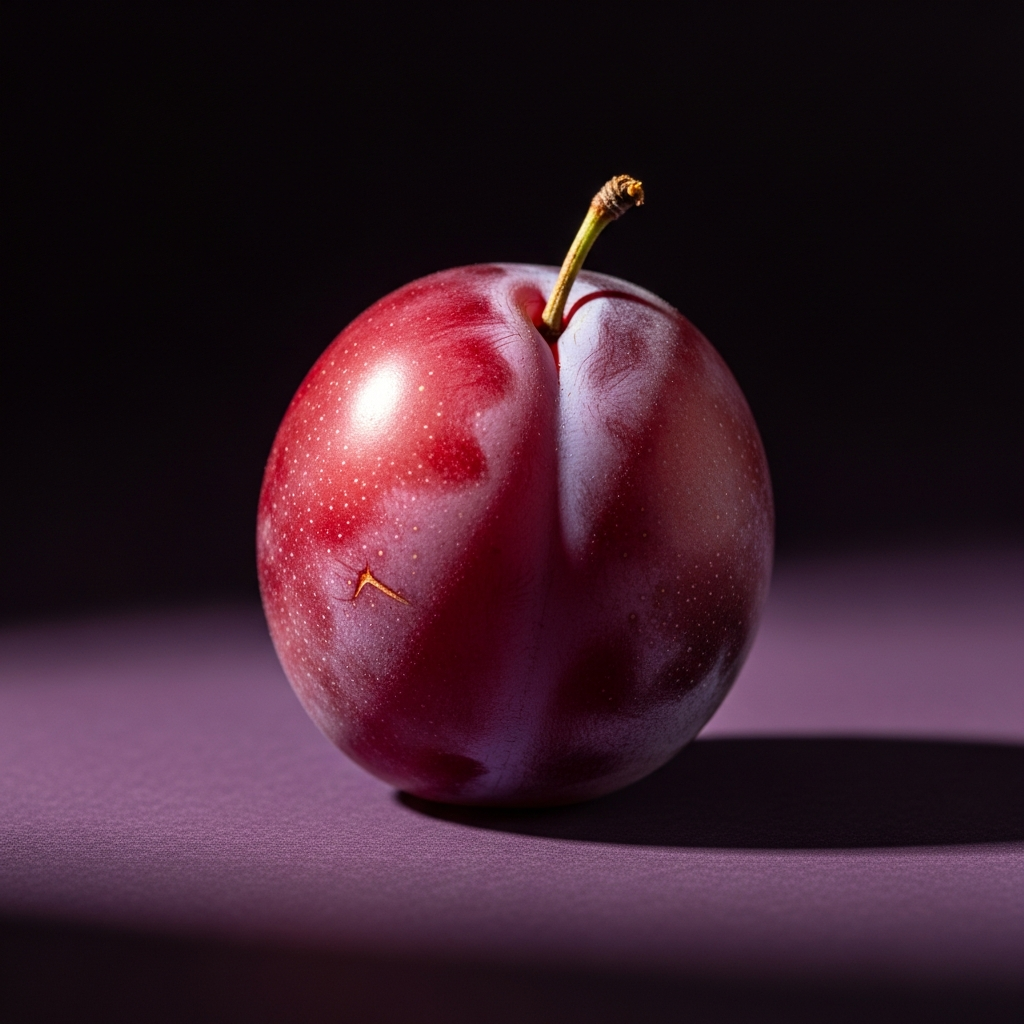
Stoneware mug, dishwasher safe
Buy Mug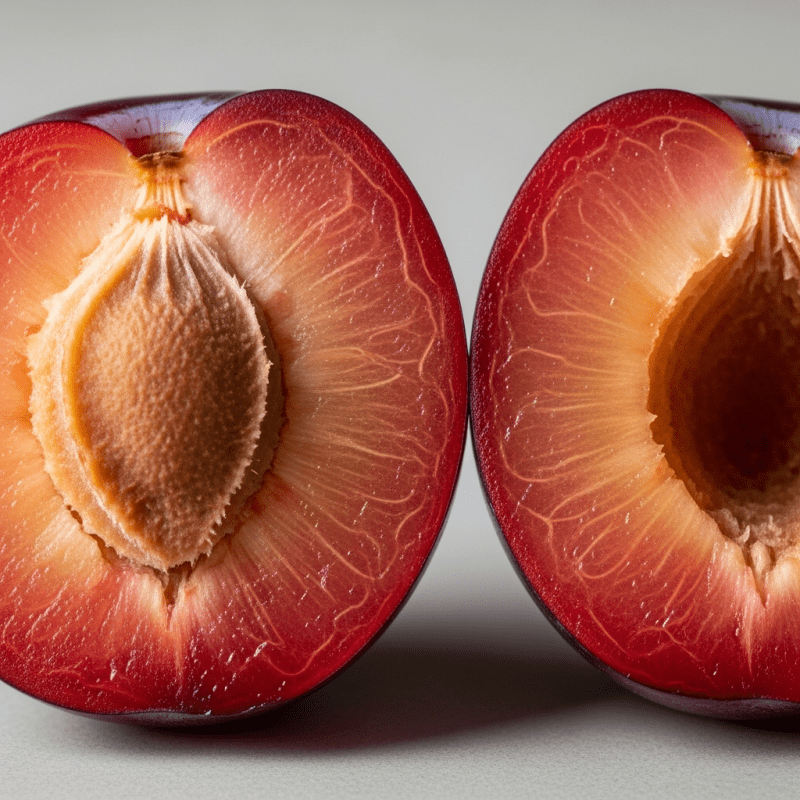
Soft cotton tee, unisex sizes
Buy ShirtPlums hold deep cultural resonance, symbolizing vitality and renewal in various traditions. In East Asia, plum blossoms are celebrated in art and poetry, representing perseverance and beauty. In Europe, plums are central to festive foods and spirits, such as the famed Slivovitz. Regional varieties like Mirabelle in France and Satsuma in Japan are cherished as heritage fruits, often featured in local festivals and culinary rituals.
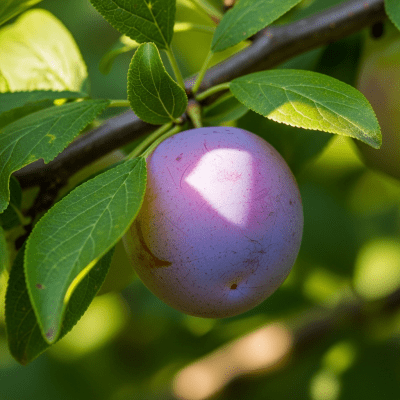
Plum trees are medium-sized deciduous plants, typically reaching 3–6 meters in height. They produce early spring blossoms, followed by round or oval drupes with smooth skin and juicy flesh. Each fruit contains a single hard stone. Plums mature from late spring to early autumn, with yields in commercial orchards averaging 10–20 tons per hectare. Some cultivars show resistance to common diseases like brown rot and plum pox virus.
Plums are valued for their nutritional significance, particularly their high fiber content, which supports digestive health. Dried plums (prunes) are especially rich in fiber and are renowned for their gentle laxative effect. Plums also provide essential vitamins and minerals, though specific nutrient values vary by variety.
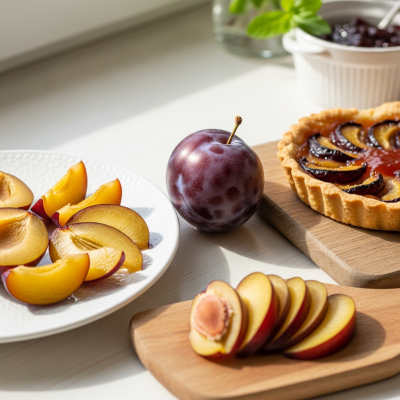
Plums shine in the kitchen—enjoyed fresh, dried as prunes, or transformed into jams, jellies, juices, and wines. They add sweet-tart complexity to desserts, pastries, and sauces, and are featured in savory dishes across Europe, Asia, and the Americas. Traditional beverages like Slivovitz plum brandy highlight their versatility, while prunes are a popular ingredient in baking and health-focused recipes.
Plums are cultivated in temperate regions worldwide, thriving in well-drained soils and moderate climates. Trees flower in early spring, with fruit maturing from late spring to autumn depending on the cultivar. Commercial orchards yield 10–20 tons per hectare. Disease management is essential, as plums are susceptible to brown rot and plum pox virus, though some varieties offer improved resistance. Careful handling is required during harvest to prevent bruising.
Plums are a major global commodity, traded fresh and dried. China leads world production, followed by Romania and the United States. Market value is determined by fruit size, color, sweetness, and shelf life. Plums are exported and imported across continents, supporting both local economies and international commerce.
Plum varieties and culinary uses differ widely across regions. France celebrates the Mirabelle, Japan favors the Satsuma, and the United States is known for the Santa Rosa. In some areas, the term "prune" refers exclusively to dried plums, while in others it denotes specific cultivars. Local traditions and heritage status often influence which varieties are grown and how they are enjoyed.