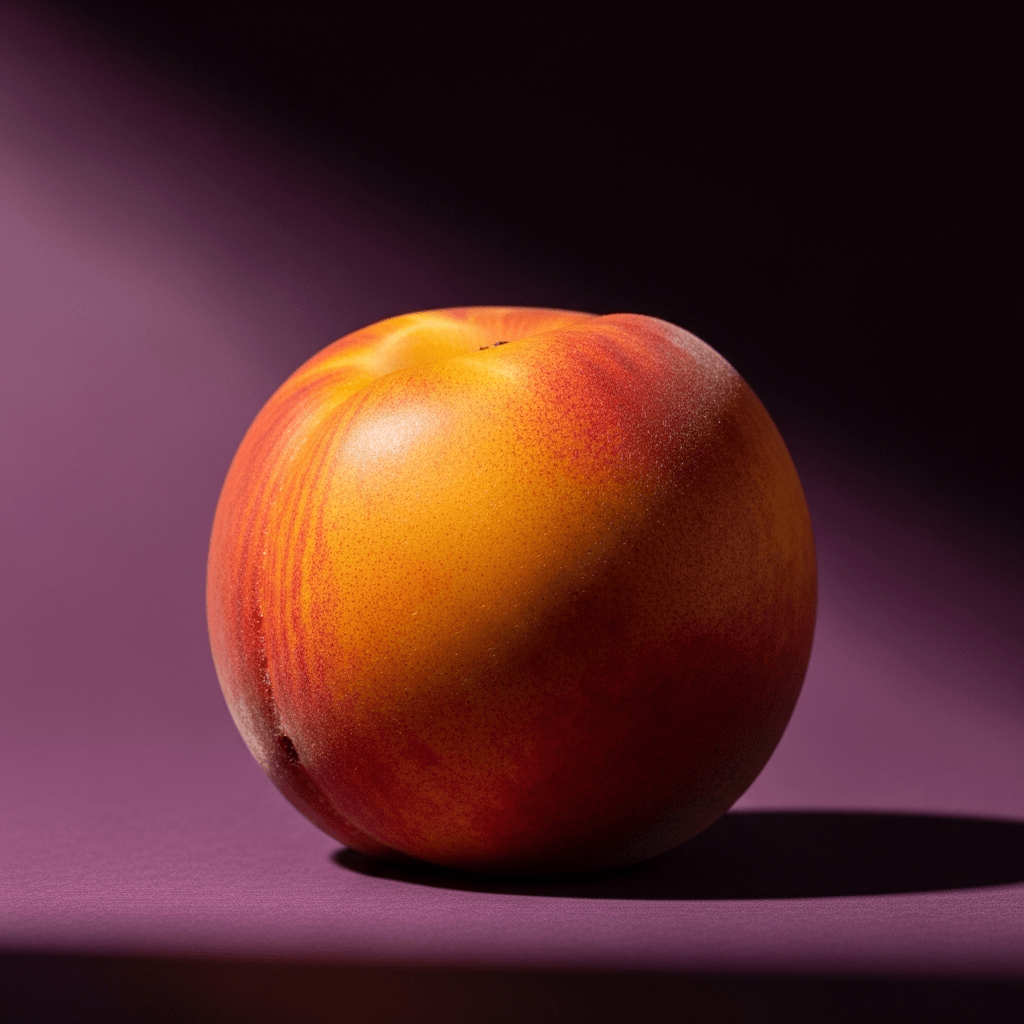
Peach
The peach (Prunus persica) is a sweet, aromatic stone fruit with velvety skin, prized worldwide for its fresh flavor, culinary versatility, and economic significance.
The peach (Prunus persica) is a sweet, aromatic stone fruit with velvety skin, prized worldwide for its fresh flavor, culinary versatility, and economic significance.
Peaches originated in Northwest China, specifically between the Tarim Basin and the Kunlun Shan slopes, where they were first domesticated over 4,000 years ago. Their journey from ancient orchards led them westward through Persia—giving rise to their scientific name—and onward to Europe and the Americas via historic trade routes. Today, the peach’s legacy is reflected in countless cultivars bred across continents, with notable modern breeding programs in the United States, Italy, and China.
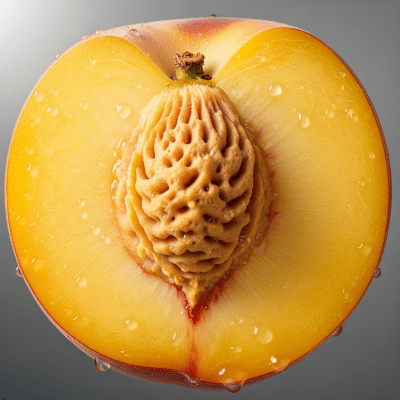
Botanically, the peach belongs to the Rosaceae family and is classified as a drupe—a fleshy fruit with a single stone or pit. Its scientific name is Prunus persica. Peaches share their genus with plums, cherries, and almonds, and are grouped as temperate stone fruits, distinct from berries and pomes.
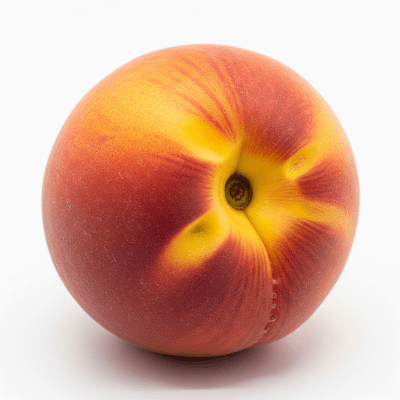
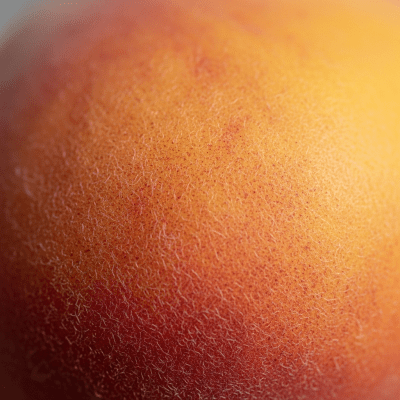
Peaches are instantly recognizable by their fuzzy, velvety skin, which ranges in color from soft yellow to deep reddish hues. The fruit is typically round, measuring 5–10 cm in diameter, with juicy, fragrant flesh that envelops a single large pit. The sweet aroma and tender texture make peaches a sensory delight, whether enjoyed fresh or prepared.
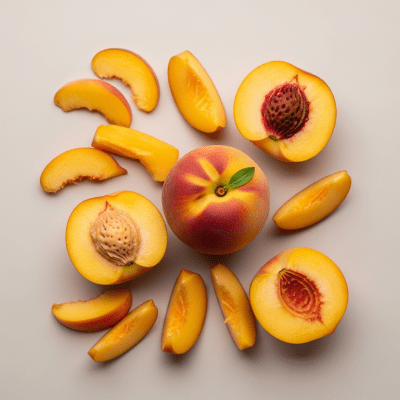
Peaches are enjoyed in myriad ways: eaten fresh, sliced into salads, baked into desserts, or processed into jams, juices, and preserves. Their sweet flavor and aromatic profile make them a staple in kitchens around the world, while their nutritional content supports healthy diets. Commercially, peaches are sorted as freestone or clingstone, influencing their use for fresh consumption or processing.
Bring this kind into your world illustrated posters, mugs, and shirts.
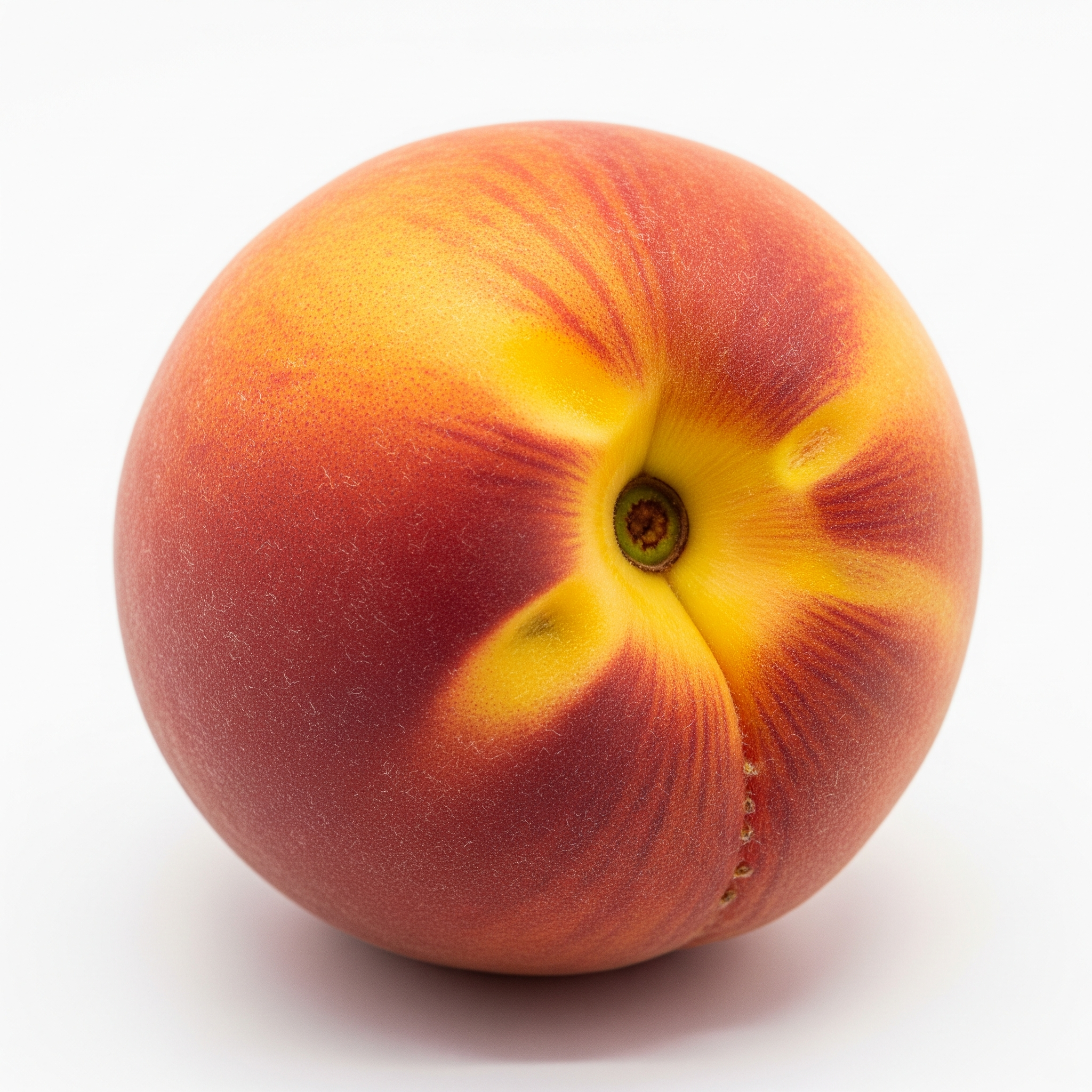
Archival print, museum-grade paper
Buy Poster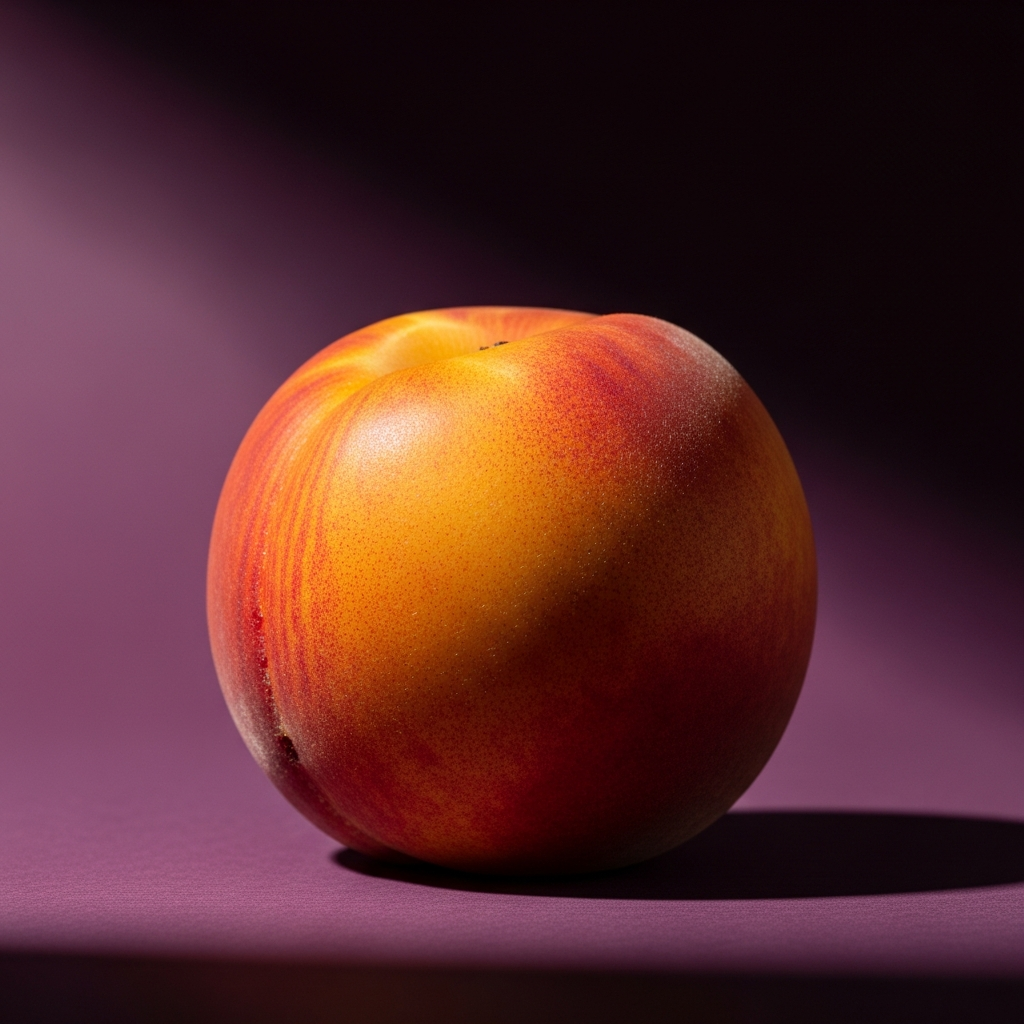
Stoneware mug, dishwasher safe
Buy Mug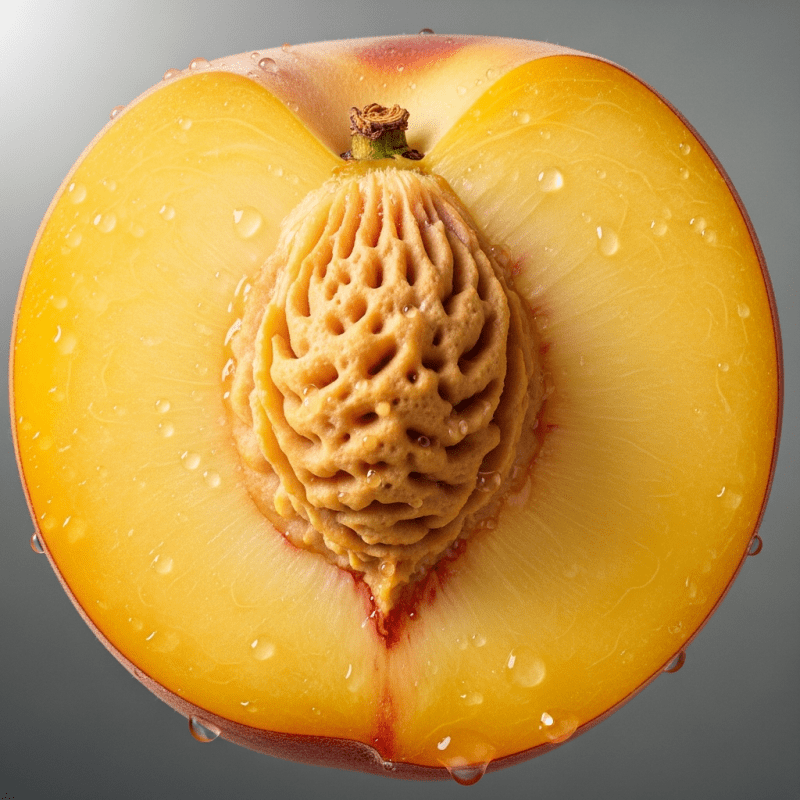
Soft cotton tee, unisex sizes
Buy ShirtThroughout history, peaches have held symbolic and practical importance. In Chinese culture, they represent longevity and immortality, often appearing in art and folklore. In Western literature and art, peaches evoke themes of abundance, sensuality, and summer. Their presence in global cuisines—from Mediterranean tarts to American cobblers—reflects their enduring appeal.
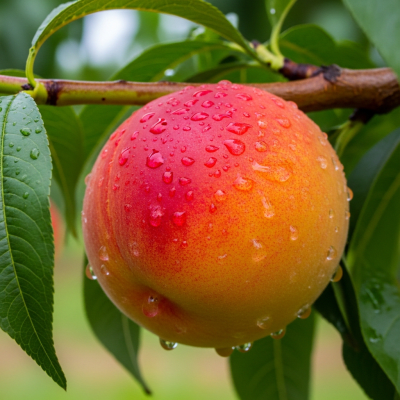
Peach trees are deciduous, typically reaching 3–8 meters in height. The fruit is a drupe, featuring a single large stone surrounded by juicy, aromatic flesh and covered in fuzzy skin. Peaches require temperate climates with winter chilling for bud development and are sensitive to late frosts and diseases like peach leaf curl. Fruit size and color vary by cultivar, but all share the characteristic sweet aroma and flavor.

Peaches are a nutritious choice, offering vitamin C, vitamin A, dietary fiber, and antioxidants. These nutrients support immune function, skin health, and digestion, making peaches a wholesome addition to balanced diets.
Peaches shine in both sweet and savory dishes. They are enjoyed fresh, baked into pies and cobblers, blended into smoothies and juices, or preserved as jams and dried fruit. Their sweet, aromatic flavor complements salads, salsas, and desserts in Chinese, Mediterranean, and North American cuisines.
Peaches thrive in temperate regions, requiring winter chilling for proper bud development. Orchards are managed to protect trees from late frosts and diseases such as peach leaf curl. Commercial yields average 10–30 tons per hectare. Harvesting is typically done by hand to prevent bruising, and careful post-harvest handling is essential due to the fruit’s moderate perishability.
Peaches are a major commercial crop, with China, Italy, Spain, and the United States leading global production. The fruit is graded by type—freestone or clingstone—which influences its market use. Peaches are traded fresh, canned, and processed, forming a vital part of the fruit economy in temperate regions worldwide.
Regional names for peaches include "durazno" in Latin America, "pêche" in France, "Pfirsich" in Germany, and "桃" (Tāo) in China. Nectarines, considered a smooth-skinned variant, are popular in many regions. Local culinary traditions and preferred varieties vary, reflecting the peach’s adaptability and global reach.