
Grape
The grape is a berry produced by woody vines of the genus Vitis, prized worldwide for its versatility in fresh eating, winemaking, and dried products.
The grape is a berry produced by woody vines of the genus Vitis, prized worldwide for its versatility in fresh eating, winemaking, and dried products.
Grapes trace their domestication to the Near East, particularly the regions of modern Georgia, Armenia, and eastern Turkey, where cultivation began over 6,000 years ago. Early grape growers selected wild Vitis sylvestris for desirable traits, leading to the development of Vitis vinifera, the species that underpins most commercial grape production today. Over centuries, breeding centers in Europe, North America, and Asia have expanded the grape’s genetic diversity, creating the vast array of cultivars enjoyed around the globe.
Botanically, grapes belong to the family Vitaceae and are classified as true berries. The most widely cultivated species is Vitis vinifera, though other species such as Vitis labrusca contribute to regional diversity, especially in North America. Grapes are grouped by their use—table, wine, or raisin—and by their morphology, with seedless varieties favored for eating and seeded types preferred for winemaking.
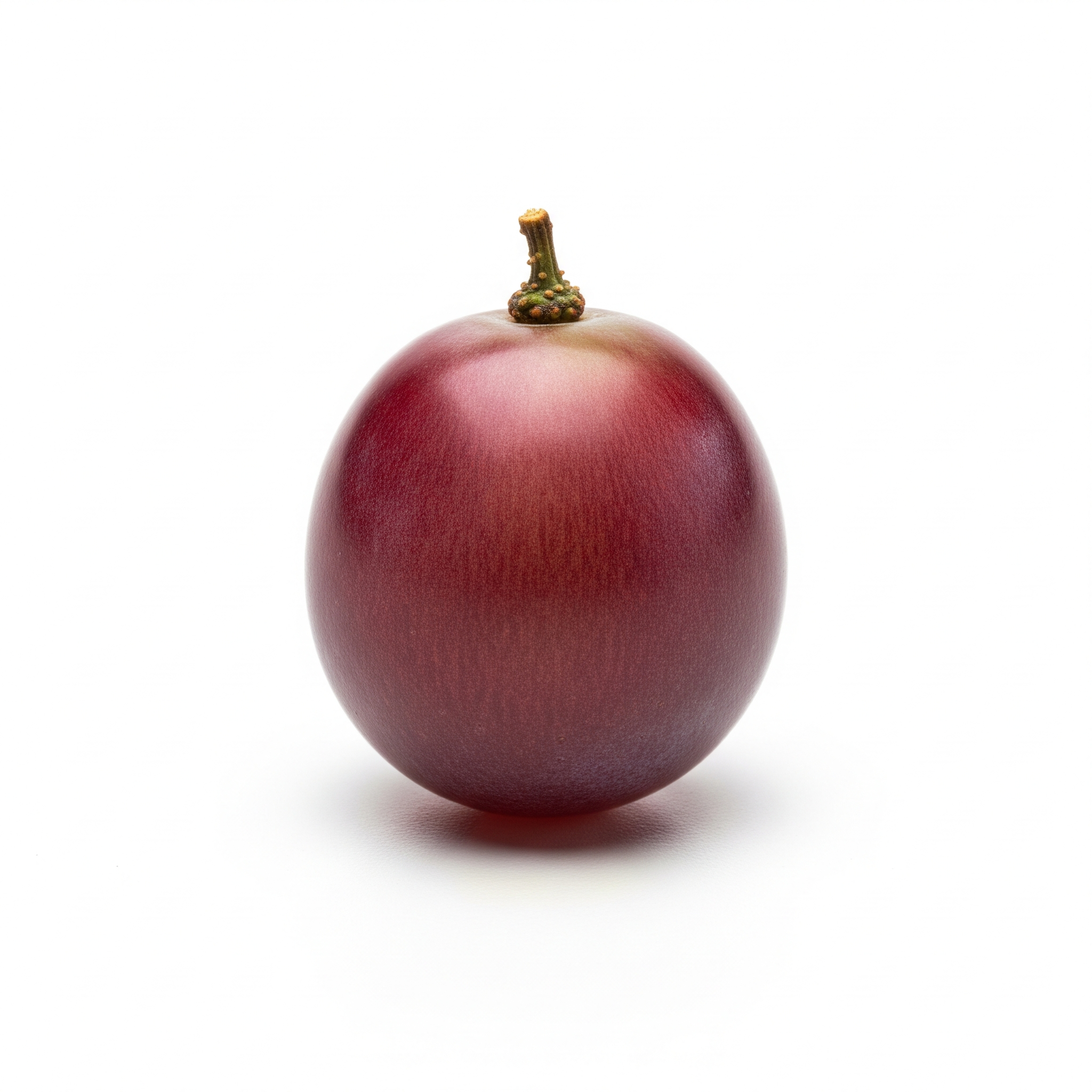
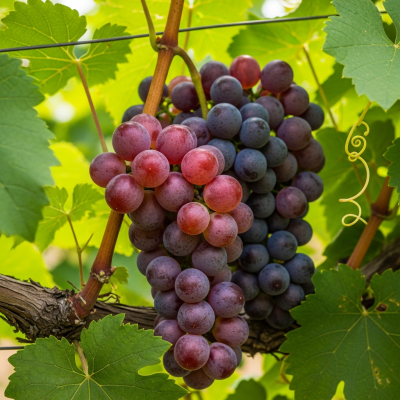
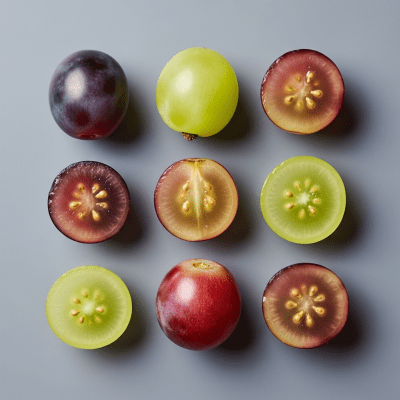
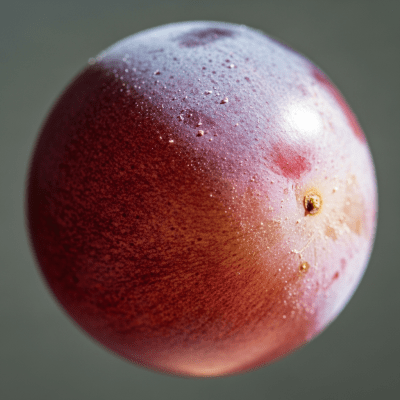
Grapes grow in tight clusters, each bunch holding anywhere from 15 to 300 berries. Individual grapes are typically round or oval, measuring 0.5–2.5 cm in diameter. Their skin color ranges from vibrant green and yellow to deep red, purple, and black. The fruit’s surface is smooth and often glossy, while the flesh inside is juicy and sweet, sometimes containing seeds depending on the variety. The vine’s leaves are large, lobed, and alternately arranged, with curling tendrils that help the plant climb.
Grapes are consumed in myriad forms: fresh as table grapes, dried as raisins and currants, or processed into juice, jelly, vinegar, and, most notably, wine. Their non-climacteric nature means grapes do not ripen after harvest, making timing and storage crucial for quality. Beyond food, grapes have found uses in traditional medicine and cosmetics, and grapevines play an important role in agricultural landscapes and economies.
Bring this kind into your world illustrated posters, mugs, and shirts.
Archival print, museum-grade paper
Buy Poster
Stoneware mug, dishwasher safe
Buy Mug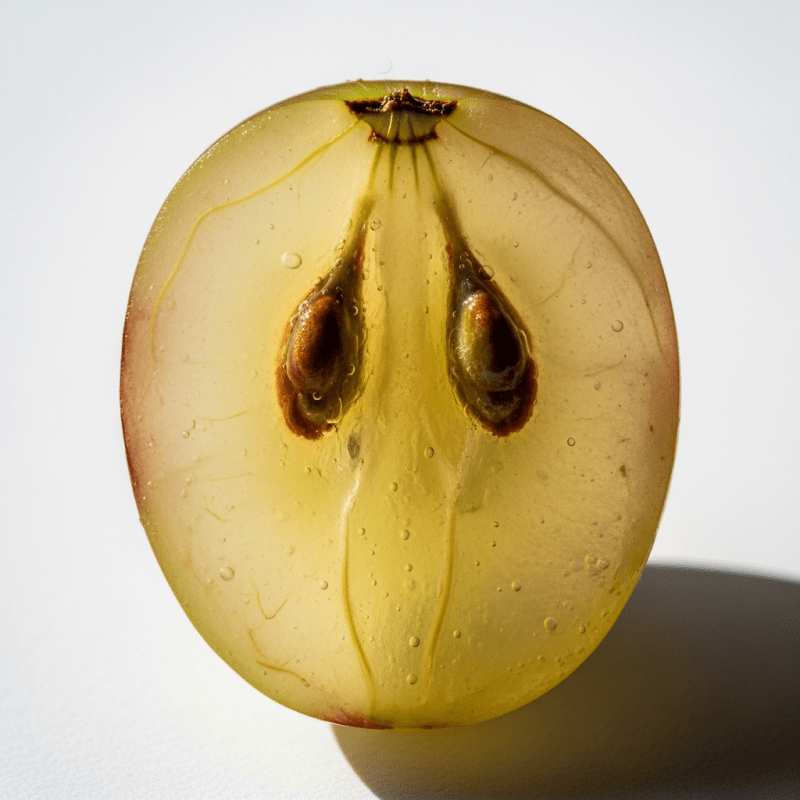
Soft cotton tee, unisex sizes
Buy ShirtGrapes are deeply woven into the fabric of human culture. They symbolize abundance and celebration in art and myth, from ancient Greek and Roman depictions of Dionysus and Bacchus to modern wine festivals. Grapevines are featured in religious texts, representing prosperity and spiritual nourishment. Wine, made from grapes, has shaped rituals, commerce, and social customs across continents for millennia.
Grapevines are perennial, deciduous lianas with alternate, lobed leaves and coiling tendrils for climbing. The fruit is a true berry, forming in clusters that vary greatly in size and color depending on the cultivar. Grapes do not ripen after harvest, and their growth habit requires trellising or support. Disease resistance has been enhanced in some cultivars through hybridization, especially with North American species.
Grapes are naturally high in sugars such as glucose and fructose, providing quick energy. They are a source of vitamins C and K, and are celebrated for their antioxidants—especially resveratrol and flavonoids—which may support cardiovascular health. Grapes are low in fat and contain dietary fiber, making them a nutritious snack or ingredient.
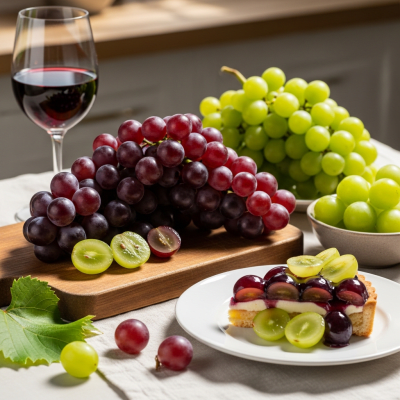
Grapes are enjoyed fresh, dried as raisins and currants, and processed into juice, jelly, and vinegar. Their most renowned use is in winemaking, with iconic varieties like ‘Cabernet Sauvignon’, ‘Merlot’, and ‘Chardonnay’ shaping global wine culture. Table grape cultivars such as ‘Thompson Seedless’ and ‘Cotton Candy’ are prized for their sweetness and texture. Grapes also appear in salads, desserts, sauces, and traditional medicines.
Grapes are cultivated as perennial vines, requiring trellising for support and careful pruning to optimize yield and fruit quality. Mature vines can produce 5–20 kg of fruit each season. Disease management is essential, as grapes are susceptible to powdery mildew, downy mildew, and phylloxera. Harvest timing is critical, as grapes do not ripen after picking; they are typically harvested when fully ripe and immediately cooled for storage.
Grapes are a cornerstone of global agriculture and trade. The Mediterranean basin, California, China, and South America are leading producers, supplying both fresh and processed grapes to international markets. Wine production is the largest commercial use, driving demand for specialized cultivars. Table grapes and raisins also represent significant export commodities, with strict grading and quality standards governing international trade.
Grape varieties and uses differ widely across regions. Mediterranean countries focus on wine and table grapes, while North America is known for hybrids like ‘Concord’ and ‘fox grapes’. In Asia, grapes are cultivated for both fresh consumption and local wines. Regional names—such as “uva” in Romance languages, “Angoor” in South Asia, and “葡萄” in China—reflect the fruit’s global reach. Trade terminology can cause confusion, as “currant” may refer to dried grapes in some markets, while “blackcurrant” is an entirely different fruit.