Gooseberry
The gooseberry is a small, tart, fleshy berry produced by several species in the genus Ribes, prized for its distinctive flavor and versatility in both fresh and cooked forms.
The gooseberry is a small, tart, fleshy berry produced by several species in the genus Ribes, prized for its distinctive flavor and versatility in both fresh and cooked forms.
Gooseberries (Ribes uva-crispa) trace their roots to Europe, northwestern Africa, and southwestern Asia, where wild plants have thrived for centuries in hedgerows and woodlands. Their documented history stretches back to the Middle Ages, with references in European herbal texts. Over time, local selection and naturalization led to a rich diversity of forms, and modern cultivars have been refined in the United Kingdom, Germany, and Russia, focusing on fruit size, flavor, and disease resistance.
Botanically, gooseberries belong to the family Grossulariaceae and the genus Ribes. The most commonly cultivated species is Ribes uva-crispa. Gooseberries are classified as true berries, characterized by their fleshy, seed-bearing structure developed from a single ovary. They are closely related to currants, sharing similar growth habits and fruit morphology.
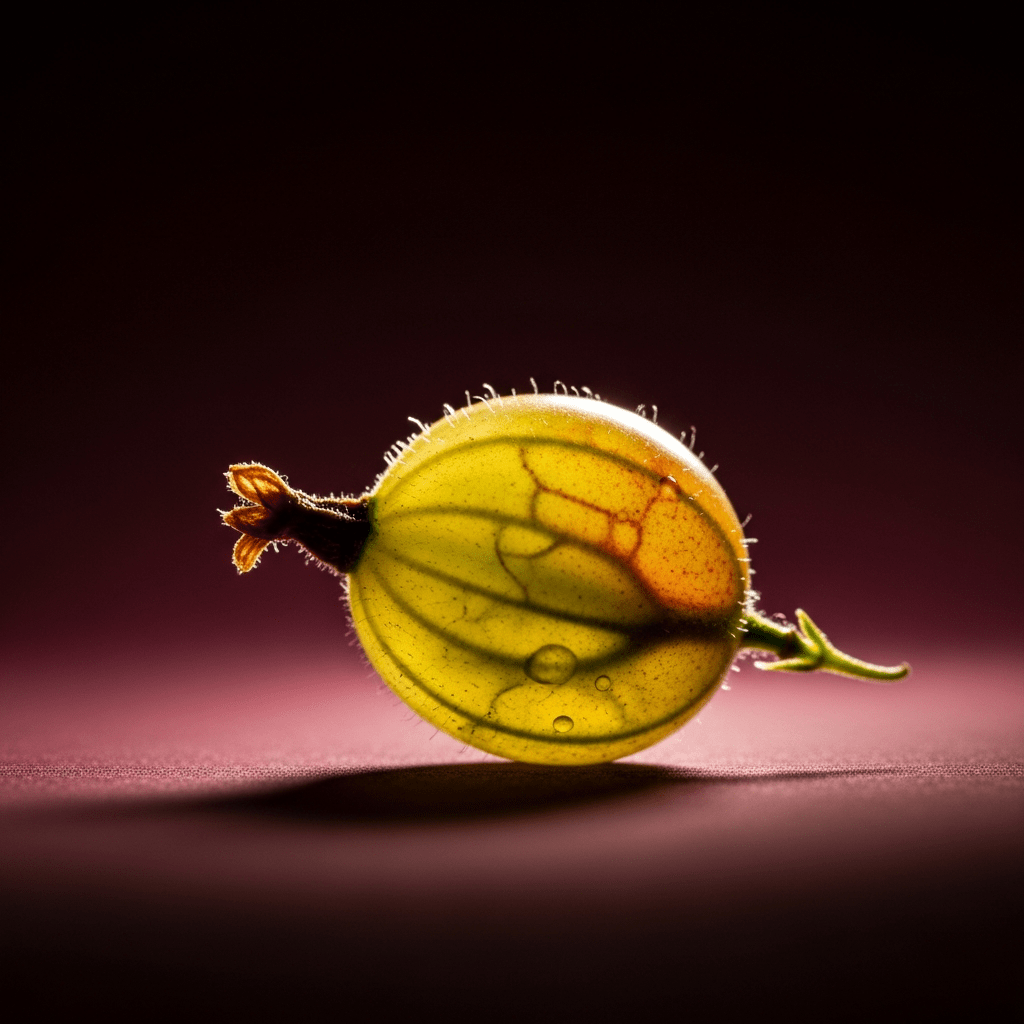
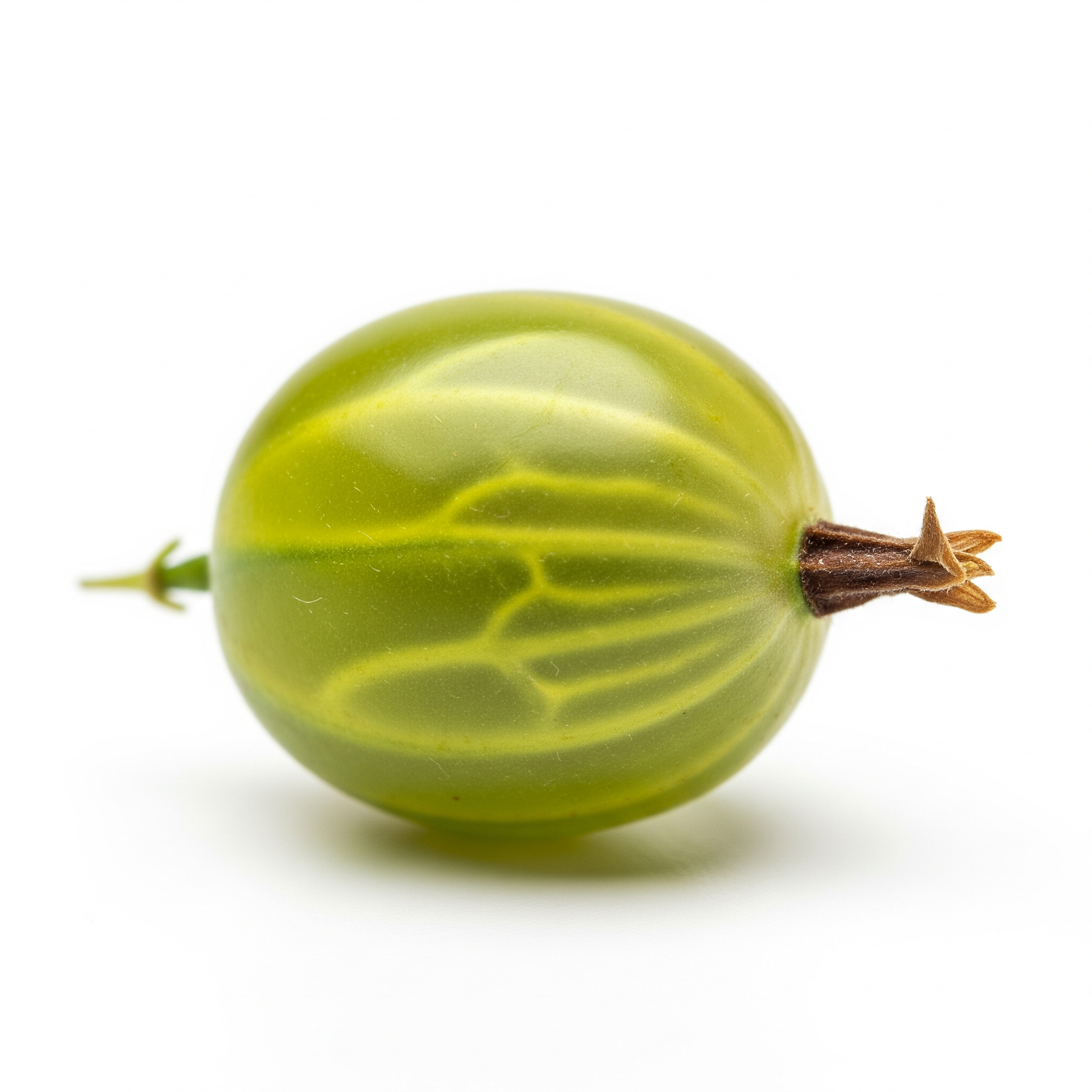
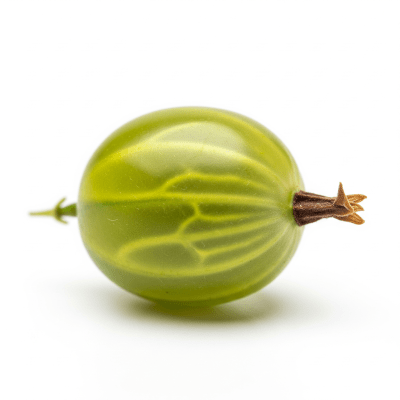
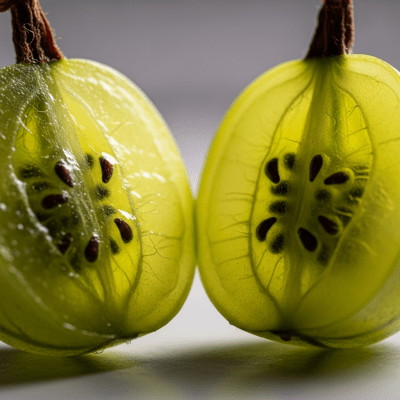
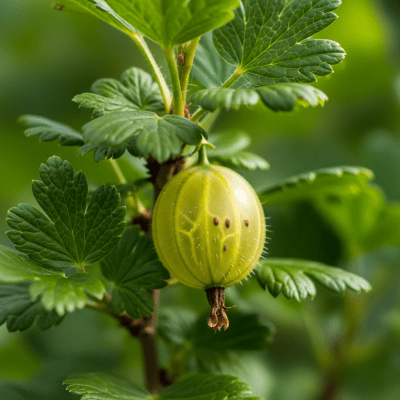
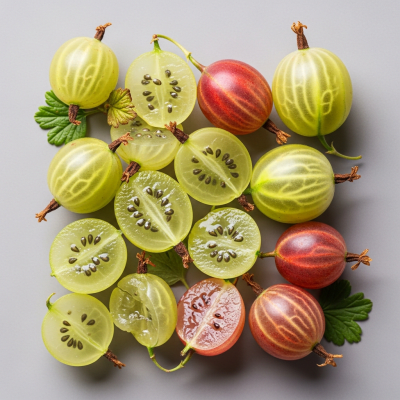
Gooseberries are round to oval berries, measuring 1–2.5 cm in diameter. Their skin can be smooth or slightly hairy, and colors range from pale green and yellow to pink, red, or deep purple, depending on the cultivar. The berries are often translucent, with visible veins running beneath the surface, and grow in clusters on arching, thorny branches. Their firm texture and juicy interior deliver a refreshingly tart taste.
Gooseberries are enjoyed both raw and cooked. Their tartness lends itself to a variety of culinary uses, from sweet desserts like pies and fools to savory sauces and preserves. Unripe green berries are favored for cooking, while ripe red or purple berries are typically eaten fresh. Gooseberries are also used in beverages, such as cordials and wines, and are available fresh, canned, or processed in markets.
Bring this kind into your world illustrated posters, mugs, and shirts.
Archival print, museum-grade paper
Buy Poster
Stoneware mug, dishwasher safe
Buy Mug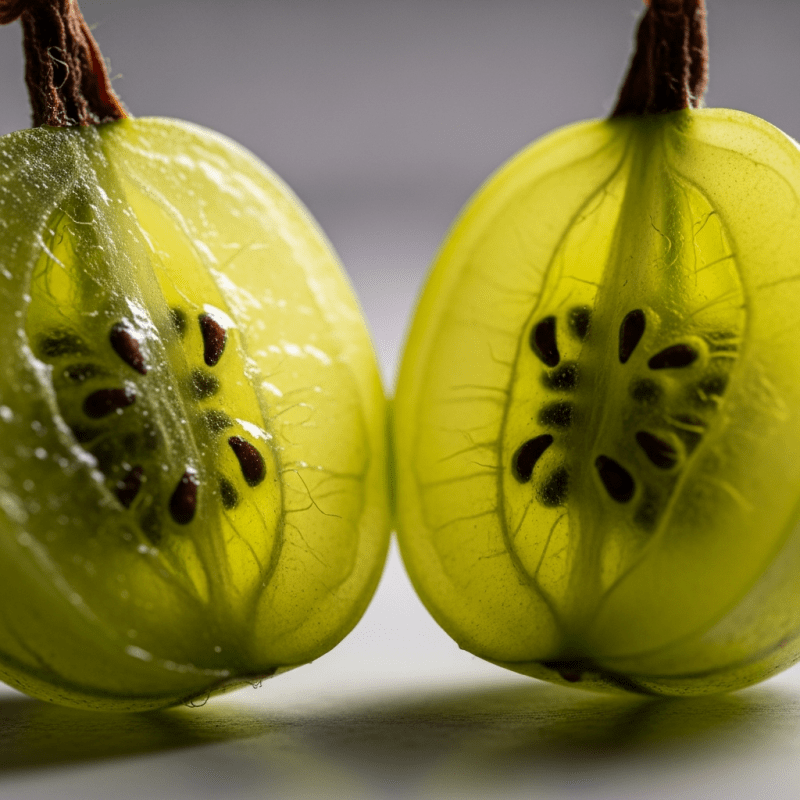
Soft cotton tee, unisex sizes
Buy ShirtGooseberries hold a cherished place in northern European food traditions, especially in the United Kingdom, where they are emblematic of home gardening and local cookery. Their presence in classic desserts and preserves connects generations, and regional festivals sometimes celebrate the fruit's harvest. The gooseberry's name appears in folklore and idioms, and its cultivation is woven into the heritage of rural communities.
Gooseberry plants are deciduous shrubs, typically 1–1.5 meters tall, with arching branches armed with thorns. Their soft, lobed leaves emerge in spring alongside small, inconspicuous greenish flowers. The fruit is a true berry, round to oval, with smooth or slightly hairy skin. Gooseberries are self-fertile, frost hardy, and tolerant of partial shade. Regular pruning is essential for maintaining productivity and plant health.


Gooseberries are rich in vitamin C, supporting immune health and antioxidant protection. They also provide a significant amount of dietary fiber, which aids digestion and promotes satiety. These nutrients make gooseberries a wholesome addition to a balanced diet, whether consumed fresh or in processed forms.
Gooseberries shine in both sweet and savory dishes. Their tartness is ideal for pies, crumbles, fools, and jams, while also enhancing sauces and chutneys. Unripe green berries are preferred for cooking, lending a bright acidity, whereas ripe berries are enjoyed fresh. Gooseberries are also used in beverages, including cordials and wines, and are available fresh, canned, or as preserves.
Gooseberries thrive in temperate climates with cool summers and well-drained soils. They are self-fertile but benefit from cross-pollination. Plants require regular pruning to maintain productivity and airflow, helping to prevent diseases like American gooseberry mildew. Harvest typically occurs in late spring to early summer, with yields of 3–5 kg per bush under optimal conditions. Resistant cultivars are available for regions prone to mildew.
Major producers of gooseberries include the United Kingdom, Germany, and Russia, where the fruit is cultivated both commercially and in home gardens. Gooseberries are traded fresh, canned, or processed into jams and preserves. While not as globally traded as some fruits, they hold a strong niche in northern European markets and specialty food sectors.
Gooseberries are known by different names across regions, such as "Stachelbeere" in Germany and "krusbär" in Sweden. In North America, the term may refer to related species like Ribes hirtellum. Heritage cultivars are preserved in some areas, and local preferences influence usage—green berries for cooking in Britain, red berries for fresh eating in northern Europe. The "Cape gooseberry" is unrelated, highlighting regional naming distinctions.