
Lychee
The lychee is a tropical fruit celebrated for its fragrant, sweet, and juicy flesh encased in a rough, reddish shell, prized both fresh and in culinary creations across the world.
The lychee is a tropical fruit celebrated for its fragrant, sweet, and juicy flesh encased in a rough, reddish shell, prized both fresh and in culinary creations across the world.
Lychee (Litchi chinensis) traces its roots to the subtropical regions of southern China, notably Guangdong and Fujian provinces, where it has been cultivated for over two millennia. Its ancient domestication led to a rich tradition of cultivation throughout Southeast Asia, spreading to Vietnam, Thailand, and India before reaching tropical and subtropical zones worldwide. First described scientifically in the late 18th century, lychee's enduring popularity is a testament to its unique flavor and cultural resonance. Modern breeding programs in China, India, and Australia now focus on enhancing yield, fruit quality, and disease resistance.
Botanically, lychee belongs to the Sapindaceae family and is classified as a drupe—a fleshy fruit with a single seed. Its scientific name is Litchi chinensis. Within the broader taxonomy of fruits, lychee is grouped among tropical and subtropical tree fruits, sharing similarities with other drupes such as cherries and peaches, but distinguished by its unique texture and aromatic profile.
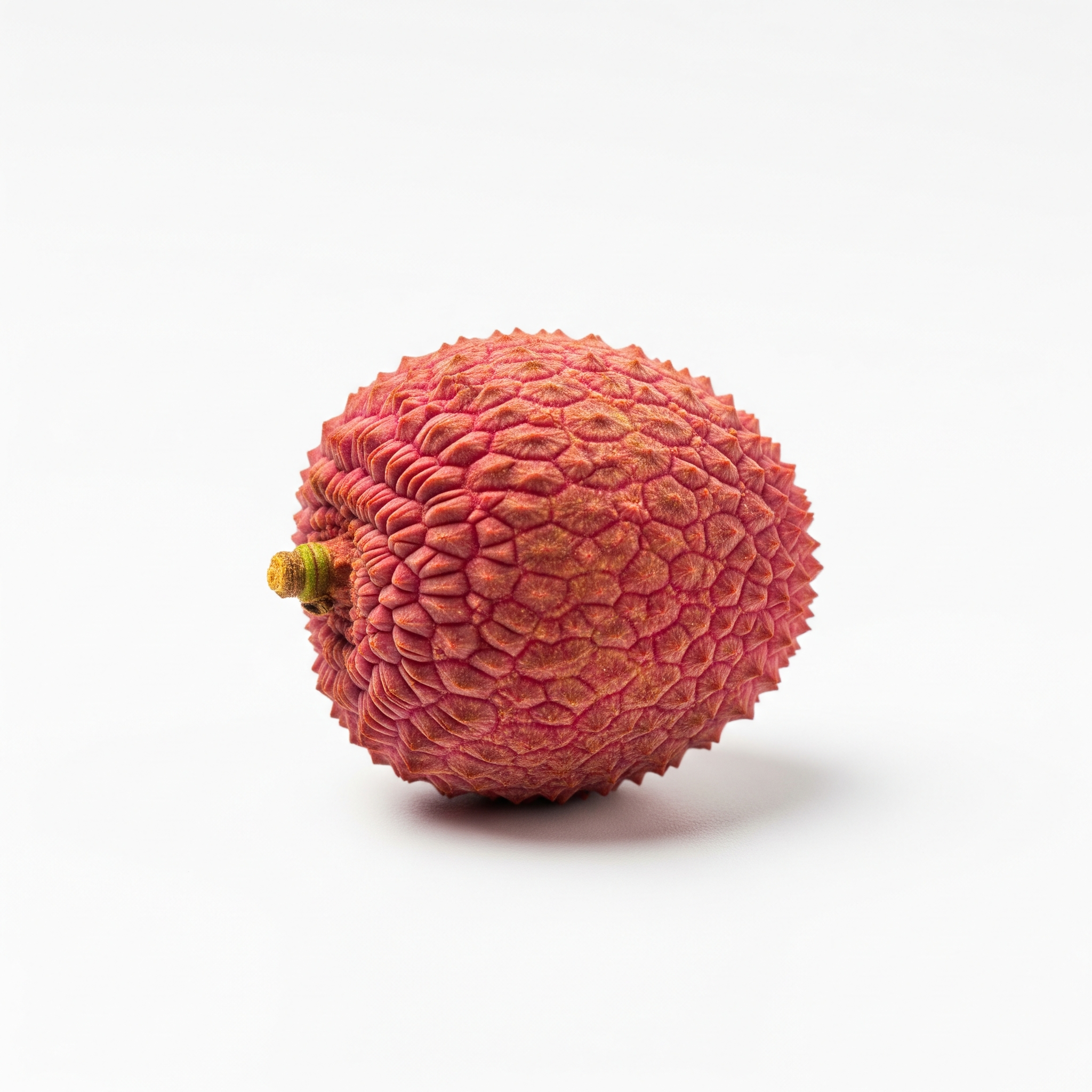
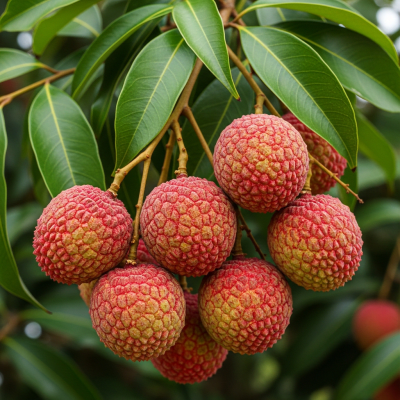
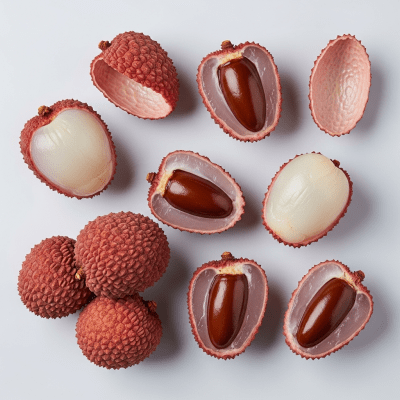
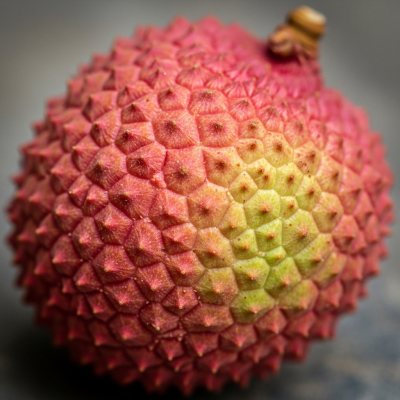
Lychee fruit is round to ovoid, measuring 2.5–4 cm in diameter. Its thin, rough, leathery skin ripens to a vibrant red and is easily peeled to reveal a translucent white aril—the edible flesh—known for its juicy, aromatic, and sweet character. At the center lies a single, glossy brown seed. The fruit's appearance is both striking and inviting, with the contrast between its rugged exterior and delicate, fragrant interior making it instantly recognizable.
Lychee is primarily enjoyed fresh, savored for its sweet, floral flavor and succulent texture. It is also featured in fruit salads, desserts, jellies, ice creams, and a variety of beverages including juices, cocktails, and teas. In Asia, lychee is commonly canned in syrup or dried as "lychee nuts" for preservation and export, extending its availability beyond the short harvest season. Its versatility and appealing taste make it a staple in both home kitchens and commercial food production.
Bring this kind into your world illustrated posters, mugs, and shirts.
Archival print, museum-grade paper
Buy Poster
Stoneware mug, dishwasher safe
Buy Mug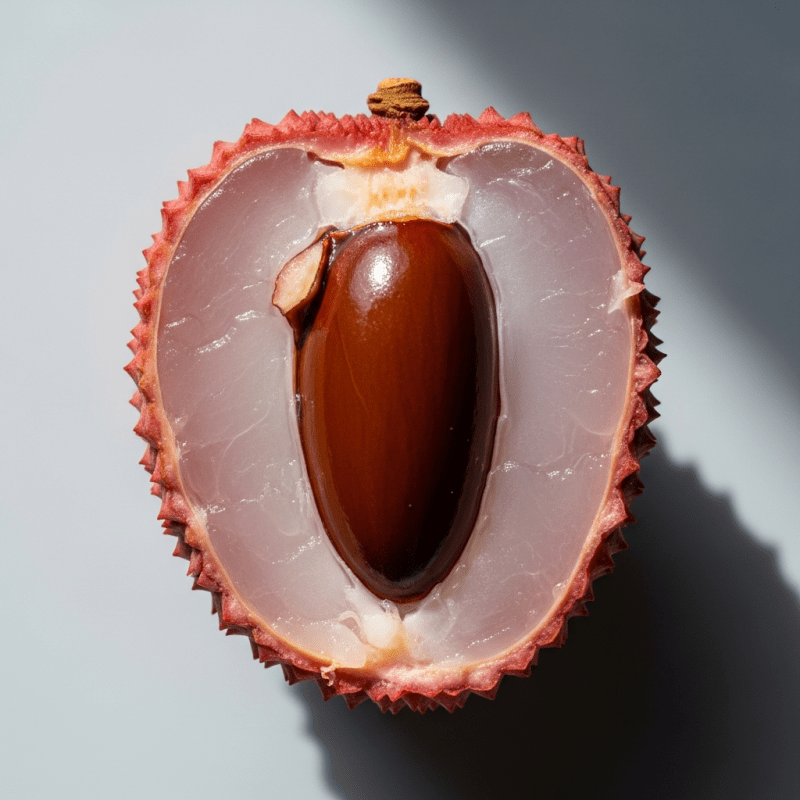
Soft cotton tee, unisex sizes
Buy ShirtLychee holds deep cultural significance, especially in China, where it is celebrated in festivals, poetry, and art. Historically, it was considered a delicacy reserved for royalty and has inspired legends and stories throughout Asia. In Chinese cuisine and traditional medicine, lychee is valued for its purported health benefits and its role in festive dishes. Its presence in markets and celebrations underscores its enduring place in the cultural fabric of many regions.
Lychee trees are medium-sized evergreens, typically reaching 10–15 meters in height with dense, glossy foliage. The fruit is a drupe, featuring a thin, rough, red skin and a juicy, translucent white aril encasing a single brown seed. Flowering occurs in late winter to early spring, with fruit maturing in late spring to early summer. The species thrives in subtropical climates, requiring cool, dry winters and warm, humid summers, and is sensitive to frost and drought.

Lychee is a low-calorie fruit that provides vitamin C, antioxidants, and minerals such as potassium and copper. Its juicy flesh is hydrating and offers dietary fiber, making it a refreshing and healthful addition to the diet. Traditional medicine in Asia has long attributed various health-promoting properties to lychee, although its primary nutritional value lies in its vitamin and mineral content.
Lychee is most often enjoyed fresh, but its sweet, floral flavor lends itself beautifully to fruit salads, desserts, jellies, ice creams, and beverages like juices, cocktails, and teas. In Asian cuisine, lychee is frequently canned in syrup or dried for use as "lychee nuts," allowing for year-round enjoyment and export. Its versatility makes it a prized ingredient in both traditional and contemporary recipes.
Lychee cultivation requires a subtropical climate with cool, dry winters and warm, humid summers. Trees flower in late winter to early spring, with fruit ripening in late spring to early summer. Mature trees can yield 40–100 kg of fruit annually. Lychee is sensitive to frost, drought, and certain pests such as fruit borers and mites, though some cultivars offer partial resistance. The fruit is highly perishable, necessitating prompt harvest and careful handling to maintain quality.
Lychee is a significant export commodity, with China, India, Thailand, and Vietnam as leading producers. The fruit is exported to Europe, North America, and Australasia, where demand is steadily rising. Its short shelf life has driven innovations in preservation, such as canning and drying, to facilitate international trade. Lychee's economic and cultural importance is reflected in its prominence in Asian markets and its growing presence in global commerce.
Distinct lychee cultivars are favored in different regions, such as 'Mauritius' in export markets, 'Haak Yip' in China, and 'Shahi' in India. Local preferences influence fruit size, sweetness, and harvest timing. Lychee is celebrated in festivals and traditional cuisine throughout Asia, with regional names and customs reflecting its deep cultural roots. Its use in desserts, beverages, and ceremonial dishes varies widely, highlighting its adaptability and significance across cultures.