Longan
Longan is a tropical fruit prized for its translucent, juicy flesh and sweet, musky flavor, widely enjoyed fresh, dried, and canned throughout Asia and beyond.
Longan is a tropical fruit prized for its translucent, juicy flesh and sweet, musky flavor, widely enjoyed fresh, dried, and canned throughout Asia and beyond.
Longan traces its roots to southern China and northern Vietnam, where it has been cultivated for more than two millennia. Its domestication unfolded gradually, with generations of farmers propagating the species by seed and vegetative means. The fruit’s name—meaning “dragon’s eye” in Mandarin—reflects its cultural resonance in its native lands, and its spread across Southeast Asia has made it a staple in regional agriculture and cuisine.
Botanically, longan belongs to the species Dimocarpus longan and is classified as a drupe—a fleshy fruit with a single stone, closely related to lychee and rambutan. Within the broader taxonomy of fruits, it sits among tropical, seed-bearing produce, recognized for its edible pulp and distinctive appearance.
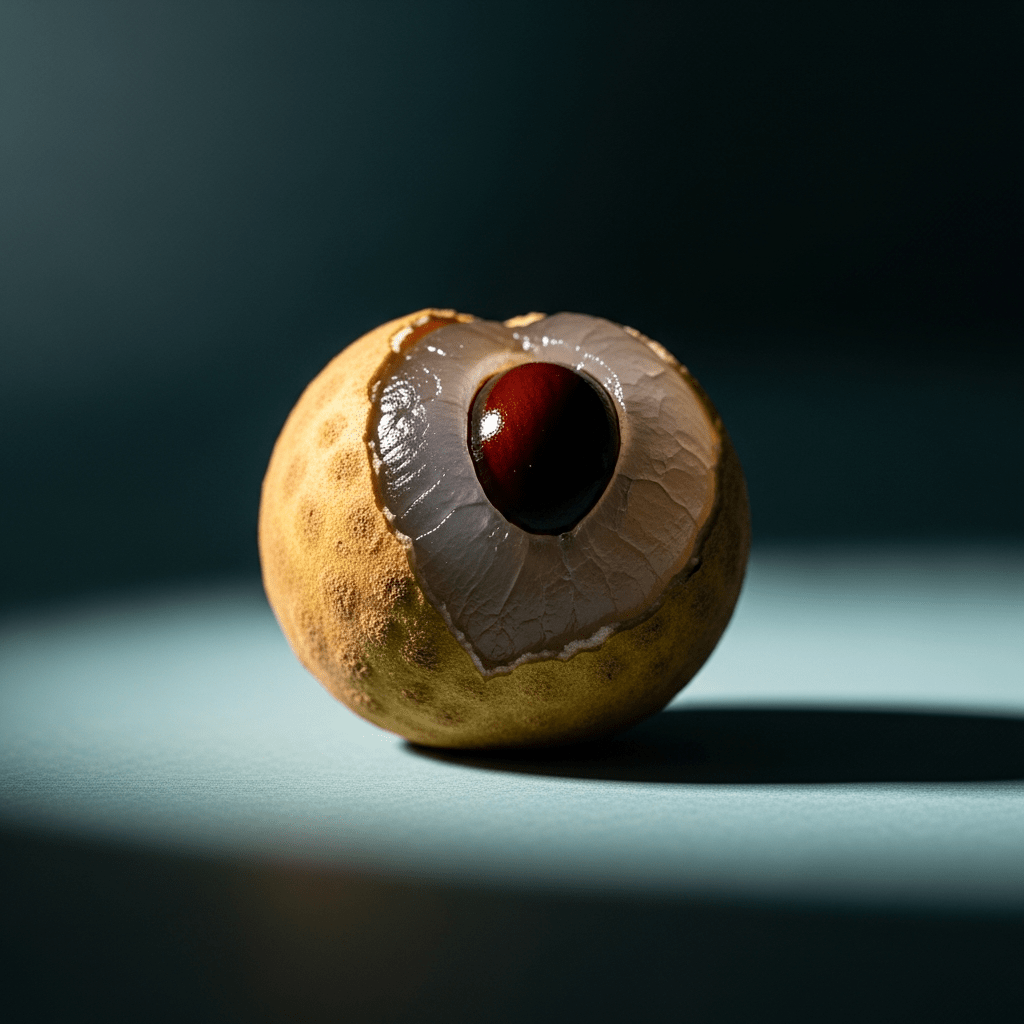
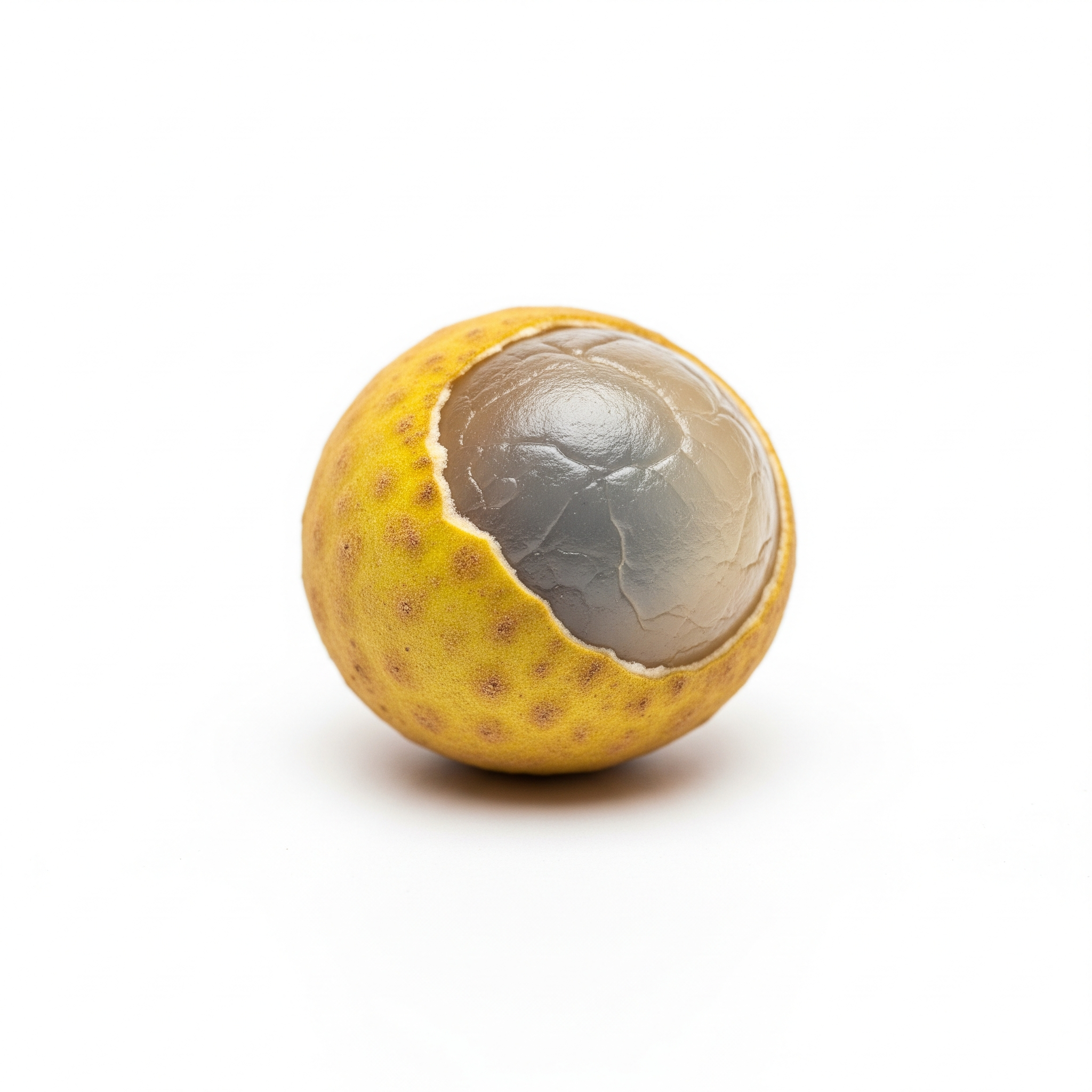
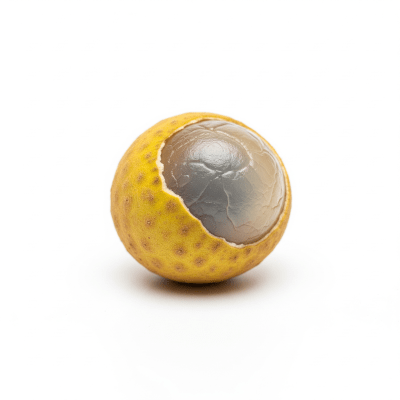
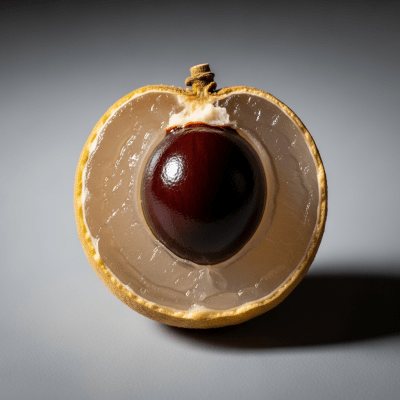
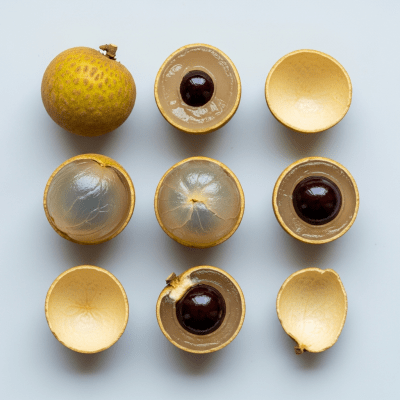
Longan fruit is small and round, typically measuring 1.5 to 2.5 centimeters in diameter. Its thin, tan-brown shell encases a glistening, translucent flesh that is juicy and aromatic. At the center lies a single, shiny black seed, reminiscent of a dragon’s eye—a visual trait that inspires its Chinese name. The fruit’s texture is tender, and its flavor balances sweetness with subtle musky notes.
Longan is enjoyed fresh for its juicy texture and sweet taste, but it is equally valued in dried and canned forms. Dried longan is a pantry staple in many Asian households, used in herbal teas, soups, and desserts for its shelf stability and concentrated flavor. The fruit’s versatility extends to beverages and traditional medicines, making it a functional ingredient in both culinary and wellness contexts.
Bring this kind into your world illustrated posters, mugs, and shirts.
Archival print, museum-grade paper
Buy Poster
Stoneware mug, dishwasher safe
Buy Mug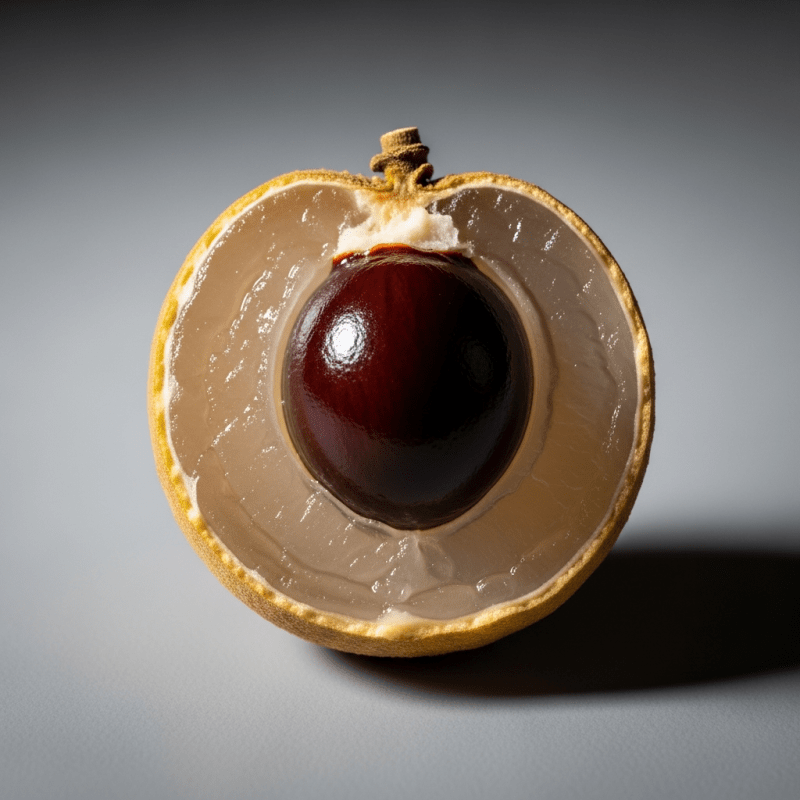
Soft cotton tee, unisex sizes
Buy ShirtLongan holds a cherished place in the cultures of China, Vietnam, and Thailand, where it features prominently in local festivals, cuisine, and folklore. Its evocative name, "dragon’s eye," is woven into myth and symbolism, representing clarity and good fortune. Dried longan is often used in traditional herbal remedies and celebratory dishes, underscoring its enduring role in both daily life and ceremonial occasions.
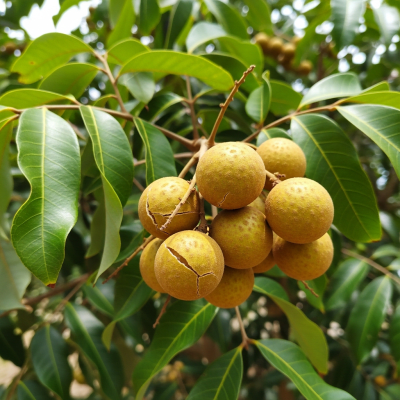
The longan tree is evergreen, reaching heights of up to 20 meters, with dense, glossy foliage. Its flowers bloom in panicles, and fruiting occurs 4 to 6 months after flowering. Each fruit is a small, round drupe with a thin shell, juicy translucent flesh, and a single black seed. The species prefers warm, humid climates and is sensitive to frost, waterlogging, and strong winds. Some cultivars show resistance to pests and diseases, but overall, careful management is required for healthy yields.

Longan is valued not only for its delicious taste but also for its contribution to a balanced diet. The fruit is low in calories and supplies natural sugars, vitamins, and minerals. Dried longan, in particular, is used in traditional medicine for its purported restorative properties, though specific nutritional data may vary by preparation and region.
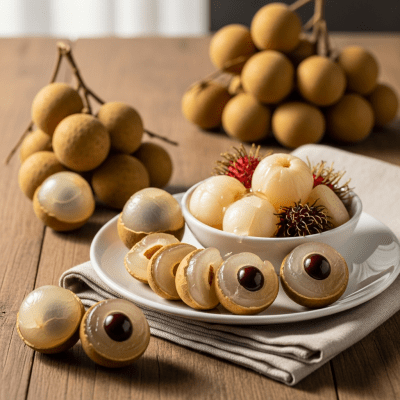
Longan’s sweet, musky flavor makes it a favorite in fresh fruit platters, desserts, and beverages. Dried longan is a classic ingredient in Asian soups and herbal teas, imparting a subtle sweetness and aroma. The fruit is also canned in syrup for year-round enjoyment and features in traditional medicines and festive dishes across its native regions.
Longan is grown in subtropical and tropical regions, favoring warm temperatures and moderate rainfall. Trees are propagated by seed or vegetative methods and require protection from frost and waterlogging. Flowering occurs in panicles, with fruit maturing 4 to 6 months after bloom. Yields typically range from 8 to 15 tons per hectare, depending on cultivar and local conditions. Harvesting is done by hand, and careful post-harvest handling—such as refrigeration or drying—helps preserve fruit quality and extend shelf life.
China, Vietnam, and Thailand are the leading producers of longan, supplying both domestic and international markets. The fruit is exported globally, with significant demand in North America and Europe. Dried and canned longan products are especially popular for their extended shelf life and convenience, supporting a robust trade network that connects growers in Asia to consumers worldwide.
Longan is a staple in the cuisines of China, Vietnam, and Thailand, each region favoring local cultivars and unique culinary uses. In China, it is celebrated in festivals and used in desserts and traditional medicine. Thailand boasts several popular varieties, such as Chompoo and Biew Kiew, while in Vietnam, longan is featured in both sweet and savory dishes. The fruit is sometimes confused with lychee and rambutan, but its distinct flavor and cultural importance set it apart in each locale.