Mulberry
Mulberry is the sweet, aggregate fruit produced by several species in the genus Morus, prized for its vibrant color, nutritional richness, and versatility in culinary and agricultural traditions worldwide.
Mulberry is the sweet, aggregate fruit produced by several species in the genus Morus, prized for its vibrant color, nutritional richness, and versatility in culinary and agricultural traditions worldwide.
Mulberries trace their origins to three principal regions: Morus alba (white mulberry) was first domesticated in China over 4,000 years ago, primarily to sustain silkworms for silk production; Morus nigra (black mulberry) hails from western Asia; and Morus rubra (red mulberry) is native to eastern North America. Over centuries, mulberries have been cultivated and adapted regionally, resulting in a rich tapestry of local varieties and uses. The fruit’s close association with sericulture marks one of the earliest examples of agricultural domestication for both food and industry.
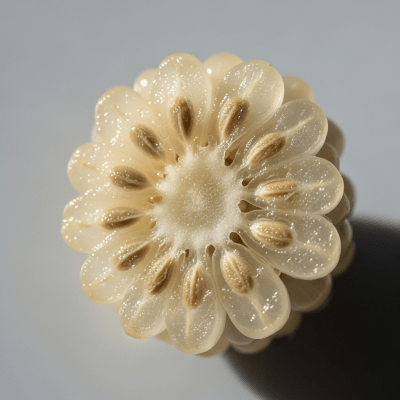
Botanically, mulberries belong to the family Moraceae and the genus Morus. They are classified as aggregate fruits, meaning each mulberry is formed from multiple small drupelets clustered together. Within the broader fruit taxonomy, mulberries stand out for their role in both human nutrition and agricultural systems, and are distinct from similar-looking but unrelated fruits sometimes called "mulberry" in other regions.
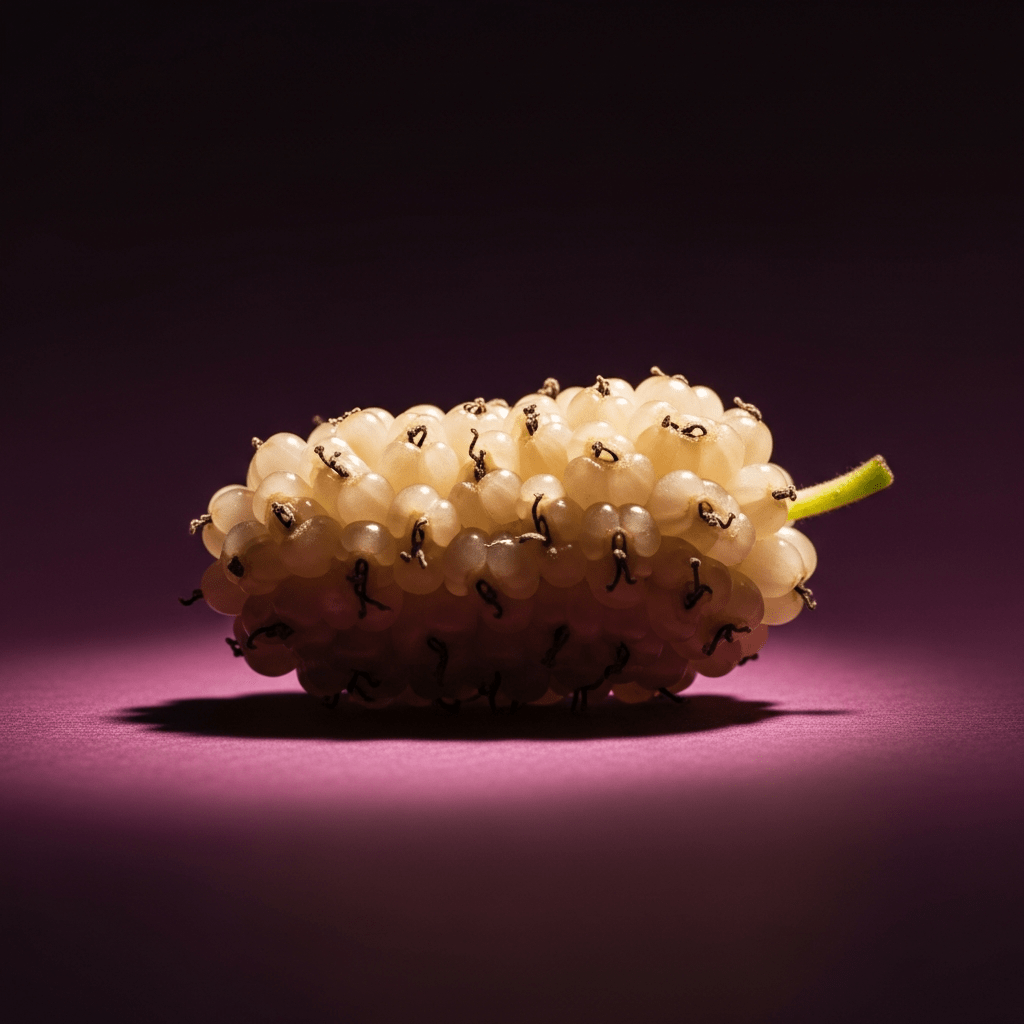
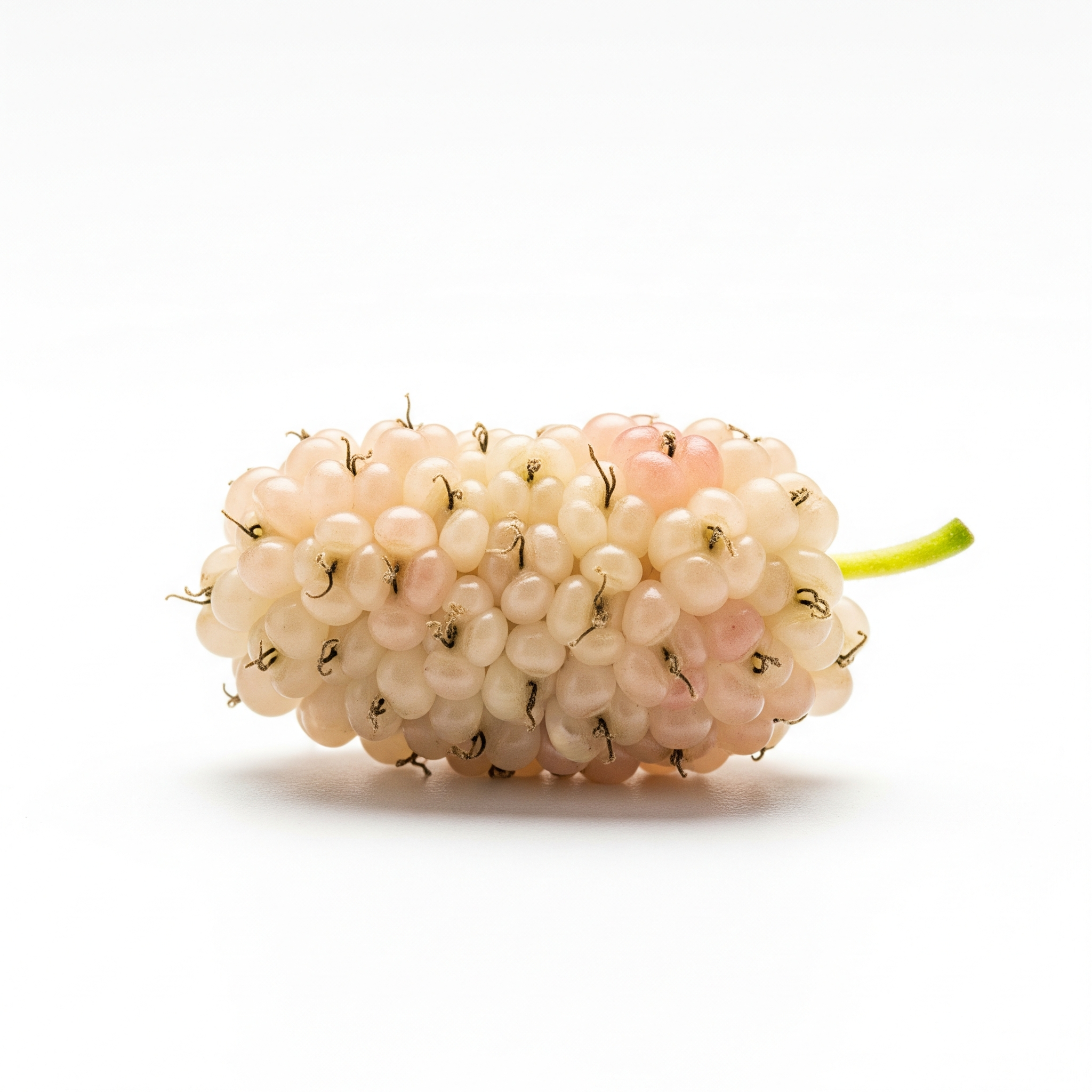
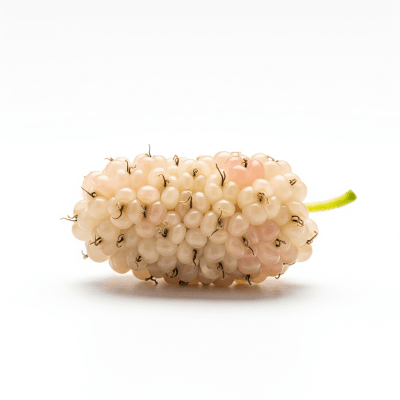
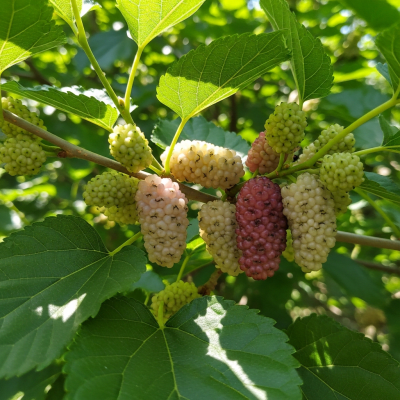
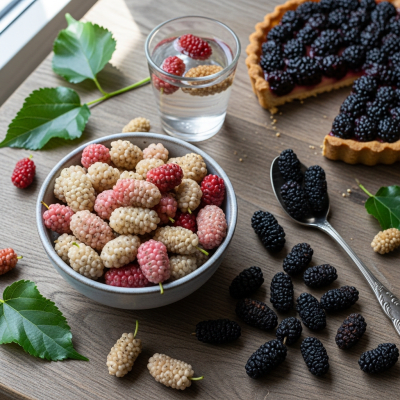
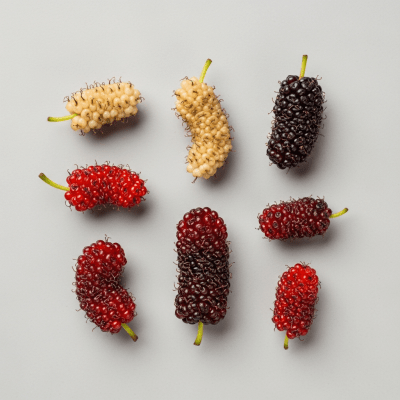
Mulberries are slender, elongated fruits typically measuring 2–5 cm in length. Their color palette spans creamy white, pink, and deep purple (from Morus alba), rich black (from Morus nigra), and vivid red (from Morus rubra). Each fruit is composed of tightly packed, juicy drupelets, giving it a bumpy, glossy surface. When ripe, mulberries are tender to the touch, bursting with sweet-tart flavor and staining fingers with their vibrant juice.
Mulberries are enjoyed fresh, dried, or transformed into jams, jellies, wines, syrups, and baked goods. Their leaves play a crucial role as the primary food for silkworms, making mulberry cultivation essential to silk production. In some cultures, dried mulberries are a staple snack, while the fruit’s perishability often necessitates immediate consumption or processing. The trees themselves are valued for shade, animal fodder, and ecological resilience.
Bring this kind into your world illustrated posters, mugs, and shirts.
Archival print, museum-grade paper
Buy Poster
Stoneware mug, dishwasher safe
Buy Mug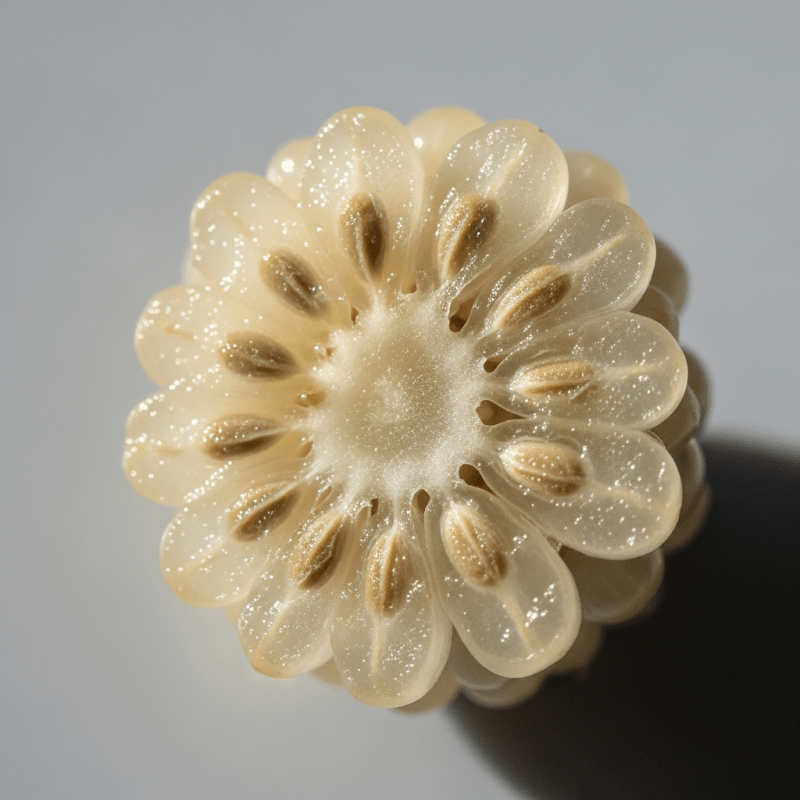
Soft cotton tee, unisex sizes
Buy ShirtMulberries have woven themselves into the fabric of many cultures. In China, their cultivation underpins the ancient silk industry. In Persian and South Asian folklore, the fruit—known as shahtoot—is celebrated for its sweetness and medicinal value. European traditions associate mulberries with longevity and abundance, while in North America, the red mulberry is a symbol of native flora. The fruit and tree appear in poetry, myth, and proverbs across continents, often representing transformation and the rewards of patience.
Mulberry trees are medium-sized, fast-growing, and deciduous, reaching heights of up to 15 meters. Their leaves are simple, alternate, and often lobed in younger plants. The fruit is an aggregate of small, juicy drupelets, varying in color by species. Mulberries thrive in well-drained, fertile soils and full sun, exhibit good drought tolerance, and are susceptible to fungal diseases like powdery mildew. Mature trees yield abundant fruit, but the berries are highly perishable.

Mulberries are a nutritional powerhouse, offering high levels of vitamin C, iron, and dietary fiber. They are also rich in phytonutrients such as anthocyanins and resveratrol, which possess potent antioxidant properties. Regular consumption may support immune function, cardiovascular health, and digestion.
Mulberries lend themselves to a variety of culinary uses. They are enjoyed fresh or dried as snacks, and commonly processed into jams, jellies, syrups, wines, and baked goods. In some regions, dried mulberries are a pantry staple, while the leaves are used for teas or as fodder for silkworms. Their sweet-tart flavor pairs well with desserts, breakfast dishes, and preserves.
Mulberries are cultivated in diverse climates, thriving in well-drained, fertile soils and full sun. The trees are robust and adaptable, but require management for fungal diseases and fruit drop. Harvest typically occurs when the berries are fully colored and tender, often by hand to prevent bruising. Due to their perishability, mulberries are best consumed or processed immediately after picking, with local markets and home gardens being the primary sources.
Mulberries hold significant cultural and economic value in Asia, the Middle East, Europe, and North America, though their commercial presence is limited by their fragility and short shelf life. Most mulberries are consumed locally or processed soon after harvest. While not as prominent in global trade as apples or bananas, mulberries are vital to regional economies, especially where sericulture is practiced.
Mulberries are known by various names—shahtoot in South Asia, morera in Spanish-speaking countries, mûrier in French, and tut in the Middle East. Regional cultivars like ‘Pakistan Mulberry’ and ‘King White Shahtoot’ reflect local preferences for fruit size, color, and flavor. In some areas, the term "mulberry" may refer to unrelated species, but only Morus species are true mulberries. Culinary uses, cultural symbolism, and agricultural practices vary widely, illustrating the fruit’s adaptability and enduring appeal.