Orange
The orange is a sweet, juicy citrus fruit prized worldwide for its vibrant flavor, high vitamin C content, and versatility in fresh and processed forms.
The orange is a sweet, juicy citrus fruit prized worldwide for its vibrant flavor, high vitamin C content, and versatility in fresh and processed forms.
Oranges trace their roots to southern China, northeastern India, and possibly Vietnam, where ancient hybridization between pomelo and mandarin gave rise to the sweet orange (Citrus × sinensis). Cultivation began at least a thousand years ago in China, spreading westward via Arab traders to the Mediterranean by the 10th century and reaching the Americas with Spanish explorers in the 16th century. The orange’s global journey reflects centuries of trade, migration, and agricultural innovation.
Botanically, the orange belongs to the genus Citrus within the family Rutaceae. It is classified as a hesperidium—a specialized berry with a leathery rind. The sweet orange (Citrus × sinensis) is a hybrid species, distinct from related citrus fruits such as mandarins, pomelos, and grapefruits. This classification places oranges among the most economically and nutritionally significant fruits in the citrus group.
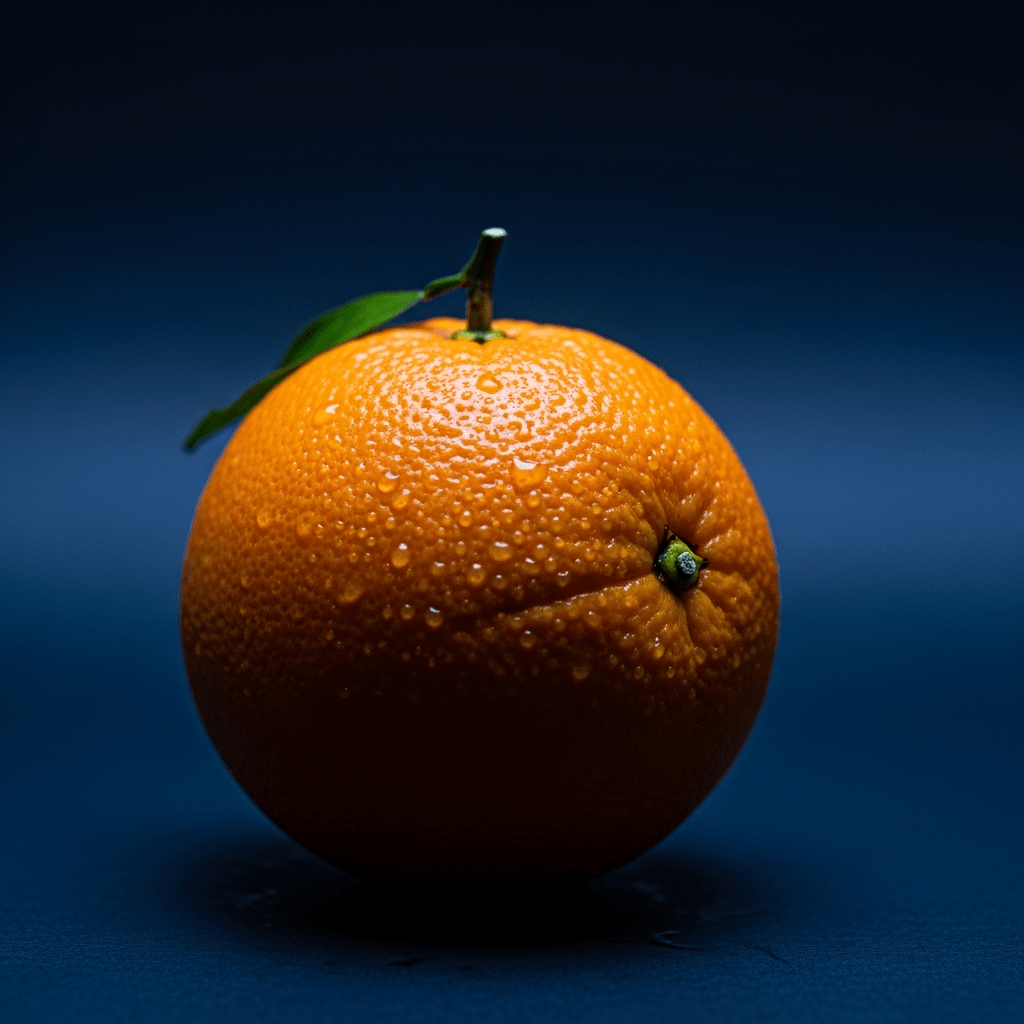
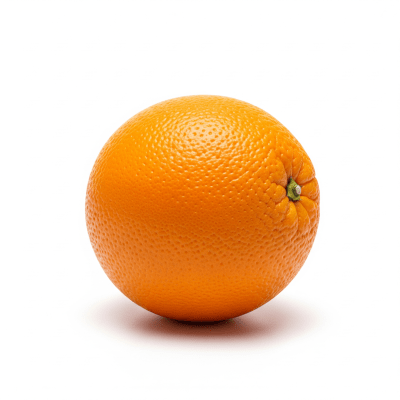
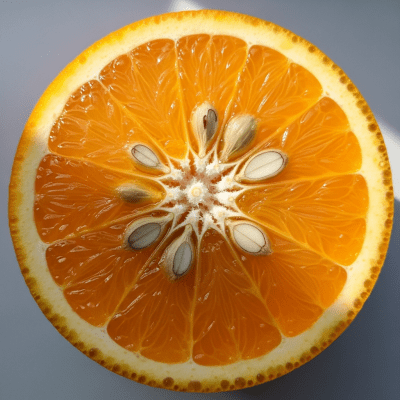
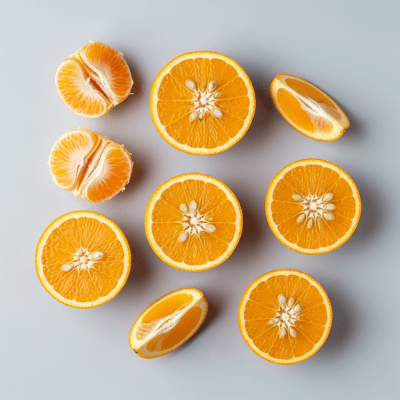
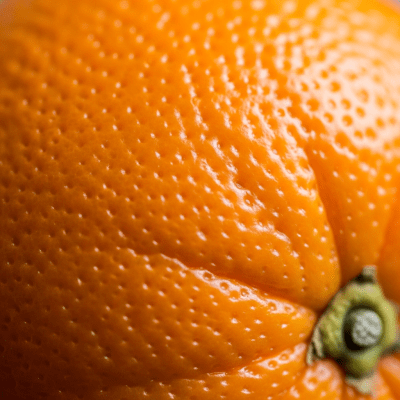
Oranges are medium-sized, round to oval fruits, typically 6–10 cm in diameter. Their bright orange, textured rind encases segmented, juicy flesh that ranges from pale orange to deep crimson in some varieties. The peel is aromatic and slightly oily, while the interior is divided into easily separated sections bursting with sweet-tart juice. The fruit’s vivid color and refreshing scent make it instantly recognizable and appealing.
Oranges are enjoyed fresh, juiced, or incorporated into a wide array of foods and beverages. Their zest and essential oils flavor desserts, sauces, and savory dishes, while the fruit itself is a staple in breakfast tables and culinary traditions worldwide. Oranges also play a vital role in the global citrus industry, driving trade and supporting livelihoods in major producing regions.
Bring this kind into your world illustrated posters, mugs, and shirts.
Archival print, museum-grade paper
Buy Poster
Stoneware mug, dishwasher safe
Buy Mug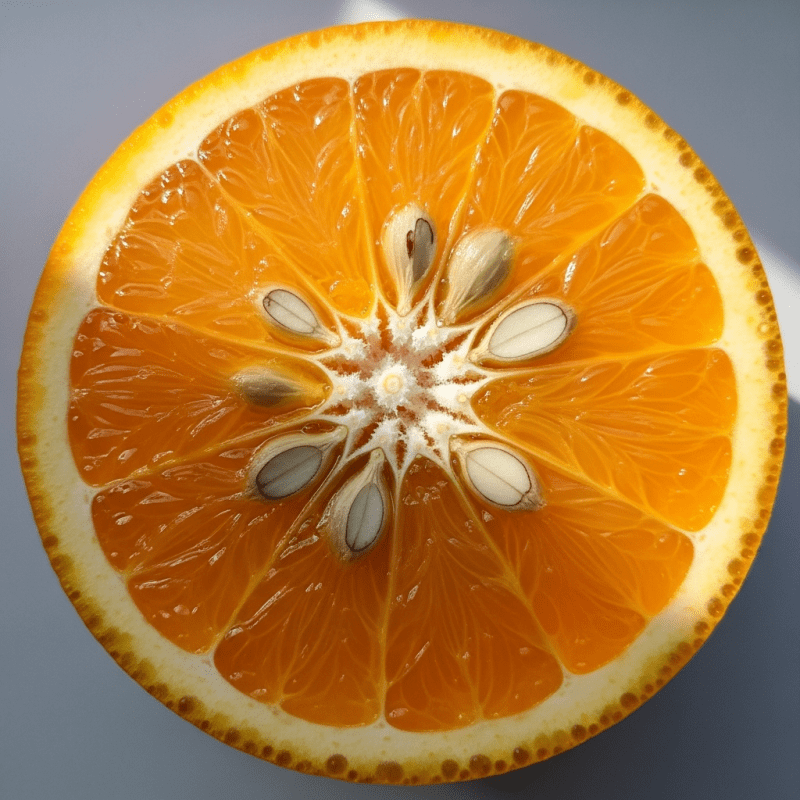
Soft cotton tee, unisex sizes
Buy ShirtOranges hold symbolic meaning in many cultures, representing prosperity, luck, and health—especially in Chinese New Year celebrations. Their vibrant color and refreshing taste have inspired countless works of art, literature, and folklore. In Mediterranean societies, oranges are woven into local cuisine and festivities, while in the Americas, orange juice has become a breakfast icon. The fruit’s enduring presence in rituals, art, and daily life speaks to its universal appeal.
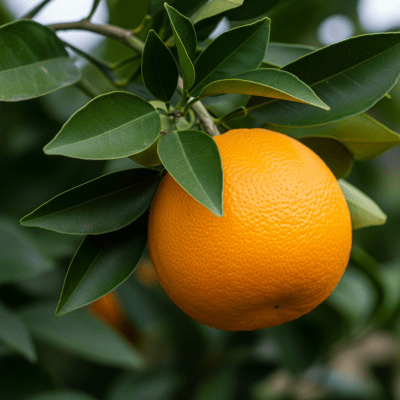
The orange tree is an evergreen, reaching heights of 7–15 meters, with glossy green leaves and fragrant white flowers. The fruit is a hesperidium, featuring a leathery, oil-rich rind and segmented, juicy flesh. Oranges grow best in subtropical to tropical climates, requiring full sun and well-drained soil. Trees are sensitive to frost and vulnerable to diseases like citrus greening and canker, making careful management essential for healthy yields.
Oranges are celebrated for their high vitamin C content, which supports immune health and collagen production. They also provide dietary fiber, potassium, and bioactive compounds such as flavonoids and carotenoids, which have antioxidant properties. Regular consumption of oranges may contribute to heart health, improved digestion, and reduced risk of chronic diseases.
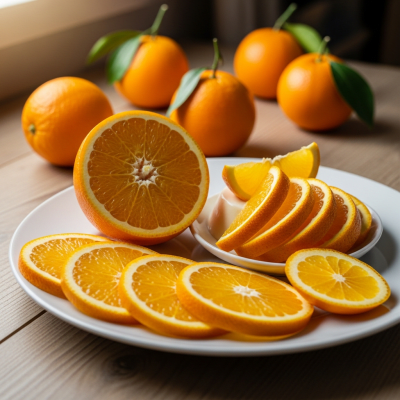
Oranges are enjoyed fresh, juiced, or as ingredients in desserts, salads, sauces, and baked goods. Their zest adds aromatic flavor to sweet and savory dishes, while candied peel and marmalade showcase the fruit’s versatility. Orange juice is a breakfast staple, and the fruit’s segments are popular in fruit salads and as garnishes. Essential oils from the peel are used in beverages, confections, and even perfumes.
Orange trees thrive in warm, sunny climates with well-drained soils. They are typically propagated by grafting and require regular irrigation and fertilization. Harvesting occurs in winter to early spring, depending on variety and region, with fruit picked by hand to avoid damage. Postharvest handling is crucial to prevent spoilage and maintain quality, as oranges are sensitive to bruising and disease.
Oranges are a cornerstone of global fruit trade, with major producers including Brazil, the United States, Spain, and Egypt. Brazil leads in orange juice exports, while the U.S. and Spain are key suppliers of fresh fruit. The orange industry supports millions of jobs worldwide, from farming to processing and distribution, making it a vital agricultural commodity in many economies.
Regional preferences shape orange varieties and uses: Mediterranean countries favor blood oranges and marmalade, while North America and Brazil focus on juice production. Local cultivars, such as Egypt’s Baladi orange or Spain’s Seville orange, reflect unique flavors and traditions. In East Asia, oranges are often exchanged as gifts during festivals, symbolizing luck and prosperity.