
Melon
Melon is a sweet, fleshy fruit from the species Cucumis melo, celebrated worldwide for its refreshing taste, hydrating properties, and versatility in both fresh and processed culinary forms.
Melon is a sweet, fleshy fruit from the species Cucumis melo, celebrated worldwide for its refreshing taste, hydrating properties, and versatility in both fresh and processed culinary forms.
Melons trace their origins to the ancient regions of the Middle East, South Asia, and Africa, with evidence of cultivation dating back over 4,000 years. The domestication of melon involved extensive hybridization and selection from wild Cucumis species native to Africa and the Indian subcontinent. Over centuries, farmers and breeders across continents have developed a rich diversity of melon cultivars, with notable breeding programs established in the United States, Europe, and Asia. Today, melons are grown and enjoyed globally, their journey shaped by both tradition and agricultural innovation.
Botanically, melon belongs to the family Cucurbitaceae and is classified under the species Cucumis melo. This places melon alongside other gourds and squashes, though it is distinguished by its sweet, edible flesh. Within the broader taxonomy of fruits, melons are considered true fruits, developing from the ovary of a flower and bearing seeds. The term "melon" encompasses several varietal groups, such as cantaloupe, honeydew, and muskmelon, each with unique traits but all sharing the core botanical lineage.
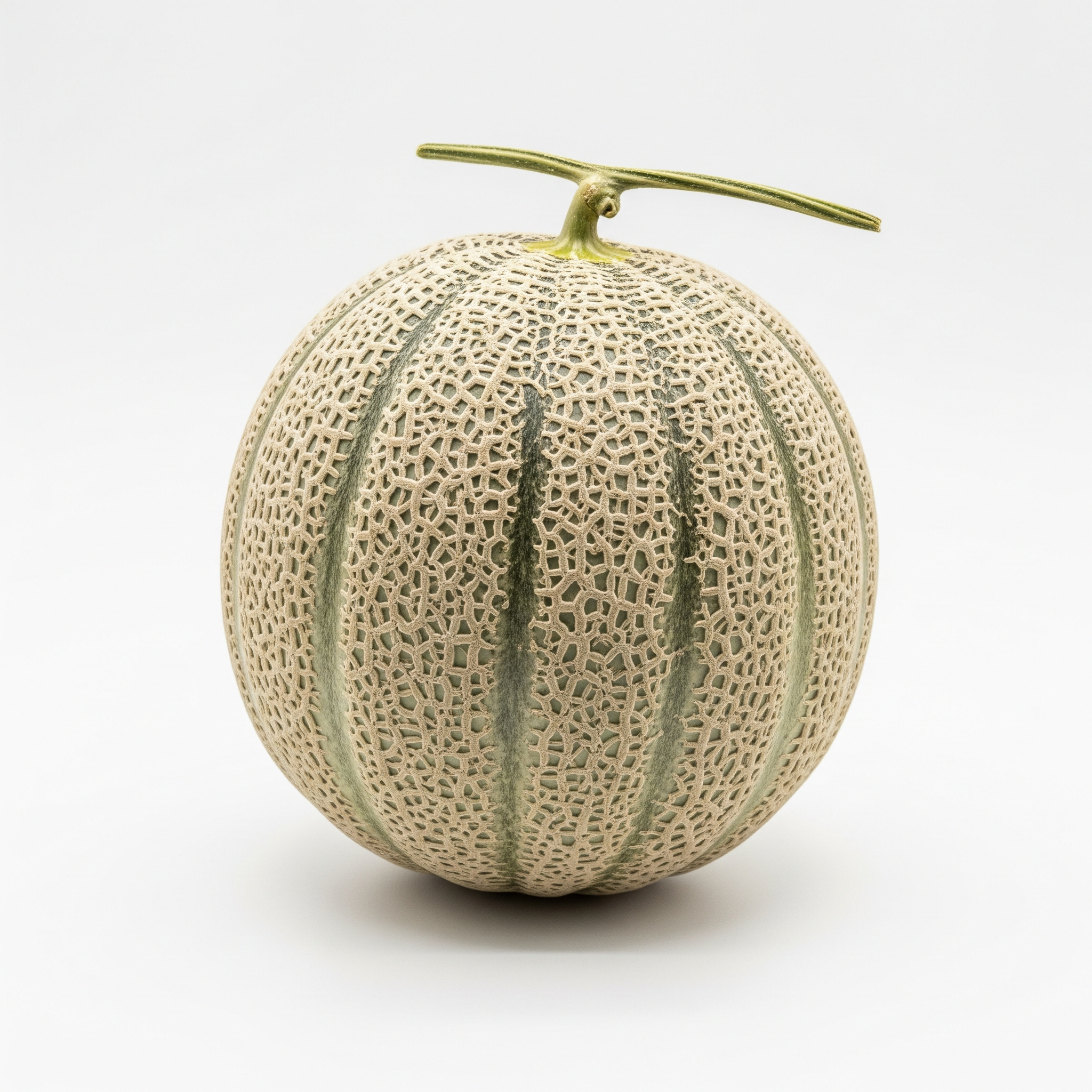
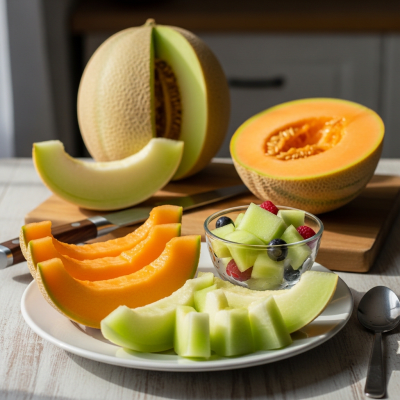
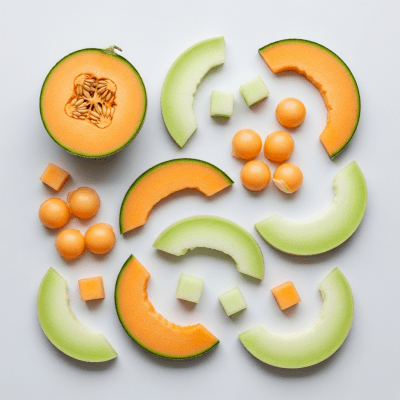
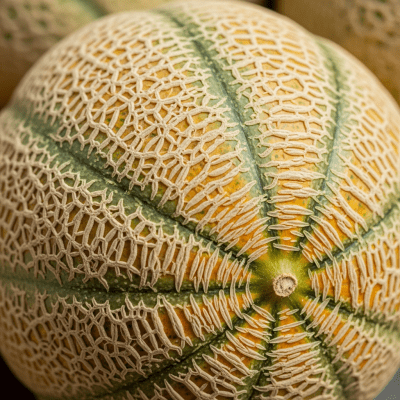
Melons present a striking array of shapes and colors, ranging from round and oval to oblong forms. Their rinds may be smooth, netted, or ribbed, displaying hues of green, yellow, orange, or white. Inside, the flesh is typically pale green, orange, or white—succulent, sweet, and aromatic—surrounding a central cavity filled with seeds. Melons vary in size, from petite varieties weighing half a kilogram to large fruits exceeding five kilograms. The sensory experience is defined by their juicy texture and inviting fragrance.
Melons are prized for their refreshing flavor and high water content, making them a staple in warm climates and summer menus. They are commonly eaten fresh, sliced, or cubed, and feature in fruit salads, desserts, beverages, and as garnishes. Beyond fresh consumption, melons are processed into juices, jams, dried snacks, and, in some Asian cuisines, pickled or salted delicacies. Their versatility extends to both everyday meals and gourmet presentations, valued for their ability to hydrate and delight.
Bring this kind into your world illustrated posters, mugs, and shirts.
Archival print, museum-grade paper
Buy Poster
Stoneware mug, dishwasher safe
Buy Mug
Soft cotton tee, unisex sizes
Buy ShirtThroughout history, melons have held a place of honor in art, literature, and culinary tradition. In ancient Persia and Egypt, melons symbolized abundance and hospitality. European still-life paintings often feature melons as emblems of summer and luxury. In modern culture, melons are celebrated in festivals, such as the Japanese "Yubari Melon" auctions, where prized fruits fetch premium prices. Their universal appeal is reflected in language, with regional names and expressions marking their significance in daily life and seasonal rituals.
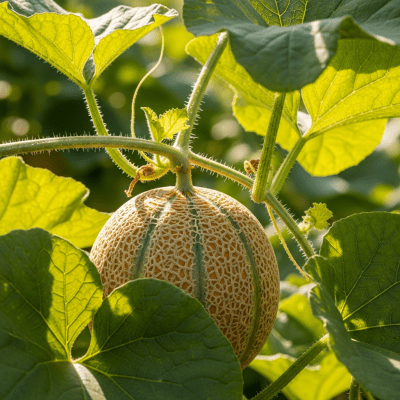
Melons are annual, herbaceous plants with trailing or climbing growth habits. Their large, lobed leaves and bright yellow flowers precede the development of fleshy fruits. The fruit itself varies widely in size (0.5–5+ kg), shape (round, oval, oblong), and rind texture (smooth, netted, ribbed). Inside, the sweet, aromatic flesh surrounds a central seed cavity. Melons thrive in warm climates with well-drained soils and moderate irrigation, maturing within 70–100 days. They are susceptible to fungal diseases and insect pests, though resistant cultivars are available.
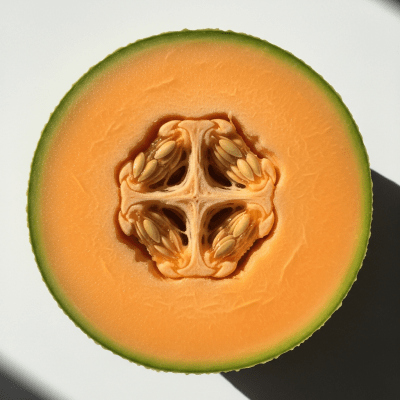
Melons offer substantial nutritional benefits with their high water content and low caloric value. They are a rich source of vitamin C, supporting immune health, and vitamin A, which promotes healthy skin and vision. Potassium is also present, contributing to electrolyte balance. Their hydrating properties make melons ideal for hot weather and active lifestyles, while their natural sweetness satisfies cravings without excess sugar or fat.
Melons are enjoyed in a variety of culinary contexts: fresh and chilled as snacks, sliced into salads, blended into smoothies, or served as dessert. They pair well with cured meats, cheeses, and herbs, and are often featured in fruit platters. Some varieties are processed into juices, jams, or dried snacks, while in parts of Asia, melons are pickled or salted for unique flavors. Their versatility makes them a favorite ingredient in both everyday and gourmet cuisine.
Melon cultivation requires warm temperatures, well-drained soils, and moderate irrigation. Plants are typically grown from seed and mature within 70–100 days. Yields can range from 15 to 40 tons per hectare, depending on variety and farming practices. Growers must manage threats from fungal diseases, viral infections, and insect pests, often selecting resistant cultivars to improve success. Harvesting is done when fruits reach full aroma and color, with care taken to avoid bruising. Post-harvest, melons are sensitive to chilling injury and require gentle handling.
Melons are a major global crop, with China, Turkey, Iran, Egypt, and the United States leading production. Market value depends on flavor, aroma, appearance, and shelf life, with specialty cultivars commanding premium prices in gourmet and export sectors. International trade in melons is robust, supported by standardized grading and quality controls. The fruit’s popularity ensures year-round demand in many regions, with both local and imported varieties available in markets worldwide.
Regional differences in melon terminology and usage abound: "rockmelon" is common in Australia, "melón" in Spanish-speaking countries, and "甜瓜" (tián guā) in China. In France, "melon d'eau" refers to watermelon, not Cucumis melo. Culinary traditions vary, with pickled or salted melon popular in parts of Asia, while European and North American cuisines favor fresh, sweet varieties. Local cultivars and preferences shape the melon’s role in diets and celebrations around the world.