Kiwi
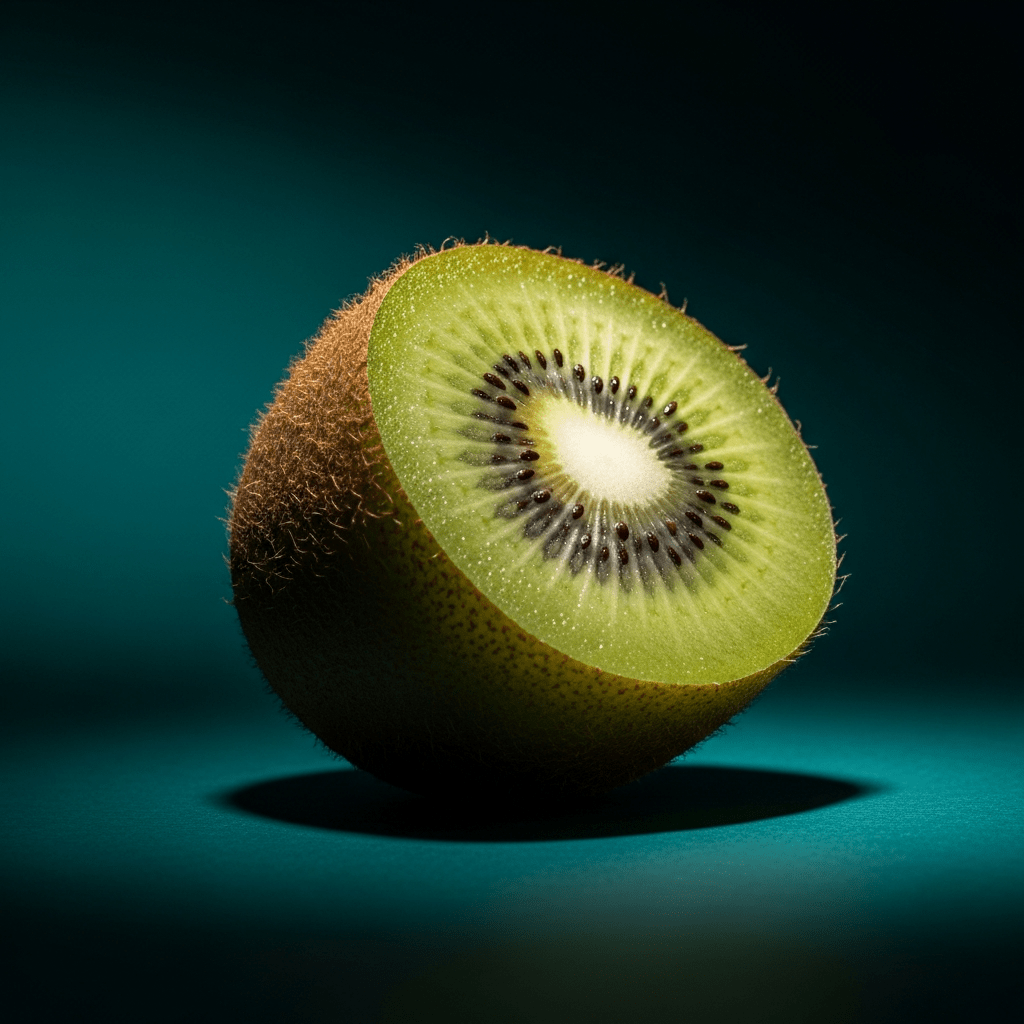
The kiwi is a vibrant, sweet-tart edible berry with fuzzy brown skin and bright green flesh, prized worldwide for its flavor and exceptional vitamin C content.
The kiwi is a vibrant, sweet-tart edible berry with fuzzy brown skin and bright green flesh, prized worldwide for its flavor and exceptional vitamin C content.
Kiwi originated in the temperate forests of central and eastern China, where wild Actinidia species have been enjoyed for centuries. In the early 20th century, the fruit was introduced to New Zealand, where selective breeding led to the modern commercial kiwi, notably the Hayward cultivar. Originally called the “Chinese gooseberry,” it was rebranded as “kiwifruit” in the 1950s, and New Zealand played a pivotal role in its global popularity and export.
Botanically, the kiwi is classified as a berry and belongs to the genus Actinidia, species deliciosa. It is part of the larger taxonomy of edible fruits, specifically fleshy seed-bearing structures from flowering plants. The fruit’s scientific name is Actinidia deliciosa, and it is grouped with other berries due to its morphology and seed arrangement.
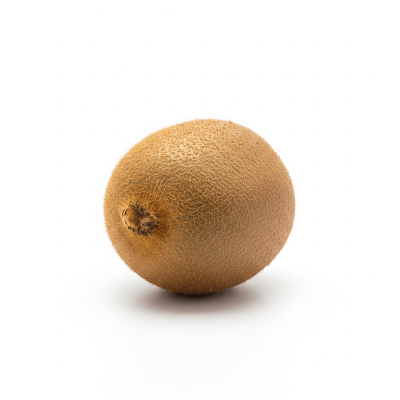
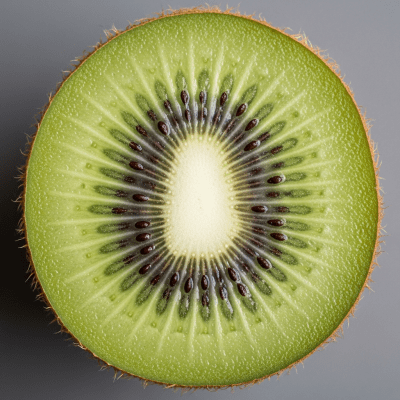
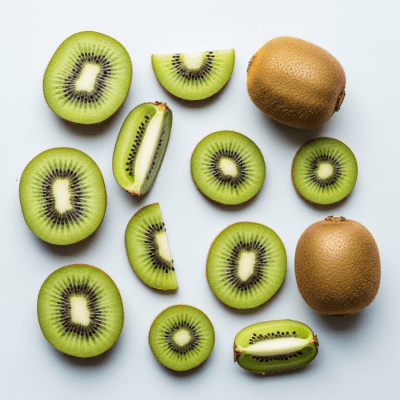
Kiwi fruit is typically oval, measuring 5–8 cm in length and weighing between 70–120 grams. Its thin, fibrous brown skin is covered in a distinctive fuzz, concealing a strikingly bright green or golden flesh. The juicy interior is speckled with tiny, edible black seeds arranged in a radial pattern, offering a refreshing sweet-tart taste and a pleasingly soft texture.
Kiwis are enjoyed fresh—sliced, scooped, or eaten whole—and are popular in fruit salads, desserts, beverages, and as a colorful garnish. Their high vitamin C and fiber content make them a staple in health-conscious diets. The fruit is also processed into juices, jams, and dried snacks, and its long shelf life and resilience to transport contribute to its widespread commercial appeal.
Bring this kind into your world illustrated posters, mugs, and shirts.
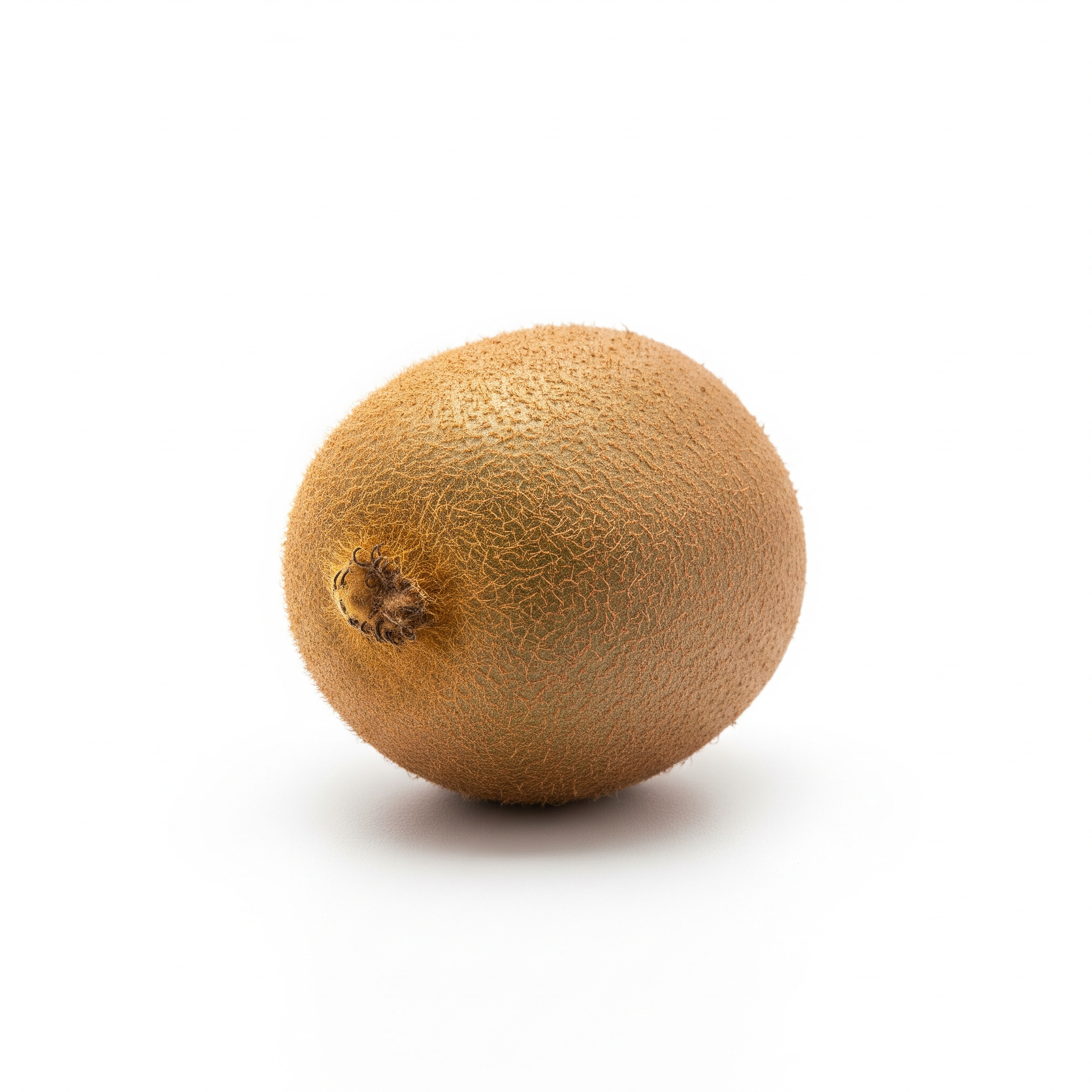
Archival print, museum-grade paper
Buy Poster
Stoneware mug, dishwasher safe
Buy Mug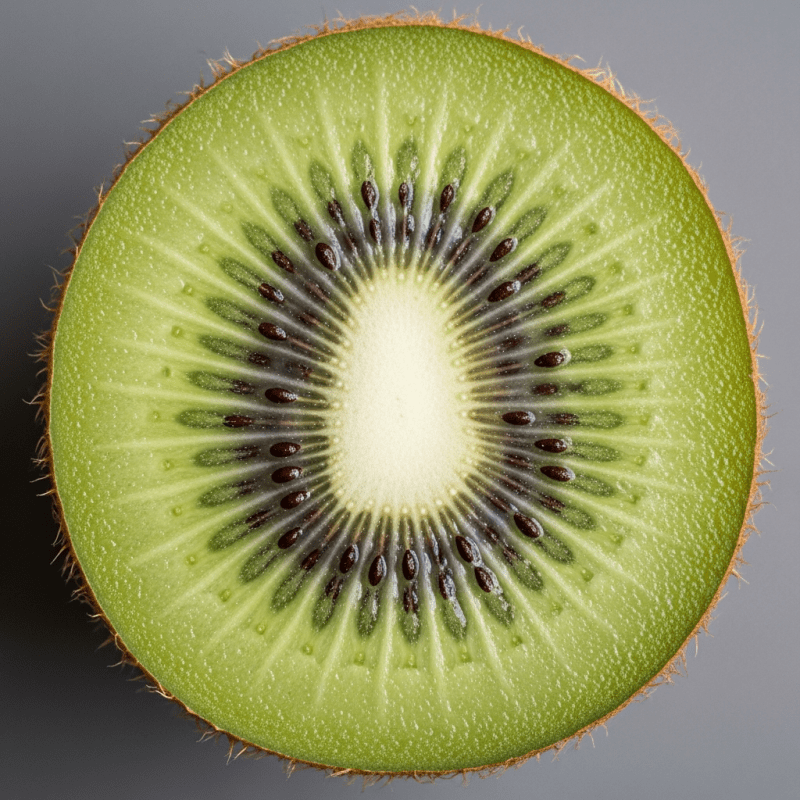
Soft cotton tee, unisex sizes
Buy ShirtKiwi’s journey from China to New Zealand transformed it into a symbol of international horticultural success. The rebranding to “kiwifruit” aligns it with New Zealand’s national identity, echoing the country’s iconic flightless bird. In China, it remains known as “mihoutao,” and its vivid color and unique flavor have made it a favorite in culinary arts and global cuisine, often featured in modern recipes and health campaigns.
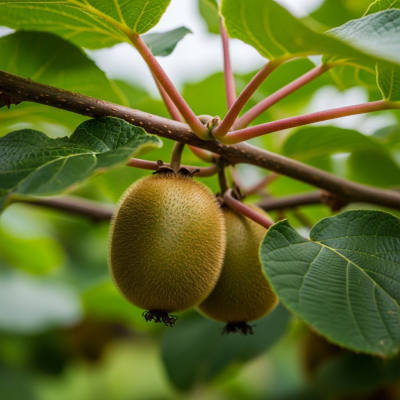
Kiwi grows on vigorous, deciduous climbing vines that require support and thrive in temperate climates with sufficient chilling hours. The plant is dioecious, meaning male and female vines are needed for pollination. Fruits are oval, with thin, fuzzy brown skin and juicy green or golden flesh packed with edible black seeds. The Hayward cultivar is known for its large fruit, long shelf life, and resistance to transport damage, though the vines can be susceptible to root rot and bacterial canker.
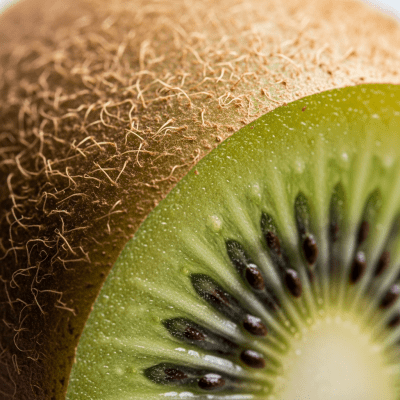
Kiwi is a nutritional powerhouse, offering high levels of vitamin C, dietary fiber, and antioxidants. These nutrients support immune health, aid digestion, and help combat oxidative stress. Its low calorie count and rich micronutrient profile make it a popular choice for balanced diets and wellness-focused eating.
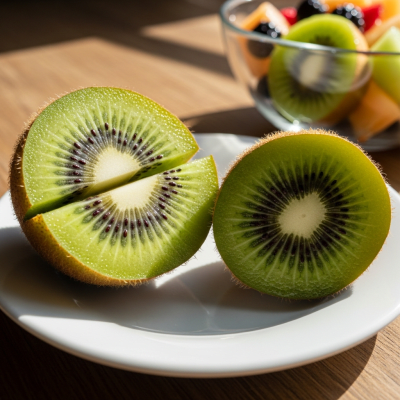
Kiwis are enjoyed fresh—peeled, sliced, or scooped—and add vibrant color and flavor to fruit salads, desserts, and beverages. They are also processed into juices, jams, and dried snacks. Kiwi’s sweet-tart profile and visual appeal make it a favorite garnish, and its tender flesh blends well in smoothies and sorbets.
Kiwi vines require temperate climates and support structures for optimal growth. Both male and female plants are needed for pollination and fruit set. Under skilled management, yields average 20–40 tons per hectare. Harvest typically occurs once the fruit reaches full size and sugar content, with careful handling to preserve its delicate skin and flesh. The Hayward variety is favored for its robust yield and post-harvest durability, though growers must manage threats like root rot and bacterial canker.
Kiwi is a major player in international fruit trade, exported globally and often marketed as a premium or exotic item. China leads production, with New Zealand, Italy, and Chile as other key exporters. The Hayward cultivar dominates commercial output, prized for its yield and storage qualities. Kiwi’s long shelf life and resilience to transport make it a favorite for global distribution and retail.
In China, kiwi is known as “mihoutao” and is enjoyed both fresh and in traditional preparations. In New Zealand, “kiwi” can refer to the fruit or the native bird, so “kiwifruit” is preferred in trade. Golden-fleshed and red-fleshed cultivars are gaining popularity in Asia and Europe, while hardy kiwi varieties are favored in colder regions. Wild relatives and regional variants exist but are less common in global commerce.