Lemon
The lemon (Citrus limon) is a vibrant yellow citrus fruit celebrated worldwide for its tangy flavor, aromatic zest, and wide-ranging culinary and industrial uses.
The lemon (Citrus limon) is a vibrant yellow citrus fruit celebrated worldwide for its tangy flavor, aromatic zest, and wide-ranging culinary and industrial uses.
Lemons originated as a hybrid between the citron (Citrus medica) and bitter orange (Citrus × aurantium), with their domestication traced to northeastern India, northern Burma, or China. Ancient hybridization—both natural and human-guided—led to the lemon’s emergence, and Arab traders introduced it to the Mediterranean by the 10th century CE. While its wild ancestor species are known, the precise timeline and location of the lemon’s first cultivation remain partly obscured by history.
Botanically, the lemon belongs to the genus Citrus within the Rutaceae family and is classified as a hesperidium—a specialized type of berry. As a member of the citrus group, lemons share lineage with oranges, limes, and grapefruits, distinguished by their segmented, juicy pulp and aromatic rind. This classification places lemons among the world’s most economically and nutritionally important fruit types.
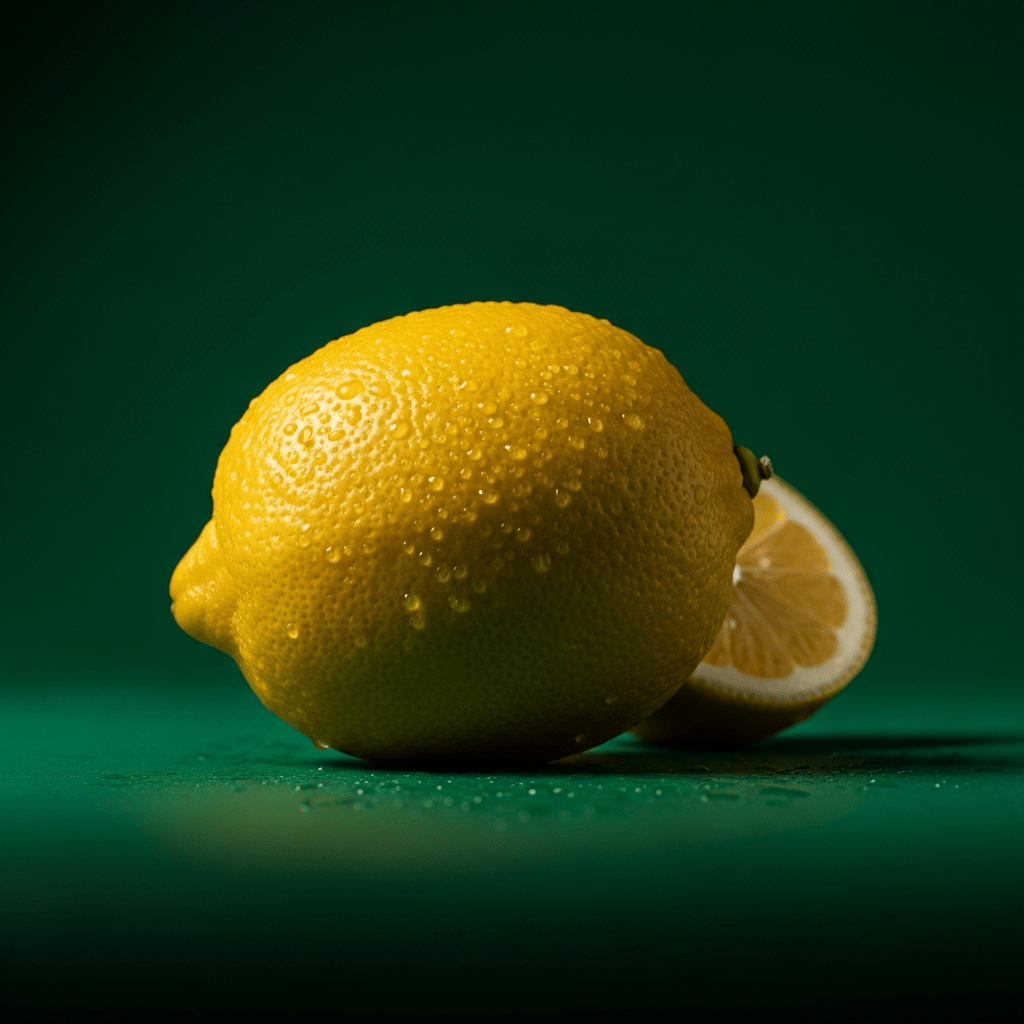
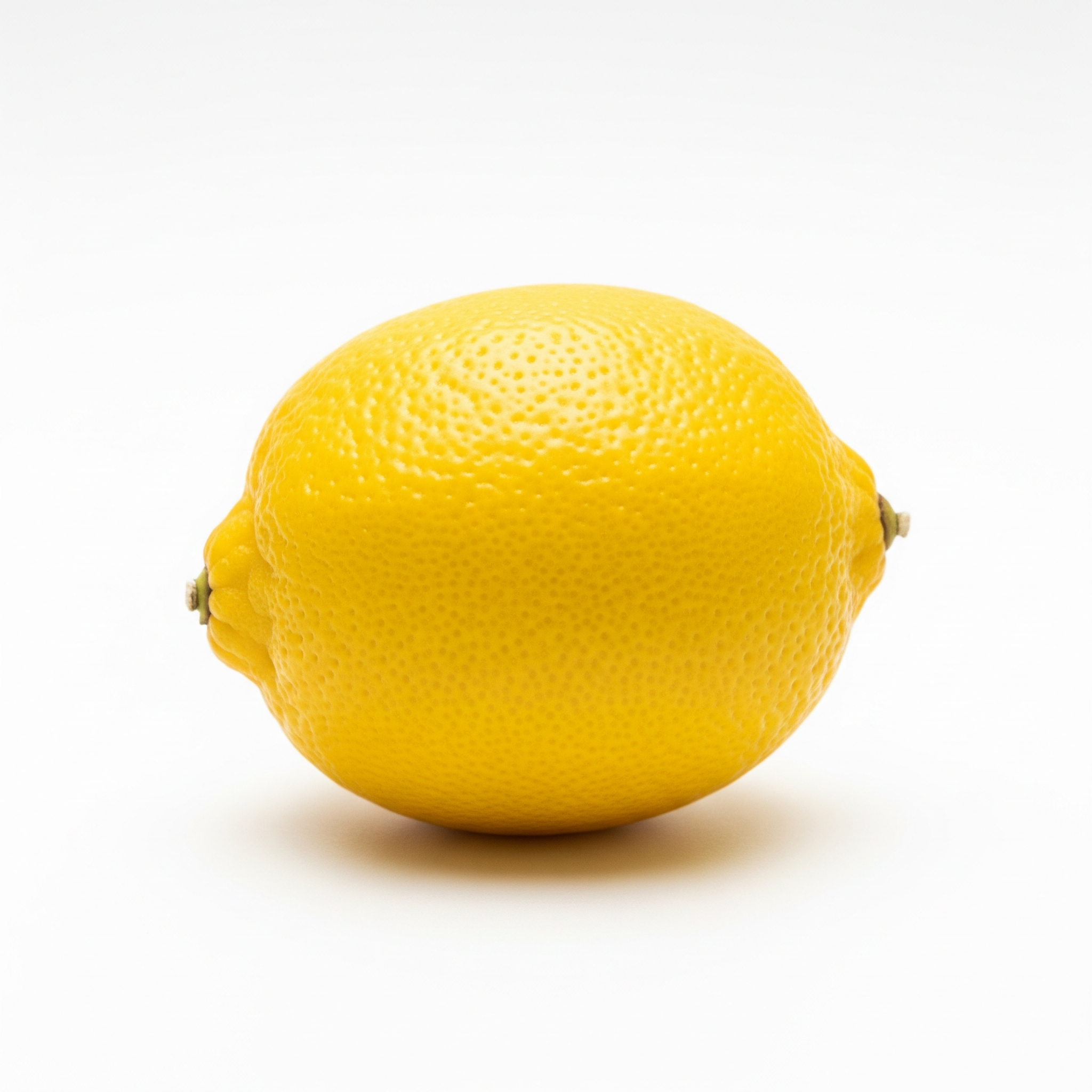
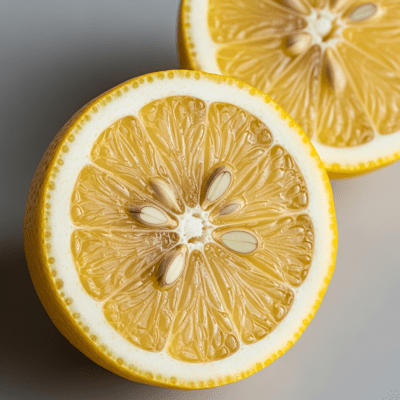
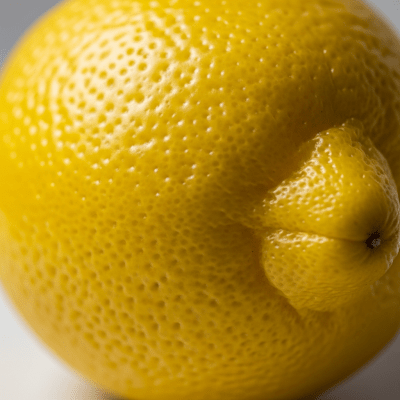
Lemons are typically oval to oblong, measuring 5–8 centimeters in length, with a bright yellow, thick, and textured rind. The apex often features a pronounced nipple. Inside, the pale yellow pulp is segmented and highly acidic, offering a refreshing sharpness. Some varieties are nearly seedless, while others contain numerous small seeds. The fruit’s glossy exterior and intense aroma make it instantly recognizable and appealing.
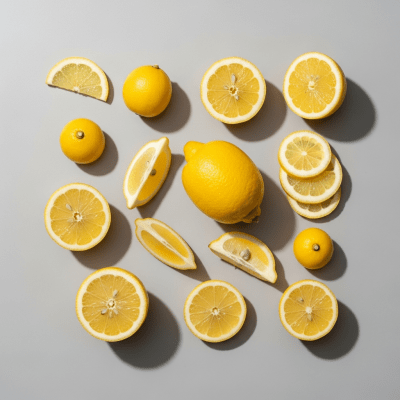
Lemons are prized for their versatility: they are consumed fresh, juiced, or transformed into products like concentrates, essential oils, and candied peel. The juice is a staple in beverages, marinades, dressings, and desserts, while the zest imparts a fragrant, citrusy note to both sweet and savory dishes. Industrially, lemons are a key source of citric acid and limonene, used in food, cleaning agents, cosmetics, and pharmaceuticals. Their acidity and aroma make them indispensable in kitchens and manufacturing alike.
Bring this kind into your world illustrated posters, mugs, and shirts.
Archival print, museum-grade paper
Buy Poster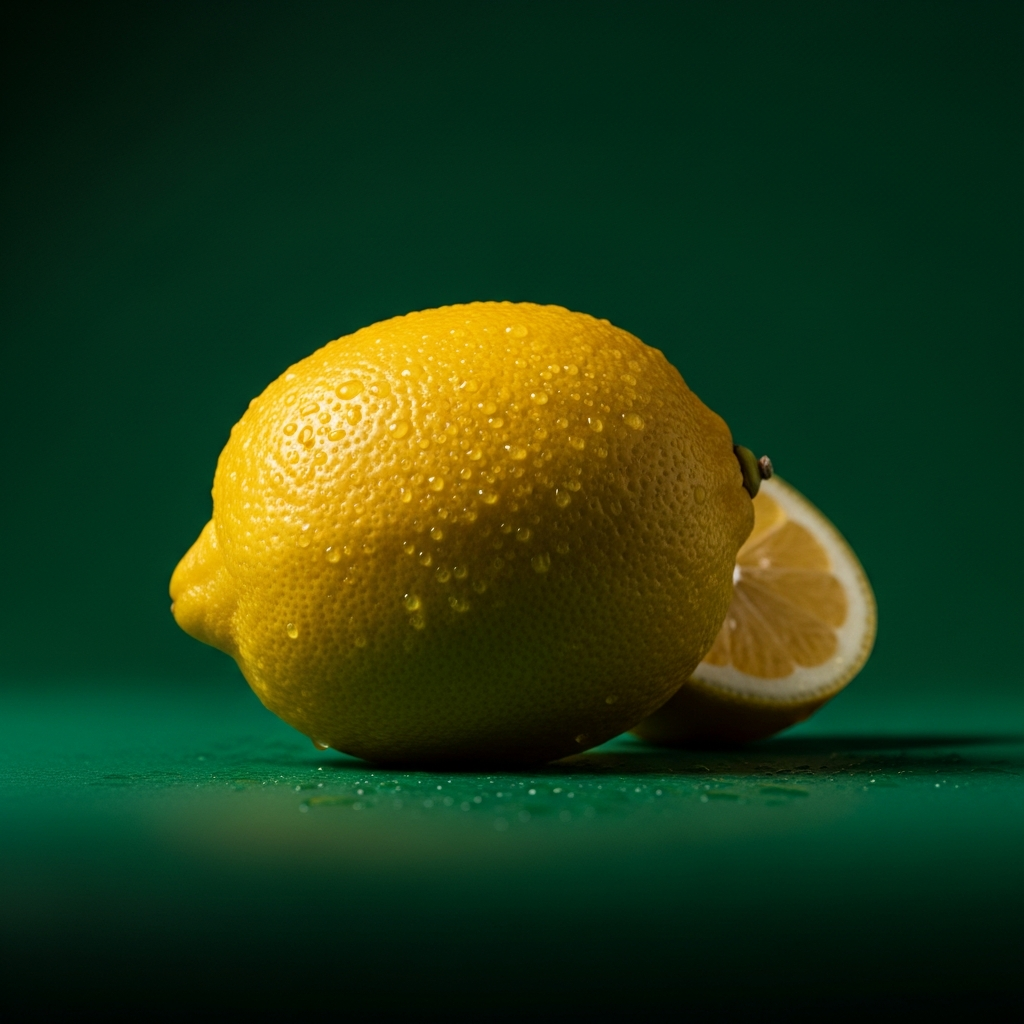
Stoneware mug, dishwasher safe
Buy Mug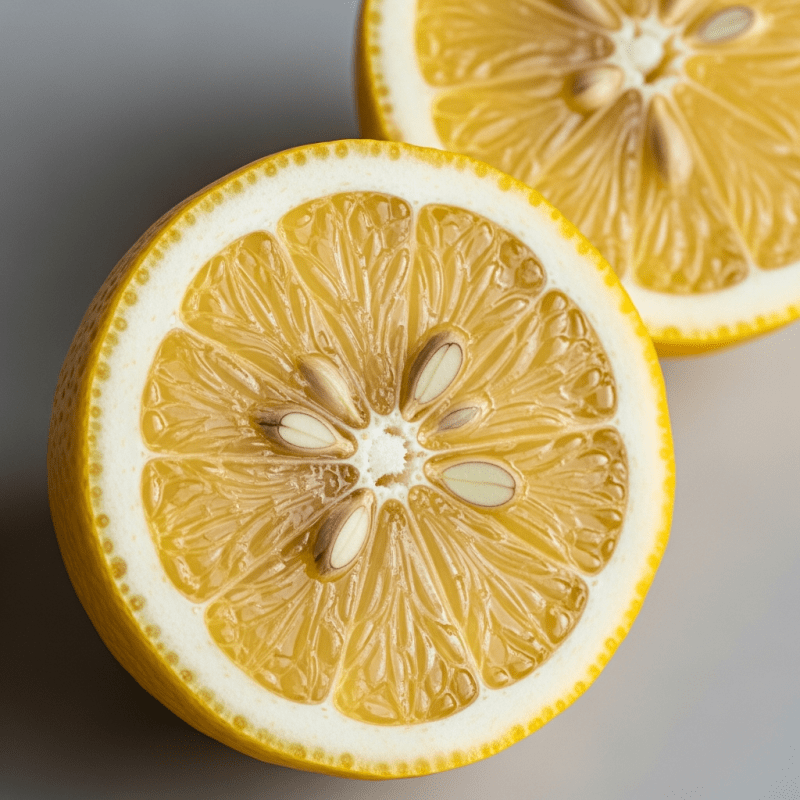
Soft cotton tee, unisex sizes
Buy ShirtLemons hold symbolic and medicinal importance in many cultures. They appear in folklore as emblems of freshness, purity, and vitality, and are woven into traditional remedies for their perceived cleansing and healing properties. In art and literature, lemons often represent brightness and zest for life. Globally, they are featured in rituals, festivals, and culinary traditions, from Mediterranean feasts to South Asian drinks and remedies.
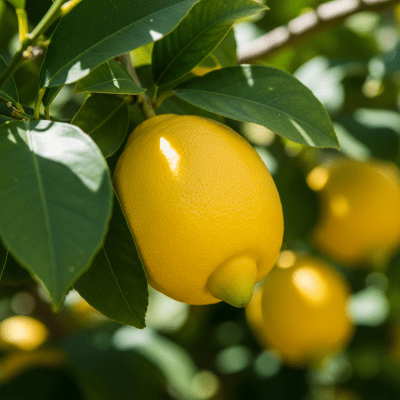
Lemon trees are evergreen, typically reaching 3–6 meters in height. They bear glossy green leaves, fragrant white flowers, and fruit year-round in suitable climates. The fruit is a hesperidium with a thick, textured rind and segmented, acidic pulp. While moderately tolerant to drought and some fungal pathogens, lemons are sensitive to frost and susceptible to citrus canker, tristeza virus, and root rot. Optimal growth requires well-drained, slightly acidic soils and careful disease management.


Lemons are celebrated for their high vitamin C content, supporting immune function and skin health. They also provide citric acid, which aids digestion and enhances flavor. The rind contains limonene, a compound studied for its antioxidant properties. Low in calories and fat, lemons add zest and nutrition to a wide range of diets.
Lemons are indispensable in kitchens worldwide. Their juice is used in drinks like lemonade and cocktails, as well as in marinades, dressings, and desserts. The zest adds aromatic brightness to baked goods, sauces, and savory dishes. Lemons are also preserved as candied peel, pickles, and in jams. Industrially, they supply citric acid and essential oils for food processing, cleaning products, and cosmetics.
Lemons thrive in subtropical and tropical climates, requiring frost protection and well-drained, slightly acidic soils. Trees flower and fruit throughout the year, with peak harvests in winter and spring. Commercial orchards can yield 20–40 tons per hectare annually. Proper management includes disease control, irrigation, and careful handling to prevent chilling injury and decay during storage and transport.
Lemon production exceeds 20 million metric tons globally each year. Leading producers include India, Mexico, Argentina, Spain, and the United States. Lemons are traded fresh and processed, subject to strict quality and phytosanitary standards. Their economic value spans food, beverage, cosmetic, and pharmaceutical industries, making them a cornerstone of international fruit trade.
Regional differences in lemon varieties and usage are notable. The 'Meyer lemon' is especially popular in North America for its sweetness, while 'Eureka' and 'Lisbon' dominate commercial production in Mediterranean and subtropical regions. In some areas, 'citron' refers to a distinct species, and lemons are sometimes confused with limes. Culinary traditions vary, with lemons featured in South Asian drinks, Mediterranean preserves, and global desserts.