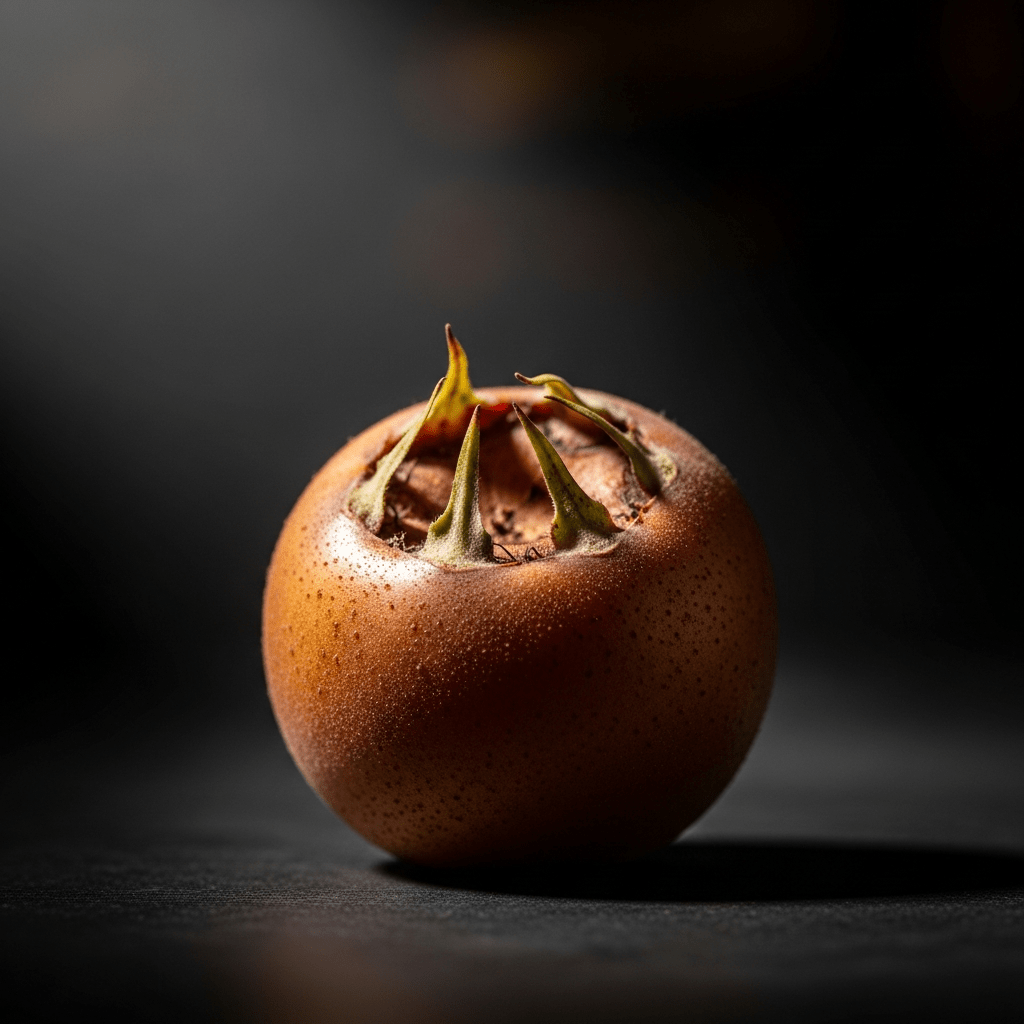
Medlar
The medlar is a deciduous fruit tree known for its unique, brown pome that becomes edible only after a process called bletting, offering a sweet, custard-like treat prized in historical European and Middle Eastern cuisine.
The medlar is a deciduous fruit tree known for its unique, brown pome that becomes edible only after a process called bletting, offering a sweet, custard-like treat prized in historical European and Middle Eastern cuisine.
Native to the region spanning southwest Asia and southeastern Europe, the medlar (Mespilus germanica) has been cultivated since ancient times, with its presence documented in Greek and Roman societies. Its wild origins trace from the Caspian Sea through the Balkans, and it was domesticated long before modern breeding practices, making it one of the oldest cultivated fruit trees in Europe.
Botanically, the medlar belongs to the Rosaceae family and is classified as a pome, similar to apples and pears. Its accepted scientific name is Mespilus germanica, though it has sometimes been placed within the genus Crataegus. The medlar is part of the broader taxonomy of edible fruits, specifically those with a core and persistent sepals.
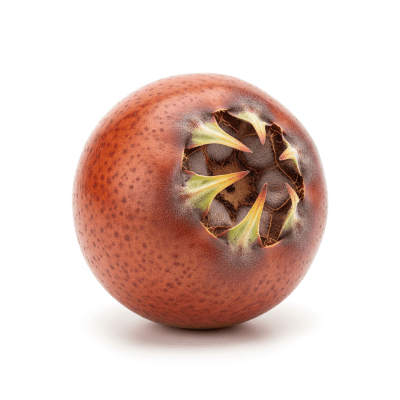
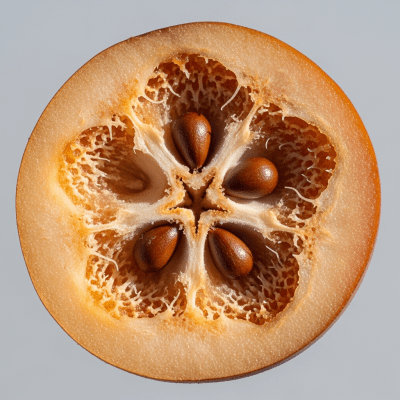
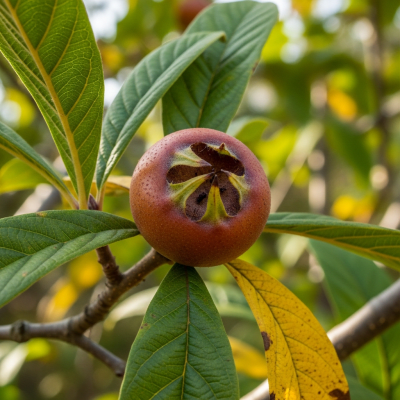
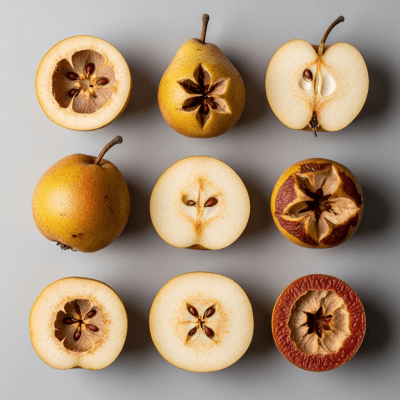
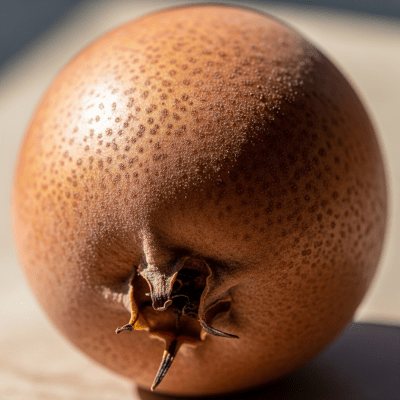
Medlar fruits are globular to pear-shaped, typically 2–4 cm in diameter, with a rough, brown skin and a distinctive open calyx at the apex. When first harvested, the fruit is hard and astringent, but after bletting, the flesh softens to a rich, brown, custard-like texture. The tree itself is small, with a spreading crown and dark green leaves that turn vibrant shades in autumn.
Medlars are harvested in late autumn and require bletting—a natural process of softening and partial decay—before they are palatable. Once bletted, the fruit is enjoyed raw, or used in jams, jellies, and preserves. Its unique ripening behavior and niche market appeal make it a favorite among heritage orchardists and culinary enthusiasts seeking rare flavors.
Bring this kind into your world illustrated posters, mugs, and shirts.
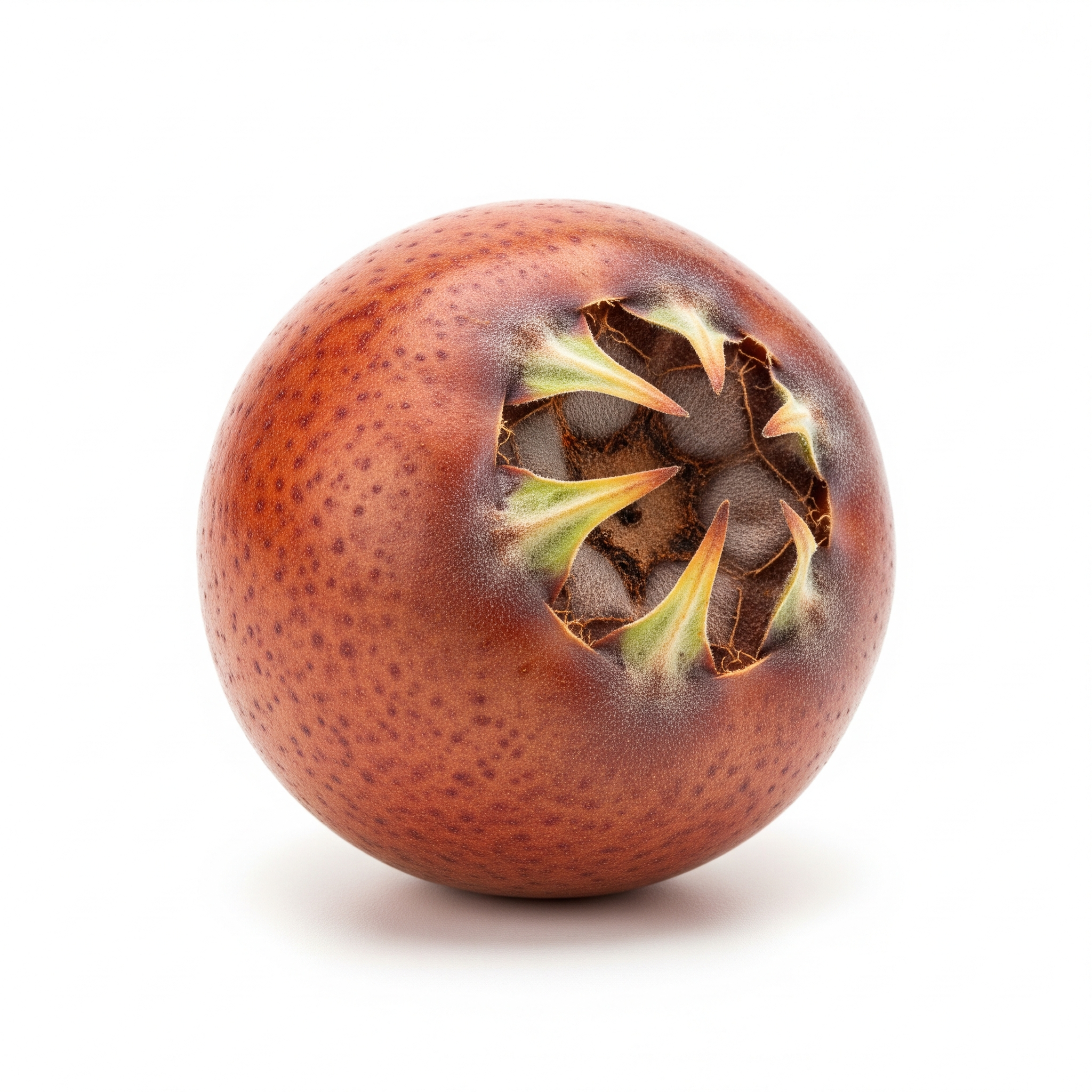
Archival print, museum-grade paper
Buy Poster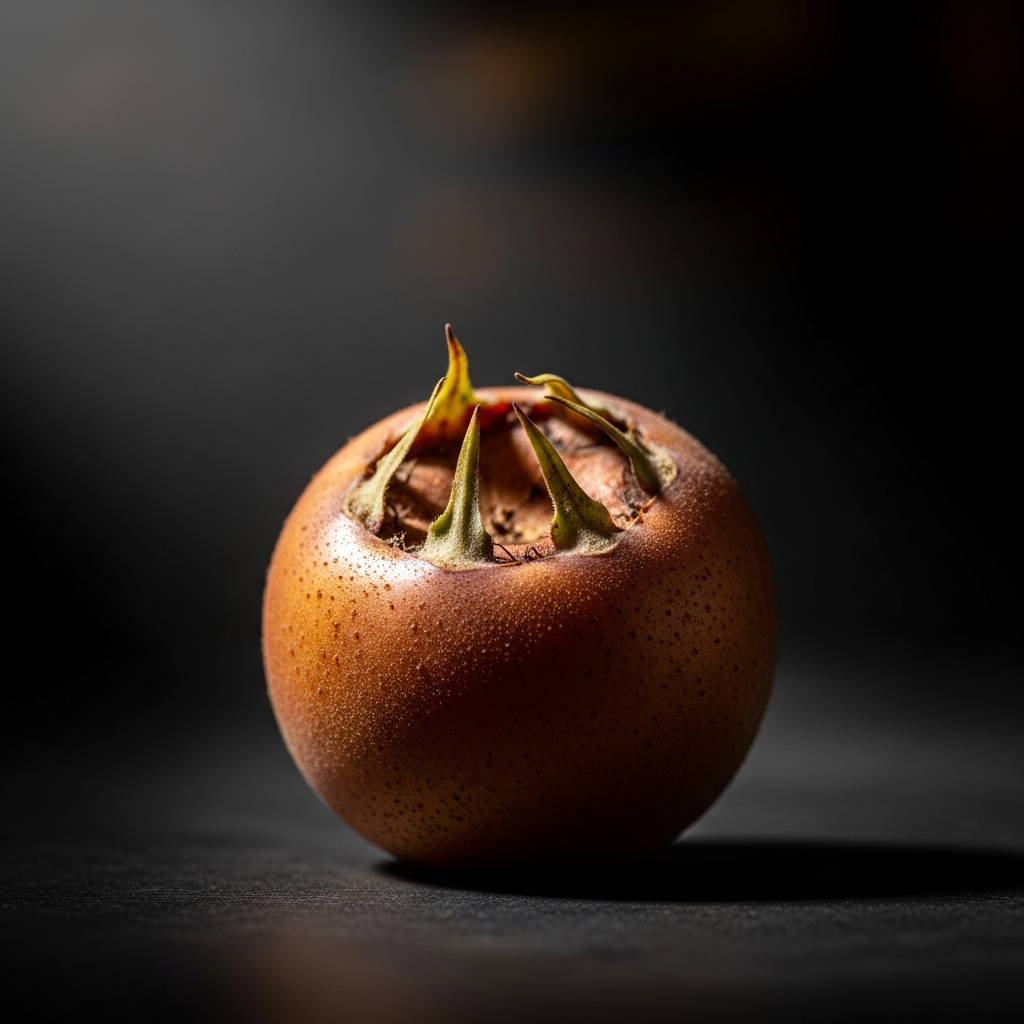
Stoneware mug, dishwasher safe
Buy Mug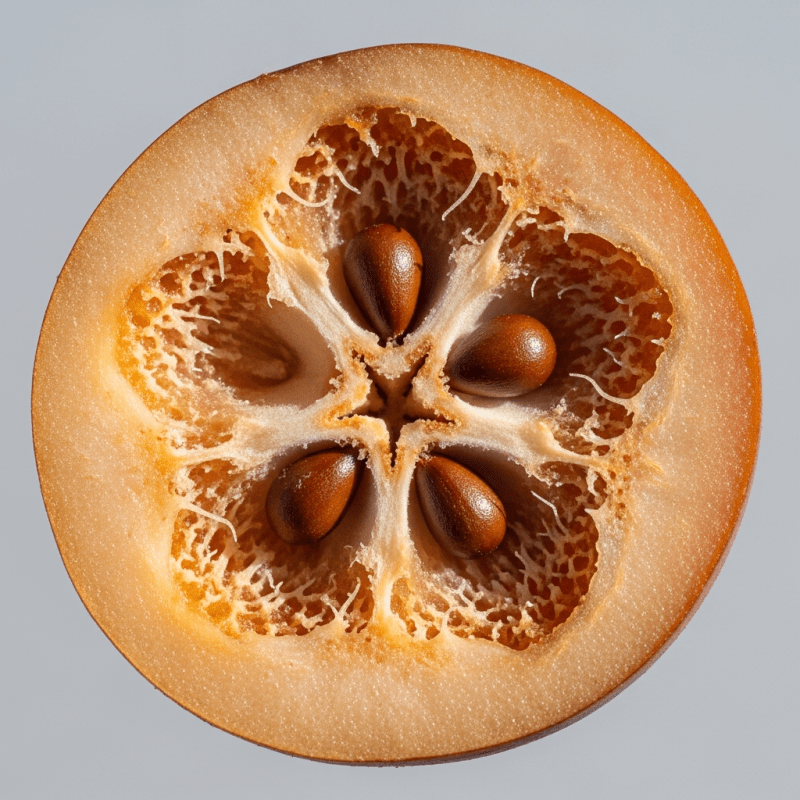
Soft cotton tee, unisex sizes
Buy ShirtHistorically, medlars held a place of esteem in European gardens and kitchens, often featured in medieval desserts and sauces. The fruit is referenced in English and French literature, symbolizing both rarity and transformation. While its popularity waned with the advent of modern fruits, the medlar remains a cherished relic in heritage orchards and is celebrated by those interested in traditional and artisanal foods.
Medlars are a source of dietary fiber, vitamin C, and natural sugars. Their nutritional profile is similar to other pomes, offering modest amounts of minerals and antioxidants, but detailed data is limited due to their niche status.
Notable cultivars of medlar include ‘Nottingham’ and ‘Dutch’, both valued for their fruit quality and adaptability. While there are few named varieties, these cultivars are favored in heritage orchards and specialty gardens.
Medlar fruits are harvested in late autumn, typically from October to November, and are available for consumption after bletting, which may take several weeks. They are rarely found in mainstream markets, but can be sourced from specialty orchards and heritage fruit collections.
Major regions for medlar cultivation include southeastern Europe, Turkey, and parts of southwest Asia. Commercial production is limited, with most fruits grown in home gardens and small orchards across Europe and the Middle East.
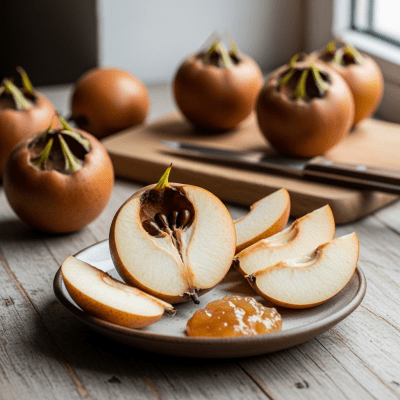
Medlars are traditionally eaten raw after bletting, prized for their sweet, custard-like flesh. They are also used in jams, jellies, preserves, and sometimes in wine or liqueur production. In historical cuisine, medlars featured in desserts and sauces, adding depth and complexity to traditional recipes.
After harvest, medlars should be stored in a cool, dry place to allow bletting. The fruit can be kept for several weeks, during which it softens and becomes edible. Handle gently to avoid bruising, and consume once the flesh is fully soft and brown.
Medlars offer dietary fiber and vitamin C, supporting digestive health and immune function. Their antioxidant content may help protect cells, though their health benefits are similar to other pomes and not widely studied.