Pear
The pear is a sweet, bell-shaped fruit from the genus Pyrus, cherished worldwide for its juicy texture and delicate flavor.
The pear is a sweet, bell-shaped fruit from the genus Pyrus, cherished worldwide for its juicy texture and delicate flavor.
Pears trace their roots to temperate regions of Europe and western Asia, where they were domesticated as early as 1000 BCE. Ancient civilizations in the Mediterranean and Caucasus began cultivating and selectively breeding pears, laying the foundation for the diverse varieties enjoyed today. Over centuries, breeders and horticultural societies across Europe, North America, and Asia have refined the pear, with notable cultivars such as the ‘Bartlett’ emerging in England in the 18th century and later gaining prominence in the United States.
Botanically, the pear belongs to the genus Pyrus within the Rosaceae family, and is classified as a pome—a fruit type characterized by a central core containing seeds. While several species exist within Pyrus, the common pear (Pyrus communis) dominates commercial and culinary contexts. This places the pear alongside apples and quinces in the broader pome group, distinguished by their fleshy exterior and seed-filled core.
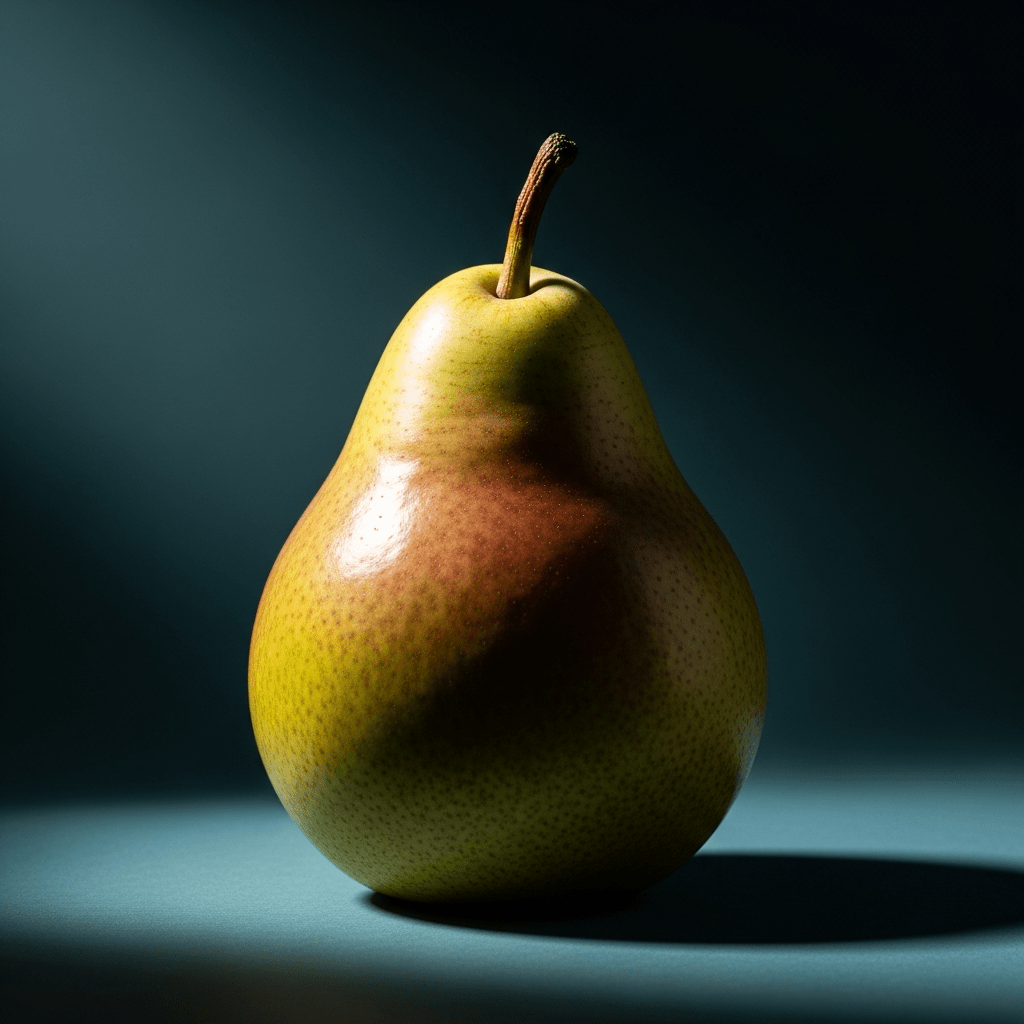
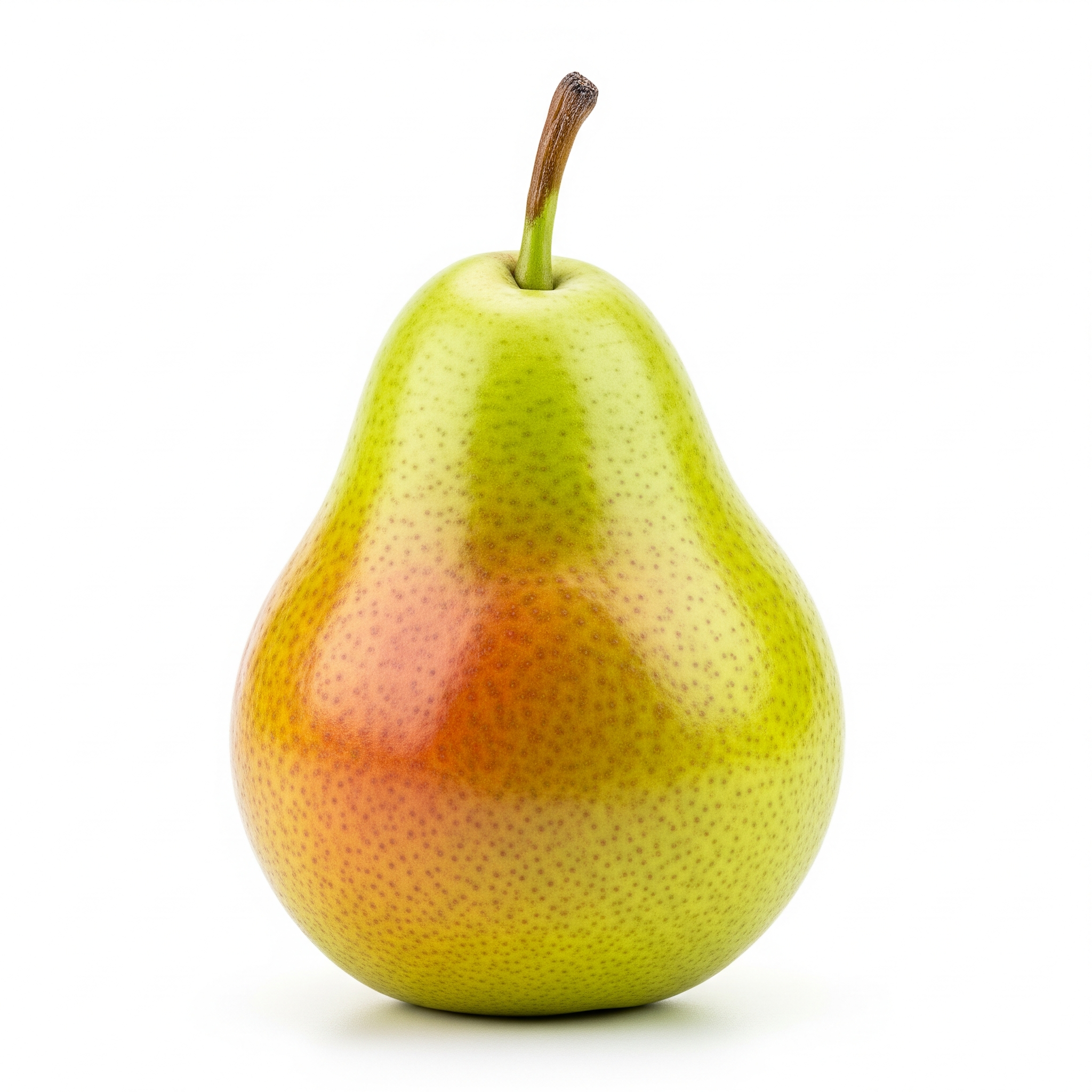
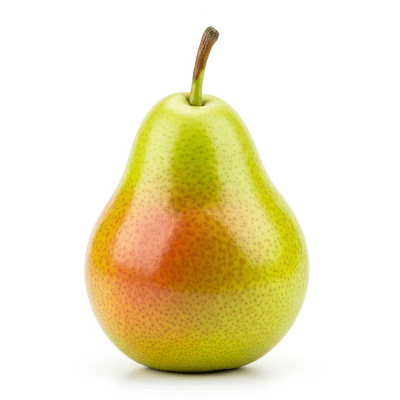
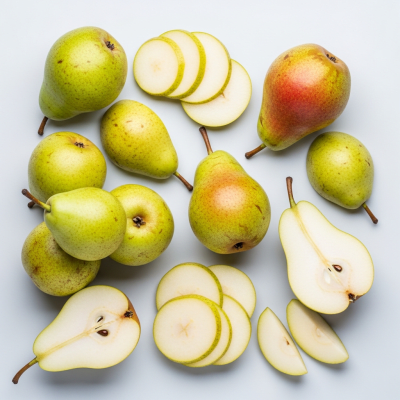
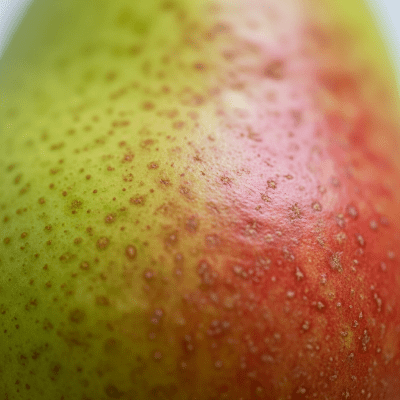
Pears are instantly recognizable by their elegant bell or teardrop shape. Their skin can be smooth or slightly grainy, with colors ranging from green and yellow to blushes of red and brown, depending on the variety. The flesh inside is white to off-white, juicy, and aromatic, offering a sweet flavor with gentle acidity. When bitten into, pears yield a soft, succulent texture that is both refreshing and satisfying.
Pears are versatile in human use, enjoyed fresh, canned, dried, or processed into juices, jams, and desserts. Their mild sweetness and tender texture make them suitable for both sweet and savory dishes. In agriculture, pear trees are valued for their adaptability to temperate climates and their role as a staple fruit crop. Pears also contribute to traditional medicine and rituals in various cultures, highlighting their broad utility beyond the table.
Bring this kind into your world illustrated posters, mugs, and shirts.
Archival print, museum-grade paper
Buy Poster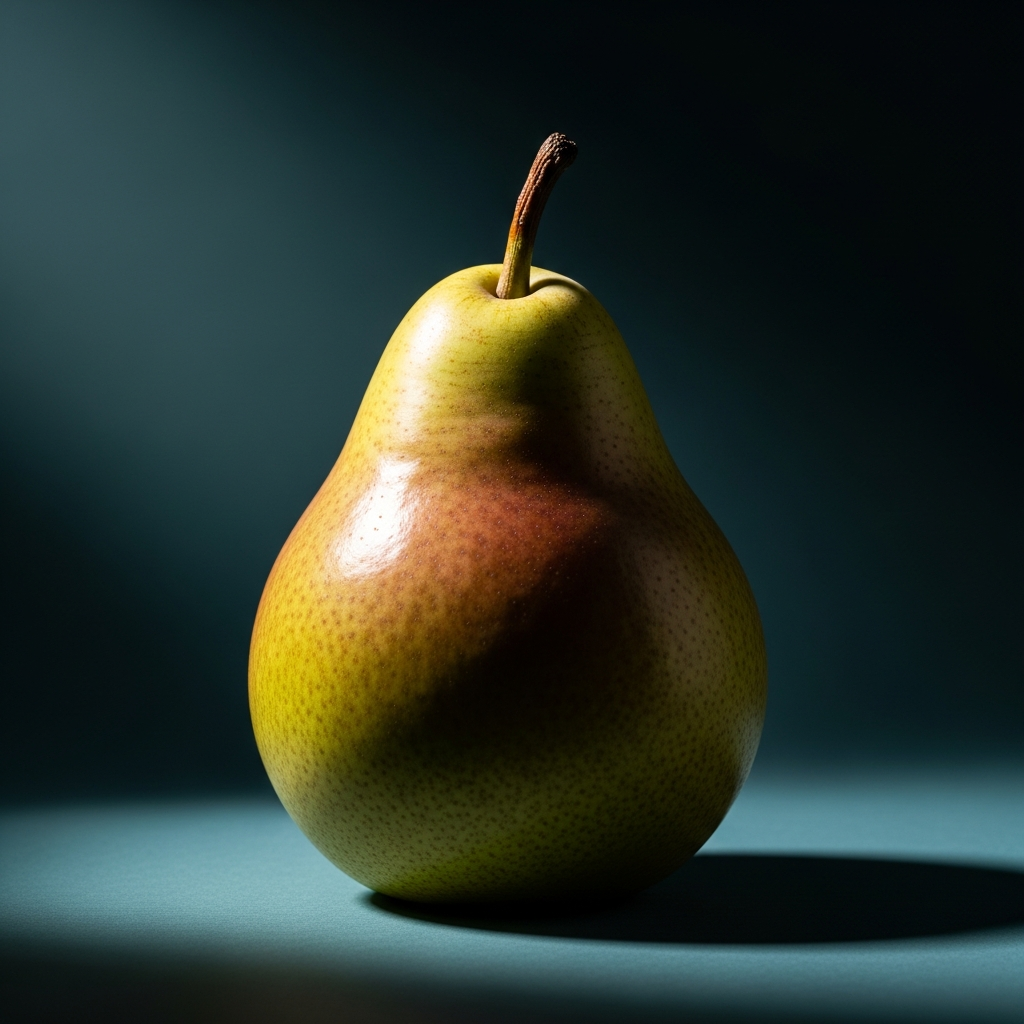
Stoneware mug, dishwasher safe
Buy Mug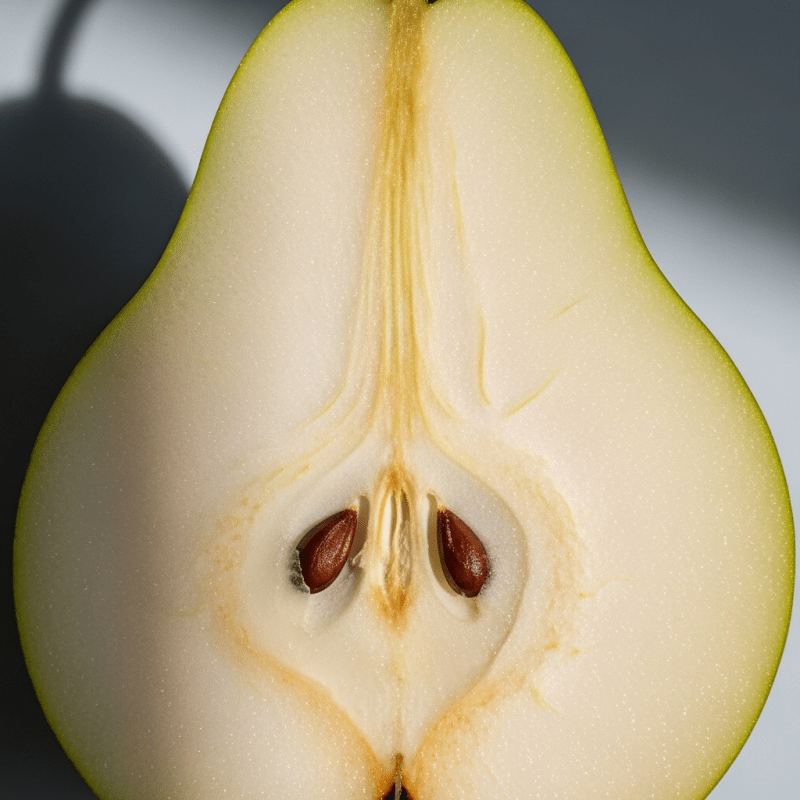
Soft cotton tee, unisex sizes
Buy ShirtPears have held symbolic and practical importance across civilizations. In art and literature, the pear often represents abundance, longevity, and elegance. European folklore and Asian traditions feature pears in rituals and celebrations, while their image appears in paintings and decorative motifs. The fruit’s enduring popularity is reflected in its presence at festive meals and its role in regional customs, making it a cultural touchstone in many societies.
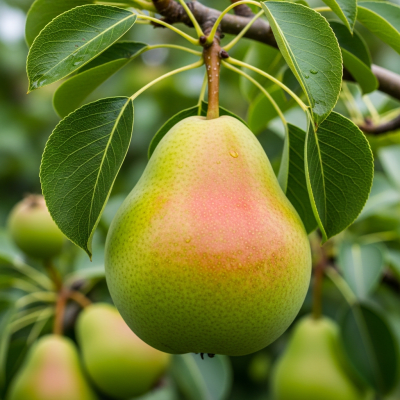
Pear trees are medium-sized and deciduous, reaching heights of 10–17 meters. They thrive in temperate climates and require winter chilling for optimal fruit set. The fruit itself is a pome, featuring a fleshy exterior and a central core with small seeds. Pears are susceptible to fire blight and other fungal diseases, and commercial yields average 20–40 tons per hectare. Their adaptability and resilience make them a reliable orchard crop.

Pears offer notable health benefits: they are low in calories, rich in dietary fiber, and supply vitamin C, potassium, and a variety of phytonutrients. Their fiber content supports digestive health, while antioxidants contribute to overall wellness. Pears are a smart choice for those seeking a nutritious, naturally sweet snack.
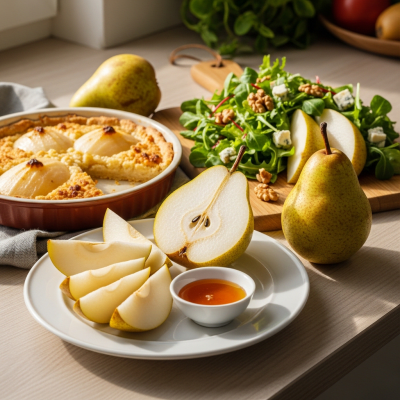
Pears shine in the kitchen thanks to their delicate flavor and versatile texture. They are enjoyed fresh as a snack, sliced into salads, baked in tarts and pies, poached in wine or syrup, and transformed into jams, juices, and preserves. Pears pair well with cheese, nuts, and spices, making them a favorite in both sweet and savory recipes.
Pear cultivation favors temperate climates with adequate winter chilling. Trees are planted in orchards, where they require careful management to prevent diseases like fire blight. Harvest typically occurs when pears are mature but still firm, as many varieties ripen best off the tree. Commercial orchards yield 20–40 tons per hectare, and select cultivars are prized for their storage and shipping qualities.
Pears are a major export commodity, with China, Italy, and the United States leading global production. The fruit’s ability to ripen off the tree and its robust storage life make it ideal for international trade. Pears are graded and shipped worldwide, supporting a thriving market for fresh and processed products.
Pear varieties and traditions vary widely by region. In the UK, ‘Williams’ is the preferred name for the popular ‘Bartlett’ pear, while Germany favors ‘Birne’. Asian pears (‘Nashi’, Pyrus pyrifolia) are crisp and round, differing botanically from European types. Local cultivars and heritage varieties abound, each with unique flavors, textures, and cultural associations.