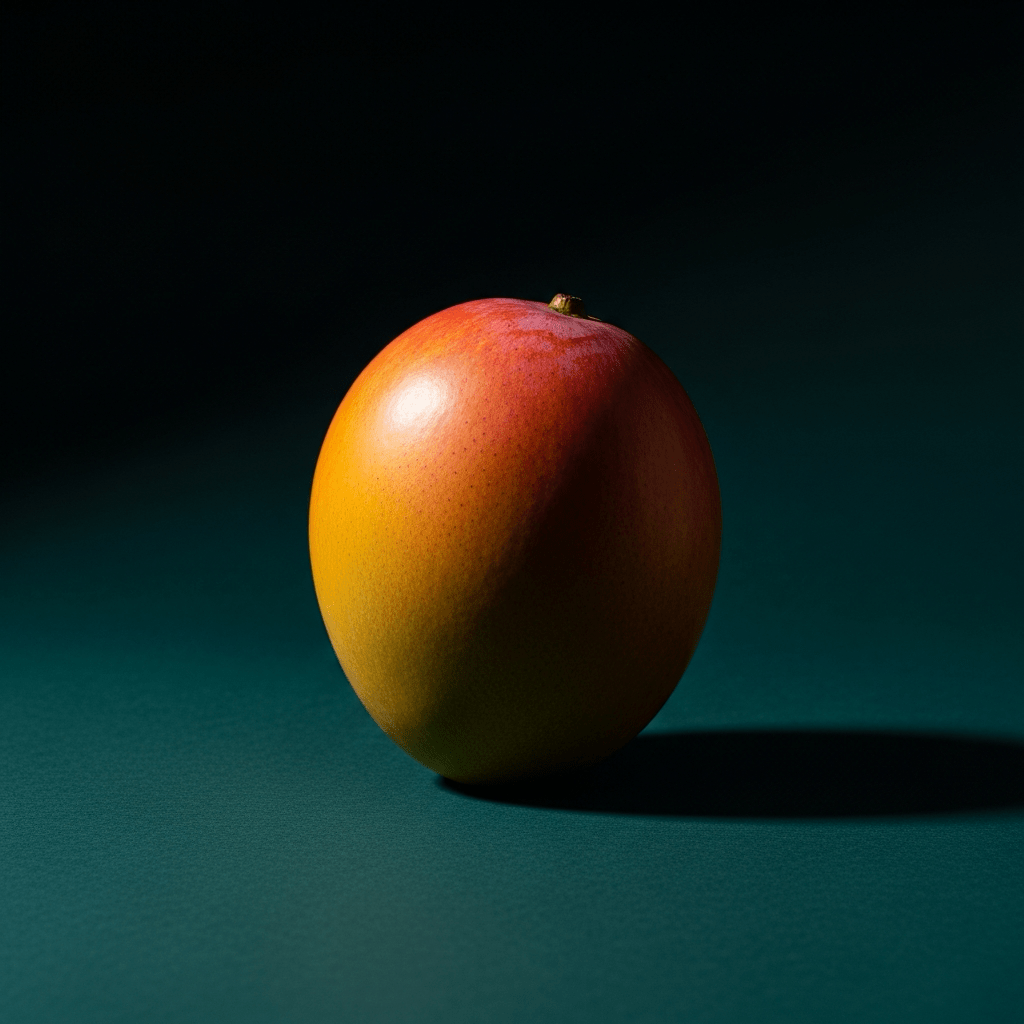
Mango
The mango (Mangifera indica) is a tropical fruit celebrated worldwide for its sweet, aromatic flesh, vibrant color, and versatility in both fresh and processed forms.
The mango (Mangifera indica) is a tropical fruit celebrated worldwide for its sweet, aromatic flesh, vibrant color, and versatility in both fresh and processed forms.
Mangoes originated in South Asia, specifically the region encompassing modern-day India, Myanmar, and Bangladesh, where they have been cultivated for over 4,000 years. Revered in ancient texts and traditions, the mango’s journey from its native forests to global prominence has been shaped by centuries of selective breeding and cultural exchange. Today, its legacy continues through countless varieties grown across tropical and subtropical regions worldwide.
Botanically, the mango belongs to the family Anacardiaceae and is classified as a large, fleshy drupe. Its scientific name is Mangifera indica. Within the broader taxonomy of fruits, mangoes are grouped with other drupes—fruits characterized by a single seed encased in a fleshy exterior, such as peaches and cherries. This classification helps distinguish mangoes from berries, pomes, and other fruit types.
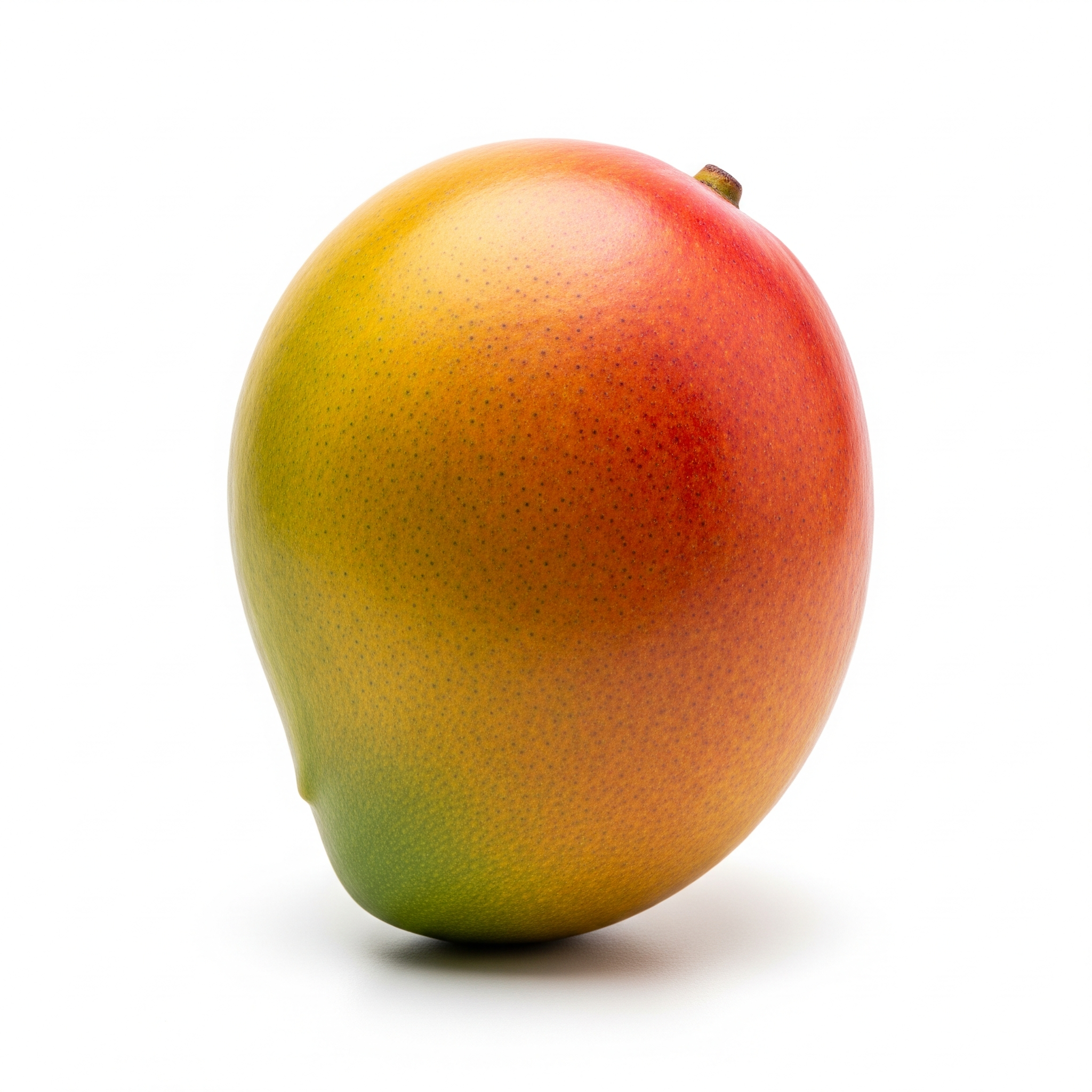
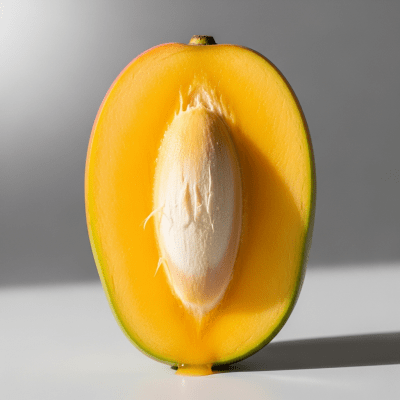
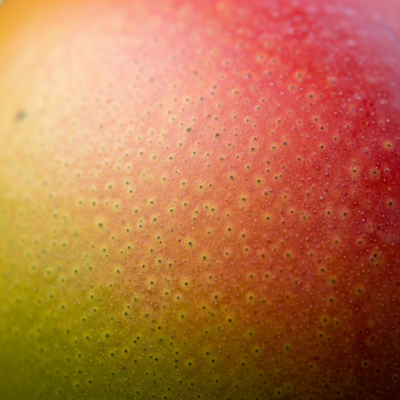
Mangoes are typically oval or kidney-shaped, with smooth skin that ranges in color from green to yellow, orange, or deep red depending on variety and ripeness. The fruit’s flesh is juicy, fragrant, and can be fibrous or silky-smooth, enveloping a single large, flat seed. When ripe, mangoes emit a sweet, tropical aroma and yield gently to pressure, signaling their luscious interior.
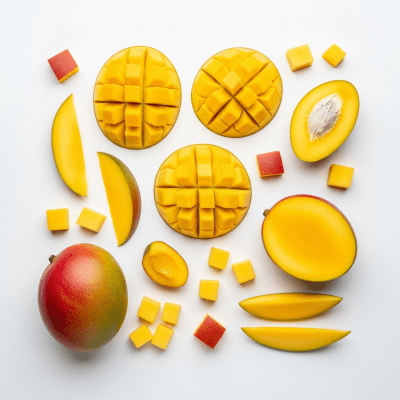
Mangoes are enjoyed fresh, dried, juiced, and as the star ingredient in a wide array of culinary creations—from chutneys and pickles to ice creams and salads. Their unique flavor profile makes them equally suited to sweet and savory dishes. Mangoes play a vital role in local economies, international trade, and daily diets, and are often exchanged as gifts or used in festive rituals in many cultures.
Bring this kind into your world illustrated posters, mugs, and shirts.
Archival print, museum-grade paper
Buy Poster
Stoneware mug, dishwasher safe
Buy Mug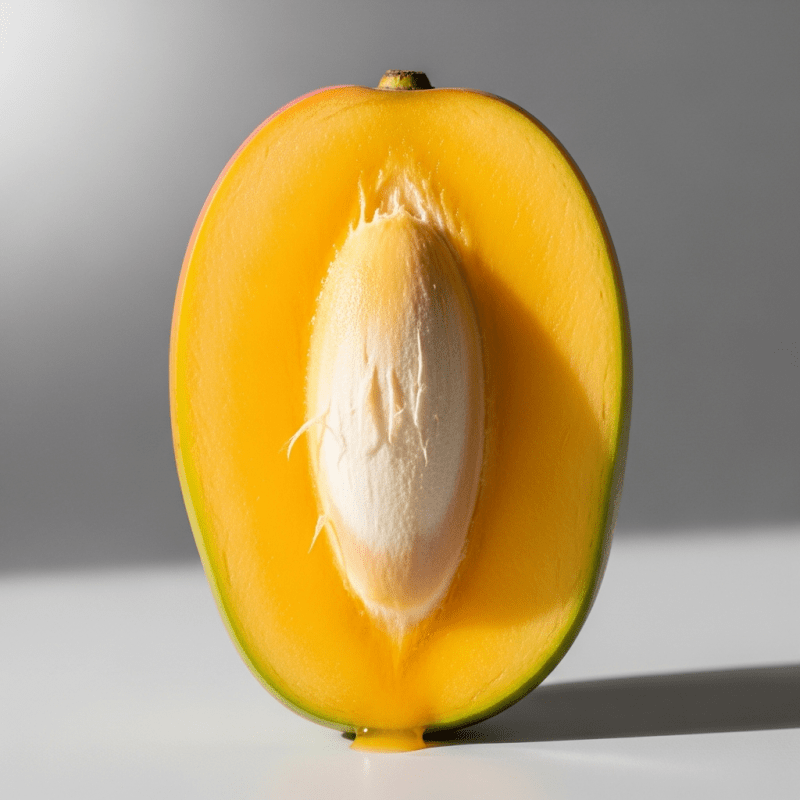
Soft cotton tee, unisex sizes
Buy ShirtThe mango holds deep cultural resonance, especially in South Asia, where it is celebrated as the "king of fruits." It features prominently in art, literature, and religious symbolism, appearing in ancient Sanskrit poetry and temple carvings. Mango leaves are used in Hindu ceremonies, and the fruit itself is a motif of prosperity and love. Globally, mangoes inspire festivals, culinary traditions, and even national emblems, reflecting their enduring appeal across continents.
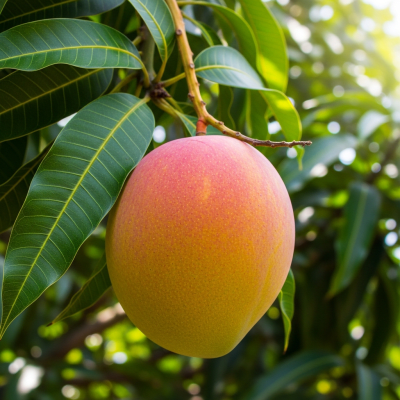
Mango trees are evergreen, towering up to 40 meters with broad canopies and leathery, lance-shaped leaves. Their seasonal flowering gives rise to large, fleshy drupes weighing between 150 and 750 grams. The fruit’s skin color varies widely, and the flesh ranges from fibrous to smooth. Mango seeds can be monoembryonic or polyembryonic, influencing propagation methods. The species thrives in tropical and subtropical climates, but is sensitive to cold and frost.
Mangoes are a powerhouse of nutrition, offering high levels of vitamin A and vitamin C, as well as dietary fiber and antioxidants. These nutrients support vision, immune function, and digestive health, while the fruit’s natural sugars provide a quick energy boost. Mangoes are also low in fat and contain beneficial phytochemicals that may help protect against cellular damage.
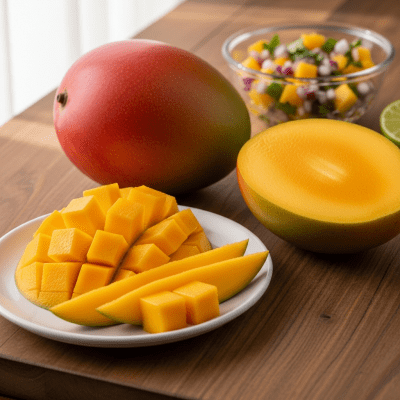
Mangoes shine in both sweet and savory recipes. They are enjoyed fresh, blended into juices and smoothies, dried as snacks, or transformed into chutneys, pickles, jams, and ice creams. In South Asia, mangoes are used in traditional dishes like aamras and lassi, while in Latin America and Africa, they feature in salsas, salads, and desserts. Their versatility makes them a favorite ingredient in kitchens worldwide.
Mango cultivation requires warm, frost-free climates, with trees thriving in tropical and subtropical regions. Flowering is seasonal, and fruit matures over three to six months. Trees can yield 200–300 kg of fruit annually under optimal conditions. Growers manage pests like anthracnose, powdery mildew, and fruit flies, often selecting resistant cultivars. Careful post-harvest handling and storage at 13°C help maintain fruit quality and extend shelf life.
Mangoes are a major commodity in global fruit trade, with India, China, Thailand, Indonesia, and Mexico leading production. The fruit is exported worldwide, subject to international phytosanitary regulations, especially concerning fruit fly control. Mangoes support local economies and provide livelihoods for millions of growers, traders, and processors across tropical and subtropical regions.
With over 1,000 named cultivars, mangoes display remarkable diversity across regions. In India, heritage varieties like Alphonso and Kesar are prized for their flavor and aroma. Mexico’s Ataulfo mango is celebrated for its buttery texture, while the USA favors cultivars such as Tommy Atkins and Keitt. Wild mango species are consumed locally in some areas, but are distinct from Mangifera indica. Culinary traditions, preferred varieties, and cultural meanings vary widely, reflecting the mango’s global journey.