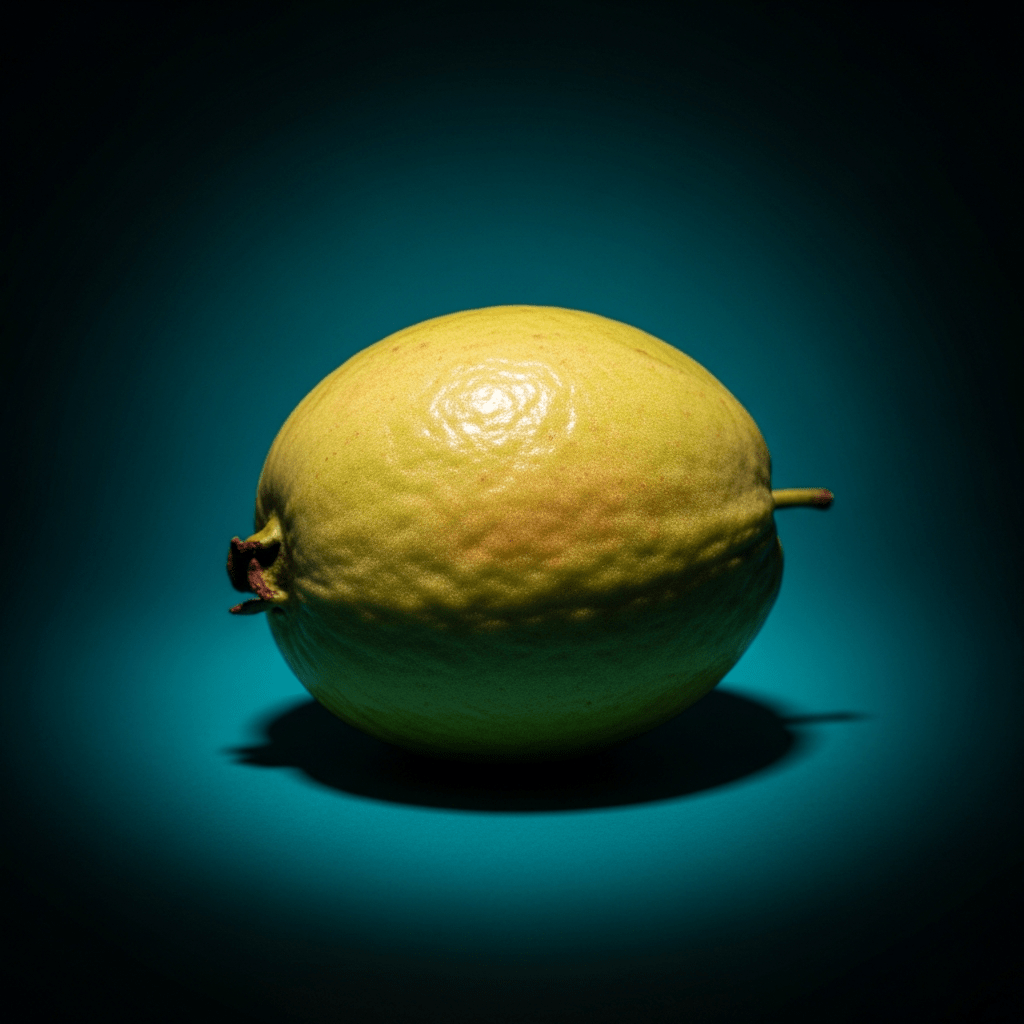
Guava
Guava is a tropical fruit celebrated for its fragrant aroma, sweet-tart flavor, and exceptional nutritional value, especially its high vitamin C content.
Guava is a tropical fruit celebrated for its fragrant aroma, sweet-tart flavor, and exceptional nutritional value, especially its high vitamin C content.
Guava (Psidium guajava) originated in southern Mexico, Central America, and northern South America, where it was domesticated by indigenous peoples long before European contact. Its cultivation spread rapidly across tropical and subtropical regions, fueled by its adaptability and popularity. Today, guava is grown on nearly every continent with suitable climates, and countless landraces and cultivars have emerged through both traditional selection and modern breeding.
Botanically, guava belongs to the Myrtaceae family and is classified as Psidium guajava. It fits within the broader taxonomy of edible fruits—fleshy, seed-bearing structures from flowering plants. Guava is often grouped with tropical fruits and is recognized for its berry-like morphology, though its seeds and internal structure set it apart from true berries.
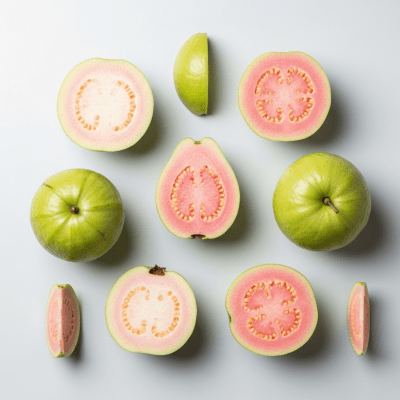
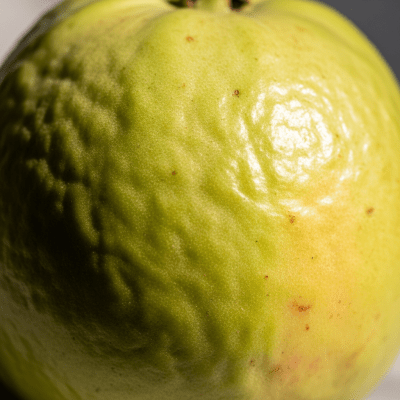
Guava fruits vary in size from 4 to 12 centimeters in diameter and may be round, oval, or pear-shaped. The skin ranges from green to yellow as it ripens, while the flesh inside can be white, pink, red, or salmon. Guava is distinguished by its enticing fragrance and contains numerous small, hard seeds embedded in its juicy pulp. The texture is both tender and slightly grainy, offering a refreshing bite.
Guava is enjoyed fresh, juiced, or transformed into jams, jellies, candies, and beverages. Its high pectin content makes it a favorite for preserves, while its leaves are used in herbal teas and traditional medicine. The fruit’s versatility extends to desserts, sauces, and savory dishes, making it a staple in both home kitchens and commercial food production. Guava also plays a role in supporting local economies through fresh and processed exports.
Bring this kind into your world illustrated posters, mugs, and shirts.

Archival print, museum-grade paper
Buy Poster
Stoneware mug, dishwasher safe
Buy Mug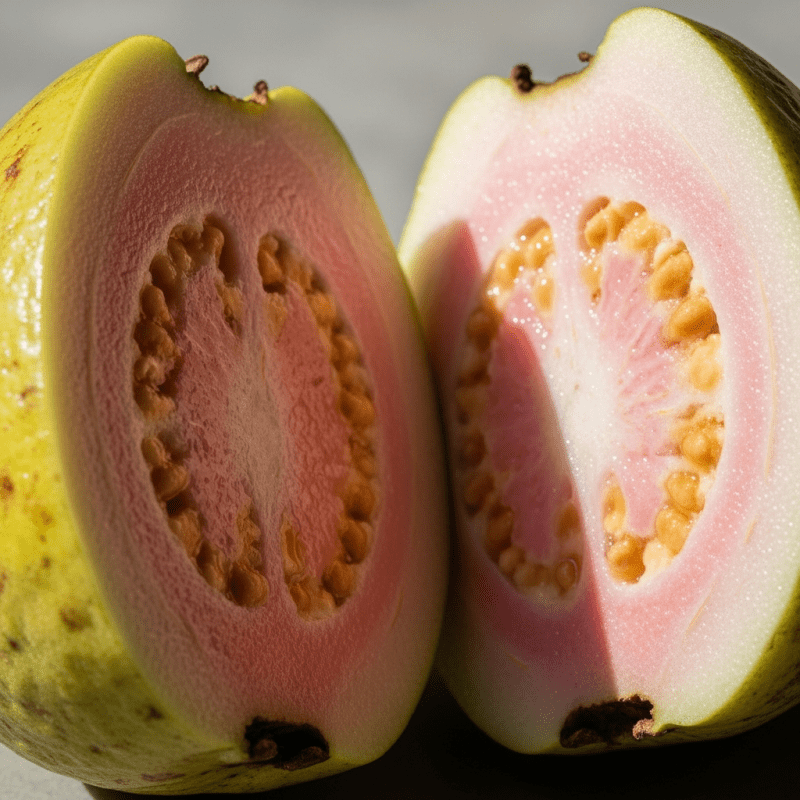
Soft cotton tee, unisex sizes
Buy ShirtGuava holds a cherished place in many cultures, often symbolizing abundance and health. It appears in folklore, literature, and art across Latin America, Asia, and Africa. In India, guava is affectionately called "amrood" and is a common street food, while in Thailand, "farang" is a popular snack. Its reputation as the "poor man’s apple" highlights its accessibility and nutritional impact, and guava leaves are valued in traditional remedies throughout the tropics.
Guava trees are evergreen and typically reach heights of 3 to 10 meters. The fruit’s skin is thin and can be green or yellow, while the flesh varies from white to vibrant pink or red. Each fruit contains numerous small, hard seeds. Guava trees grow rapidly, adapt to diverse soils, and tolerate moderate drought and salinity. Propagation is commonly done by seed, cuttings, or grafting, and improved cultivars may resist certain pests and diseases.


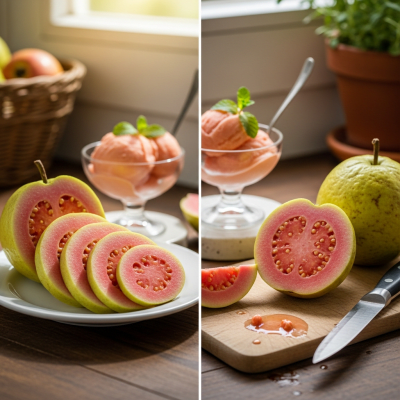
Guava is a nutritional powerhouse, offering up to 228 mg of vitamin C per 100 grams—far surpassing many citrus fruits. It is also high in dietary fiber and rich in antioxidants, supporting immune function and digestive health. Regular consumption of guava may aid in maintaining healthy skin, boosting immunity, and promoting overall wellness.
Guava is enjoyed fresh, sliced, or eaten whole, and is a popular ingredient in juices, smoothies, and fruit salads. Its high pectin content makes it ideal for jams, jellies, and pastes. Guava is also used in candies, desserts, sauces, and savory dishes in various cuisines. The leaves are brewed into herbal teas and used in traditional remedies, adding to the fruit’s culinary versatility.
Guava is cultivated in tropical and subtropical climates, thriving in well-drained soils and tolerating moderate drought. Trees are propagated by seed, cuttings, or grafting. Commercial orchards can yield 10 to 40 tons per hectare annually. Harvesting is typically done by hand when fruits are mature but still firm, as guava is sensitive to chilling and best stored at cool temperatures for short periods. Disease management focuses on controlling fruit flies, anthracnose, and wilt, with improved cultivars offering enhanced resistance.
Guava is a key commodity in tropical fruit markets, with major producers including India, Brazil, Mexico, Southeast Asia, and Africa. The fruit is traded both fresh and processed, with exports reaching international markets in the form of juices, jams, and preserves. Its economic importance continues to grow as demand for nutritious, versatile fruits rises globally.
Guava is known by different names and features distinct varieties across regions. In India, "amrood" is widely grown and consumed, while "guayaba" is popular in Latin America. Varieties such as apple guava, lemon guava, and strawberry guava (distinct species) are cultivated to suit local climates and taste preferences. Culinary uses and cultural significance also vary, reflecting the fruit’s global appeal and adaptability.