Raspberry
The raspberry is a vibrant, sweet-tart aggregate fruit renowned for its delicate structure, striking color, and versatility in both culinary and nutritional contexts.
The raspberry is a vibrant, sweet-tart aggregate fruit renowned for its delicate structure, striking color, and versatility in both culinary and nutritional contexts.
Raspberries trace their origins to Europe and northern Asia, where wild varieties have been consumed since prehistoric times. The first recorded cultivation occurred in Europe during the Middle Ages, and centuries of selective breeding—often involving crosses between European and American species—have produced the diverse cultivars enjoyed today. Major breeding advancements took place in the 19th and 20th centuries, notably at the Scottish Crop Research Institute and USDA, resulting in the complex lineages found in modern raspberry varieties.
Botanically, the raspberry is classified as an aggregate fruit, meaning it develops from multiple ovaries of a single flower. Its scientific name is Rubus idaeus, and it belongs to the Rosaceae family, which also includes apples and cherries. Raspberries are distinct from true berries, such as grapes, due to their unique fruit structure composed of clustered drupelets.
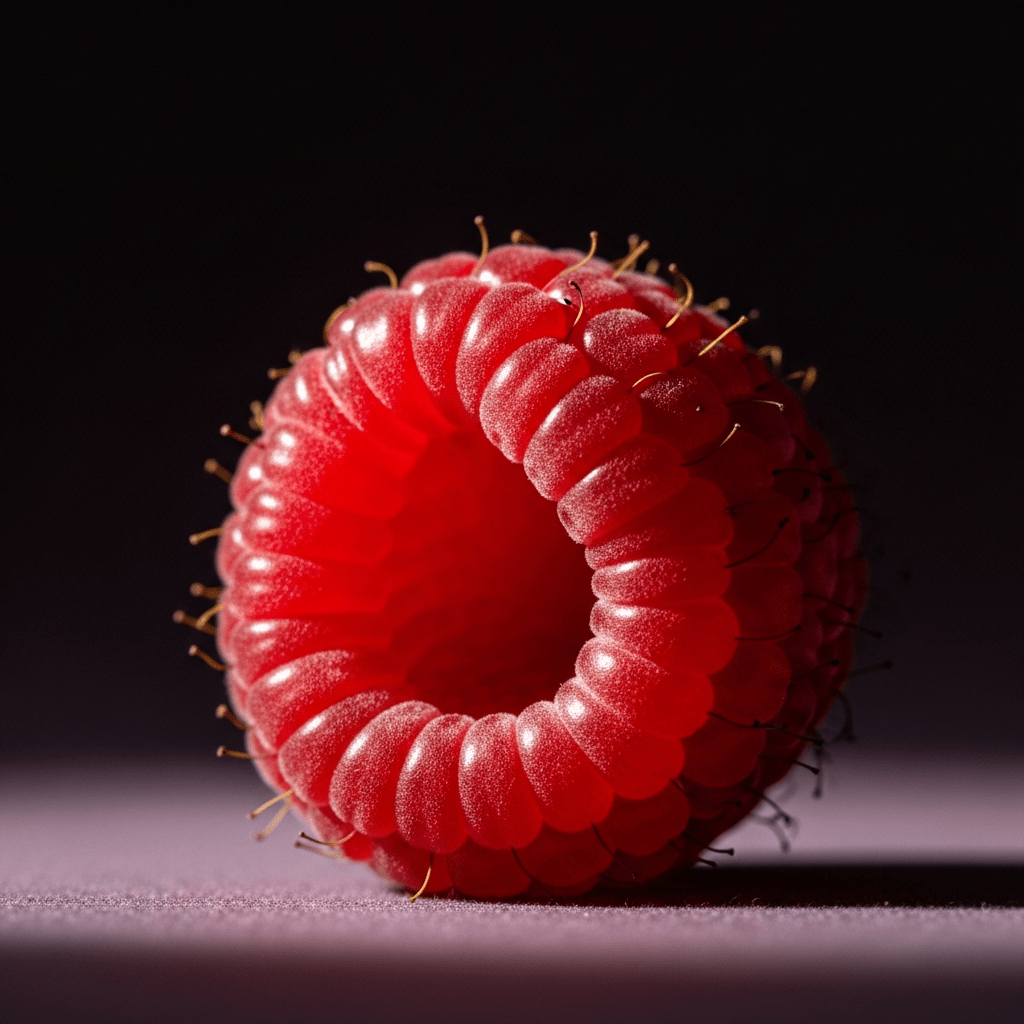
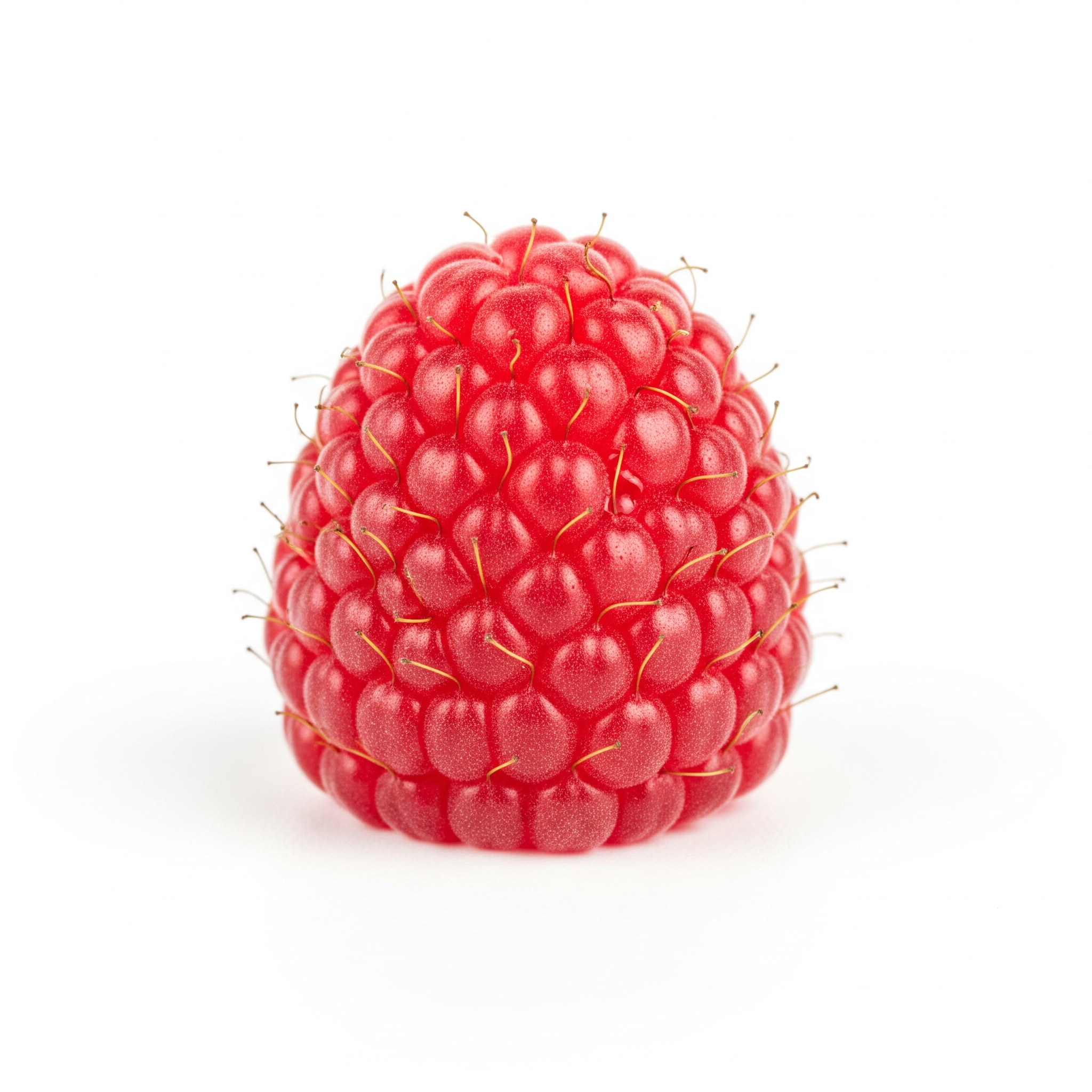
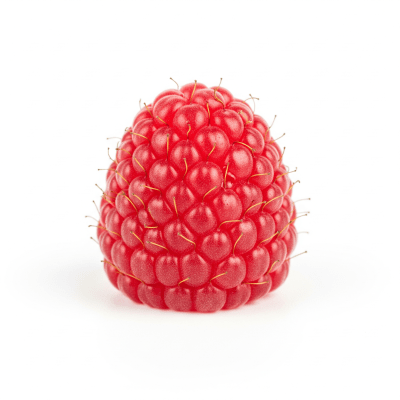
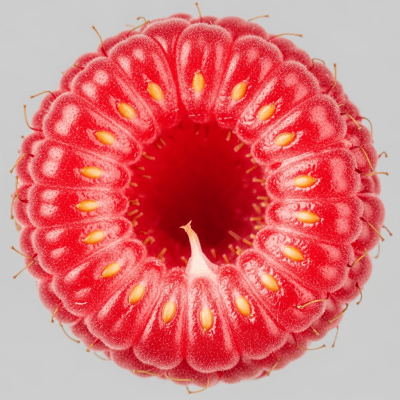
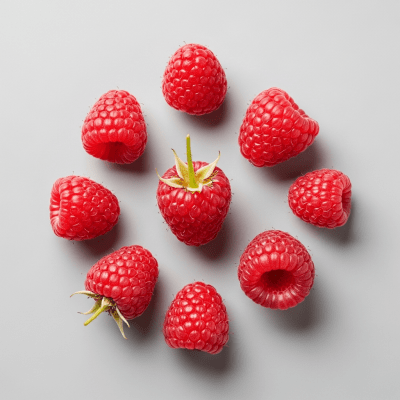
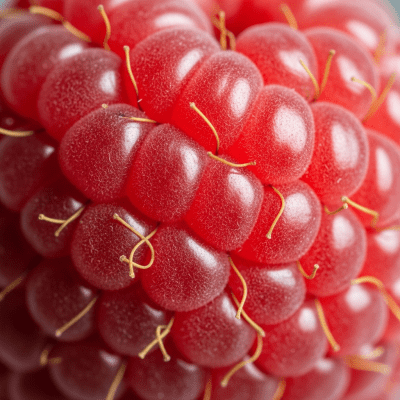
Raspberries are small, round fruits typically measuring 1–2 cm in diameter. Their most familiar form is a vivid red, but cultivars also yield black, purple, yellow, and golden hues. Each raspberry consists of numerous tiny, juicy drupelets, giving the fruit a bumpy, hollow appearance and a delicate texture that easily yields to gentle pressure. The aroma is sweet and inviting, hinting at the bright, tangy flavor within.
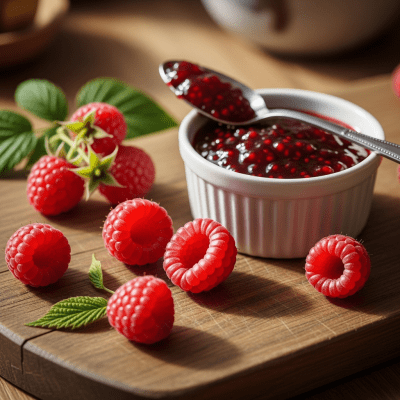
Raspberries are enjoyed fresh, frozen, or transformed into jams, jellies, juices, desserts, and baked goods. Their sweet-tart flavor and aromatic profile make them a favorite for garnishes, flavorings, and even liqueurs. Due to their fragility and short shelf life, raspberries are often sourced locally or regionally, and their nutritional richness—especially in vitamin C, fiber, and antioxidants—adds to their appeal in health-conscious diets.
Bring this kind into your world illustrated posters, mugs, and shirts.
Archival print, museum-grade paper
Buy Poster
Stoneware mug, dishwasher safe
Buy Mug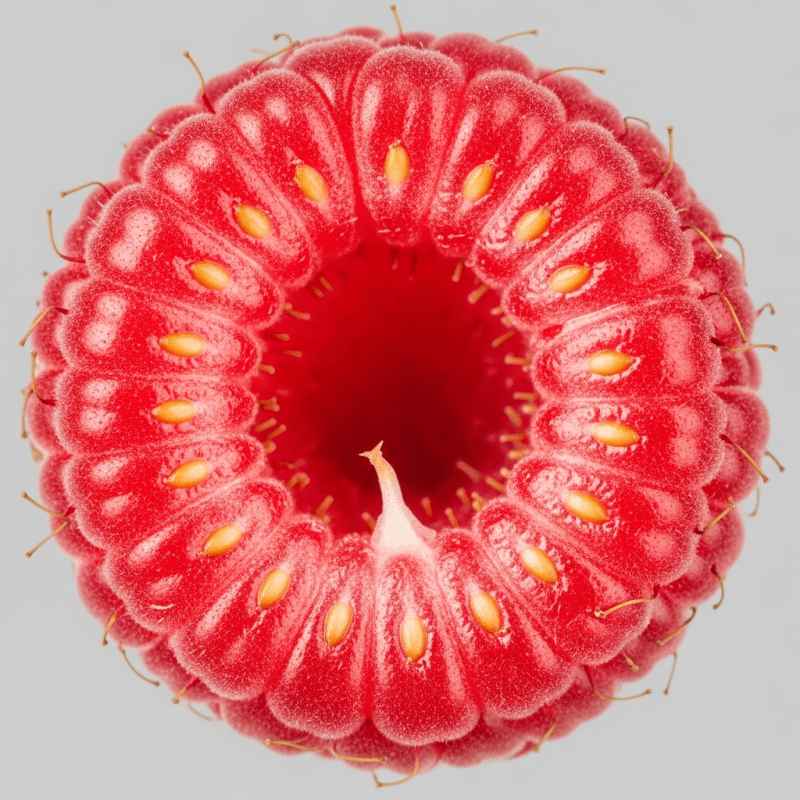
Soft cotton tee, unisex sizes
Buy ShirtRaspberries have held a cherished place in European folklore and cuisine for centuries, symbolizing abundance and vitality. The fruit appears in art, literature, and myth—often associated with summer, sweetness, and the fleeting pleasures of nature. In modern culture, raspberries are featured in iconic desserts, beverages like raspberry liqueur (Chambord), and are celebrated in festivals and local traditions across growing regions.
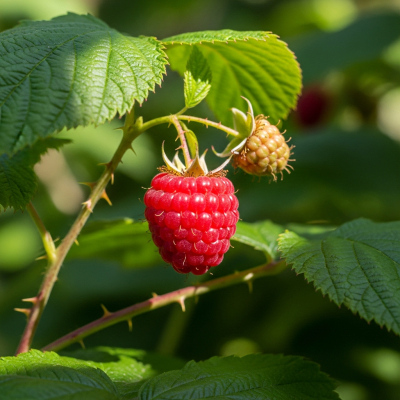
Raspberry plants are perennial, deciduous shrubs characterized by biennial canes that produce fruit in their second year. The fruit itself is an aggregate of drupelets, each containing a tiny seed. Raspberries are self-fertile but benefit from pollinators, and they thrive in temperate climates with well-drained soils. Their growth habit allows for productive yields, though they are sensitive to drought, root rot, and various pests and diseases.
Raspberries are celebrated for their high vitamin C content, dietary fiber, and abundant antioxidants. These nutrients support immune function, digestive health, and may help protect against oxidative stress. The fruit’s low calorie count and natural sweetness make it a popular choice for healthy snacks and recipes.
Raspberries shine in a variety of culinary roles: enjoyed fresh, blended into smoothies, baked into pies and tarts, or preserved as jams and jellies. Their vibrant flavor enhances desserts, salads, sauces, and beverages, while their visual appeal makes them a favorite garnish. Raspberries are also used in liqueurs, syrups, and as a natural flavoring in yogurts and cereals.
Raspberries are grown as perennial shrubs with biennial canes, requiring temperate climates and well-drained soils. Cultivation involves careful management of water and disease, as the plants are sensitive to drought and root rot. Harvest typically occurs when the fruit is fully colored and easily detaches from the plant, but the berries’ fragility demands gentle handling and rapid cooling to preserve quality. Yields can reach up to 20 tons per hectare under optimal conditions, with disease resistance and pest management varying by cultivar.
Raspberries are a major commercial fruit, with significant production in Europe, North America, South America, and Eastern Europe. Their delicate nature limits long-distance shipping, so local and regional markets are especially important. Global trade is shaped by seasonality, perishability, and the need for rapid transport and refrigeration to maintain quality.
While red raspberries dominate in Europe and North America, black raspberries are favored in eastern North America, and golden or yellow varieties are popular among specialty growers. In some regions, the term "raspberry" may refer to local wild Rubus species, and traditional names such as "framboise" (French), "Himbeere" (German), and "malina" (Slavic languages) reflect the fruit’s cultural integration. Regional preferences influence both culinary use and cultivar selection.