Papaya
Papaya is a vibrant tropical fruit known for its sweet, orange flesh, digestive benefits, and versatility in both fresh and processed forms.
Papaya is a vibrant tropical fruit known for its sweet, orange flesh, digestive benefits, and versatility in both fresh and processed forms.
Native to the lowland tropics of southern Mexico and Central America, papaya was first domesticated by indigenous peoples long before European contact. Its spread across tropical regions was accelerated through trade and cultivation, with formal botanical description credited to Linnaeus in 1753. Modern papaya varieties have been refined globally, notably by research institutions such as the University of Hawaii, resulting in cultivars prized for yield and disease resistance.
Papaya belongs to the family Caricaceae, genus Carica, and species Carica papaya. It is classified as a tropical fruit, distinct for its fleshy, seed-bearing structure developed from the ovary of a flower. Within the broader taxonomy of fruits, papaya is grouped with other major edible fruits consumed worldwide, and is recognized for its unique botanical and culinary attributes.
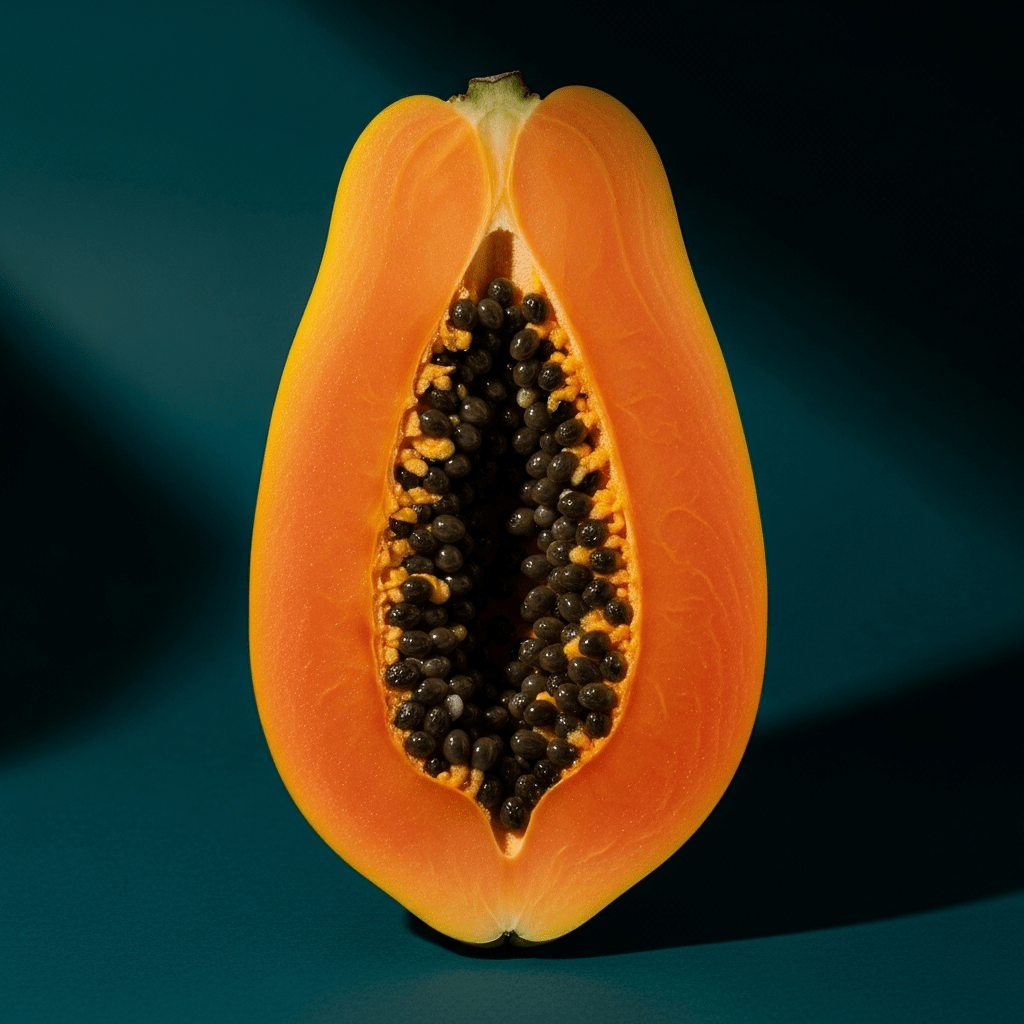
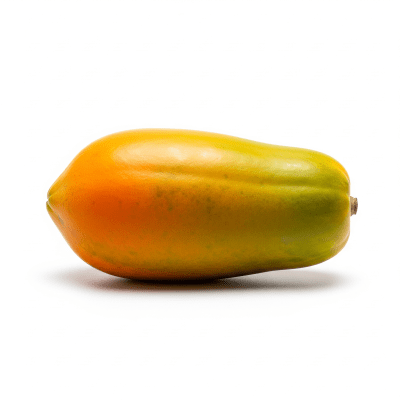
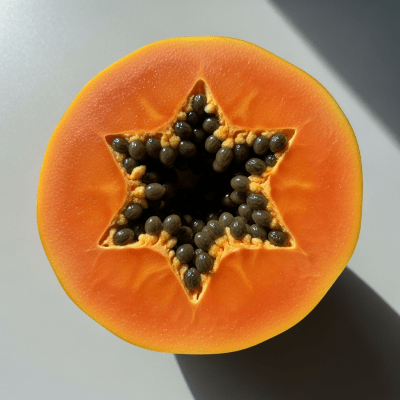
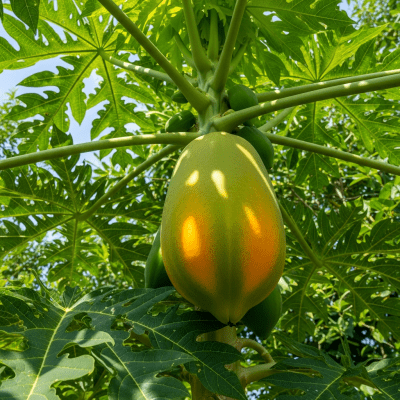
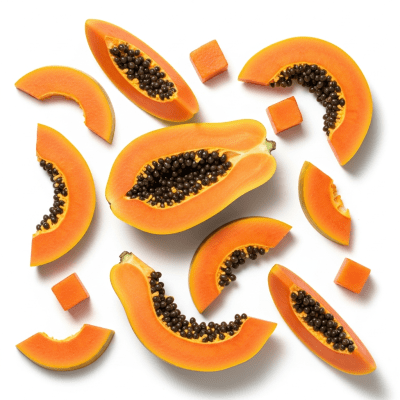
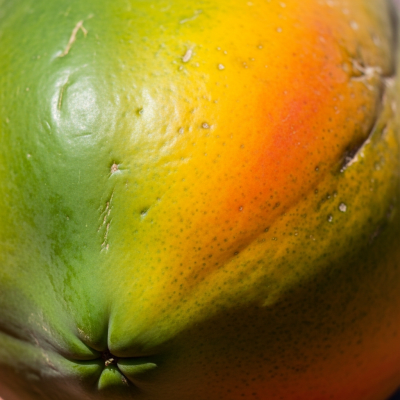
The papaya fruit is typically oblong to spherical, ranging from 0.5 to over 5 kilograms. When immature, its skin is green, ripening to a golden yellow-orange hue. Inside, the flesh glows orange to pink, juicy and fragrant, encasing a central cavity filled with glossy black seeds. The plant itself is a fast-growing perennial, with a soft, hollow trunk and large, deeply lobed leaves spiraling at the apex.
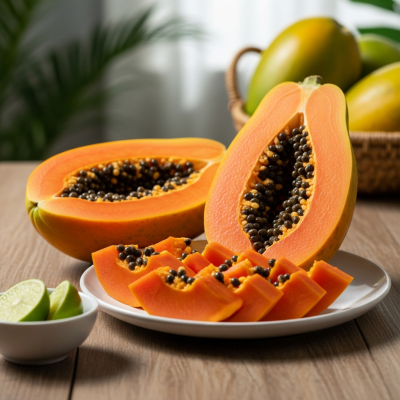
Papaya is enjoyed fresh, sliced, or cubed, and features prominently in fruit salads, smoothies, and desserts. Unripe papaya is a staple in savory dishes, especially in Southeast Asian cuisine. Beyond its culinary appeal, papaya is valued for papain, an enzyme extracted for use in meat tenderizing and pharmaceuticals. Its seeds are sometimes used as a peppery spice substitute, and the fruit is a vital export for many tropical countries.
Bring this kind into your world illustrated posters, mugs, and shirts.
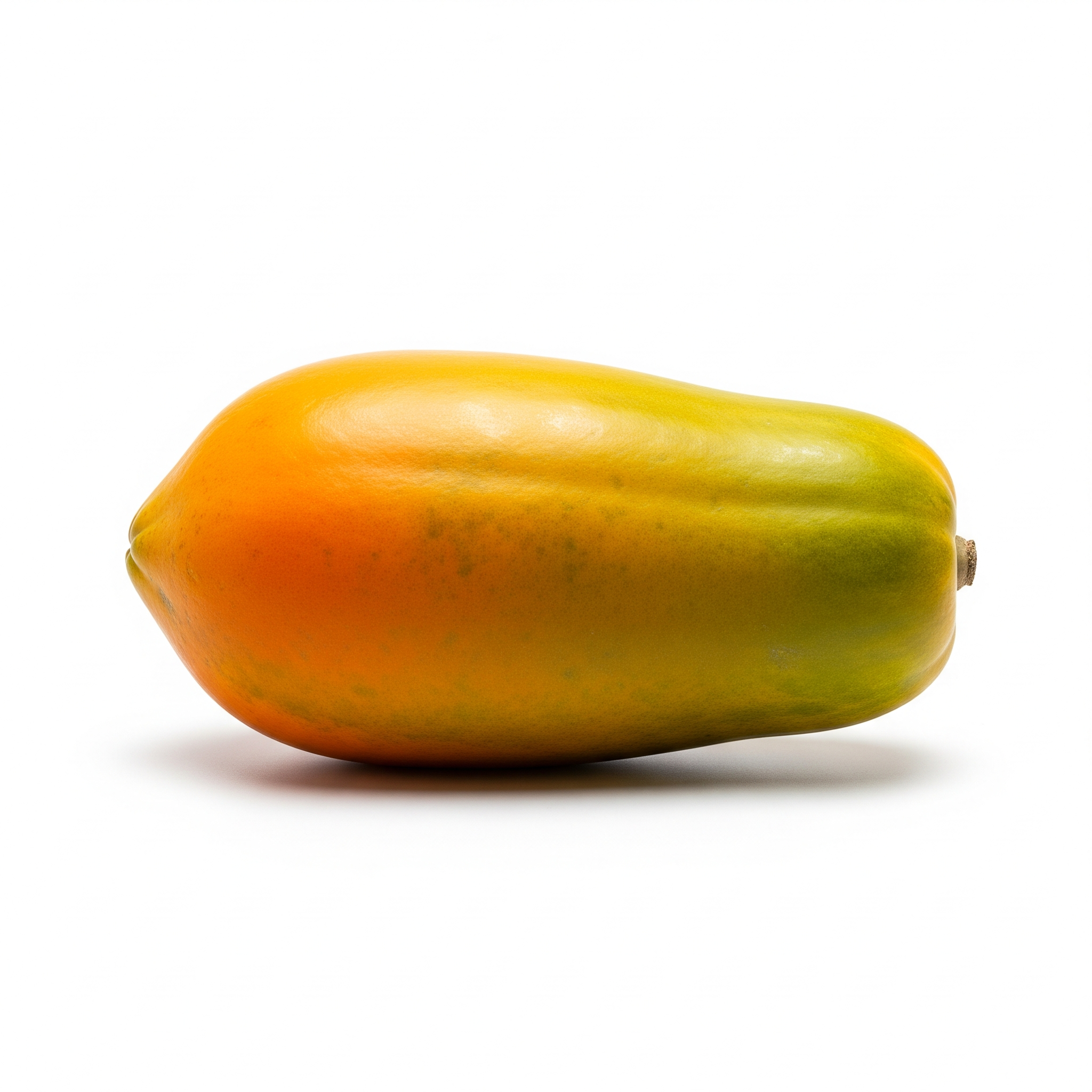
Archival print, museum-grade paper
Buy Poster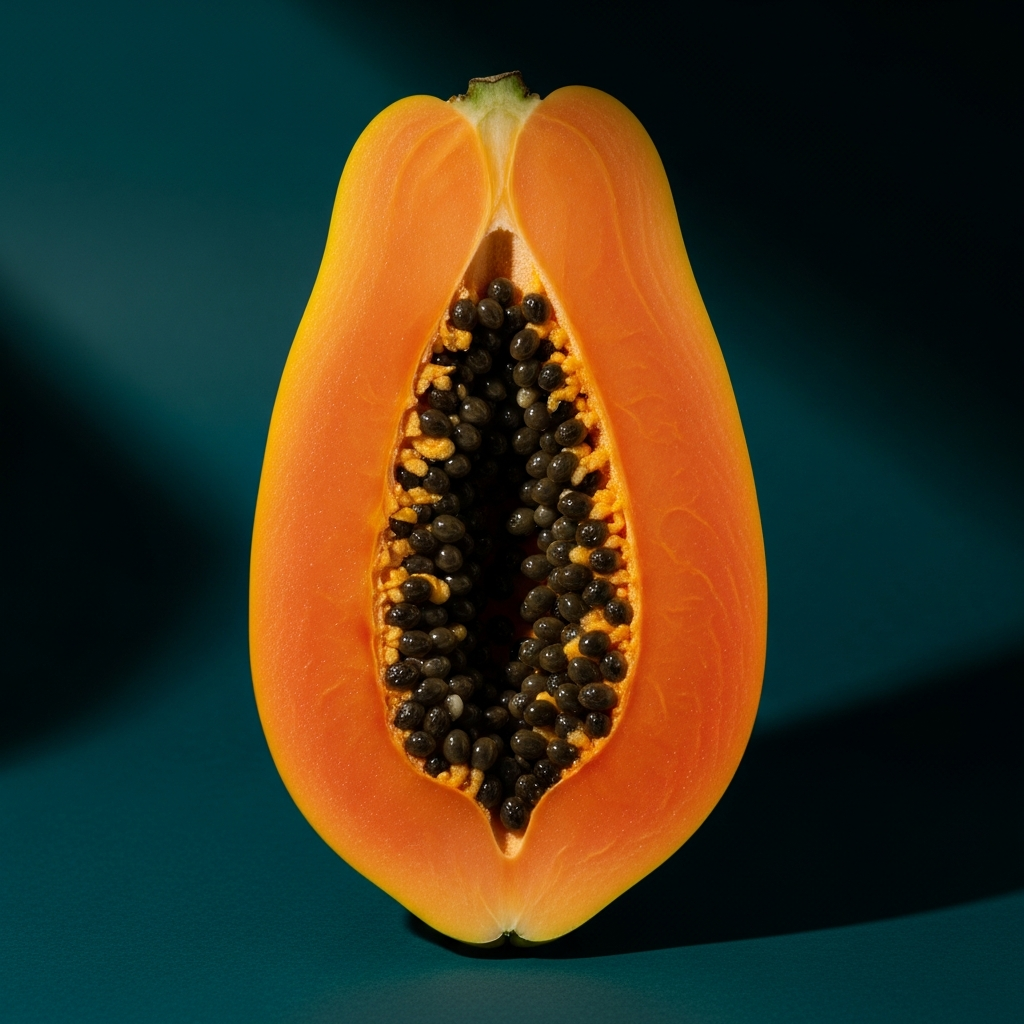
Stoneware mug, dishwasher safe
Buy Mug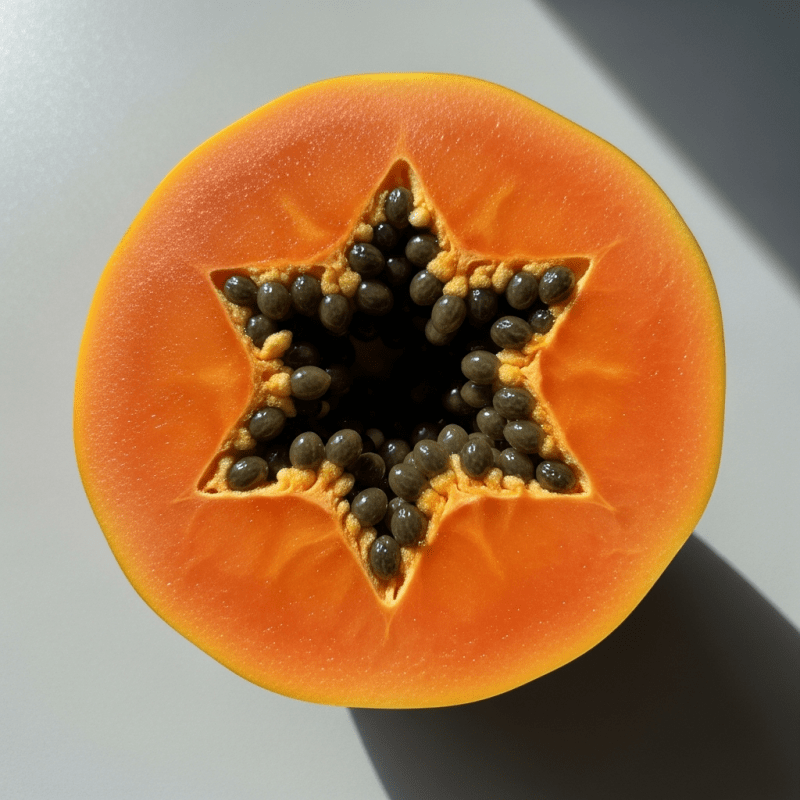
Soft cotton tee, unisex sizes
Buy ShirtPapaya holds cultural importance across the tropics, appearing in local folklore, traditional medicine, and festive cuisine. In regions like the Caribbean and Latin America, it is a symbol of abundance and health. Its various names—pawpaw, fruta bomba, lechoza, mamão—reflect its integration into diverse languages and traditions. In Southeast Asia, green papaya salad is a culinary icon, and the fruit is often associated with tropical hospitality and wellness.
Papaya is a short-lived, fast-growing perennial, typically reaching 3–10 meters in height. Its trunk is unbranched, soft-wooded, and hollow, topped with large, deeply lobed leaves arranged in a spiral. Fruits develop directly on the trunk, and the plant can be male, female, or hermaphroditic. Papaya thrives in warm, well-drained soils and is sensitive to frost and waterlogging.
Papaya is celebrated for its high vitamin C and vitamin A content, as well as folate and dietary fiber. It contains papain, a digestive enzyme that supports gut health. Regular consumption may boost immunity, aid digestion, and contribute to eye and skin health, making it a popular choice for nutrition-conscious diets.
Papaya is enjoyed fresh, sliced or cubed, and is a staple in fruit salads, smoothies, and desserts. Green papaya is grated for savory salads like Thai som tam, and the fruit is processed into juices, jams, dried snacks, and candied slices. Papain extracted from the latex is used as a meat tenderizer and in pharmaceuticals, while the seeds can be ground as a peppery spice.
Papaya is cultivated in warm, tropical climates, preferring well-drained soils and temperatures between 21–33°C. Plants are typically grown from seed and can begin fruiting within a year. Yields can reach 20–60 tons per hectare annually under optimal conditions. Harvesting is done by hand when the fruit turns yellow-orange, and care is needed to prevent bruising. Disease management focuses on resistance to papaya ringspot virus and root rot.
Papaya is a significant export commodity, with India, Indonesia, Nigeria, Brazil, and Mexico among the top producers. Trade standards and grading vary by country, and the fruit is shipped both fresh and processed. Its rapid growth and high yield make it important for both smallholder farmers and large-scale commercial agriculture, supporting livelihoods and international trade.
Papaya is known by many names worldwide, including pawpaw, fruta bomba, lechoza, mamão, and kepaya. In North America, 'pawpaw' refers to a different species (Asimina triloba). Regional cultivars like 'Solo', 'Sunrise', 'Red Lady', 'Tainung', and 'Maradol' reflect local preferences for size, sweetness, and disease resistance. In some regions, papaya is a staple, while in others it is considered a luxury or specialty fruit, with culinary uses and cultural significance varying widely.