Origin Story
Oranges trace their origins to ancient Southeast Asia, where wild ancestors of Citrus sinensis first grew. Over centuries, cultivation spread westward through trade routes to the Mediterranean and beyond, evolving through selective breeding into the diverse varieties known today. This journey reflects a rich history of agricultural innovation and cultural exchange that shaped the orange into a globally beloved fruit.
Classification
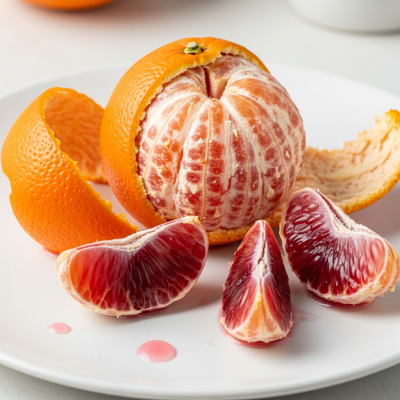
Belonging to the Rutaceae family and the genus Citrus, oranges primarily refer to the species Citrus sinensis, commonly called sweet orange. Within this species, numerous cultivars exist, including popular types like Navel, Valencia, Blood orange, and Cara Cara. While bitter orange (Citrus aurantium) is related and sometimes grouped with oranges, it is botanically distinct and used differently. Oranges are further classified by commercial use, genetic lineage, and morphological traits such as peelability and seed content.
Appearance or Form
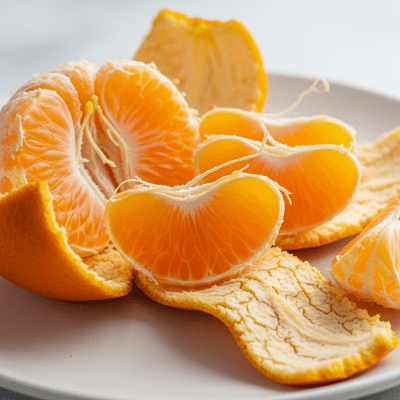
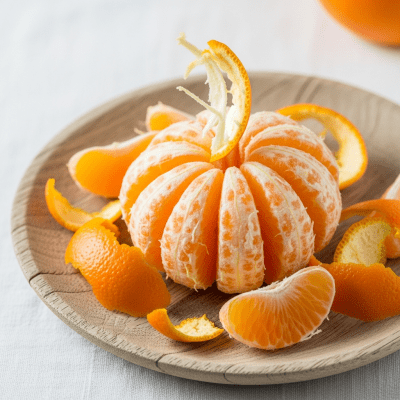
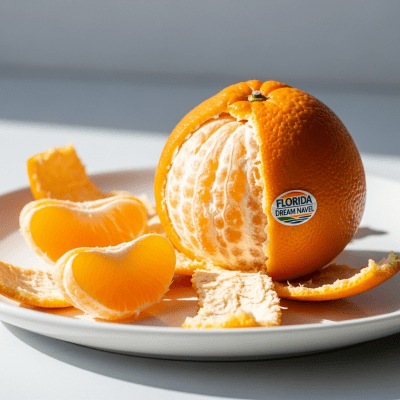
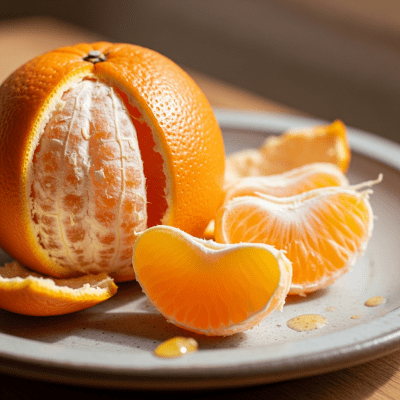
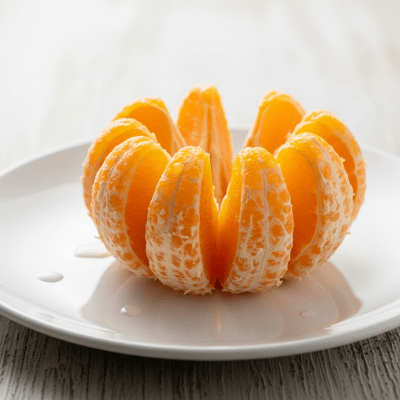
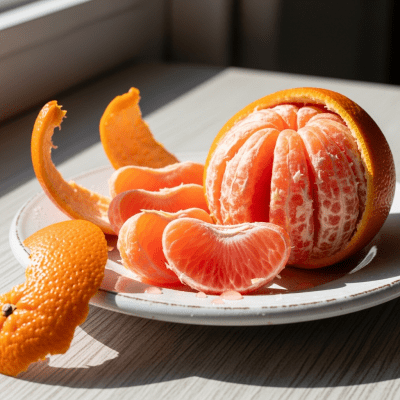
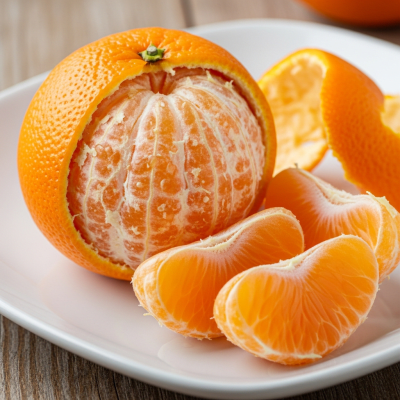
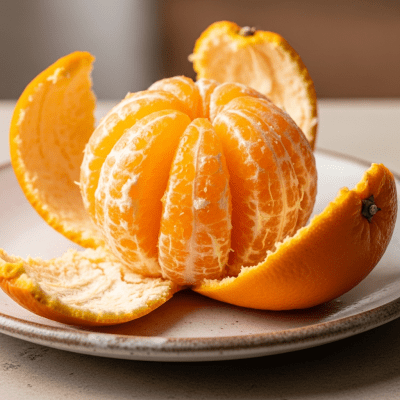
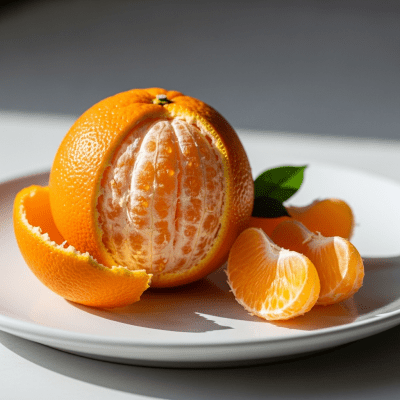
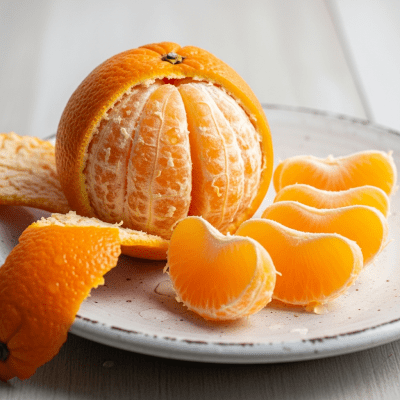
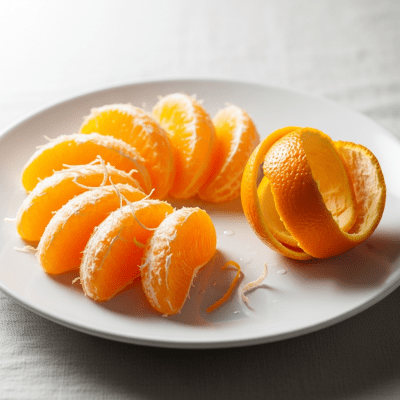
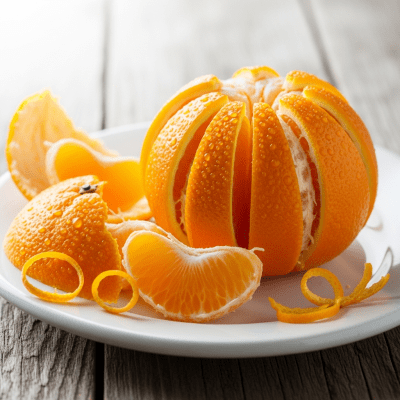
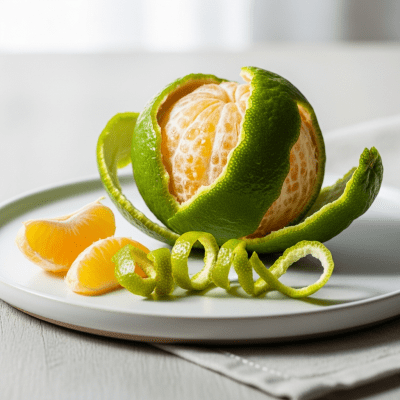
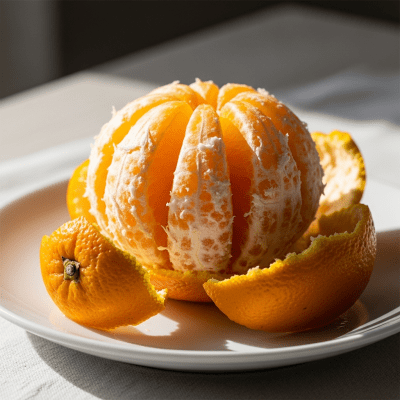
Oranges typically present as round to slightly oval fruits with a bright orange peel that varies in texture from smooth to slightly dimpled. Inside, their flesh ranges from pale orange to deep red in blood oranges, often segmented and juicy. Seed content varies by cultivar, with some like the Navel orange being seedless. The peel's thickness and oil glands contribute to the fruit's fragrant aroma and distinctive taste.
Behavior or Usage
Oranges serve multiple roles in human life, primarily as fresh fruit eaten raw or juiced. Their sweet, tangy flavor makes them a favorite for snacking, cooking, and beverage production. Varieties like Valencia are prized for juicing, while Navel oranges are favored for fresh consumption due to their seedless nature. Beyond food, orange peel oils are used in flavorings, perfumes, and cleaning products, showcasing the fruit’s versatile utility.