Coconut
The coconut is the large, versatile fruit of the coconut palm, prized worldwide for its edible flesh, refreshing water, and myriad uses in food, industry, and daily life.
The coconut is the large, versatile fruit of the coconut palm, prized worldwide for its edible flesh, refreshing water, and myriad uses in food, industry, and daily life.
Coconuts trace their origin to the Indo-Pacific region, with two primary centers of diversity: the Pacific basin (including Southeast Asia and Melanesia) and the Indian Ocean basin (encompassing South Asia and East Africa). Archaeological evidence reveals that humans have cultivated and consumed coconuts for thousands of years, long before formal records or breeding programs existed. The coconut palm’s natural dispersal via floating fruits enabled its spread along tropical coastlines, shaping cultures and economies across the globe.
Botanically, the coconut is classified as a large, single-seeded drupe. Its scientific name is Cocos nucifera, and it belongs to the family Arecaceae (the palm family). In the broader fruits taxonomy, coconut stands out for its unique structure and the fact that it is both a fruit and a source of seed. While some fruits are confused with nuts or seeds, the coconut is universally recognized as a fruit in both scientific and culinary contexts.
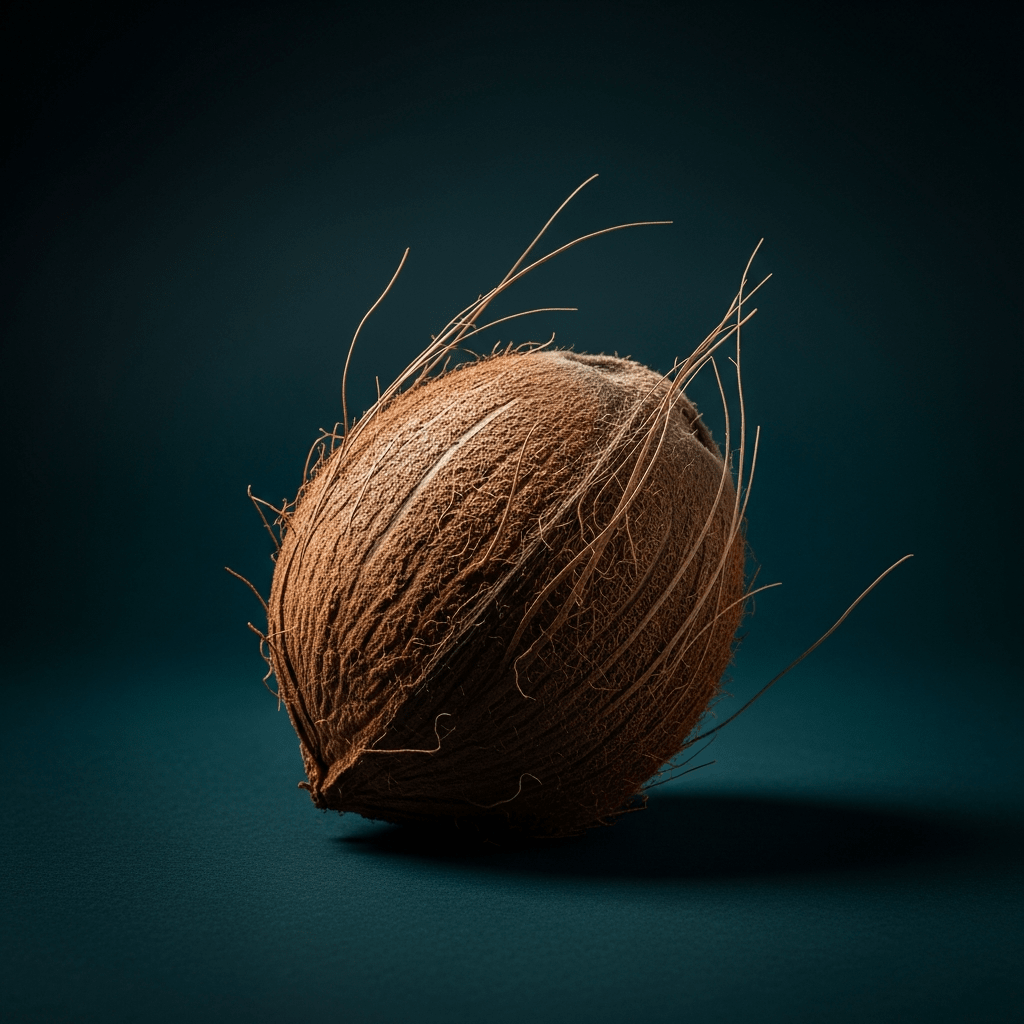
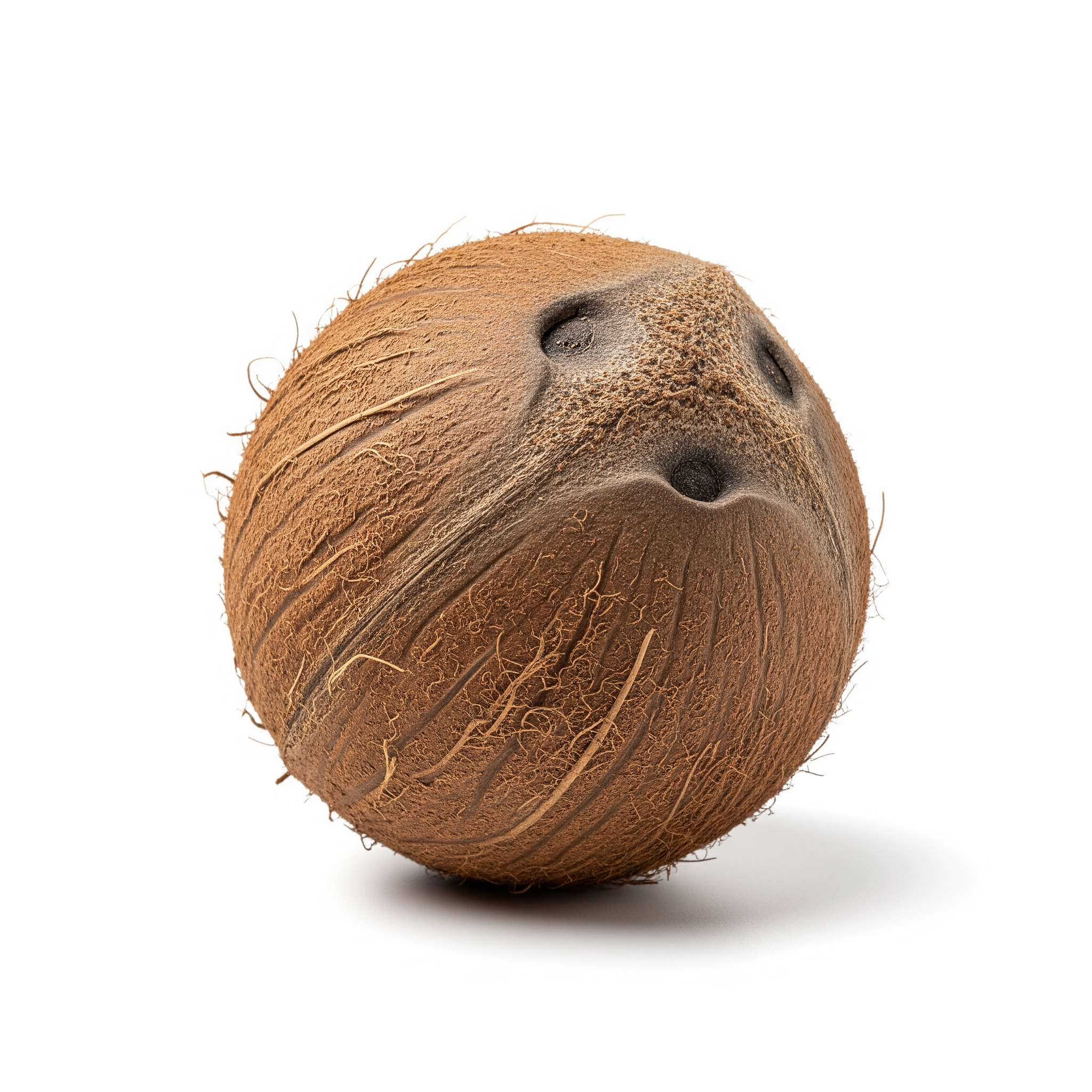
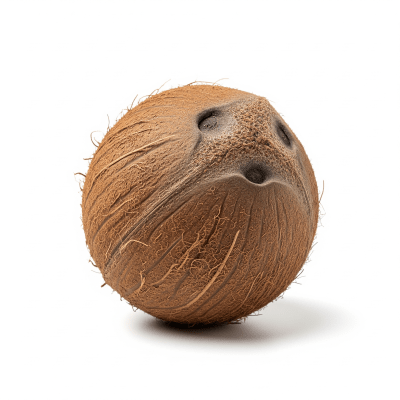
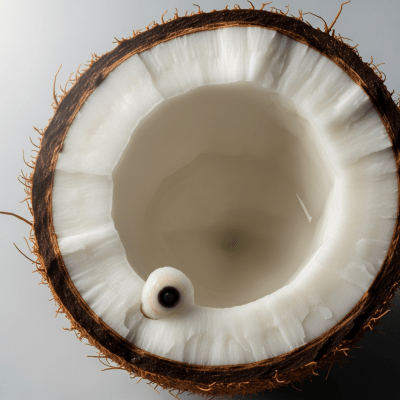
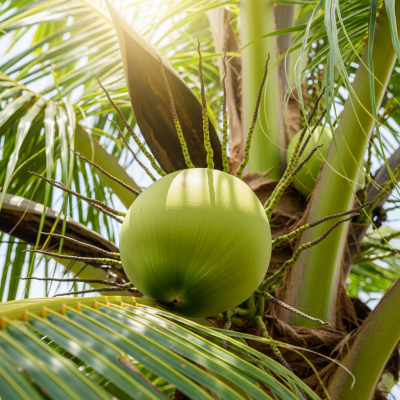
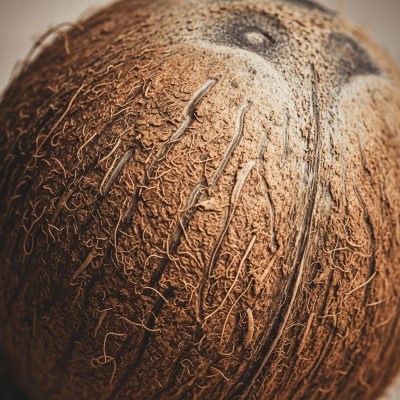
A mature coconut is typically oval or slightly elongated, weighing between 1 and 2.5 kilograms. The outer husk is thick, fibrous, and brown, encasing a hard, woody shell. Inside, a layer of white, edible flesh lines the cavity, which is filled with clear coconut water. The tactile experience ranges from rough and fibrous on the outside to smooth and creamy within. When immature, coconuts are green or yellow and contain more water; as they ripen, the husk turns brown and the flesh thickens.
Coconuts are harvested for a remarkable range of uses. The water from young fruits is enjoyed as a hydrating beverage, while the flesh—fresh or dried—is a staple ingredient in countless cuisines. Coconut oil is extracted for cooking, cosmetics, and soap-making. The shell and husk provide coir fiber, used in ropes, mats, and brushes. Coconut palms thrive in coastal, saline environments and are cultivated for both subsistence and commercial purposes, supporting communities across the tropics.
Bring this kind into your world illustrated posters, mugs, and shirts.
Archival print, museum-grade paper
Buy Poster
Stoneware mug, dishwasher safe
Buy Mug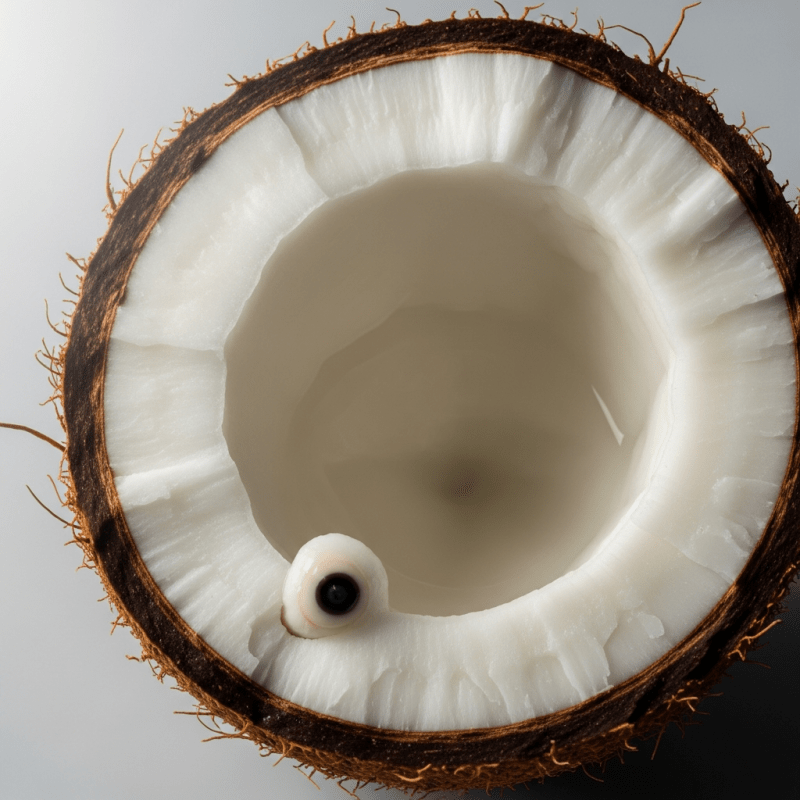
Soft cotton tee, unisex sizes
Buy ShirtThe coconut holds a special place in many cultures, symbolizing life, fertility, and prosperity. In South Asia and the Pacific, coconuts feature in religious rituals, folklore, and traditional medicine. The fruit’s image is iconic in tropical art and literature, and its economic importance is reflected in festivals and local crafts. Across the Caribbean and Latin America, coconut flavors infuse music, cuisine, and celebrations, making it a true cultural ambassador of the tropics.
Coconut flesh is rich in dietary fiber, medium-chain triglycerides (MCTs), and provides moderate amounts of manganese, copper, and iron. Coconut water is low in calories and contains potassium, magnesium, and electrolytes, making it a popular hydrating drink. Coconut oil is high in saturated fats, primarily lauric acid, which is valued for its stability and unique metabolic properties.
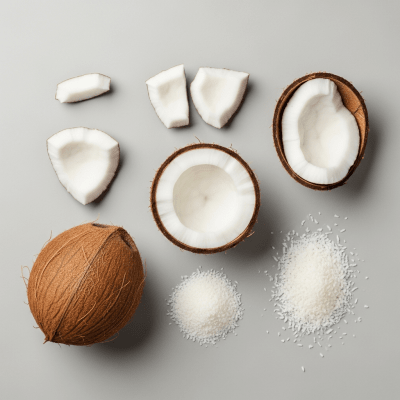
There are two main types of coconut cultivars: tall and dwarf. Notable examples include the West African Tall, Malayan Dwarf, and hybrid varieties bred for disease resistance and yield. These cultivars differ in tree height, fruit size, and maturation period, with some preferred for copra production and others for fresh consumption or water.
Coconuts are available year-round in tropical regions, with individual fruits maturing over 12 months. Harvesting occurs continuously, as coconut palms produce fruit throughout the year. In global markets, coconut products—fresh, dried, or processed—are widely accessible due to robust international trade.
These countries dominate commercial coconut production, supplying both domestic and international markets with fruit, oil, water, and coir.
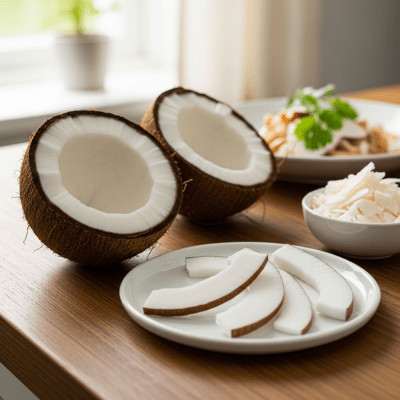
Coconut is enjoyed in countless ways: the water is drunk fresh; the flesh is eaten raw, grated, or dried; coconut milk and cream enrich curries and desserts; coconut oil is used for frying and baking. Desiccated coconut features in sweets and pastries, while the shell and husk are used in traditional cooking and crafts. Coconut flavors are integral to cuisines from South Asia and Southeast Asia to Africa, the Caribbean, and Latin America.
Mature coconuts store well for weeks or months if kept dry and cool. Young coconuts (for water) should be consumed within days of harvest to preserve freshness. To open a coconut, pierce the eyes to drain the water, then crack the shell to access the flesh. Dried coconut and oil should be stored in airtight containers away from heat and moisture.
Coconut offers several health benefits: its water hydrates and replenishes electrolytes; the flesh provides healthy fats and fiber; coconut oil contains medium-chain fatty acids that may support metabolism. Traditional medicine uses coconut for skin care, digestion, and wound healing, though scientific evidence varies by application.
"Coconut palm" refers to the tree, while "copra" specifically denotes the dried flesh. Regional cultivars include Malayan Dwarf and West African Tall.