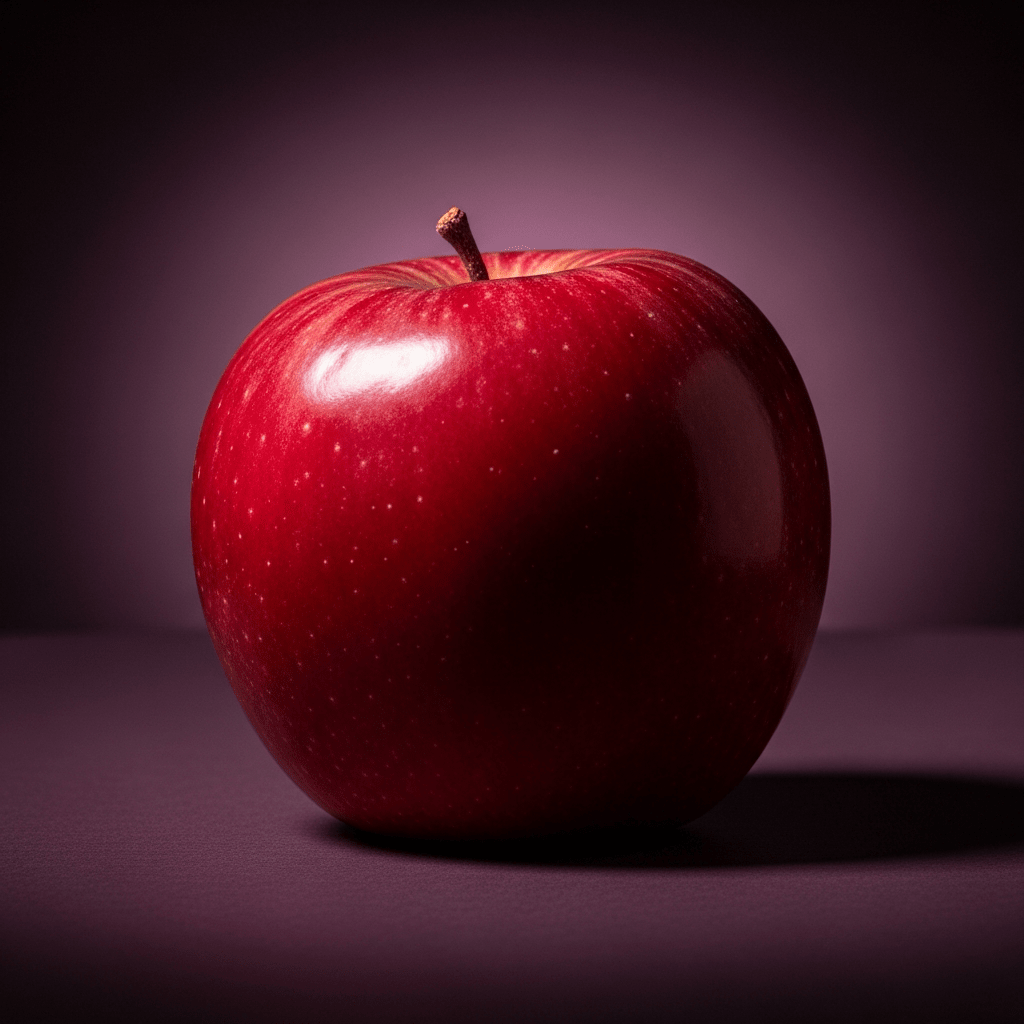
Apple
The apple (Malus domestica) is a crisp, sweet-tart fruit cherished worldwide for its versatility, flavor, and nutritional value.
The apple (Malus domestica) is a crisp, sweet-tart fruit cherished worldwide for its versatility, flavor, and nutritional value.
Apples originated in Central Asia, with wild ancestors such as Malus sieversii thriving in the region now known as Kazakhstan. Domestication began over 4,000 years ago, evolving through natural hybridization with European crab apples and other species. This gradual process, shaped by countless generations of growers and breeders across Eurasia, led to the diverse cultivars enjoyed today. Modern apple breeding is a global effort, with significant contributions from institutions and agricultural societies around the world.
Botanically, the apple belongs to the family Rosaceae, genus Malus, and species domestica. It is classified as a pome—a type of fruit with a central core containing seeds. Apples are part of the broader taxonomy of edible fruits, specifically temperate tree fruits, and are often referenced in culinary, commercial, and scientific contexts for their distinct morphology and use.
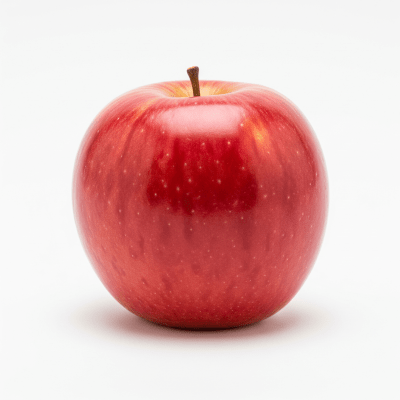
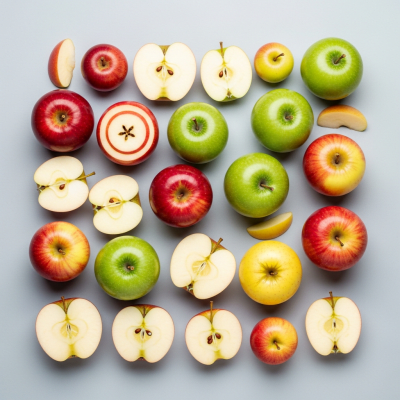
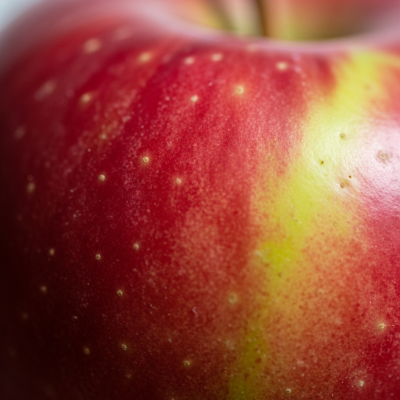
Apples are typically round to oval, measuring 5–10 cm in diameter. Their smooth skin varies in color—green, yellow, red, or bi-colored—depending on the variety. The flesh is crisp to soft, juicy, and aromatic, with a flavor profile ranging from sweet to tart. At the core lies a cluster of small seeds, encased in a firm, edible structure that makes apples appealing both visually and to the touch.
Apples are enjoyed fresh, cooked, dried, or processed into juice, cider, vinegar, sauce, and preserves. Their adaptability makes them a staple in global diets, featured in desserts like apple pie, salads, and even savory dishes. The fruit’s natural sweetness and acidity lend themselves to a wide range of culinary applications, while apples also play a vital role in horticulture, nutrition, and commerce.
Bring this kind into your world illustrated posters, mugs, and shirts.
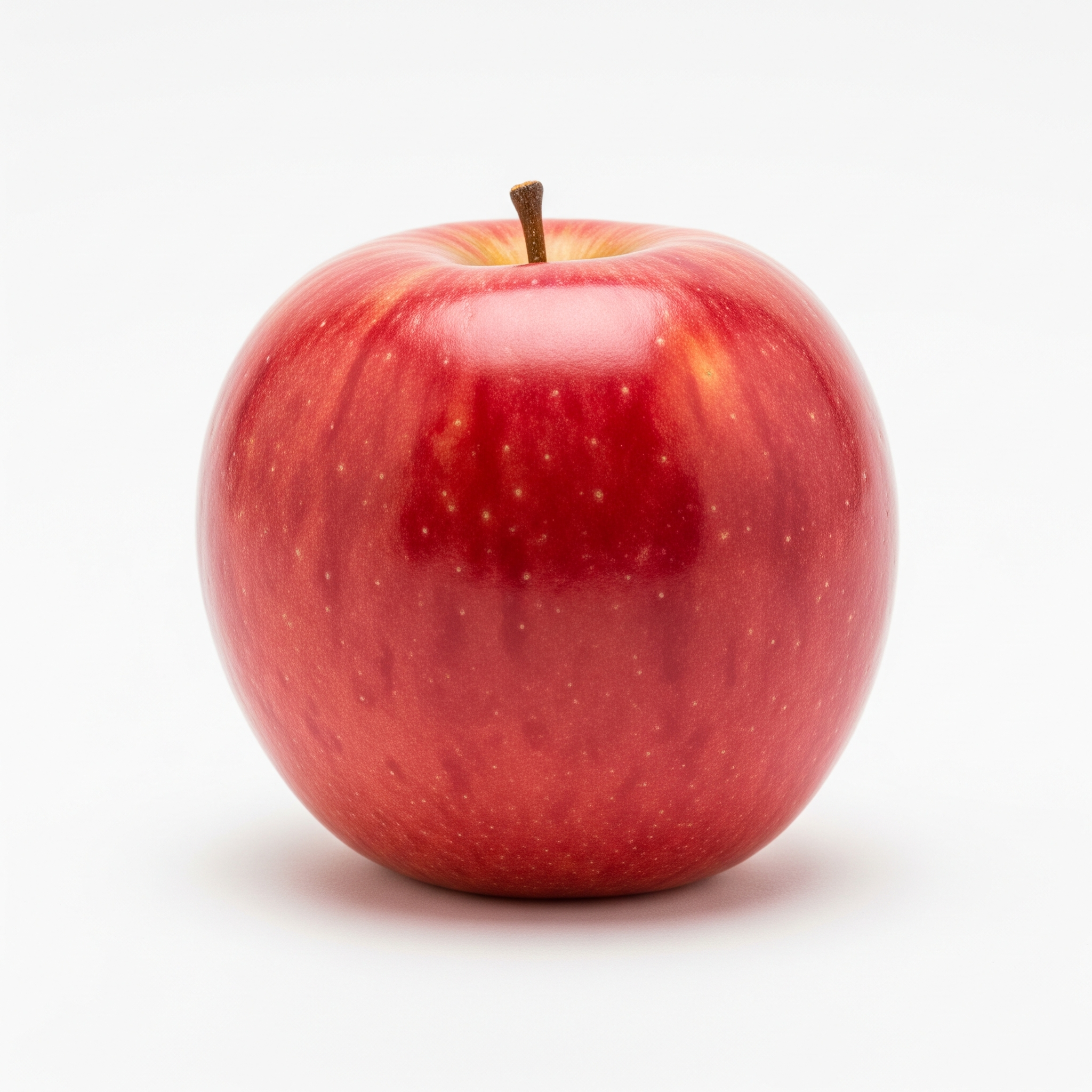
Archival print, museum-grade paper
Buy Poster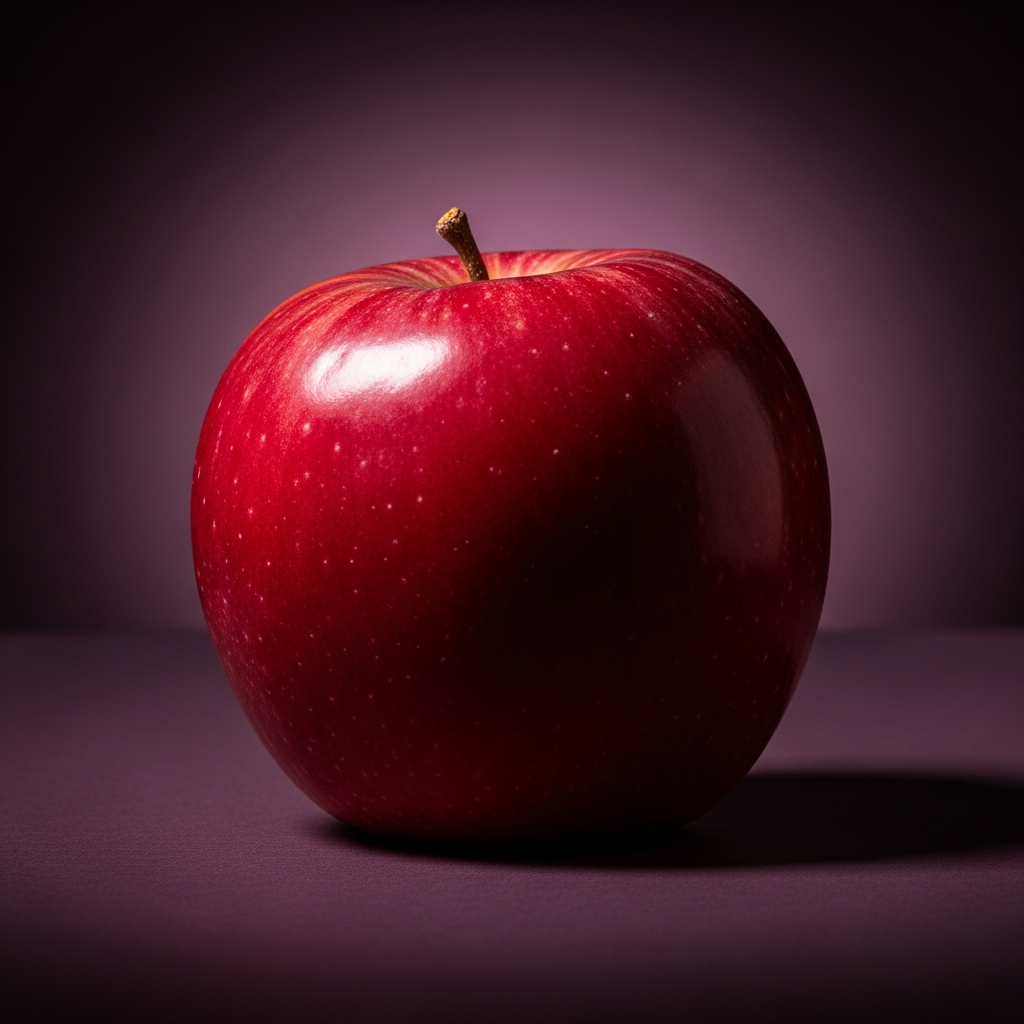
Stoneware mug, dishwasher safe
Buy Mug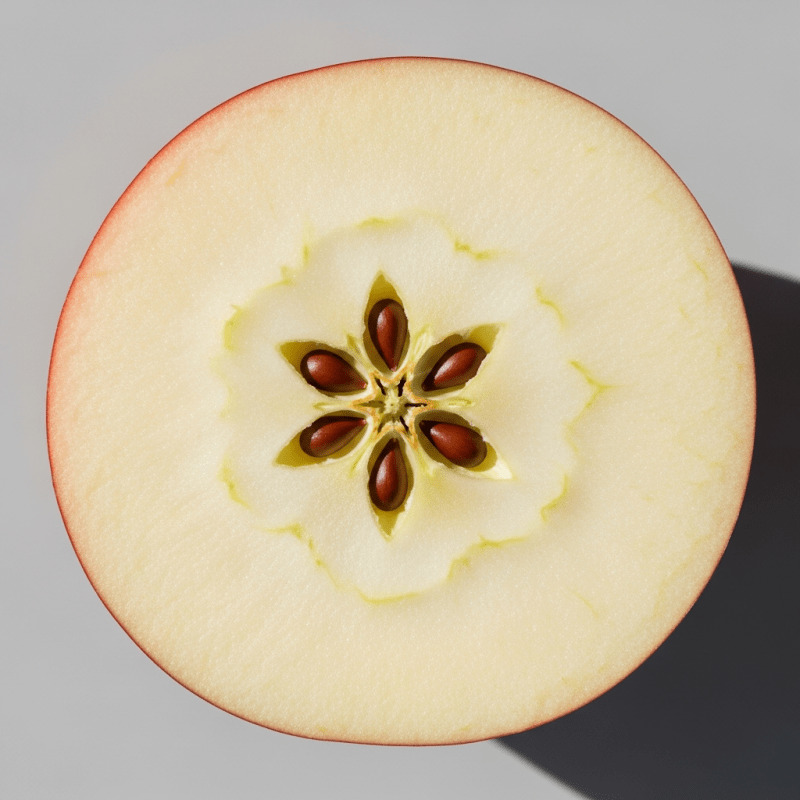
Soft cotton tee, unisex sizes
Buy ShirtFew fruits are as deeply woven into human culture as the apple. It appears in myth and legend—from the biblical Garden of Eden to the golden apples of Greek mythology—and serves as a symbol of knowledge, temptation, and health. Apples feature prominently in art, literature, and folklore, and phrases like “an apple a day keeps the doctor away” reflect their enduring reputation for promoting well-being. The fruit’s iconic status is celebrated in festivals, traditions, and national cuisines around the world.
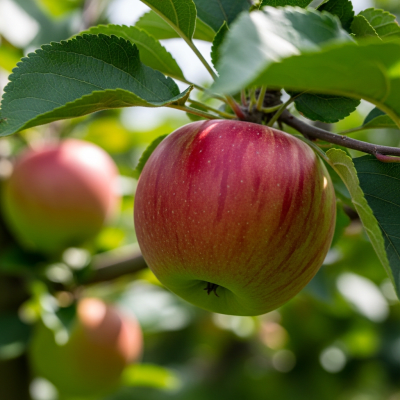
The apple tree is a deciduous member of the Rosaceae family, typically reaching 2–4 meters in height when cultivated. Its growth habit is compact and branching, with oval leaves and fragrant blossoms. The fruit is a pome, characterized by a central core containing seeds. Apples display remarkable diversity in skin color, flesh texture, and flavor, all influenced by cultivar and growing conditions. Trees require winter chilling for dormancy and successful fruit set, and are susceptible to diseases such as apple scab, fire blight, and codling moth, though many varieties have resistance traits.

Apples are celebrated for their health benefits. They are an excellent source of dietary fiber, particularly pectin, which supports digestive health. Apples also provide vitamin C, an antioxidant that boosts immunity, and polyphenols, which may contribute to cardiovascular and cellular health. Low in calories and free from fat and cholesterol, apples are a smart choice for balanced diets.
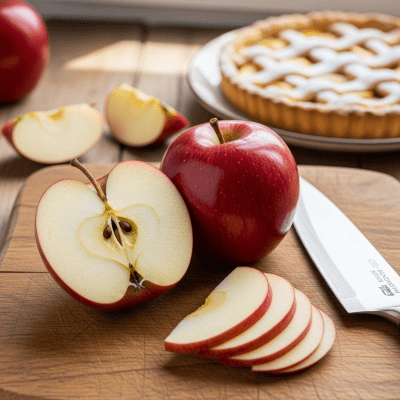
Apples shine in the kitchen, enjoyed raw as a snack or sliced into salads. They are baked into pies, crisps, and cakes, simmered into sauces and preserves, or pressed for juice and cider. Apples complement both sweet and savory dishes, pairing well with spices, cheeses, and meats. Dried apples and apple vinegar offer additional culinary versatility, making this fruit a staple in recipes around the world.
Apple trees thrive in temperate climates, requiring winter chilling for dormancy and fruit development. Orchards are planted with careful attention to spacing, sunlight, and soil quality. Trees begin bearing fruit within a few years, with yields ranging from 20–100 kg per tree annually, depending on cultivar and management. Harvest typically occurs in late summer to autumn, and fruit is picked by hand to preserve quality. Disease management, including resistance breeding and integrated pest control, is essential for healthy crops and high yields.
Apples are a leading fruit crop in global agriculture. Major producers include China, the United States, Poland, and India. The market is segmented into dessert apples (for fresh eating), cooking apples (for culinary use), and dual-purpose varieties. Apples are traded internationally, with grading standards based on size, color, and quality. Their long storage life and adaptability to transport make apples a cornerstone of fruit commerce worldwide.
Apple cultivation and usage vary widely by region. In Europe, heirloom varieties like ‘Cox’s Orange Pippin’ are celebrated for their nuanced flavors, while North America favors crisp, sweet types such as ‘Honeycrisp’ and ‘Fuji’. Asian markets have developed their own cultivars, including ‘Fuji’ and ‘Gala’, which thrive in local climates. Regional cuisines incorporate apples into traditional dishes, and local names—such as manzana (Spanish), pomme (French), mela (Italian), and pingguo (Chinese)—reflect the fruit’s global reach and cultural importance.