Persimmon
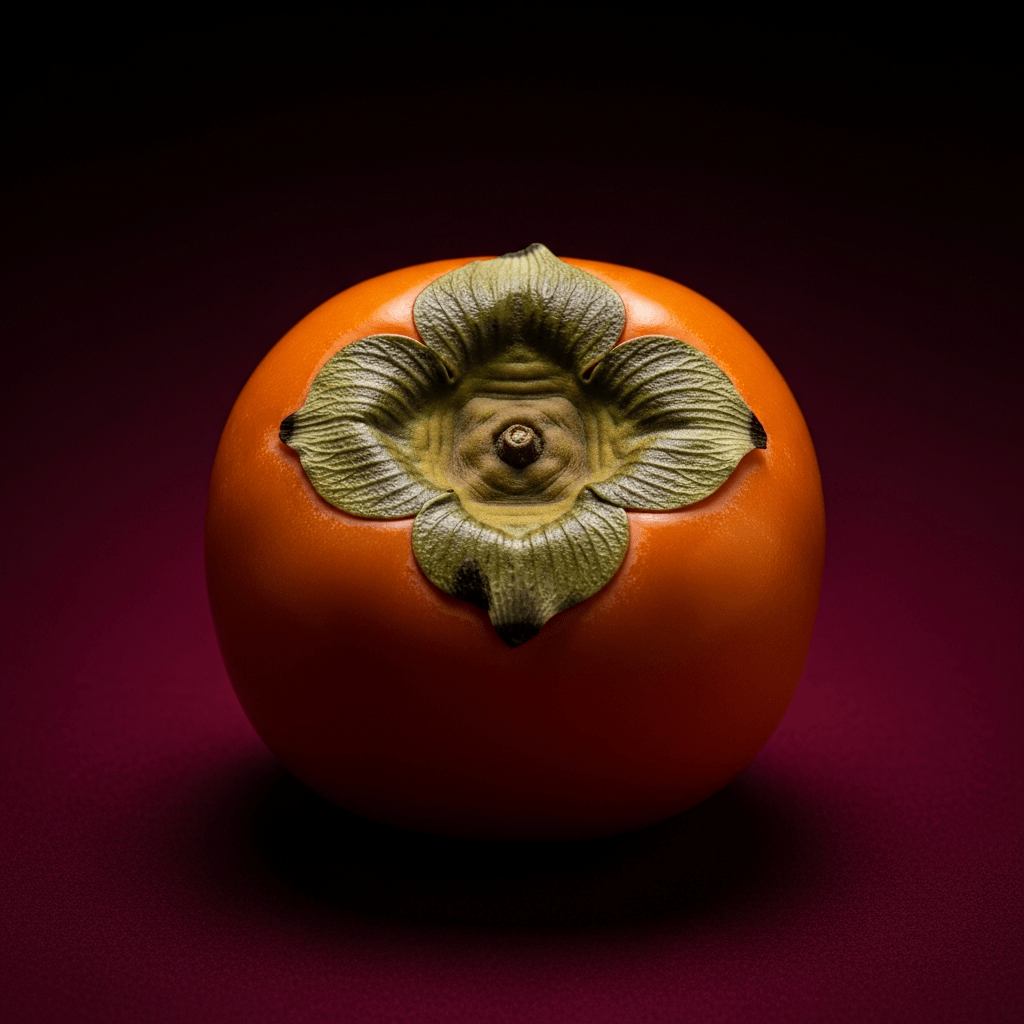
The persimmon is a vibrant, sweet, and sometimes astringent fruit from the genus Diospyros, prized for its glossy orange skin, rich flavor, and versatility in both fresh and dried forms.
The persimmon is a vibrant, sweet, and sometimes astringent fruit from the genus Diospyros, prized for its glossy orange skin, rich flavor, and versatility in both fresh and dried forms.
Persimmons trace their roots to ancient China, where Diospyros kaki has been cultivated for over two millennia. From China, the fruit journeyed to Japan and Korea, becoming deeply embedded in East Asian agriculture and cuisine. Over centuries, persimmon spread to the Mediterranean and Americas, adapting to new climates and inspiring a wealth of regional cultivars. Its domestication is a story of gradual selection and cultural exchange, with no single originator but countless generations of growers shaping its evolution.
Botanically, persimmons belong to the genus Diospyros within the family Ebenaceae. The most widely cultivated species is Diospyros kaki, known as Japanese or Asian persimmon. Though classified as a berry in botanical terms, persimmons are often grouped with stone fruits or tropical fruits in culinary and commercial contexts. Other notable species include Diospyros virginiana (American persimmon) and Diospyros lotus (date-plum), each with distinct regional importance.
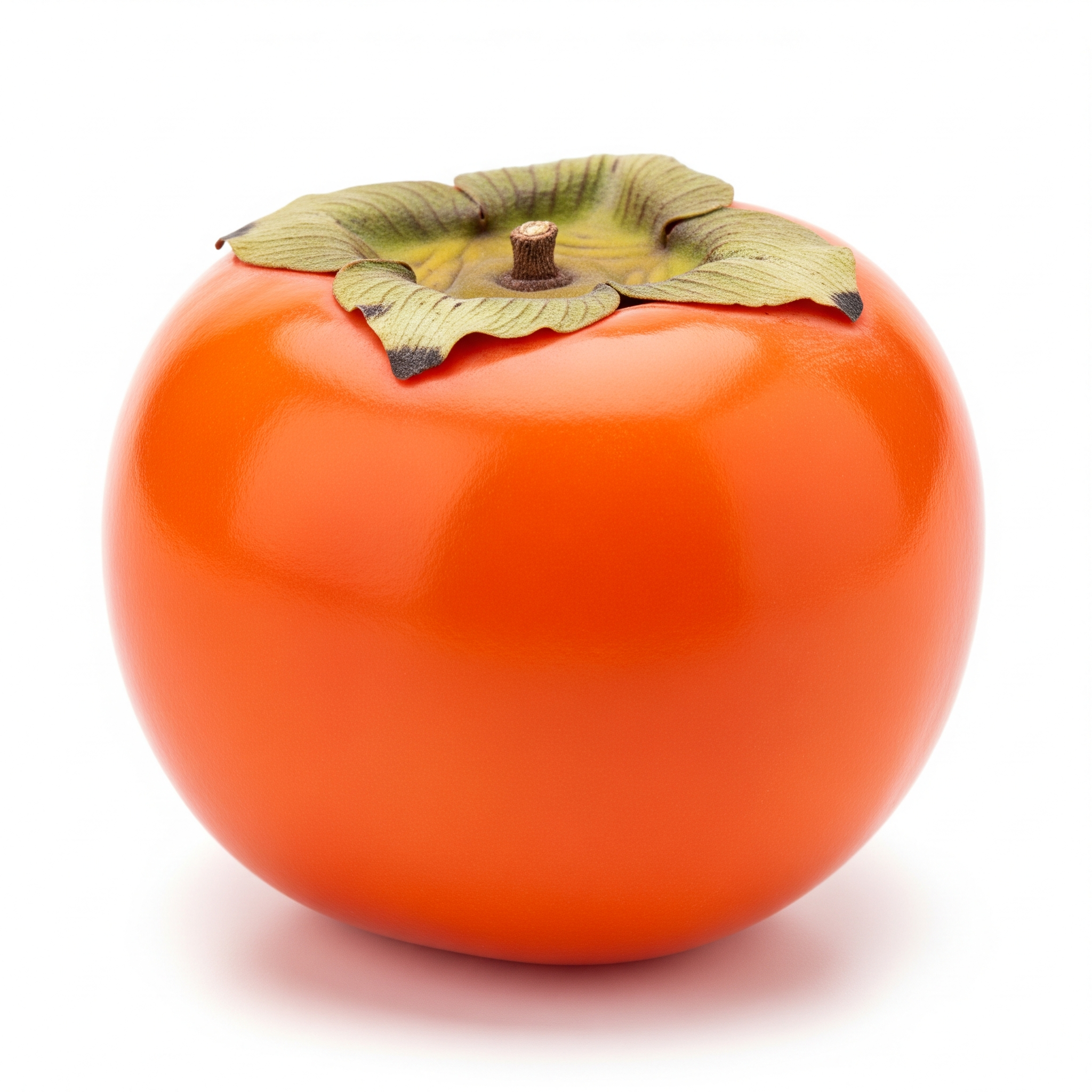
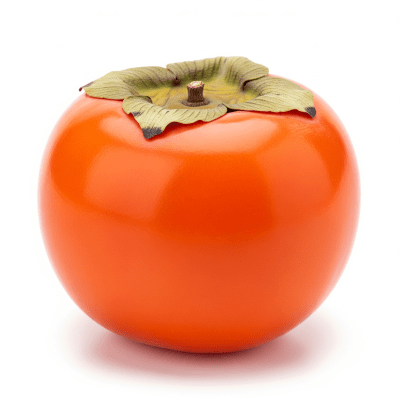
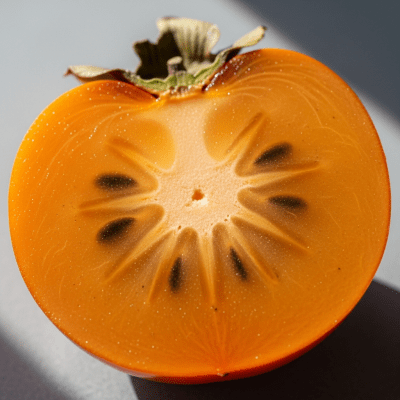
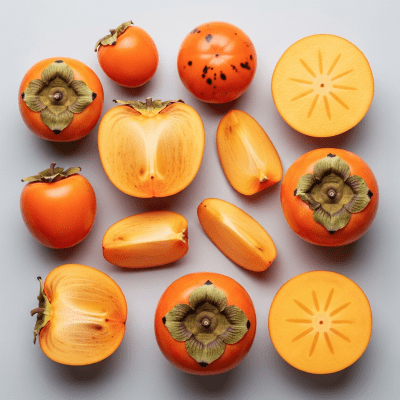
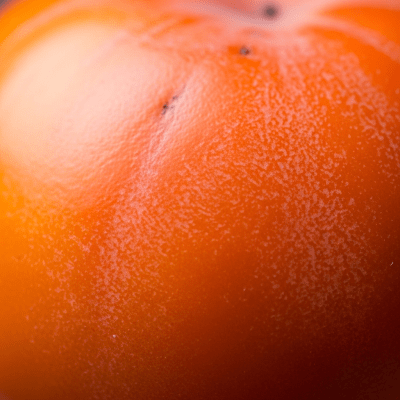
Persimmons are visually striking, with smooth, glossy skin ranging from bright orange to deep reddish hues. The fruit is typically round to oval, measuring 5–10 cm in diameter. Its flesh varies from pale yellow to deep orange, and the texture can shift from firm and crisp to soft and jelly-like, depending on variety and ripeness. Some cultivars, such as 'Fuyu', are eaten while firm, while others like 'Hachiya' must be fully ripe to avoid astringency. The overall sensory experience is sweet, fragrant, and sometimes delicately tangy.
Persimmons are enjoyed fresh, dried, or processed into jams, jellies, baked goods, and beverages. In East Asia, dried persimmon is a cherished delicacy, while in other regions, the fruit finds its way into salads, desserts, and even savory dishes. Its utility extends beyond the table—persimmon trees are also valued for their ornamental appeal and shade. The fruit's variable astringency means that some types require full ripening before consumption, while non-astringent varieties can be eaten crisp, making persimmon a versatile choice for diverse palates and culinary traditions.
Bring this kind into your world illustrated posters, mugs, and shirts.
Archival print, museum-grade paper
Buy Poster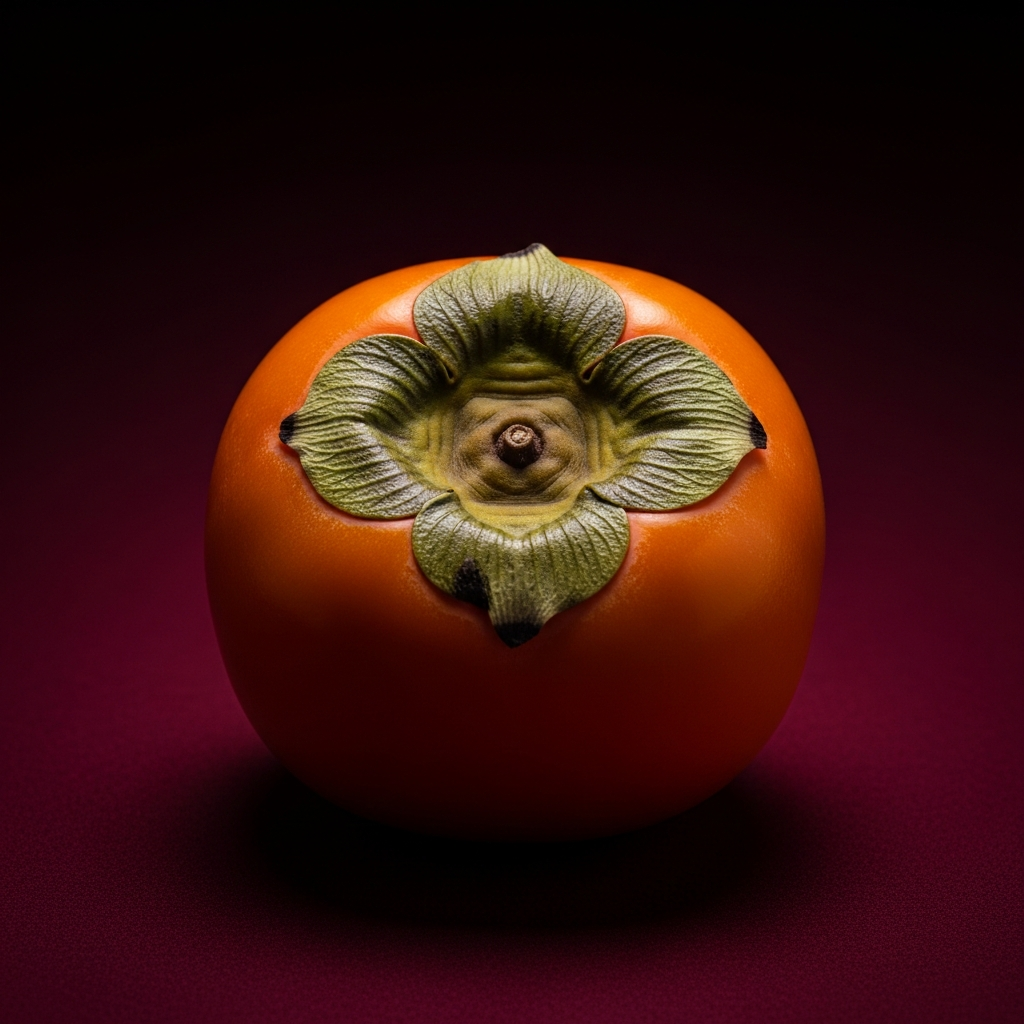
Stoneware mug, dishwasher safe
Buy Mug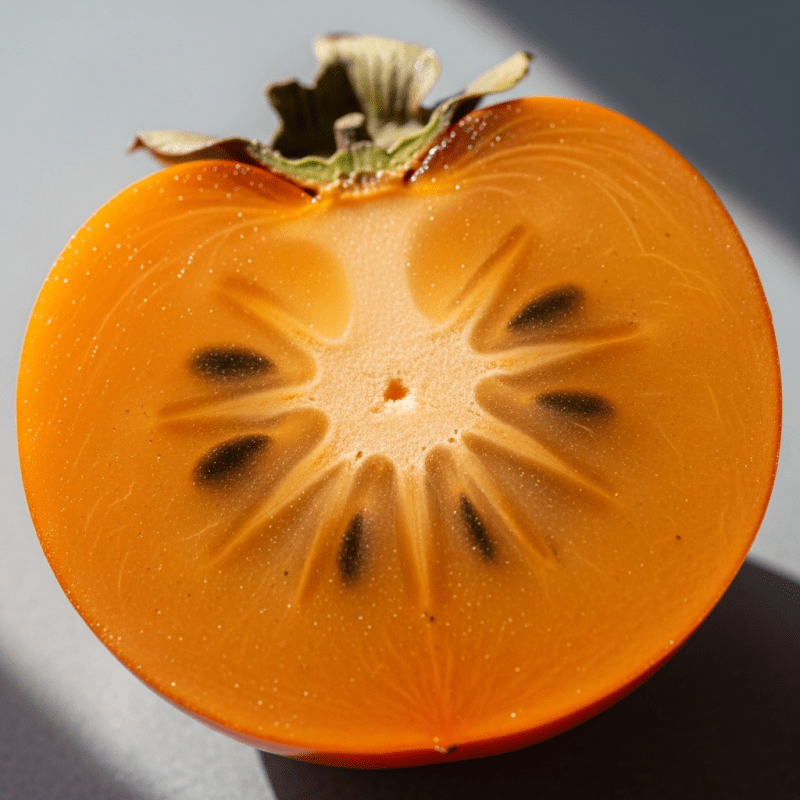
Soft cotton tee, unisex sizes
Buy ShirtPersimmons hold deep cultural resonance in East Asia. In Japan, dried persimmon (hoshigaki) is a traditional treat, often featured in seasonal festivals and art. In Korea, dried persimmon (gotgam) is a symbol of good fortune and hospitality. Chinese literature and folklore celebrate the fruit's sweetness and beauty, and its presence in paintings and poetry reflects its status as a symbol of autumn and abundance. Beyond Asia, persimmons appear in regional cuisines and local traditions, with their vibrant color and flavor inspiring culinary creativity and seasonal rituals.
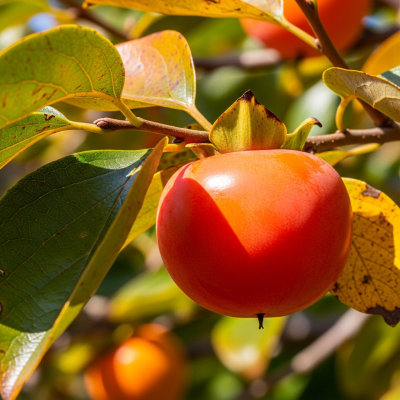
Persimmon trees are deciduous and medium-sized, typically reaching 4–12 meters in height. Their leaves are broad and glossy, turning vibrant colors in autumn. The fruit develops from single flowers and is classified botanically as a berry. Depending on the cultivar, persimmons may be highly astringent until fully ripe or non-astringent and edible while firm. Trees thrive in temperate climates with moderate winters and warm summers, and modern cultivars often show improved resistance to pests and diseases.

Persimmons are a nutritious fruit, offering high levels of dietary fiber, vitamin A, and vitamin C. They also contain a variety of phytochemicals that contribute to antioxidant activity. Regular consumption supports digestive health, immune function, and skin vitality. The fruit is low in fat and provides a sweet, satisfying alternative to processed snacks.
Persimmons shine in both sweet and savory dishes. They are enjoyed fresh, sliced into salads, or baked into cakes and breads. In East Asia, dried persimmon is a traditional delicacy, while jams, jellies, and preserves are popular worldwide. The fruit’s natural sweetness complements desserts, yogurts, and even cheese platters. Non-astringent varieties are favored for their crisp texture, while astringent types are best used in purees and baked goods once fully ripe.
Persimmon trees prefer temperate regions with mild winters and warm summers, but are adaptable to a range of climates. They are typically planted in well-drained soil and require moderate watering. Mature trees yield 10–30 kg of fruit annually, with harvest season varying by region and cultivar. Common pests include fruit flies and fungal diseases, though many modern cultivars are bred for improved resistance. Harvesting is done by hand to prevent bruising, especially for astringent varieties that soften when ripe.
China is the world’s leading producer of persimmons, followed by Korea, Japan, Brazil, and Spain. The fruit is increasingly exported to Europe and North America, where demand for non-astringent varieties is rising. Global market trends favor cultivars like 'Fuyu' for their ease of handling and broad appeal. Persimmons are graded by size, color, and firmness, with premium fruit commanding higher prices in international trade.
Persimmon varieties and usage differ widely by region. In East Asia, dried persimmon is a traditional specialty, while in Europe, the term "kaki" is commonly used for Asian persimmon. American persimmon (Diospyros virginiana) is native to the eastern United States and features in local recipes. In Brazil and Spain, "caqui" refers to both Asian and local cultivars. Regional preferences influence which varieties are grown and how the fruit is prepared, reflecting persimmon’s adaptability and cultural significance worldwide.