
Currant
Currants are small, tart berries from the genus Ribes, prized for their vibrant flavor, nutritional richness, and versatility in both fresh and processed forms.
Currants are small, tart berries from the genus Ribes, prized for their vibrant flavor, nutritional richness, and versatility in both fresh and processed forms.
Currants originated in the temperate regions of Europe and Asia, with wild species of Ribes domesticated over centuries for their fruit. Red currant (Ribes rubrum) and black currant (Ribes nigrum) were first described in botanical literature in the 16th and 17th centuries. Their cultivation expanded as breeders selected for disease resistance and improved fruit quality, leading to a diverse array of cultivars now grown worldwide.
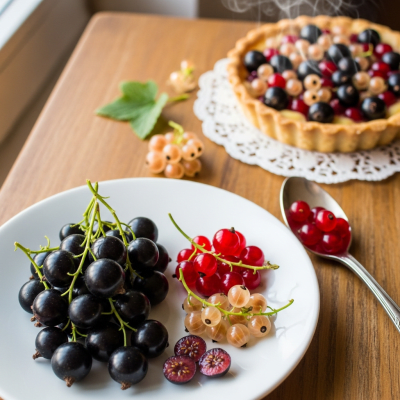
Botanically, currants belong to the family Grossulariaceae and the genus Ribes. They are classified as true berries—fleshy, seed-bearing fruits developed from a single ovary. Notable species include red currant (Ribes rubrum), black currant (Ribes nigrum), and white currant (Ribes sativum), each with distinct coloration and flavor profiles. Currants are distinct from dried Zante currants, which are actually small grapes and not related botanically.
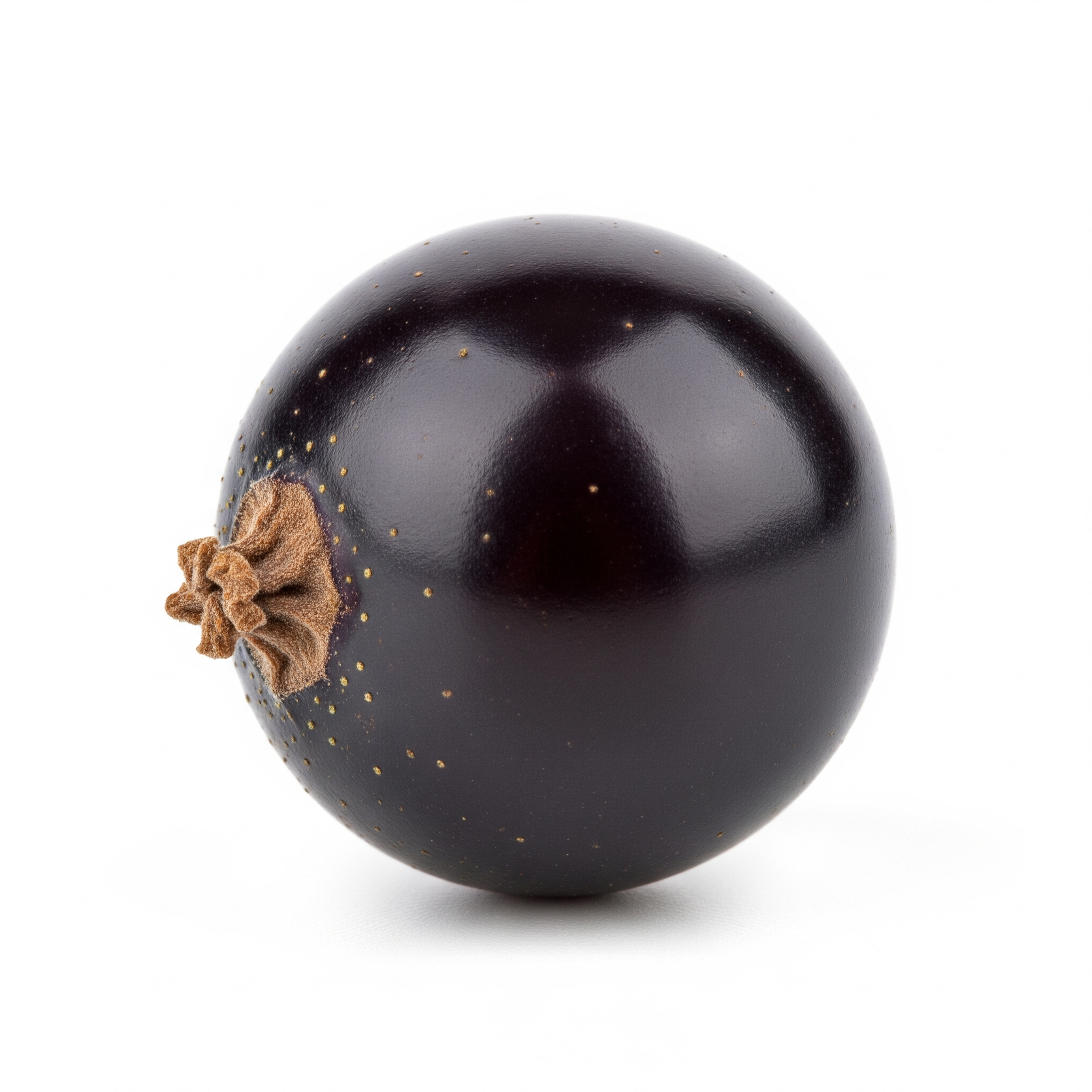
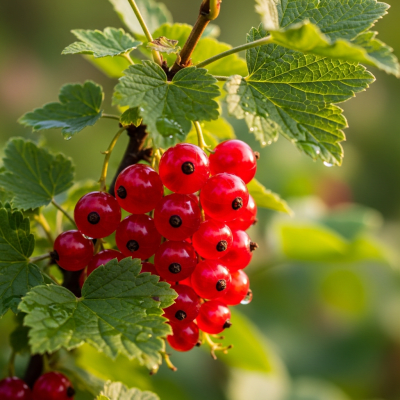
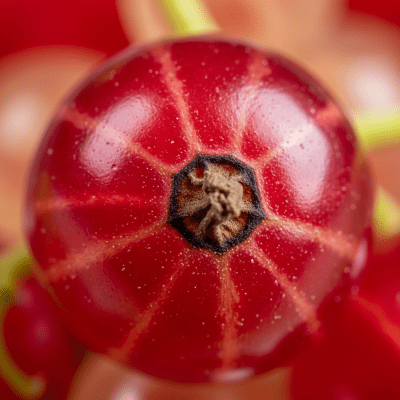
Currant shrubs grow to about 1–2 meters tall, with lobed green leaves and clusters of small, spherical berries. The berries range from translucent red, deep black, to pale white, depending on the species. Each berry measures roughly 0.5–1 cm in diameter, with a glossy skin and juicy, seed-bearing flesh. Their delicate texture and vivid color make them visually appealing in both gardens and culinary presentations.
Currants are enjoyed fresh for their tartness, but are most commonly processed into jams, jellies, syrups, juices, and baked goods. Black currants, in particular, are renowned for their intense flavor and nutritional value, making them popular in liqueurs like crème de cassis and as a base for sauces and desserts. Their high perishability means they are often preserved or transformed soon after harvest.
Bring this kind into your world illustrated posters, mugs, and shirts.
Archival print, museum-grade paper
Buy Poster
Stoneware mug, dishwasher safe
Buy Mug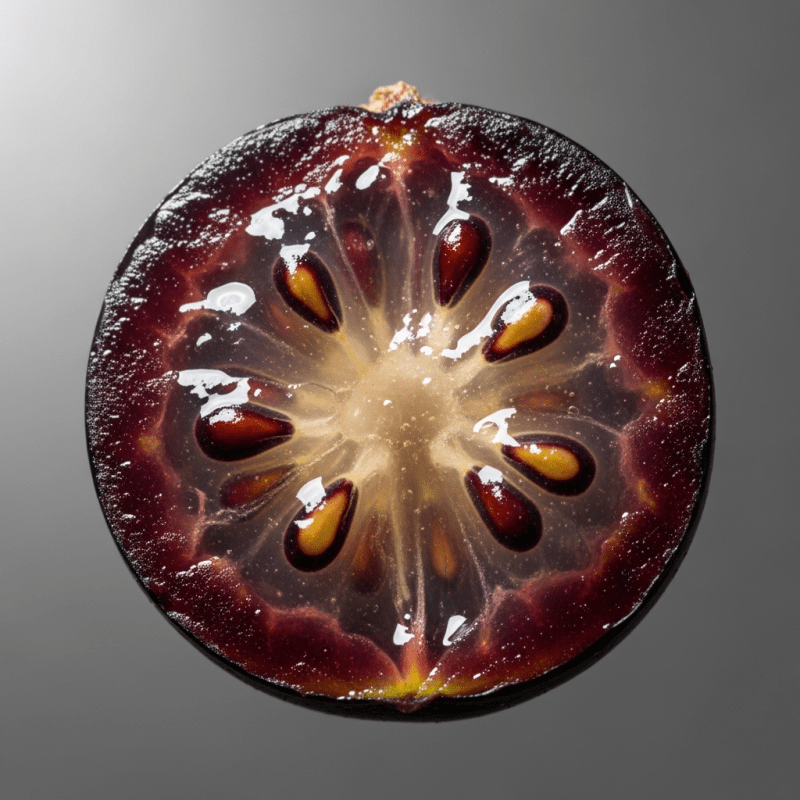
Soft cotton tee, unisex sizes
Buy ShirtCurrants hold a special place in European culinary tradition, featuring in classic jams, tarts, and festive dishes. In France, black currant is celebrated as "cassis," the key ingredient in crème de cassis and Kir cocktails. In Germany, "Johannisbeere" is a staple in summer desserts. Currants also appear in folklore and literature as symbols of abundance and vitality, and their cultivation has shaped regional agricultural practices, especially in Eastern Europe and the UK.
Currant plants are deciduous shrubs with lobed leaves and upright stems, reaching heights of 1–2 meters. They produce clusters of small, spherical berries, each 0.5–1 cm in diameter. The flowers are modest and self-fertile, but cross-pollination can enhance fruit set. Currants thrive in cool climates with moist, well-drained soils and partial shade, and are susceptible to fungal diseases like powdery mildew and white pine blister rust, though resistant varieties exist.

Currants are a powerhouse of nutrition, especially black currants, which boast high levels of vitamin C, anthocyanins, and antioxidants. These nutrients support immune health, combat oxidative stress, and contribute to overall wellness. Currants are low in calories and provide dietary fiber, making them a healthy addition to many diets.
Currants shine in the kitchen, lending tart flavor and vivid color to jams, jellies, syrups, juices, and baked goods. Black currants are favored for liqueurs such as crème de cassis, while red and white currants are popular in desserts, sauces, and as garnishes. Their unique taste pairs well with both sweet and savory dishes, and they are often used in traditional European recipes.
Currants are cultivated as hardy shrubs in cool, temperate climates. They prefer moist, well-drained soils and partial shade. Plants yield an average of 3–5 kg of fruit per bush annually, with harvest typically occurring in summer. Disease management is crucial, especially for fungal threats like powdery mildew and white pine blister rust. Resistant cultivars and careful handling help ensure healthy crops and minimize post-harvest losses.
Currants are commercially grown in Europe—especially Poland, Russia, the UK, and Germany—as well as New Zealand and North America. The bulk of production is destined for processed goods like jams and syrups, with significant export markets. Regulatory restrictions in some US states affect cultivation due to disease concerns, but demand remains strong for both fresh and processed currant products worldwide.
The term "currant" varies by region: in Europe, it refers to Ribes berries, while in some English-speaking countries, it may also mean dried Zante currants (small grapes). Regional cultivars such as 'Red Lake', 'Ben Sarek', and 'Blanka' reflect local preferences and growing conditions. Currants feature prominently in European cuisine, with unique traditions in France, Germany, and the UK, while cultivation and use in North America are shaped by regulatory history and market demand.