Pomegranate
The pomegranate (Punica granatum) is a vibrant, antioxidant-rich fruit prized for its juicy arils, sweet-tart flavor, and deep cultural roots across the world.
The pomegranate (Punica granatum) is a vibrant, antioxidant-rich fruit prized for its juicy arils, sweet-tart flavor, and deep cultural roots across the world.
Pomegranate traces its origins to the region spanning modern-day Iran to northern India, where it has been cultivated since at least 3000 BCE. Its domestication is the result of centuries of selection by local farmers, rather than a single event or breeder. Today, pomegranate thrives in semi-arid and subtropical climates worldwide, with ancient wild populations serving as the genetic foundation for the many cultivars grown today.
Botanically, the pomegranate belongs to the family Lythraceae and is classified as Punica granatum. It is considered a berry—specifically a balausta—within the broader taxonomy of edible fruits. While commonly grouped with other fleshy fruits in culinary and commercial contexts, its unique structure and lineage set it apart from drupes, pomes, and aggregate fruits.
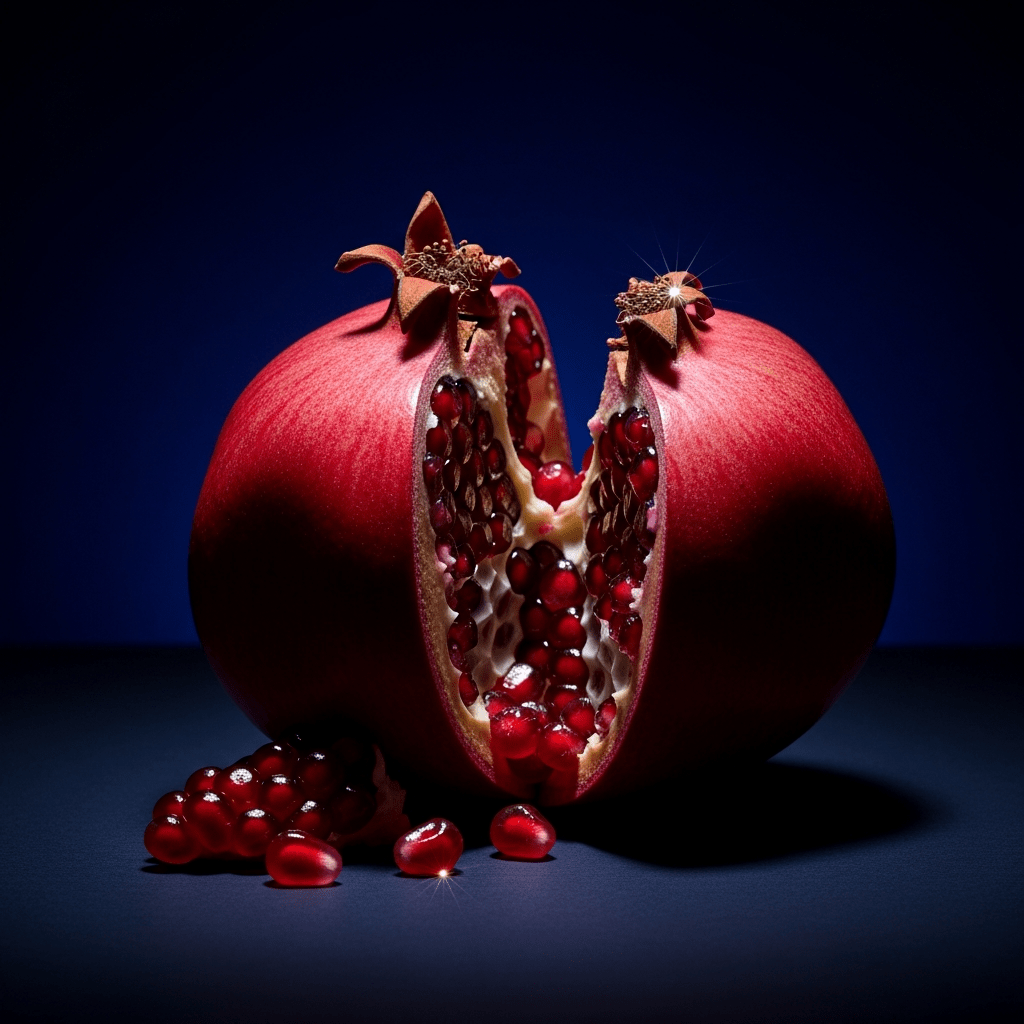
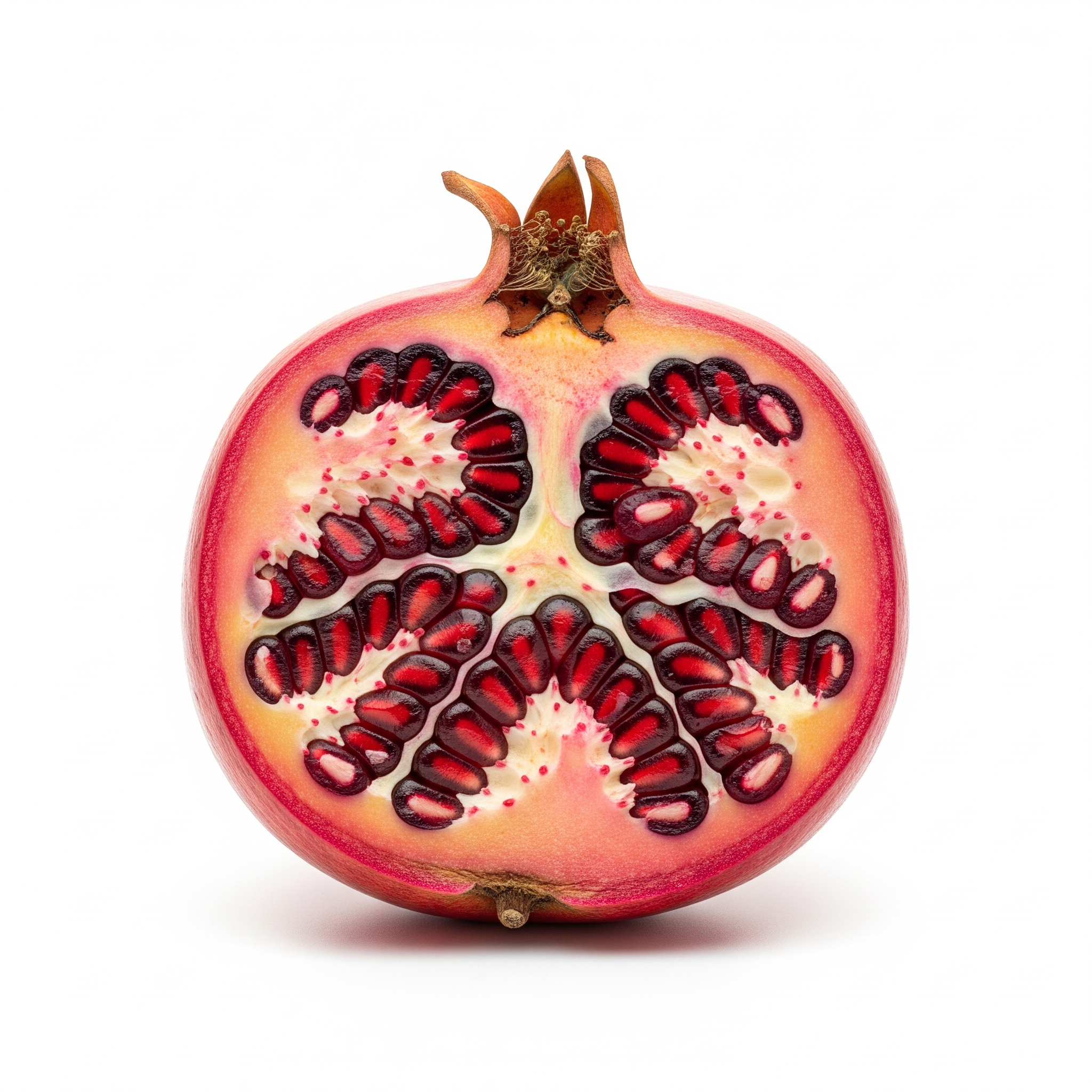
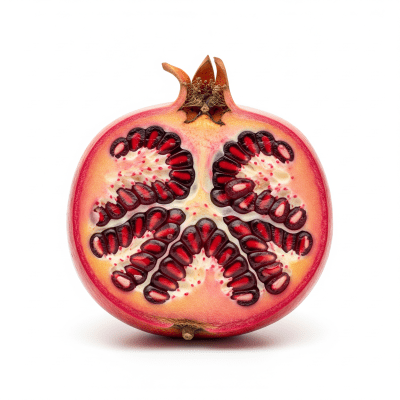
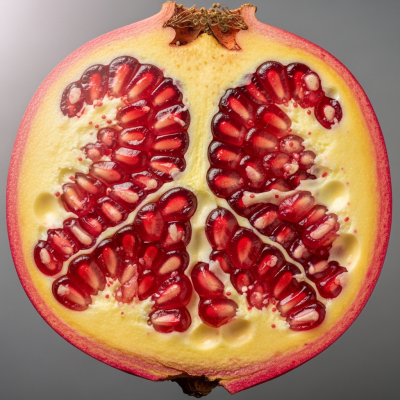
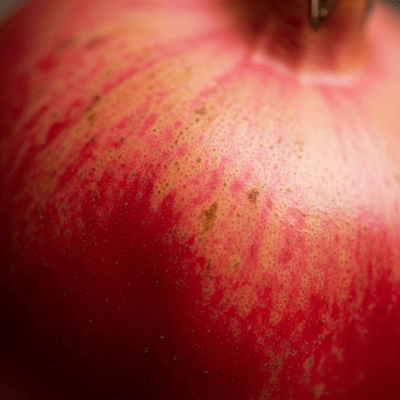
Pomegranates are typically spherical to slightly oblate, measuring 6–12 cm in diameter. Their tough, leathery rind ranges from yellowish-red to deep crimson, enclosing hundreds of glistening, ruby-red arils. Each aril contains a juicy sac surrounding a seed, embedded within a spongy white mesocarp. The fruit’s exterior is smooth and glossy, while the interior offers a striking contrast of vivid color and texture.
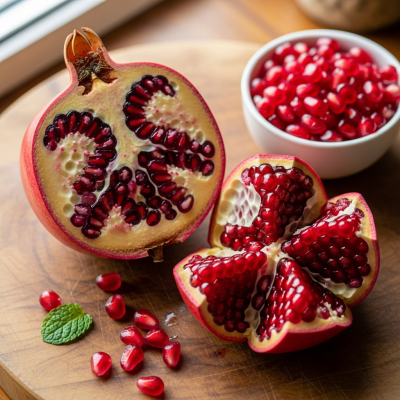
Pomegranate arils are enjoyed fresh, sprinkled atop salads, desserts, or eaten by hand. The fruit is widely processed into juice, syrups, molasses, jams, and even natural dyes. Its antioxidant-rich juice is marketed as a functional beverage, while seeds and peel find use in traditional medicine. Pomegranate’s resilience to drought and salinity makes it a valuable crop in arid regions, and its long storage life supports global trade.
Bring this kind into your world illustrated posters, mugs, and shirts.
Archival print, museum-grade paper
Buy Poster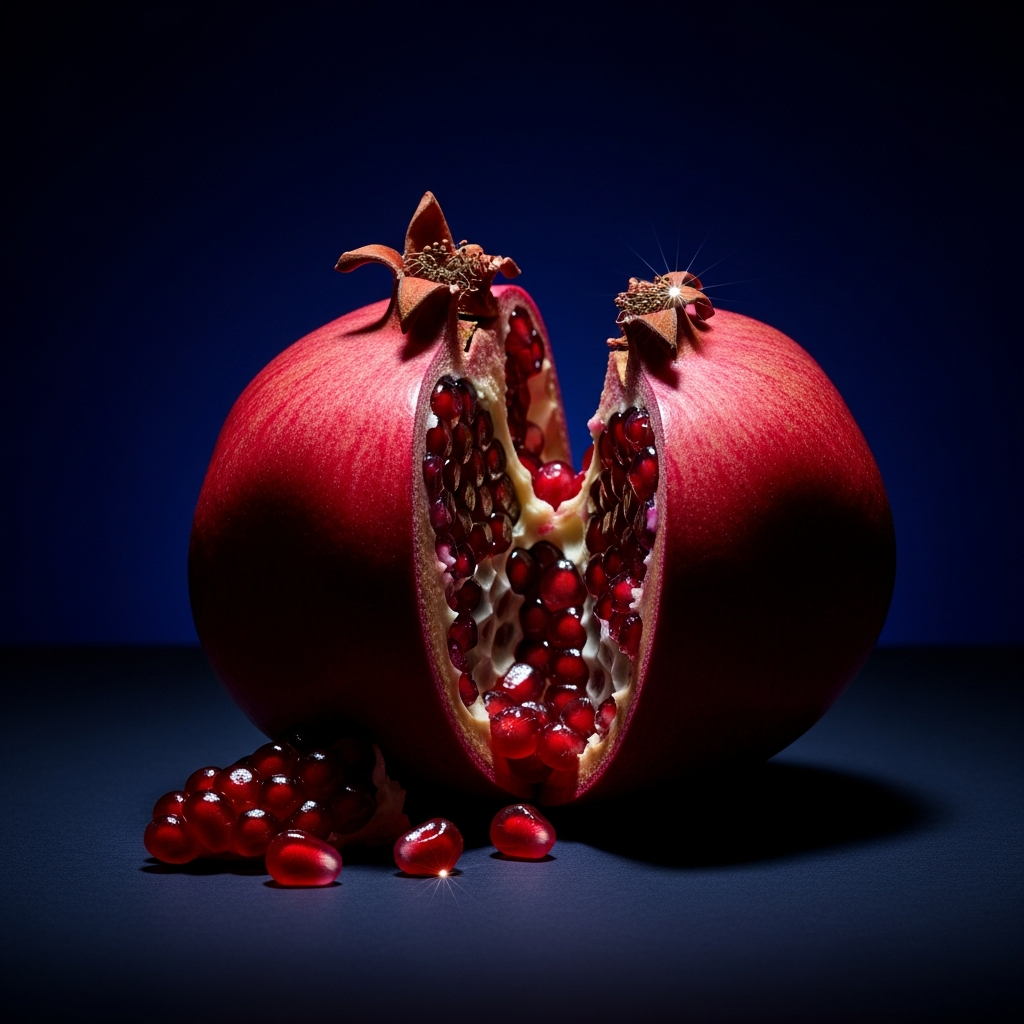
Stoneware mug, dishwasher safe
Buy Mug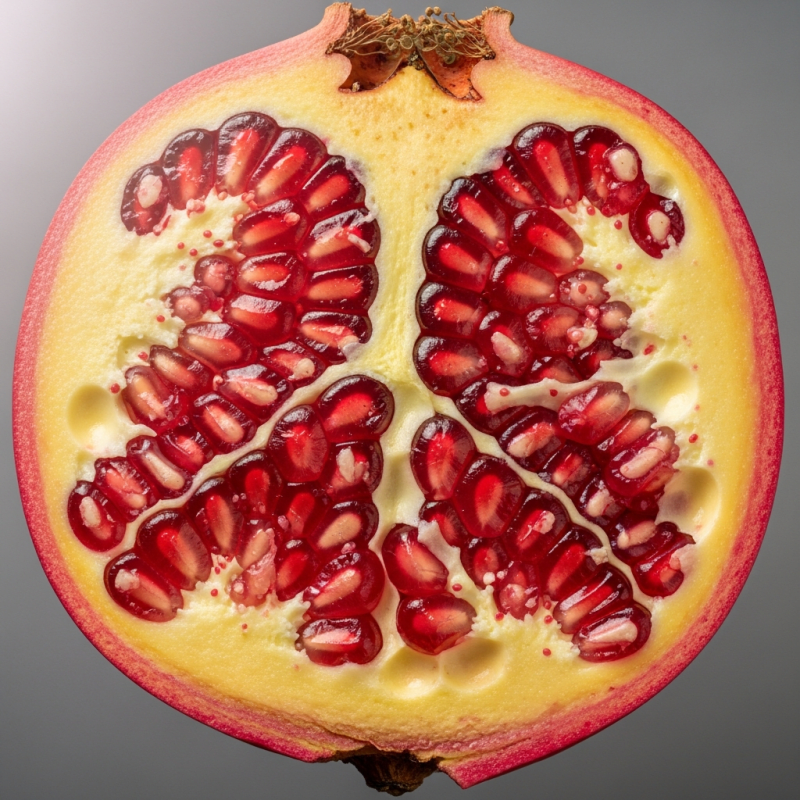
Soft cotton tee, unisex sizes
Buy ShirtThroughout history, the pomegranate has symbolized fertility, prosperity, and abundance in art, myth, and religion. It appears in ancient Persian, Greek, and Biblical texts, and is featured in religious ceremonies and decorative motifs across the Middle East, South Asia, and Mediterranean. Modern culture celebrates the fruit for its health benefits and aesthetic appeal, with its image adorning everything from textiles to jewelry.
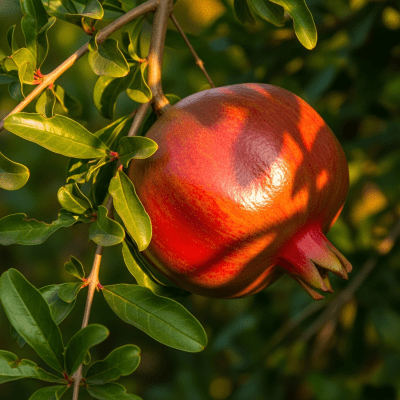
Pomegranate plants are deciduous, multi-stemmed shrubs or small trees reaching 5–10 meters in height. The fruit is a spherical berry with a leathery rind and hundreds of juicy arils inside. The plant is drought-tolerant, adapts to various soils, and is moderately resistant to salinity. Its flowers are bright red and tubular, often attracting pollinators. Pomegranates are susceptible to certain fungal diseases and pests but generally display robust growth in suitable climates.
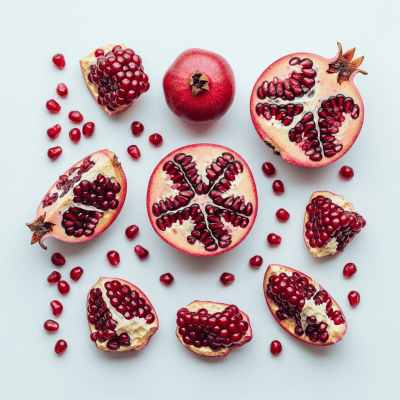
Pomegranate is celebrated for its high antioxidant content, particularly polyphenols such as punicalagins and anthocyanins. The arils provide vitamin C, vitamin K, folate, and potassium, while being low in calories and fat. Regular consumption supports cardiovascular health, immune function, and may help reduce inflammation. Its nutritional profile makes it a popular choice for health-conscious diets and functional beverages.
Pomegranate arils are enjoyed fresh, sprinkled over salads, yogurt, and desserts, or simply eaten by hand. The fruit is pressed for juice, which is used in beverages, marinades, and sauces. Pomegranate molasses and syrup are staples in Middle Eastern and Mediterranean cooking, adding tangy sweetness to savory dishes. The seeds and peel are sometimes used in spice blends, traditional medicine, and as natural colorants.
Pomegranates are grown in semi-arid to subtropical regions, favoring well-drained loam soils. Plants are propagated from cuttings or seeds and require minimal irrigation due to their drought tolerance. Commercial yields range from 20–40 tons per hectare, depending on cultivar and management. Harvest typically occurs when the rind turns deep red and the fruit feels heavy. Fruits are hand-picked to avoid bruising and can be stored for several months under cold conditions.
Pomegranate is cultivated commercially in countries such as India, Iran, the United States, Spain, and Afghanistan. The fruit is traded fresh, as juice, and in processed forms like molasses and syrup. Its long shelf life and resistance to bruising make it well-suited for export. Global demand is driven by both fresh consumption and the health beverage market, with major producers focusing on high-yield, disease-resistant cultivars.
Pomegranate varieties and uses vary widely by region. In India, 'Bhagwa' is favored for its soft seeds and vivid color, while Spain’s 'Mollar de Elche' is prized for sweetness. In the Middle East, pomegranate molasses is a culinary staple, and in Central Asia, the fruit is often used in traditional medicine. Local names such as "Anar," "Granada," "Rumman," and "Shi Liu" reflect the fruit’s widespread cultural integration and diverse culinary applications.