
Dragon Fruit
Dragon fruit is a vibrant tropical fruit known for its striking appearance, mildly sweet flavor, and impressive nutritional benefits.
Dragon fruit is a vibrant tropical fruit known for its striking appearance, mildly sweet flavor, and impressive nutritional benefits.
Native to Central America, specifically from southern Mexico to northern South America, dragon fruit was originally domesticated from wild climbing cacti. Its commercial journey began in its homeland but expanded rapidly in the late 20th century to Southeast Asia, where countries like Vietnam, Thailand, and the Philippines now lead in cultivation. Modern varieties have arisen through local selection and cross-breeding, with no single originator credited for its spread. Today, dragon fruit is a global crop celebrated for both its beauty and versatility.
Botanically, dragon fruit belongs to the cactus family Cactaceae, within the genus Hylocereus and species undatus. It is classified as a berry-type fruit, notable for its fleshy, seed-bearing structure that develops from the ovary of a flower. Dragon fruit is grouped with other edible fruits in the broader fruit taxonomy, but stands apart for its unique cactus lineage and tropical adaptation.
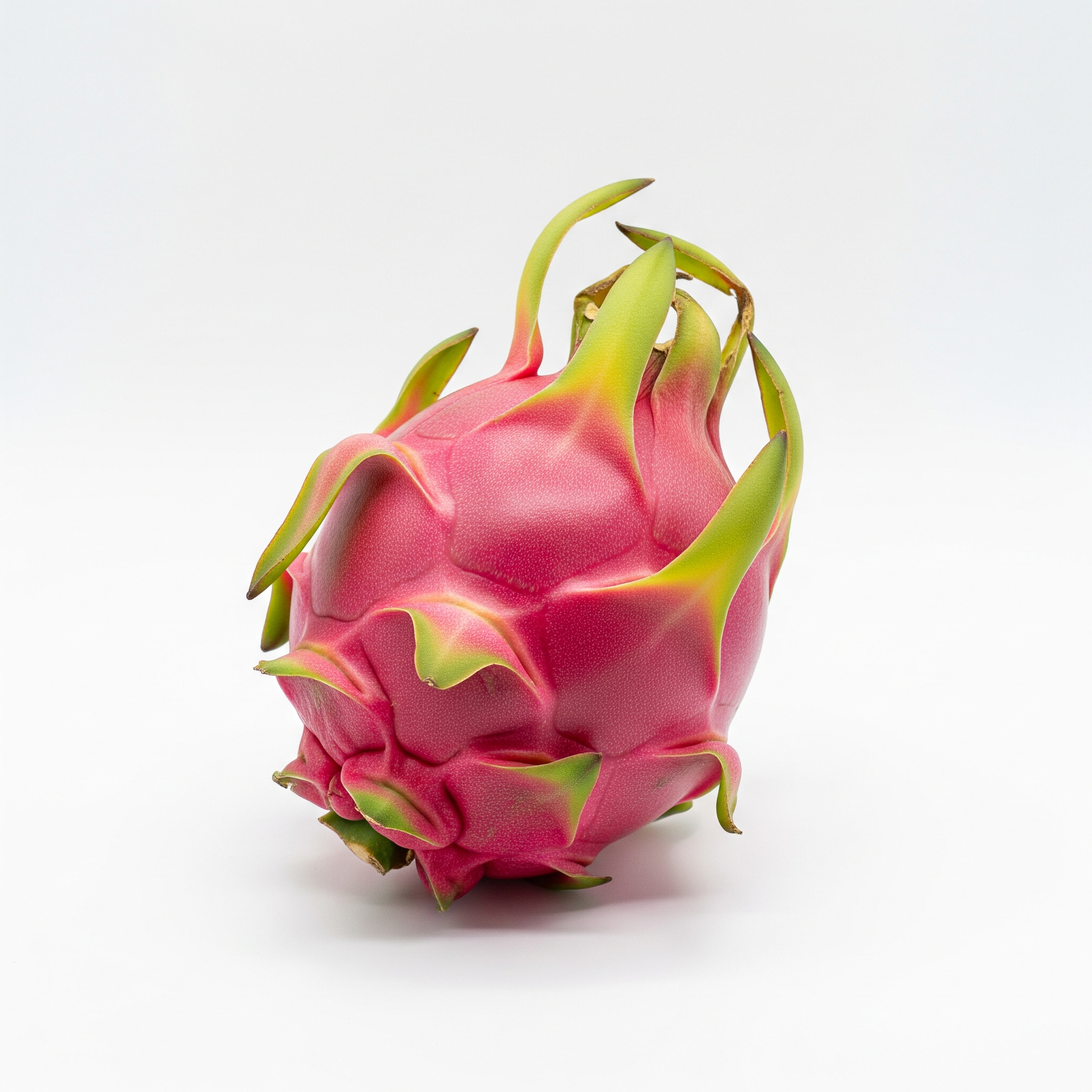
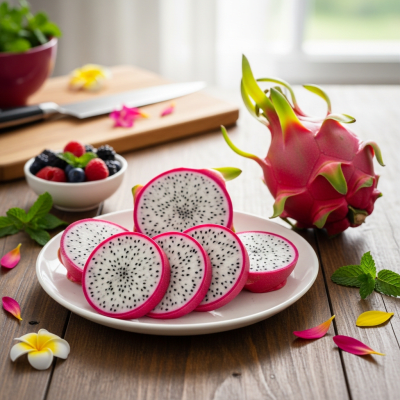
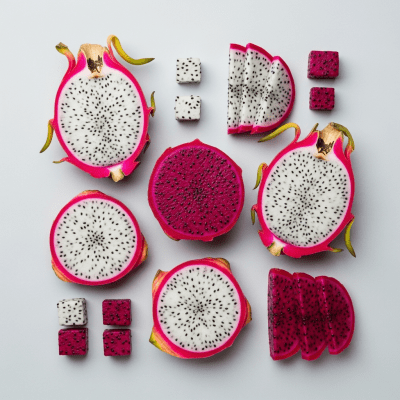
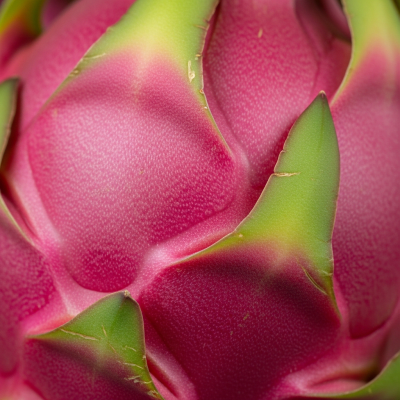
Dragon fruit captivates with its oval to oblong shape, weighing between 150 and 600 grams. Its leathery skin is bright pink or yellow, adorned with green-tipped scales that resemble a mythical dragon's hide. Inside, the flesh can be white or deep red, speckled with tiny black seeds. The texture is crisp and juicy, offering a refreshing bite, while the mild sweetness and subtle aroma make it appealing both visually and sensorially.
Dragon fruit is enjoyed fresh, often chilled and scooped straight from the skin. Its versatility shines in fruit salads, smoothies, desserts, and as a garnish. Beyond direct consumption, it is processed into juices, jams, and dried snacks. The fruit's mild flavor and vibrant color make it a favorite in Asian cuisines, and its nutritional profile has fueled its popularity among health-conscious consumers worldwide.
Bring this kind into your world illustrated posters, mugs, and shirts.
Archival print, museum-grade paper
Buy Poster
Stoneware mug, dishwasher safe
Buy Mug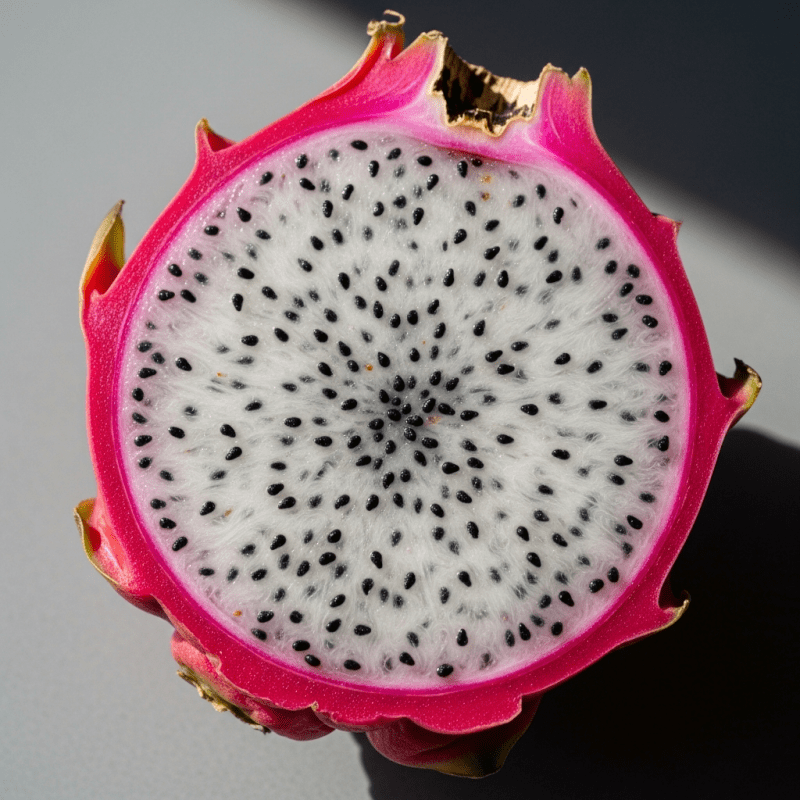
Soft cotton tee, unisex sizes
Buy ShirtDragon fruit holds symbolic and culinary importance in many cultures. In Vietnam, it is called "thanh long" and is featured in festive dishes and offerings. In China, known as 火龙果 (huǒ lóng guǒ), its dragon-like appearance is associated with luck and prosperity. The fruit's exotic look has made it a staple in contemporary art, social media, and culinary presentations, often representing tropical abundance and wellness.
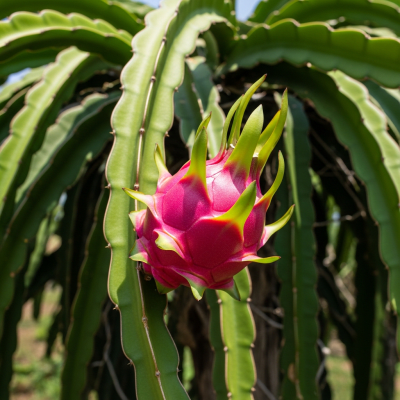
Dragon fruit grows on a climbing cactus with fleshy, triangular stems and large, nocturnal white flowers. The plant is perennial, drought-tolerant, but sensitive to frost. Fruits are oval or oblong, with leathery, brightly colored skin and green-tipped scales. The flesh is either white or red, dotted with small black seeds. Plants require support for optimal growth and are resilient to short dry spells, though they can be affected by fungal diseases and pests like mealybugs.
Dragon fruit is celebrated for its low calorie content and high nutritional value. It is an excellent source of vitamin C, dietary fiber, and antioxidants, which support immune health, digestion, and cellular protection. Its nutrient profile makes it a popular choice for those seeking a healthy, hydrating snack.
Dragon fruit is most commonly enjoyed fresh, scooped from the skin or sliced into salads. Its mild sweetness and crisp texture make it ideal for smoothies, desserts, and breakfast bowls. The fruit is also processed into juices, jams, and dried snacks, and is a favored ingredient in Asian cuisines for its color and flavor. Its versatility extends to creative culinary presentations, from vibrant salsas to decorative garnishes.
Dragon fruit is cultivated in tropical and subtropical regions, thriving in well-drained soils and warm climates. Plants require support structures to climb and flower at night, with fruits developing 30–50 days after flowering. Harvesting is done by hand, and yields can reach 10–30 tons per hectare under intensive management. The fruit is sensitive to frost and certain pests, requiring careful monitoring and disease management for optimal production.
Dragon fruit is a major export crop for Vietnam, Thailand, and Israel, with growing demand in Europe, North America, and China. Its exotic appearance and health benefits have fueled rising global interest. The fruit is traded under the name "dragon fruit" and is graded for quality based on size, color, and freshness. International trade continues to expand as consumers seek out novel and nutritious produce.
Dragon fruit is known by different names across regions—pitaya or pitahaya in Latin America and Southeast Asia, 火龙果 (huǒ lóng guǒ) in China, and thanh long in Vietnam. Regional varieties include red-fleshed and yellow-skinned types, each with distinct taste and appearance. Local culinary traditions influence how the fruit is prepared and enjoyed, with some regions favoring fresh consumption and others highlighting its use in drinks and desserts.