
Cranberry
The cranberry is a small, tart, red berry native to North America, renowned for its vibrant flavor, nutritional value, and versatility in culinary and medicinal applications.
The cranberry is a small, tart, red berry native to North America, renowned for its vibrant flavor, nutritional value, and versatility in culinary and medicinal applications.
Cranberries originated in the wetlands of northeastern North America, with wild populations thriving in regions spanning southern Canada to the northern United States. The journey from wild berry to commercial crop began in the early 19th century, notably in Massachusetts and New Jersey. Henry Hall is credited with establishing the first commercial cranberry bog around 1816, setting the stage for widespread cultivation and the development of improved cultivars over time.
Botanically, the cranberry belongs to the genus Vaccinium, species macrocarpon, and is classified as a true berry. It is part of the Ericaceae (heath) family, which also includes blueberries and lingonberries. Cranberries are distinguished from similar fruits like European cranberries (Vaccinium oxycoccos) and lingonberries (Vaccinium vitis-idaea), with each species having unique regional and botanical characteristics.
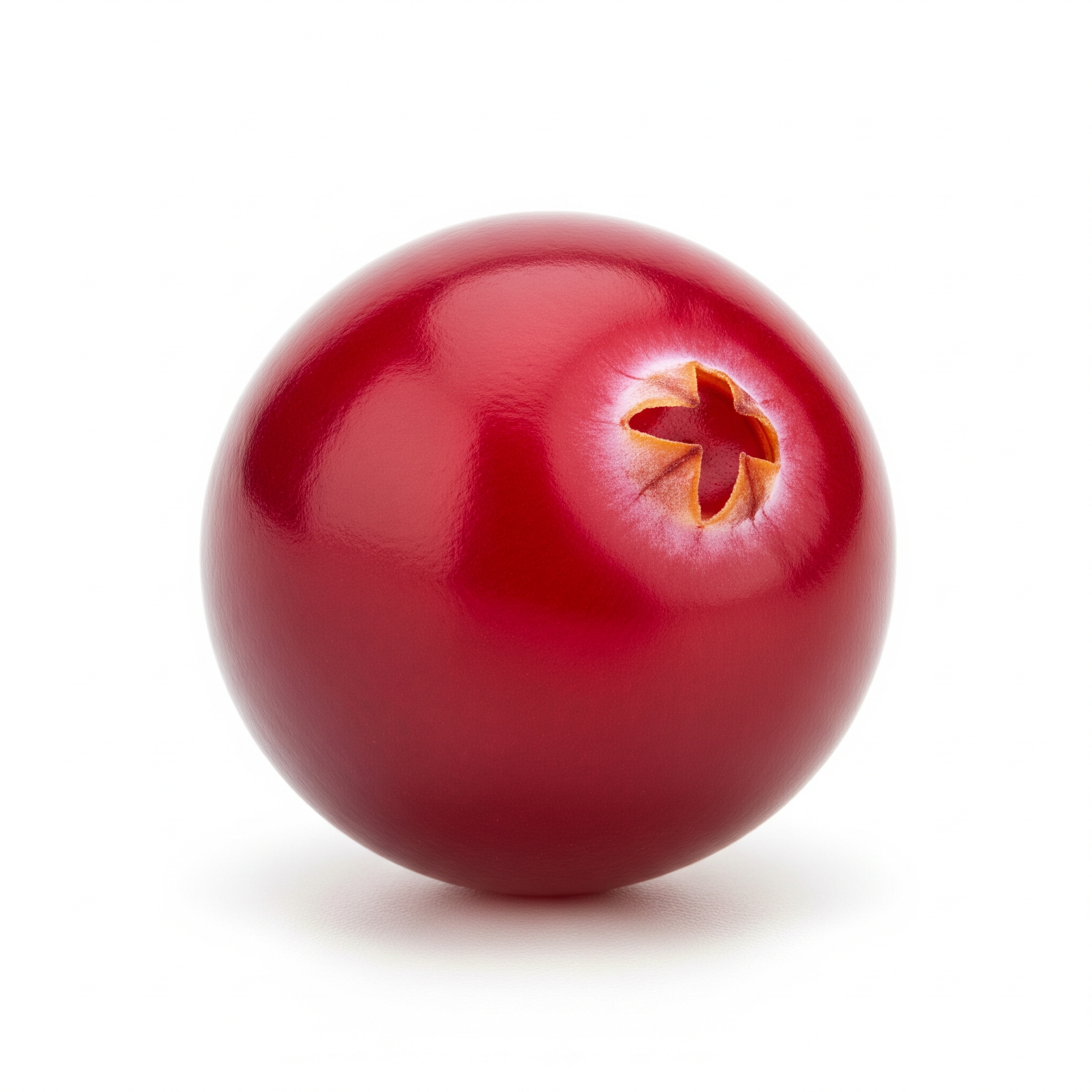
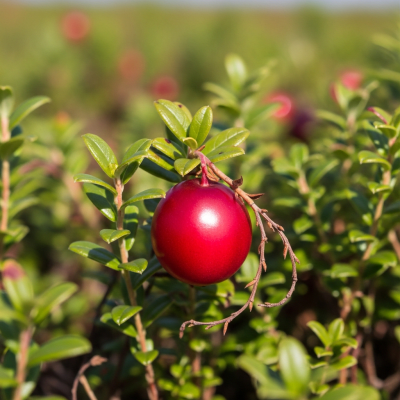
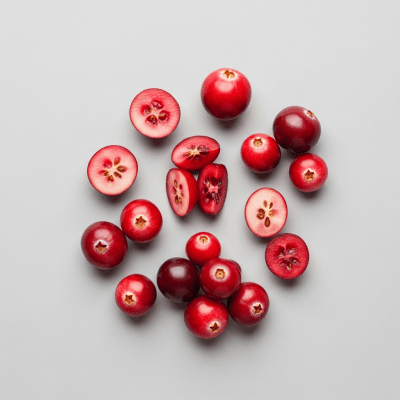
Cranberries are round to oval berries, typically 9–14 mm in diameter, with a glossy skin that transitions from green to a deep, vibrant red as they ripen. Their flesh is firm and juicy, delivering a pronounced tartness due to high acidity. The berries grow on low, trailing vines with slender stems and small, leathery evergreen leaves, creating a lush, carpet-like effect in bogs and marshes.
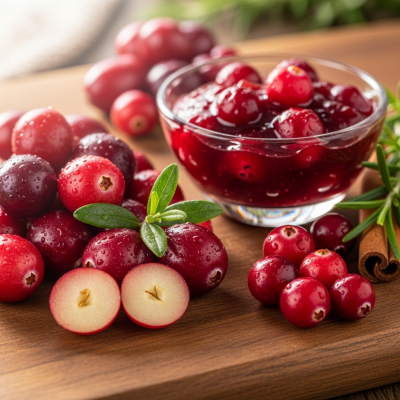
Cranberries are rarely eaten raw because of their intense tartness. Instead, they are widely enjoyed in processed forms—dried, juiced, or cooked into sauces, jams, and baked goods. Their high antioxidant and polyphenol content has made them popular for both nutritional and medicinal uses, particularly in products marketed for urinary tract health. In North America, cranberry sauce is a staple at holiday meals, especially Thanksgiving.
Bring this kind into your world illustrated posters, mugs, and shirts.
Archival print, museum-grade paper
Buy Poster
Stoneware mug, dishwasher safe
Buy Mug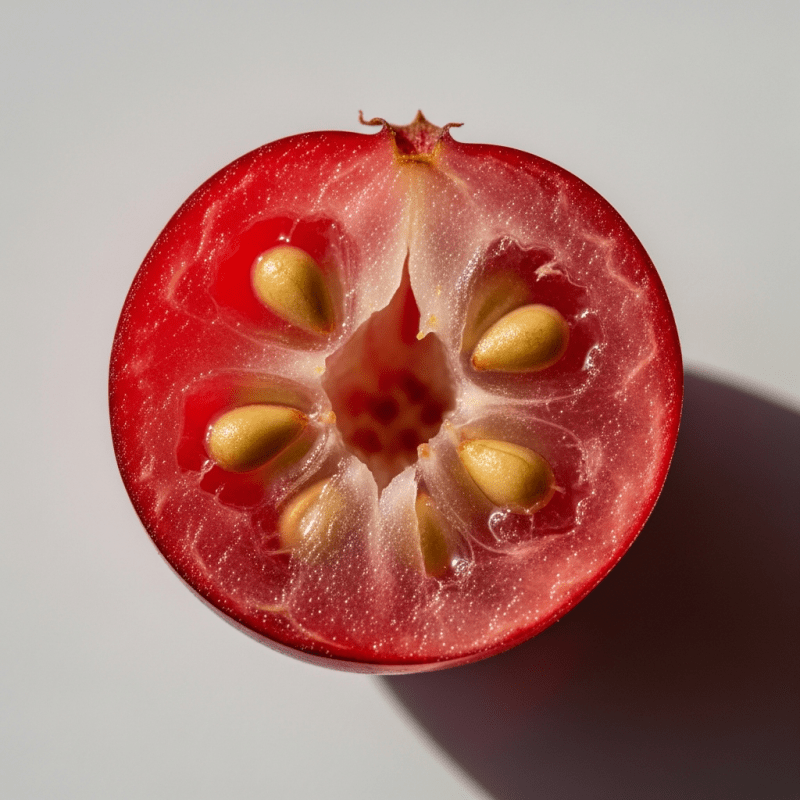
Soft cotton tee, unisex sizes
Buy ShirtCranberries hold a special place in North American culture, symbolizing autumn harvests and festive gatherings. They are deeply woven into Thanksgiving traditions, where cranberry sauce accompanies turkey and other poultry. Indigenous peoples have long valued cranberries for food, dye, and medicine, with traditional names like "sassamanesh" reflecting their cultural importance. The berry’s vivid color and tart flavor have also inspired art, folklore, and regional cuisine beyond its native range.
Cranberry plants are evergreen, low-growing shrubs or trailing vines, reaching heights of 10–20 cm. They feature slender stems and small, leathery leaves. The berries themselves are round to oval, transitioning from green to deep red as they ripen. Cranberries thrive in acidic, peat-rich soils and are well adapted to cold climates. Notable botanical traits include high antioxidant content and resistance to some pests, though the plants are susceptible to fungal diseases such as fruit rot.

Cranberries are celebrated for their nutritional profile, offering high levels of vitamin C, dietary fiber, and polyphenols. Their antioxidant content is significant, contributing to potential health benefits such as supporting urinary tract health and combating oxidative stress. Consuming cranberries, especially in minimally processed forms, can be a valuable addition to a balanced diet.
In the kitchen, cranberries shine in a variety of forms. They are commonly processed into juice, sauces, jams, and baked goods, lending their tart flavor and vibrant color to both sweet and savory dishes. Cranberry sauce is a traditional accompaniment to poultry, especially during Thanksgiving in North America. Dried cranberries are popular in salads, cereals, and trail mixes, while fresh cranberries are sometimes used in chutneys or relishes when sweetened.
Cranberries are cultivated in constructed bogs or marshes with acidic, peat-rich soils. The unique harvest process often involves flooding the bogs, allowing ripe berries to float for easy mechanical collection. Commercial yields average 10–20 metric tons per hectare, depending on cultivar and management practices. Disease management, particularly for fungal threats, is crucial for maintaining healthy crops and high yields.
The United States is the leading producer of cranberries, with major growing regions in Wisconsin, Massachusetts, New Jersey, and Oregon. Canada (particularly British Columbia and Quebec) and Chile also contribute significantly to global supply. Most cranberries are processed into juice, dried fruit, or sauces, with fresh berries representing a smaller share of the market. Trade names such as "fresh cranberries," "dried cranberries," and "cranberry juice" are common in international commerce.
In North America, "cranberry" refers to Vaccinium macrocarpon, while in Europe the name may denote Vaccinium oxycoccos, a related but smaller species. Lingonberries (Vaccinium vitis-idaea) are sometimes confused with cranberries but are botanically distinct. Indigenous peoples of North America have unique names and uses for cranberries, such as "sassamanesh" in Algonquin tradition. Regional preferences influence how cranberries are consumed, with sauces and juices more popular in North America and other processed forms favored elsewhere.