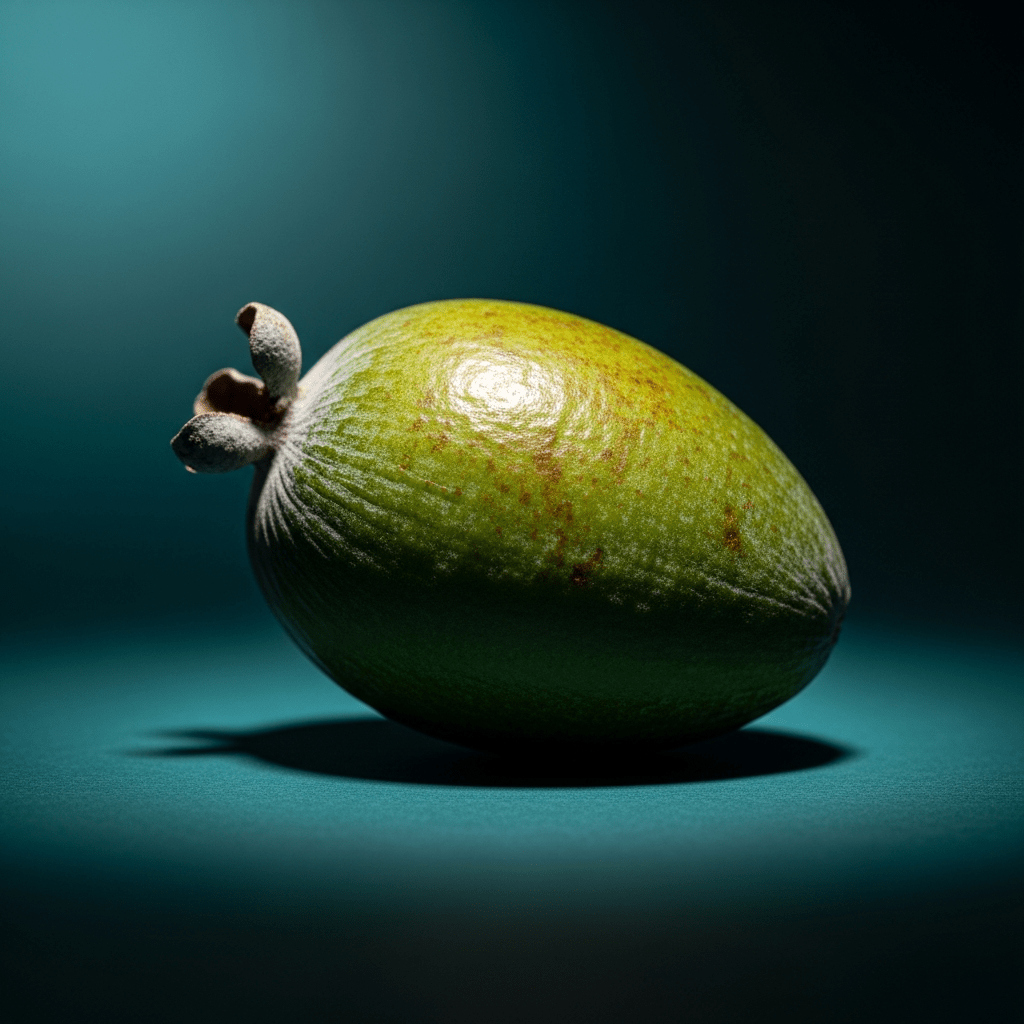
Feijoa
Feijoa (Acca sellowiana) is an aromatic, green, egg-shaped fruit native to South America, celebrated for its sweet-tart flavor and versatility in fresh and processed culinary uses.
Feijoa (Acca sellowiana) is an aromatic, green, egg-shaped fruit native to South America, celebrated for its sweet-tart flavor and versatility in fresh and processed culinary uses.
Feijoa originated in the highlands of southern Brazil, eastern Paraguay, Uruguay, and northern Argentina. First described in the mid-19th century by botanist Otto Karl Berg, the species was introduced to cultivation beyond its native range in the early 20th century, notably in New Zealand, where selective breeding produced improved commercial varieties. Its journey from South American wild shrub to a globally cultivated fruit highlights its adaptability and appeal.
Feijoa belongs to the Myrtaceae family and is botanically classified as a fleshy berry. Its accepted scientific name is Acca sellowiana, previously known as Feijoa sellowiana. As an evergreen shrub or small tree, feijoa fits squarely within the fruits taxonomy, sharing characteristics with other edible berries and orchard crops.
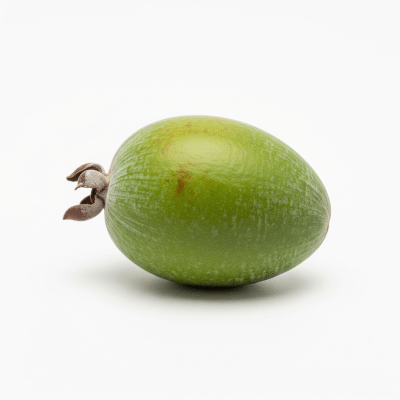
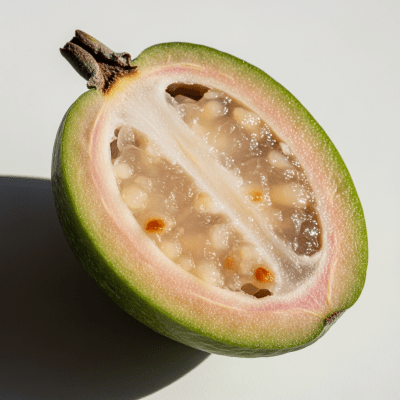
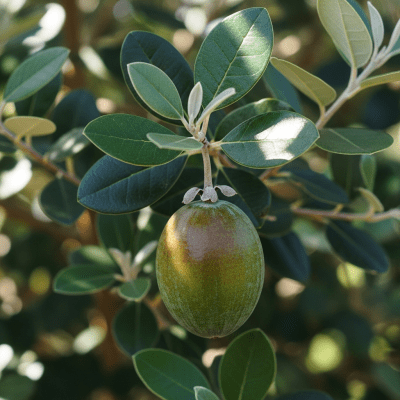
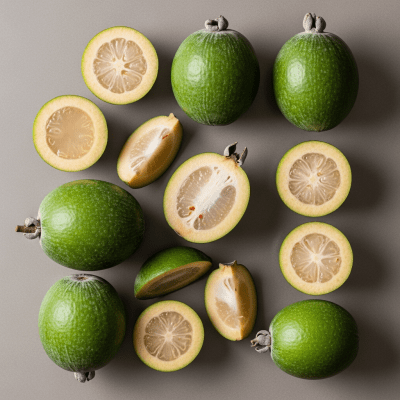
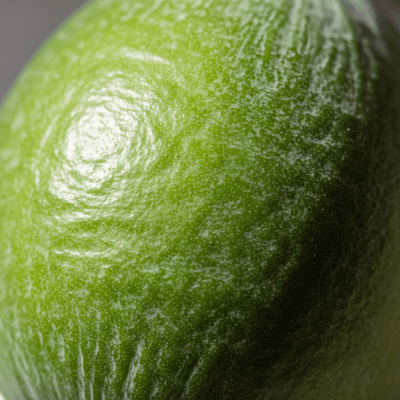
Feijoa fruit is oval to oblong, typically 3–8 cm long, with a vibrant green, slightly granular skin. When cut open, it reveals a translucent, jelly-like pulp dotted with small seeds. The plant itself is a compact, evergreen shrub or tree with thick, elliptic leaves that are silvery-green underneath. Its distinctive fragrance and smooth, tart-sweet flesh make it instantly recognizable among tropical and temperate fruits.
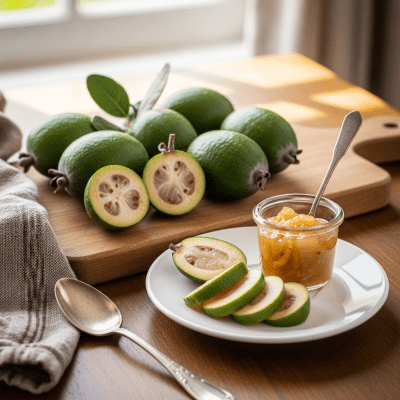
Feijoa is primarily consumed fresh, with the pulp scooped directly from the skin. It is also widely processed into jams, jellies, chutneys, beverages, and baked goods. The fruit is sensitive to bruising and has a short shelf life, making careful handling essential. Feijoa flowers are edible and sometimes used in salads, while the fruit’s aromatic qualities lend themselves to flavor extracts and essential oils in niche applications.
Bring this kind into your world illustrated posters, mugs, and shirts.
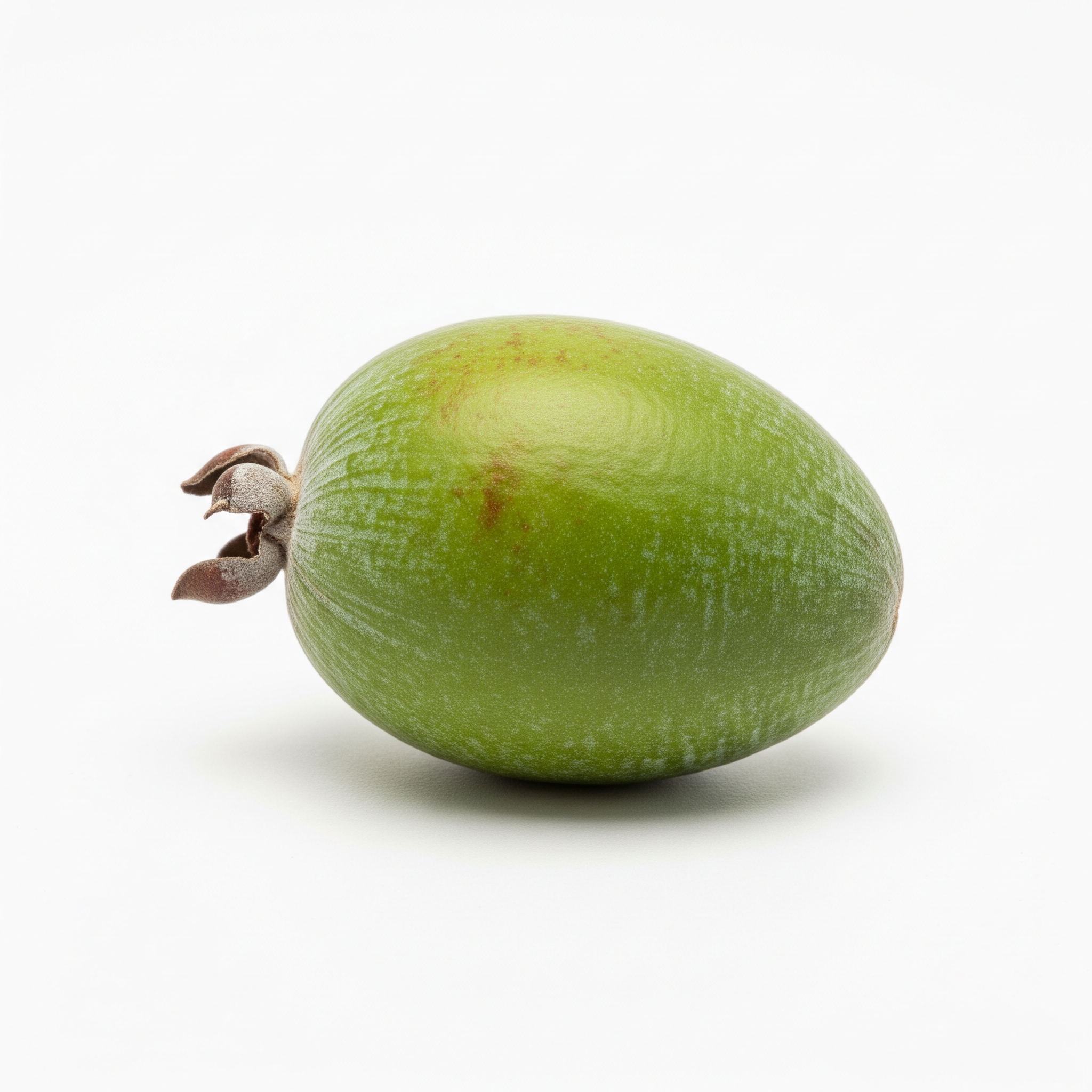
Archival print, museum-grade paper
Buy Poster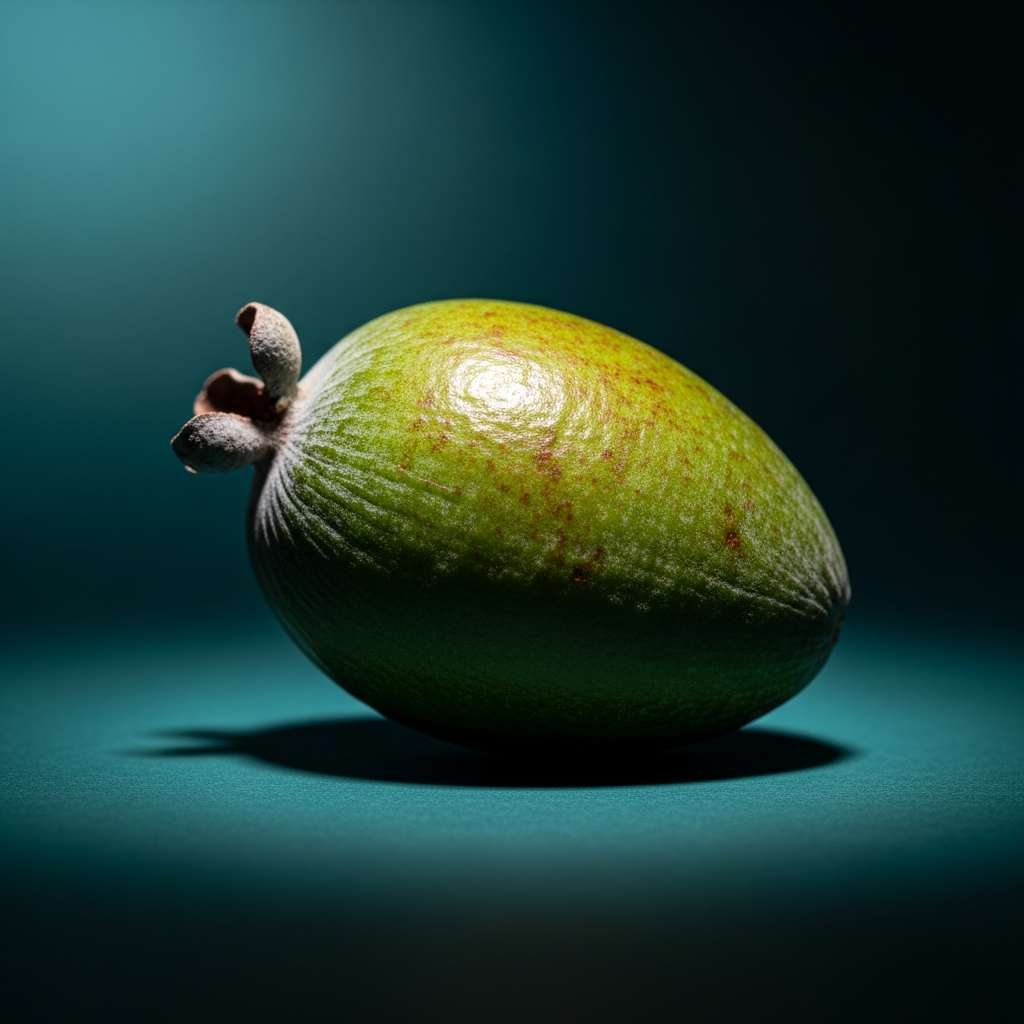
Stoneware mug, dishwasher safe
Buy Mug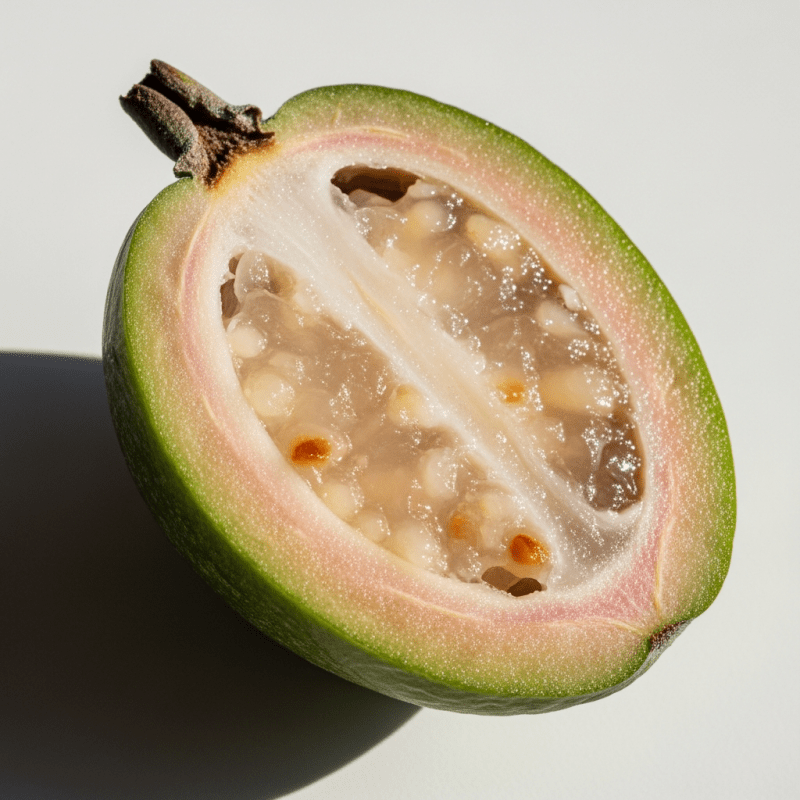
Soft cotton tee, unisex sizes
Buy ShirtFeijoa holds a special place in New Zealand’s culinary culture, where it is a seasonal highlight and inspires festivals, recipes, and local lore. Its unique flavor and fragrance have made it a cherished ingredient in desserts and preserves, and its edible flowers occasionally feature in creative cuisine. While less prominent in art or myth, feijoa’s rise from South American origins to international popularity reflects its cultural resonance in regions where it is cultivated and celebrated.
Feijoa is a nutrient-rich fruit, notable for its high vitamin C content and dietary fiber. It also provides moderate amounts of potassium and antioxidants, making it a popular choice for health-conscious consumers seeking immune support and digestive benefits.
Several commercial cultivars of feijoa have been developed, especially in New Zealand. Notable varieties include Apollo, Gemini, and Unique—the latter selected in the 1960s for its superior fruit quality and yield. Each cultivar offers subtle differences in flavor, size, and growth habit, catering to diverse consumer and grower preferences.
Feijoa is typically harvested in late autumn to early winter, with peak availability from March to June in the Southern Hemisphere. In regions like New Zealand and Australia, feijoa season is a much-anticipated event, while limited quantities are exported to Europe and other temperate zones during their respective harvest periods.
New Zealand stands out as a major commercial producer and breeder of feijoa, followed by Australia and countries within its native South American range.
Feijoa’s aromatic flavor makes it a versatile ingredient in both sweet and savory dishes.
Feijoa fruit is delicate and should be handled gently to avoid bruising. Store feijoas in the refrigerator to extend shelf life, but consume within one to two weeks for optimal freshness. Allow underripe fruit to ripen at room temperature; ripe feijoas yield slightly to gentle pressure and emit a fragrant aroma.
Feijoa offers several health benefits, including supporting immune function through its high vitamin C content, aiding digestion with dietary fiber, and providing antioxidants that may help protect against cellular damage. Its low calorie count and nutrient density make it a wholesome addition to a balanced diet.
Feijoa is known by various names across regions, reflecting its international cultivation and popularity.