Tangerine
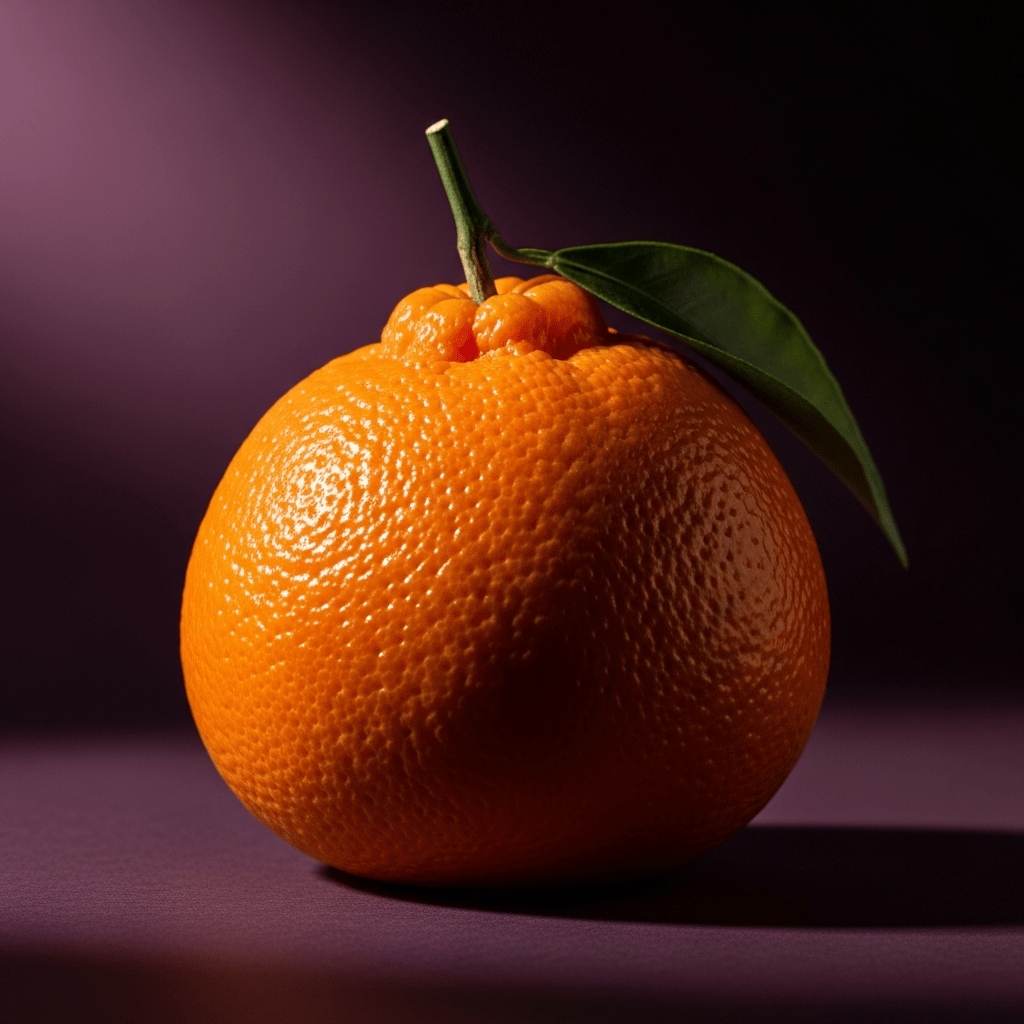
The tangerine is a small, sweet citrus fruit prized for its easy-to-peel skin and vibrant flavor, making it a favorite for fresh eating and culinary use worldwide.
The tangerine is a small, sweet citrus fruit prized for its easy-to-peel skin and vibrant flavor, making it a favorite for fresh eating and culinary use worldwide.
Tangerines trace their origins to Southeast Asia, with ancient cultivation documented in China and Japan. The species Citrus reticulata was first described botanically in this region, and the fruit’s journey to the West is reflected in its name—'tangerine'—which references Tangier, Morocco, a key port for European imports in the 19th century. Today’s tangerines descend from wild populations native to northeastern India, southern China, and Indochina, with modern cultivars bred globally by agricultural institutions and commercial growers.
Botanically, the tangerine belongs to the Rutaceae family and is classified as Citrus reticulata. It is a member of the broader mandarin group, which encompasses various cultivars and hybrids. While 'mandarin' often refers to the species as a whole, 'tangerine' is commonly used for certain hybrids and varieties, especially in North America. This fruit is part of the citrus type, characterized by segmented, juicy flesh and aromatic oils in the rind.
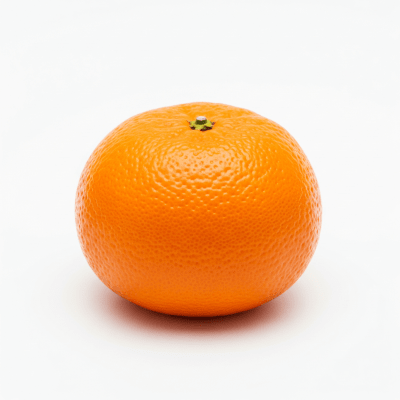
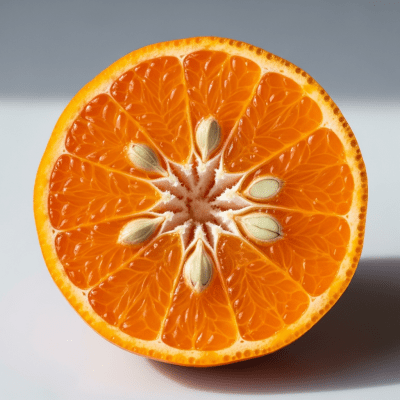
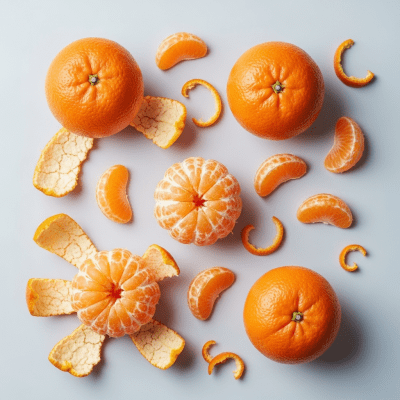
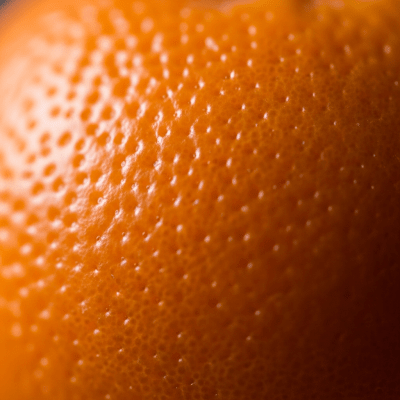
Tangerines are typically small to medium-sized, measuring 5–8 cm in diameter, with a flattened spherical shape. Their thin, deep orange to reddish-orange rind is loosely attached, making the fruit exceptionally easy to peel by hand. Inside, the flesh is divided into juicy, sweet segments with low acidity, offering a bright, refreshing taste and a fragrant aroma. The fruit’s vibrant color and glossy skin make it visually appealing both on the tree and at market.
Most often enjoyed fresh due to their sweetness and convenience, tangerines are also widely used in juices, preserves, and desserts. Their segments can be canned, and the dried peel is valued in traditional medicine and cooking. The fruit’s portability and lack of seeds in some cultivars make it a popular snack for children and adults alike, while its festive associations see it featured in celebrations such as Chinese New Year.
Bring this kind into your world illustrated posters, mugs, and shirts.
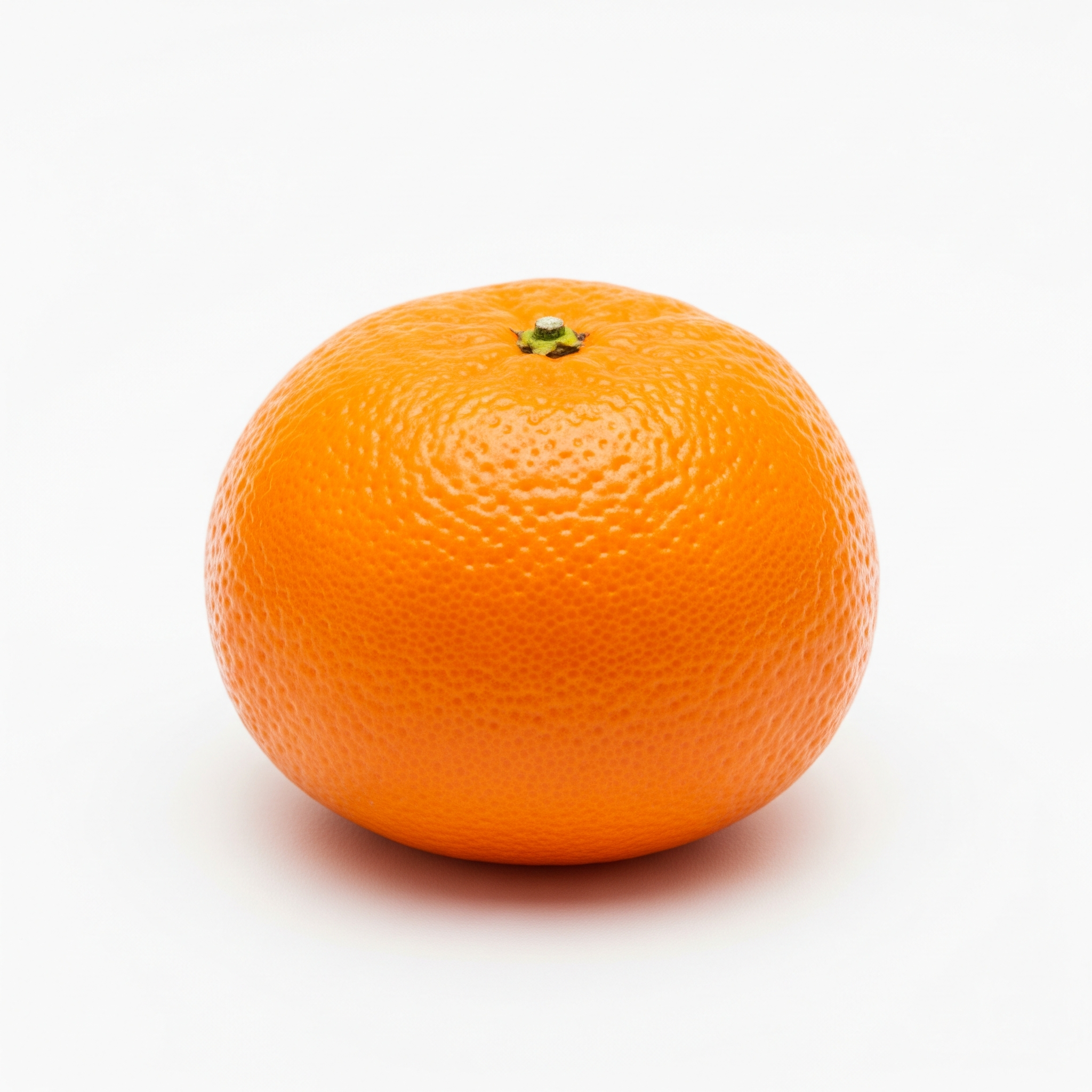
Archival print, museum-grade paper
Buy Poster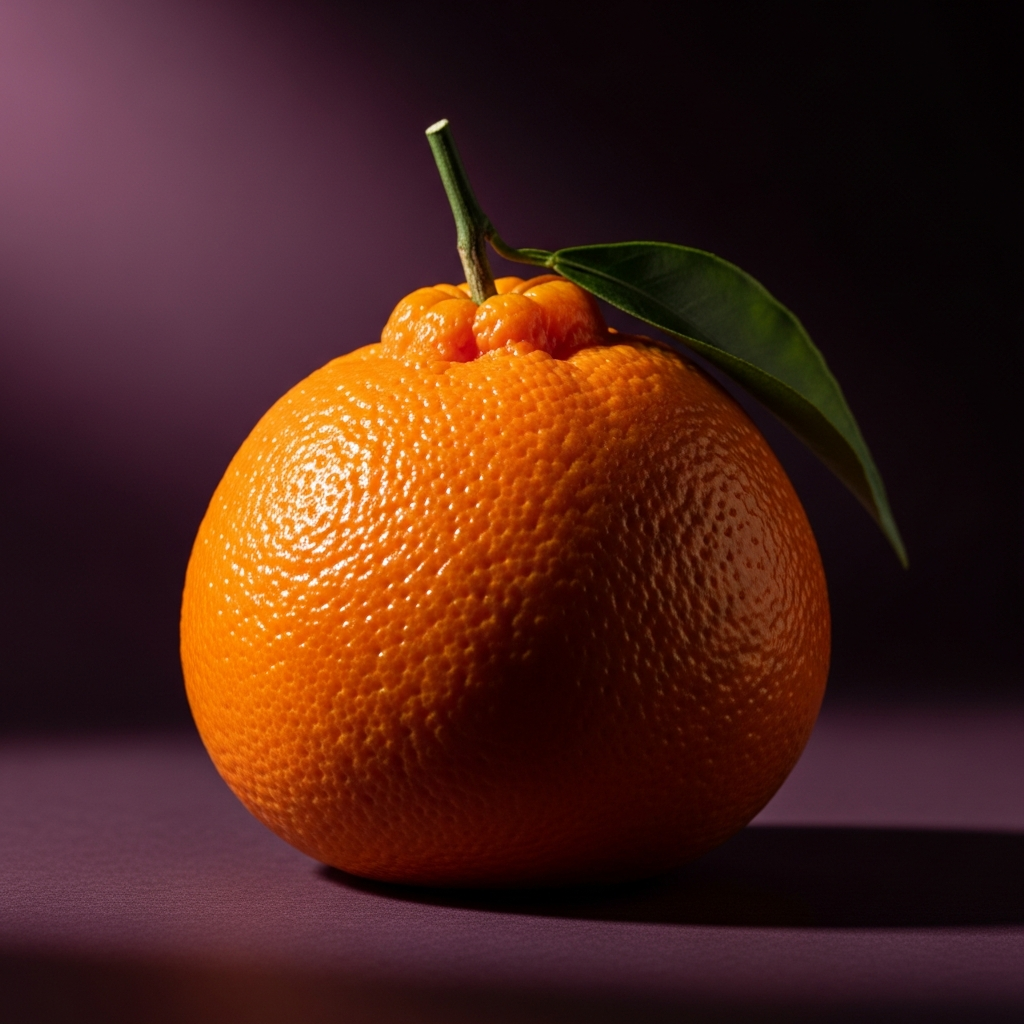
Stoneware mug, dishwasher safe
Buy Mug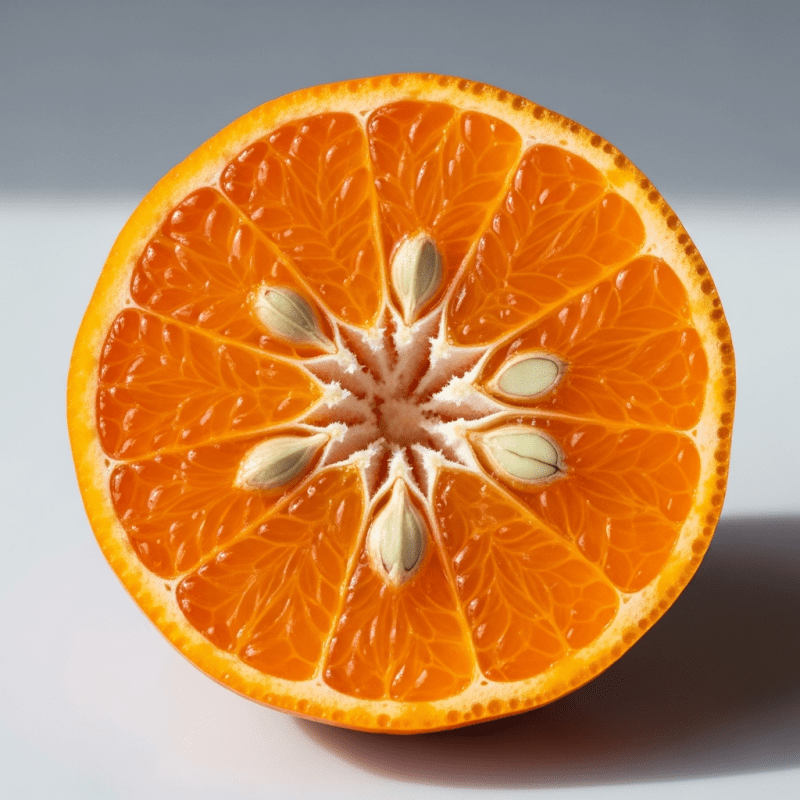
Soft cotton tee, unisex sizes
Buy ShirtTangerines hold special cultural meaning in many societies. In China, they symbolize prosperity and good fortune, often exchanged during New Year festivities. The fruit’s bright color and sweet taste have made it a motif in art and literature, representing abundance and joy. Regional names—such as 'naartjie' in South Africa or 'satsuma' in Japan—reflect its integration into local traditions and cuisines.
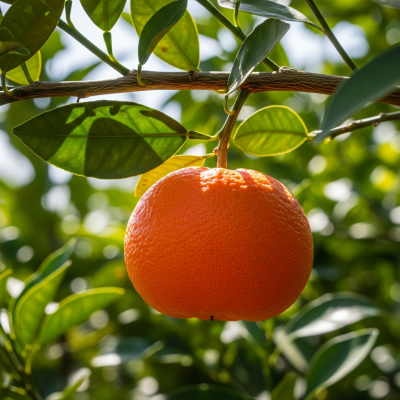
Tangerine trees are evergreen, reaching heights of 2–4 meters. The fruit matures from late autumn to winter, following spring flowering. Their thin, aromatic rind is easily separated from the segmented, juicy flesh. Commercial orchards yield 20–40 kg of fruit per tree annually. Some cultivars show resistance to citrus canker, though the species is susceptible to citrus greening disease.

Tangerines are an excellent source of vitamin C, supporting immune health and skin vitality. They provide dietary fiber for digestive wellness and contain antioxidants that help combat oxidative stress. With low calorie content and a sweet flavor, tangerines make a healthy, refreshing snack for all ages.
Fresh tangerines are enjoyed out of hand, prized for their ease of peeling and sweet segments. They are also juiced, canned, or used in preserves, marmalades, and desserts. Dried tangerine peel features in traditional medicine and Asian cooking, while candied tangerine is a popular confection. Seedless cultivars are especially favored for snacking and lunchboxes.
Tangerines thrive in warm, subtropical climates and are moderately sensitive to cold. Trees flower in spring, with fruit maturing from late autumn into winter. Commercial orchards manage yields through careful irrigation, pruning, and pest control. Harvesting is typically done by hand to avoid damaging the delicate skin, and disease management is crucial, especially for citrus greening.
Tangerines are a major commercial fruit, traded globally with leading producers in China, Spain, Brazil, and the United States. Their popularity drives robust international trade, with demand for both fresh fruit and processed products like juice and canned segments. Grading and packing standards ensure quality for export markets, and the fruit’s seasonal availability influences global supply chains.
Regional naming and cultivar preferences vary widely. In North America, 'tangerine' often refers to several Citrus reticulata hybrids, while 'mandarin' is used more broadly elsewhere. 'Satsuma' is popular in Japan for its seedless fruit and cold resistance, and 'naartjie' is the preferred term in South Africa. These distinctions reflect local traditions, climate adaptations, and market demands.