Bread

40 kinds of bread described and visualized

Bread is a fundamental staple food made primarily from flour and water, often leavened and baked or cooked by various methods, forming a cornerstone of diets worldwide. It encompasses a vast range of types and styles, reflecting diverse cultural traditions and culinary techniques.

A collection from Kinds Of - designing the world’s structured knowledge

Kinds of Bread

Origin Story

The origins of bread trace back thousands of years to early human societies that discovered the transformative power of grinding grains and cooking dough. Initially simple unleavened flatbreads, bread evolved alongside agriculture and civilization, spreading across continents and adapting to local grains, climates, and customs. Its development marks a pivotal moment in human history, symbolizing sustenance and community.

Classification

Bread belongs to a broad family of grain-based foods defined by their preparation from flour and water, often leavened and cooked by baking, steaming, or frying. It is classified by leavening method—such as yeast-leavened, sourdough, chemical leavening, or unleavened—alongside cooking techniques and form. Styles range from flatbreads like naan and pita to leavened loaves like baguettes and sourdough, each reflecting regional and ingredient variations.

Appearance or Form

Bread’s appearance varies widely, from thin, pliable flatbreads to tall, crusty loaves and soft, rounded rolls. Textures can range from chewy and dense to light and airy, often influenced by ingredients and fermentation. Colors span pale ivory to deep brown, shaped by grain types and baking methods. Its sensory qualities—aroma, crust crispness, crumb structure—are central to its appeal and identity.

Behavior or Usage

Bread serves as a versatile food, commonly consumed as a staple or side dish across cultures. It functions as a carrier for spreads, fillings, and accompaniments, or as a base for sandwiches and snacks. Beyond nourishment, bread’s preparation and consumption involve rituals and social customs, with artisanal and industrial production methods coexisting to meet diverse needs.

Buy the Collection

See how the Bread edition appears in two poster formats.

Focaccia

Focaccia

Focaccia is a traditional Italian flatbread known for its soft, airy crumb and golden, crisp crust, enriched generously with olive oil and often adorned with herbs or toppings.

Ezekiel Bread

Ezekiel Bread

Ezekiel Bread is a dense, nutrient-rich sprouted grain bread inspired by an ancient biblical recipe, celebrated for its wholesome blend of whole grains and legumes.

Barmbrack

Barmbrack

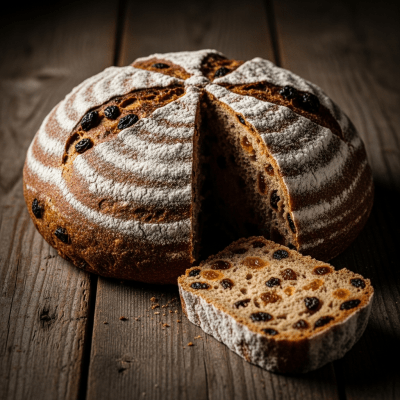
Barmbrack is a traditional Irish yeast-leavened bread studded with dried fruits, known for its lightly sweet flavor and its special role in Halloween customs.

Mantou

Mantou

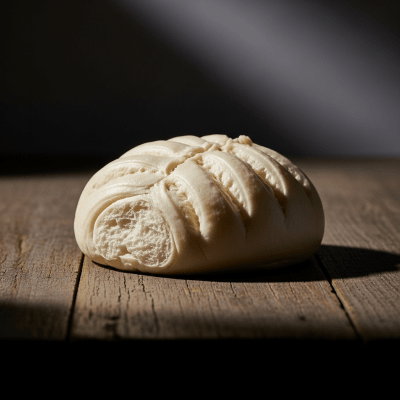
Mantou is a traditional Chinese steamed bread known for its soft, pillowy texture and neutral flavor, serving as a staple food especially in northern China.

Pan de Muerto

Pan de Muerto

Pan de Muerto is a traditional Mexican sweet bread, uniquely shaped and decorated to honor the deceased during Día de los Muertos (Day of the Dead) celebrations.

Ciabatta

Ciabatta

Ciabatta is an Italian white bread known for its rustic, elongated shape and open, airy crumb that delivers a chewy texture prized in sandwiches and table bread.

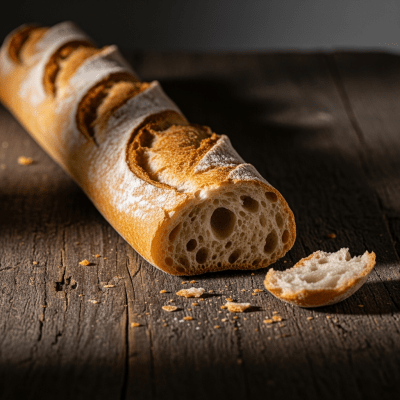
Baguette

Baguette

The baguette is a long, thin loaf of French bread known for its crisp golden crust and airy, chewy interior, embodying simplicity and versatility in daily French cuisine.

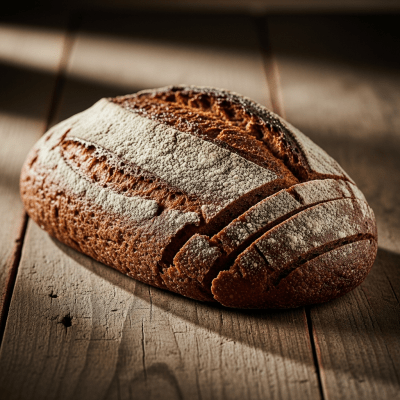
Rye Bread

Rye Bread

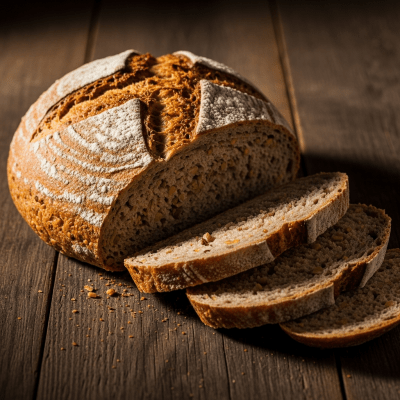
Rye bread is a dense, dark bread made primarily from rye flour, prized for its robust flavor and long-lasting freshness.

Whole Wheat Bread

Whole Wheat Bread

Whole wheat bread is a leavened bread made primarily from whole wheat flour, known for its dense texture, robust flavor, and higher nutritional value compared to white bread.

Baozi

Baozi

Baozi is a traditional Chinese steamed bread bun known for its soft, fluffy texture and round, closed shape, typically filled with savory or sweet ingredients.

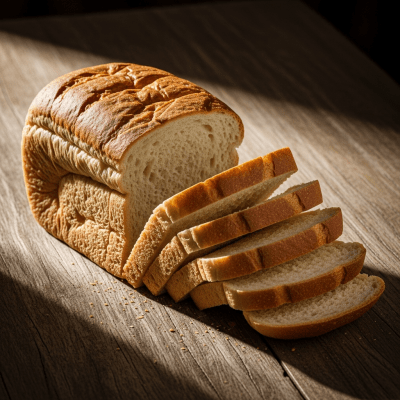
White Bread

White Bread

White bread is a soft, leavened wheat bread made from refined flour, known for its pale crumb, mild flavor, and widespread use as a staple for sandwiches and toasting worldwide.

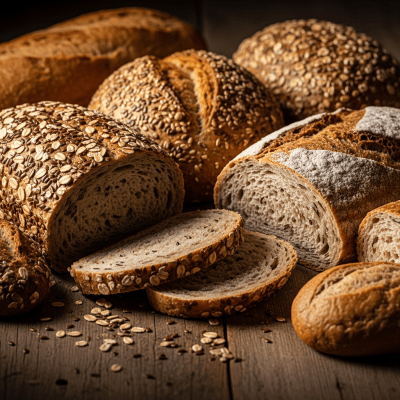
Multigrain Bread

Multigrain Bread

Multigrain bread is a wholesome bread variety made from two or more types of grain flours, celebrated for its rich flavor and enhanced nutritional profile compared to single-grain breads.

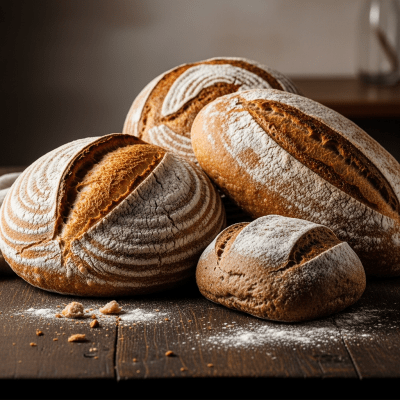
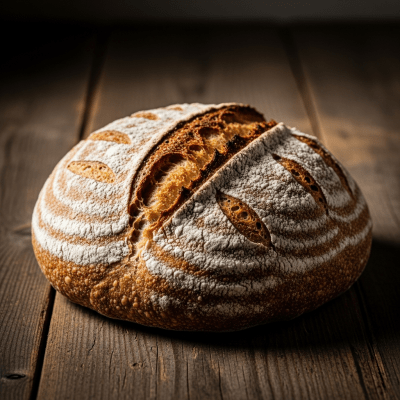
Sourdough Bread

Sourdough Bread

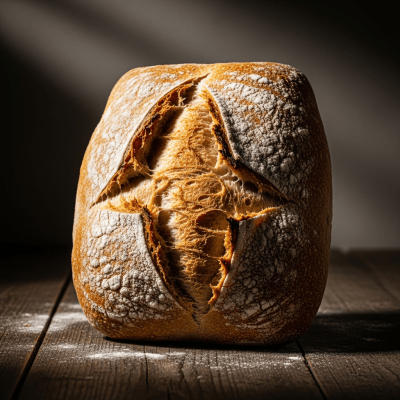
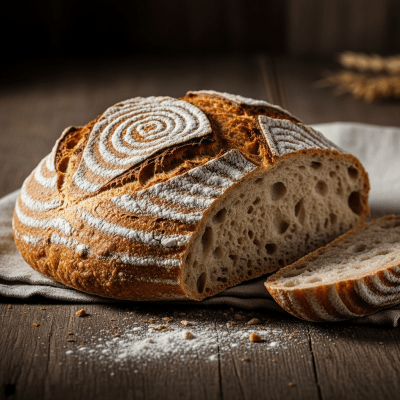
Sourdough bread is a naturally leavened bread made using wild yeast and lactic acid bacteria, known for its distinctive tangy flavor, chewy texture, and crusty exterior.

Brioche

Brioche

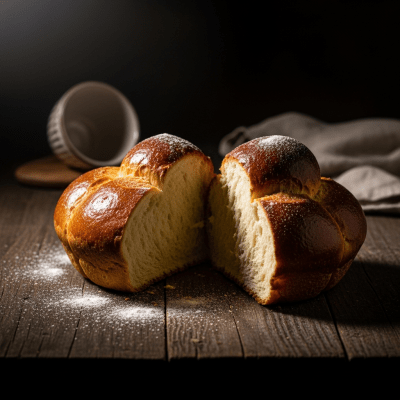
Brioche is a classic French enriched bread known for its tender, airy crumb and rich flavor, achieved through a high content of butter and eggs.
Cornbread

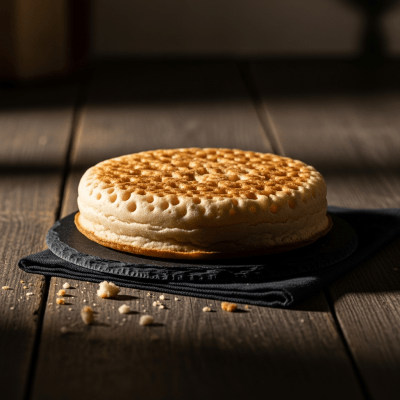
Cornbread

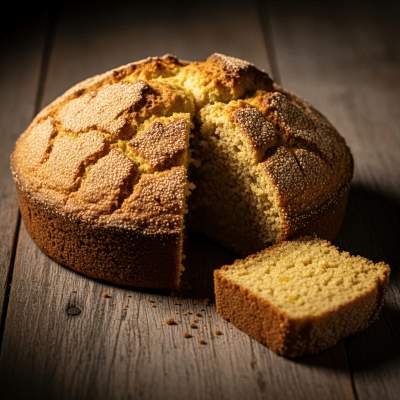
Cornbread is a quick bread native to North America, primarily made from cornmeal and chemically leavened to produce a tender, crumbly texture with a distinctive mildly sweet or savory flavor.
Roll

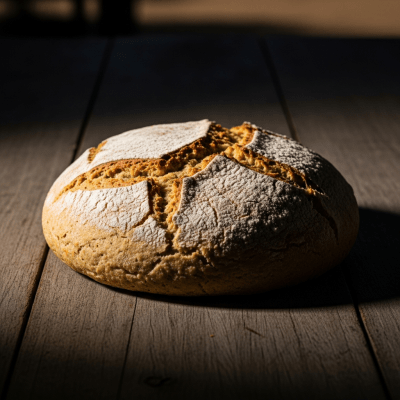
Roll

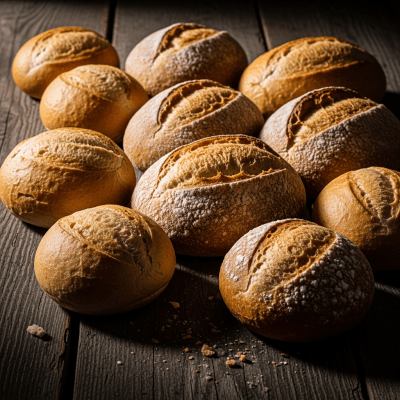
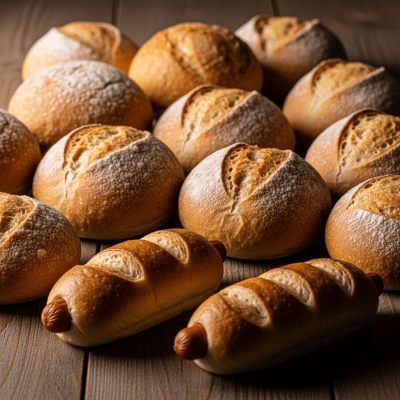
A roll is a small, individual bread portion, typically round or oval, known for its compact size and versatile use as a side bread, sandwich base, or snack.

Buy Large Edition with 16 Kinds

Cultural Significance

Bread holds profound cultural and symbolic significance worldwide, often representing life, hospitality, and community. It appears in religious rites, folklore, and art, embodying sustenance and sharing. From ceremonial challah in Jewish tradition to the French baguette as a national icon, bread’s role extends beyond food to a marker of identity and heritage.

Notable Facts

  • Bread is one of the oldest prepared foods, with evidence dating back over 14,000 years.
  • Leavening methods vary globally, including natural sourdough fermentation and commercial yeast.
  • Flatbreads like injera and naan are staples in African and Asian cuisines, respectively.
  • Artisan bread emphasizes traditional techniques and natural ingredients, often contrasting with mass-produced varieties.
  • Global bread consumption reflects local grains, with wheat dominant in many regions but rye, corn, and other cereals also important.

Kinds of Bread

Explore the range of forms, textures, and traditions within this collection.

Sorted by popularity

Editorial-style photograph of Focaccia, part of the taxonomy bread.

Focaccia

Focaccia is a traditional Italian flatbread known for its soft, airy crumb and golden, crisp crust, enriched generously with olive oil and often adorned with herbs or toppings.

Editorial-style photograph of Ezekiel Bread, part of the taxonomy bread.

Ezekiel Bread

Ezekiel Bread is a dense, nutrient-rich sprouted grain bread inspired by an ancient biblical recipe, celebrated for its wholesome blend of whole grains and legumes.

Editorial-style photograph of Barmbrack, part of the taxonomy bread.

Barmbrack

Barmbrack is a traditional Irish yeast-leavened bread studded with dried fruits, known for its lightly sweet flavor and its special role in Halloween customs.

Editorial-style photograph of Mantou, part of the taxonomy bread.

Mantou

Mantou is a traditional Chinese steamed bread known for its soft, pillowy texture and neutral flavor, serving as a staple food especially in northern China.

Editorial-style photograph of Pan de Muerto, part of the taxonomy bread.

Pan de Muerto

Pan de Muerto is a traditional Mexican sweet bread, uniquely shaped and decorated to honor the deceased during Día de los Muertos (Day of the Dead) celebrations.

Editorial-style photograph of Ciabatta, part of the taxonomy bread.

Ciabatta

Ciabatta is an Italian white bread known for its rustic, elongated shape and open, airy crumb that delivers a chewy texture prized in sandwiches and table bread.

Editorial-style photograph of Baguette, part of the taxonomy bread.

Baguette

The baguette is a long, thin loaf of French bread known for its crisp golden crust and airy, chewy interior, embodying simplicity and versatility in daily French cuisine.

Editorial-style photograph of Rye Bread, part of the taxonomy bread.

Rye Bread

Rye bread is a dense, dark bread made primarily from rye flour, prized for its robust flavor and long-lasting freshness.

Editorial-style photograph of Whole Wheat Bread, part of the taxonomy bread.

Whole Wheat Bread

Whole wheat bread is a leavened bread made primarily from whole wheat flour, known for its dense texture, robust flavor, and higher nutritional value compared to white bread.

Editorial-style photograph of Baozi, part of the taxonomy bread.

Baozi

Baozi is a traditional Chinese steamed bread bun known for its soft, fluffy texture and round, closed shape, typically filled with savory or sweet ingredients.

Editorial-style photograph of White Bread, part of the taxonomy bread.

White Bread

White bread is a soft, leavened wheat bread made from refined flour, known for its pale crumb, mild flavor, and widespread use as a staple for sandwiches and toasting worldwide.

Editorial-style photograph of Multigrain Bread, part of the taxonomy bread.

Multigrain Bread

Multigrain bread is a wholesome bread variety made from two or more types of grain flours, celebrated for its rich flavor and enhanced nutritional profile compared to single-grain breads.

Editorial-style photograph of Sourdough Bread, part of the taxonomy bread.

Sourdough Bread

Sourdough bread is a naturally leavened bread made using wild yeast and lactic acid bacteria, known for its distinctive tangy flavor, chewy texture, and crusty exterior.

Editorial-style photograph of Brioche, part of the taxonomy bread.

Brioche

Brioche is a classic French enriched bread known for its tender, airy crumb and rich flavor, achieved through a high content of butter and eggs.

Editorial-style photograph of Cornbread, part of the taxonomy bread.

Cornbread

Cornbread is a quick bread native to North America, primarily made from cornmeal and chemically leavened to produce a tender, crumbly texture with a distinctive mildly sweet or savory flavor.

Editorial-style photograph of Roll, part of the taxonomy bread.

Roll

A roll is a small, individual bread portion, typically round or oval, known for its compact size and versatile use as a side bread, sandwich base, or snack.

Editorial-style photograph of Injera, part of the taxonomy bread.

Injera

Injera is a sour, spongy flatbread central to Ethiopian and Eritrean cuisine, known for its distinctive porous texture and unique fermentation process.

Editorial-style photograph of Pita, part of the taxonomy bread.

Pita

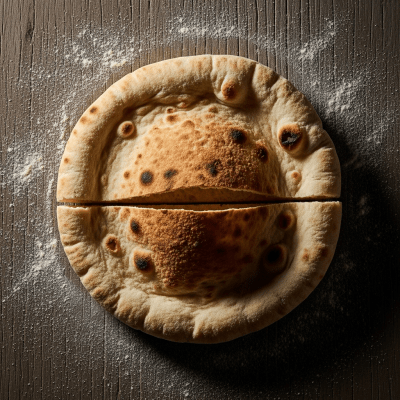
Pita is a round, yeast-leavened flatbread distinguished by its unique pocket, created during baking by steam expansion, making it ideal for stuffing and dipping.

Editorial-style photograph of Lavash, part of the taxonomy bread.

Lavash

Lavash is a thin, unleavened flatbread known for its large, sheet-like form and versatile use across Armenia, Iran, Turkey, and the South Caucasus.

Editorial-style photograph of Roti, part of the taxonomy bread.

Roti

Roti is a simple, unleavened flatbread made primarily from whole wheat flour and water, widely consumed as a staple in South Asian cuisine.

Editorial-style photograph of Matzo, part of the taxonomy bread.

Matzo

Matzo is a traditional Jewish unleavened bread characterized by its thin, crisp, cracker-like texture and central role in Passover observances.

Editorial-style photograph of Pain de Campagne, part of the taxonomy bread.

Pain de Campagne

Pain de Campagne, or French country bread, is a rustic, round or oval loaf known for its hearty crust and open, moist crumb, traditionally made from a blend of wheat and rye flours and leavened by sourdough or yeast.

Editorial-style photograph of Soda Bread, part of the taxonomy bread.

Soda Bread

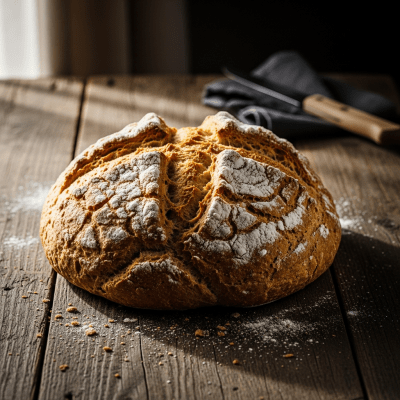
Soda bread is a traditional quick bread that uses baking soda as its primary leavening agent instead of yeast or sourdough, prized for its rapid preparation and rustic texture.

Editorial-style photograph of Paratha, part of the taxonomy bread.

Paratha

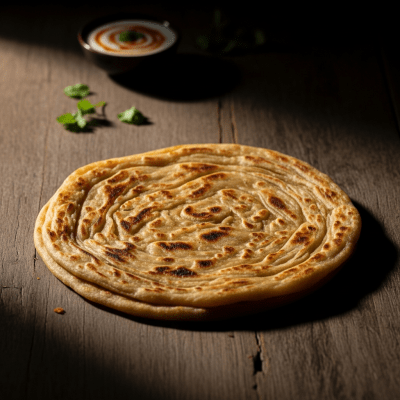
Paratha is a layered, unleavened or lightly leavened flatbread from the Indian subcontinent, known for its flaky texture and rich flavor achieved through repeated folding and frying.

Editorial-style photograph of Bun, part of the taxonomy bread.

Bun

A bun is a small, typically round bread known for its soft texture and individual serving size, commonly used as a versatile base for sandwiches and fillings.

Editorial-style photograph of Challah, part of the taxonomy bread.

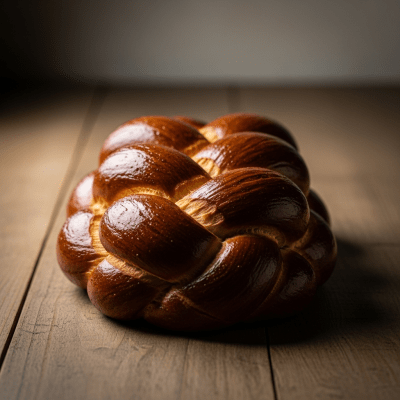
Challah

Challah is a traditional Jewish ceremonial bread, recognized for its braided shape, rich golden crust, and soft, slightly sweet crumb.

Editorial-style photograph of Tortilla, part of the taxonomy bread.

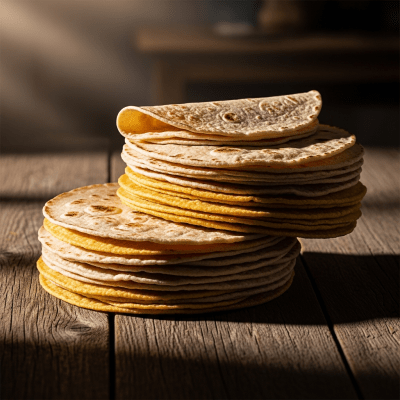
Tortilla

Tortilla is a thin, round, unleavened flatbread originating from Mesoamerica, made primarily from maize or wheat flour and serving as a staple bread in Latin American cuisine.

Editorial-style photograph of Bagel, part of the taxonomy bread.

Bagel

The bagel is a distinctive ring-shaped bread known for its dense, chewy crumb and glossy crust, achieved by boiling the dough before baking.

Editorial-style photograph of Naan, part of the taxonomy bread.

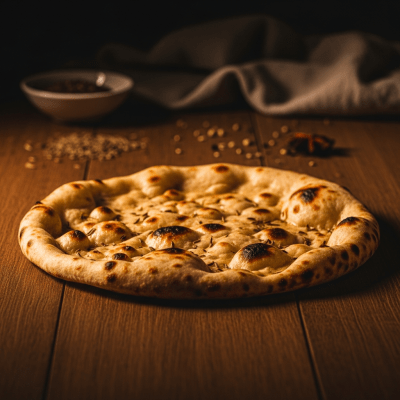
Naan

Naan is a leavened flatbread from South Asia, celebrated for its soft, chewy texture and distinctive blistered surface achieved through traditional tandoor baking.

Editorial-style photograph of Chapati, part of the taxonomy bread.

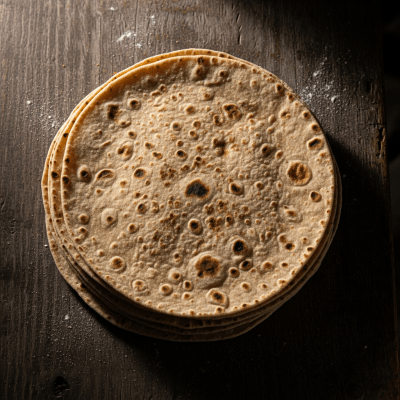
Chapati

Chapati is a staple unleavened flatbread from the Indian subcontinent, made simply from whole wheat flour and water, and cooked on a flat griddle.

Editorial-style photograph of Pumpernickel, part of the taxonomy bread.

Pumpernickel

Pumpernickel is a traditional German rye bread known for its dense texture, very dark color, and mildly sweet, robust flavor developed through a long, slow baking process.

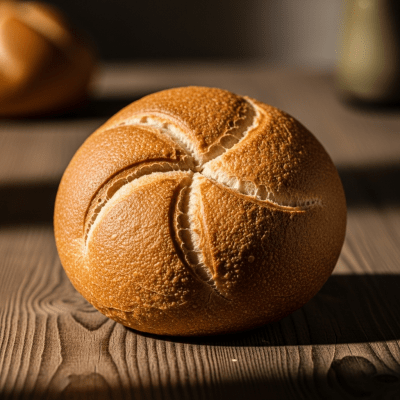
Editorial-style photograph of Kaiser Roll, part of the taxonomy bread.

Kaiser Roll

The Kaiser Roll is a classic Austrian round bread roll known for its crisp golden-brown crust and distinctive star-shaped pattern on top, featuring a soft, slightly chewy interior.

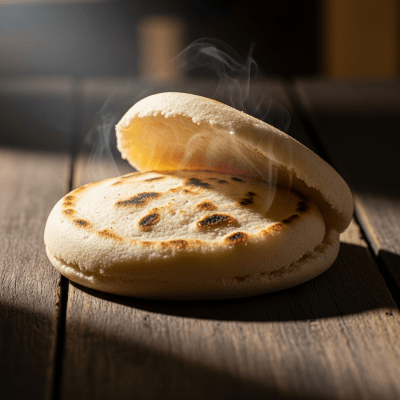
Editorial-style photograph of Arepa, part of the taxonomy bread.

Arepa

Arepa is a traditional round, flatbread made primarily from ground maize, serving as a versatile staple in Venezuelan and Colombian cuisine.

Editorial-style photograph of Pain au Levain, part of the taxonomy bread.

Pain au Levain

Pain au Levain is a traditional French sourdough bread known for its naturally leavened dough, crusty exterior, and tangy, complex flavor.

Editorial-style photograph of Flatbread, part of the taxonomy bread.

Flatbread

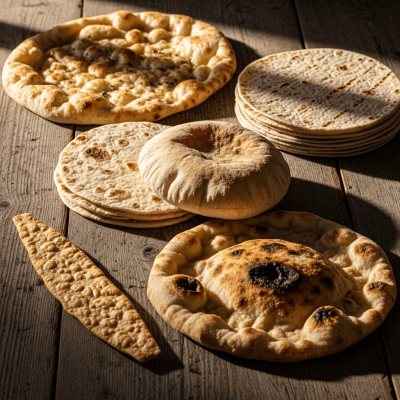
Flatbread is a broad category of bread defined by its thin, flattened shape, typically made from flour and water and cooked by baking, griddling, or frying.

Editorial-style photograph of Milk Bread, part of the taxonomy bread.

Milk Bread

Milk bread is a soft, enriched bread made with milk that yields a tender, pillowy crumb and subtle sweetness, beloved in East Asian and international baking.

Editorial-style photograph of Crumpet, part of the taxonomy bread.

Crumpet

Crumpet is a traditional British griddled bread known for its soft, spongy texture and distinctive perforated surface that soaks up butter and spreads.

Editorial-style photograph of Damper, part of the taxonomy bread.

Damper

Damper is a traditional Australian bread known for its simple ingredients and rustic preparation, often baked in campfire ashes as a staple of bush cooking.

Editorial-style photograph of English Muffin, part of the taxonomy bread.

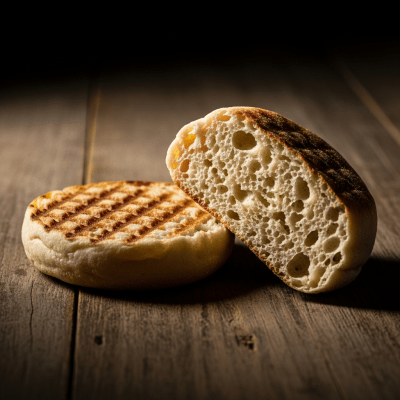
English Muffin

The English muffin is a small, round yeast-leavened bread known for its unique griddled cooking method and a signature porous interior often described as "nooks and crannies."

Editorial-style photograph of Frybread, part of the taxonomy bread.

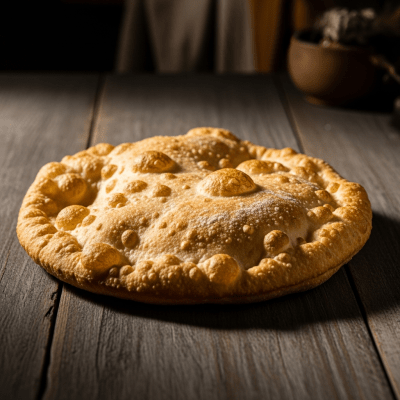
Frybread

Frybread is a deep-fried flatbread known for its crisp exterior and soft, chewy interior, serving as a staple food in many Native American communities across the United States.

A collection is complete only when its kinds are seen in full.