Honeydew
Honeydew is a sweet, juicy melon renowned for its smooth, pale rind and refreshing, light green or white flesh, enjoyed worldwide for its delicate flavor and high water content.
Honeydew is a sweet, juicy melon renowned for its smooth, pale rind and refreshing, light green or white flesh, enjoyed worldwide for its delicate flavor and high water content.
Honeydew melons trace their roots to West Africa or the Middle East, with evidence of ancient cultivation in Egypt and Persia. Over centuries, honeydew evolved from wild and semi-domesticated melons, becoming a stabilized cultivar group within the species Cucumis melo. The variety was introduced to the United States in the early 20th century, where California played a pivotal role in its commercial development. Today, honeydew is a global fruit, shaped by generations of selection and adaptation.
Botanically, honeydew belongs to the Cucurbitaceae family, classified as Cucumis melo var. inodorus. This places it among non-aromatic melons, alongside casaba and canary melon. As a member of the broader fruit taxonomy, honeydew is a fleshy, seed-bearing structure developed from the ovary of a flower, fitting the scientific criteria for edible fruits. Its classification informs both agricultural and culinary contexts, distinguishing it from other melon types by its smooth rind and subtle aroma.
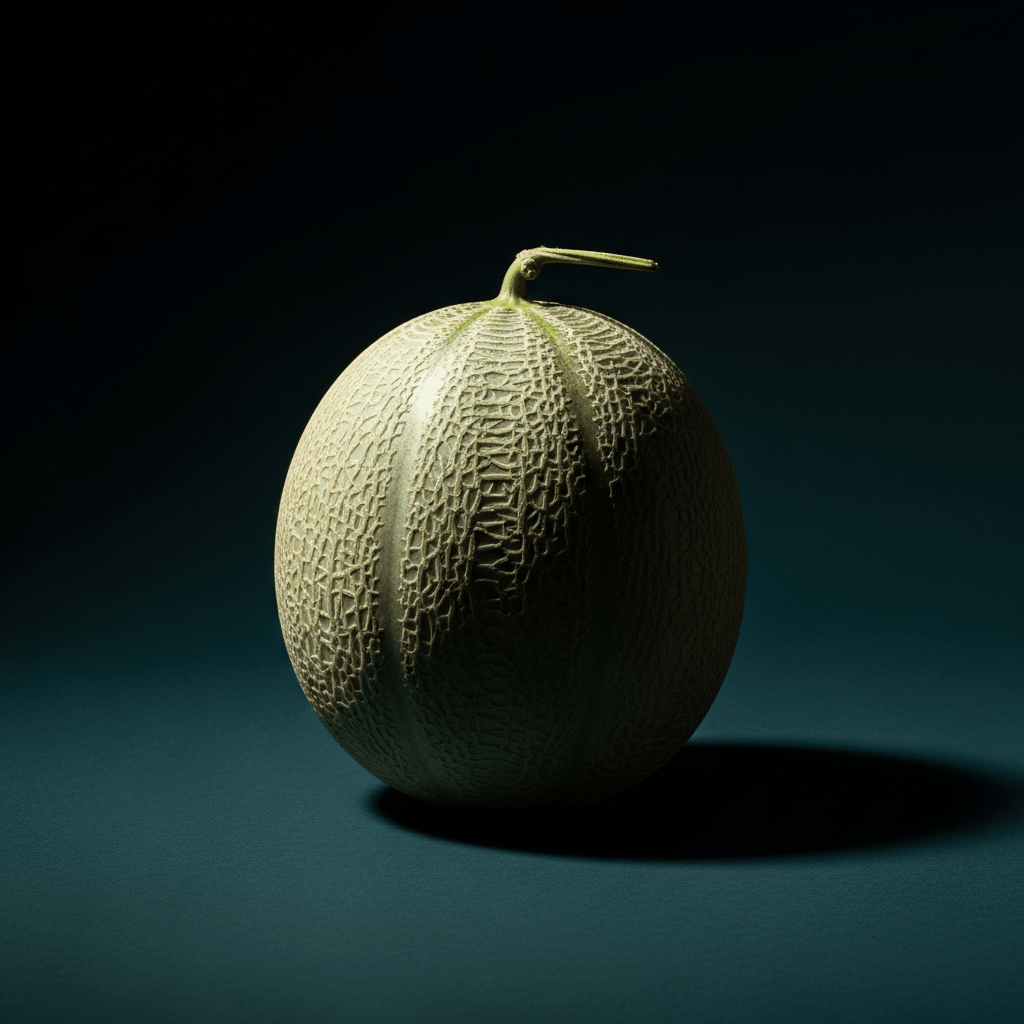
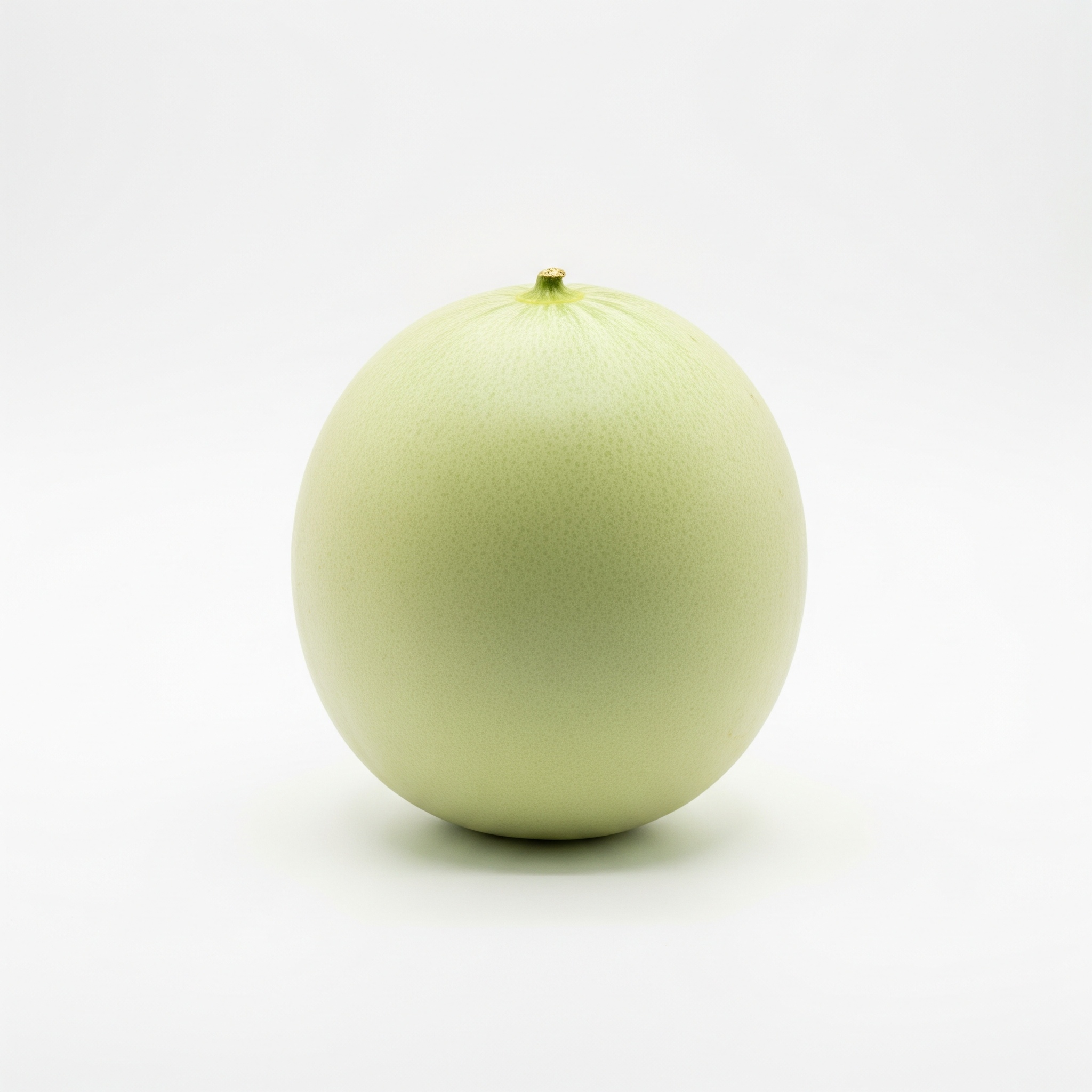
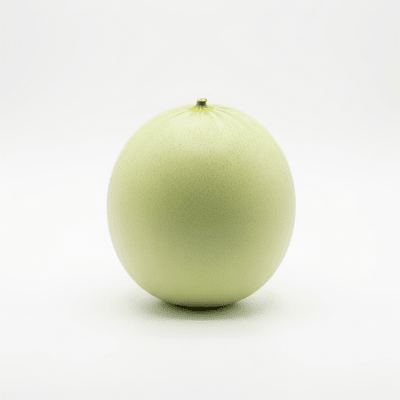
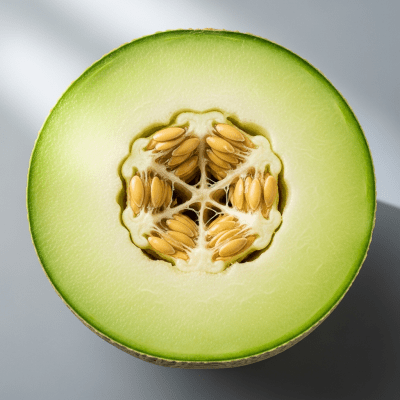
Honeydew melons are typically round to slightly oval, featuring a smooth, waxy rind that ripens to pale green or yellow. The interior reveals firm, succulent flesh ranging from light green to white, encasing a central cavity filled with seeds. Each melon weighs between 1.5 and 4 kilograms. The fruit’s surface is unblemished and glossy, inviting with its understated elegance, and the flesh offers a crisp, juicy bite that is both cooling and subtly sweet.
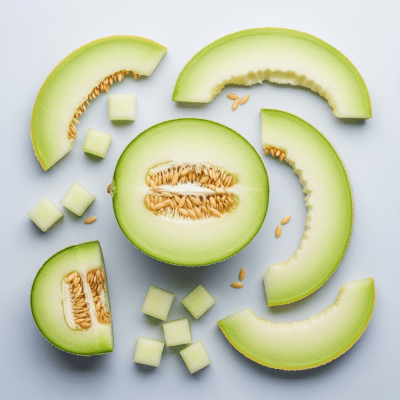
Honeydew is prized for its versatility and ease of use. Most commonly, it is served fresh—sliced, cubed, or balled—making it a staple in fruit salads, desserts, and beverages. Its mild sweetness and high water content make it ideal for smoothies, chilled soups, and as a garnish. In some regions, honeydew is processed into juices, purees, or dried snacks. The fruit’s non-climacteric nature means it maintains quality after harvest without further ripening, simplifying handling and storage for both consumers and producers.
Bring this kind into your world illustrated posters, mugs, and shirts.
Archival print, museum-grade paper
Buy Poster
Stoneware mug, dishwasher safe
Buy Mug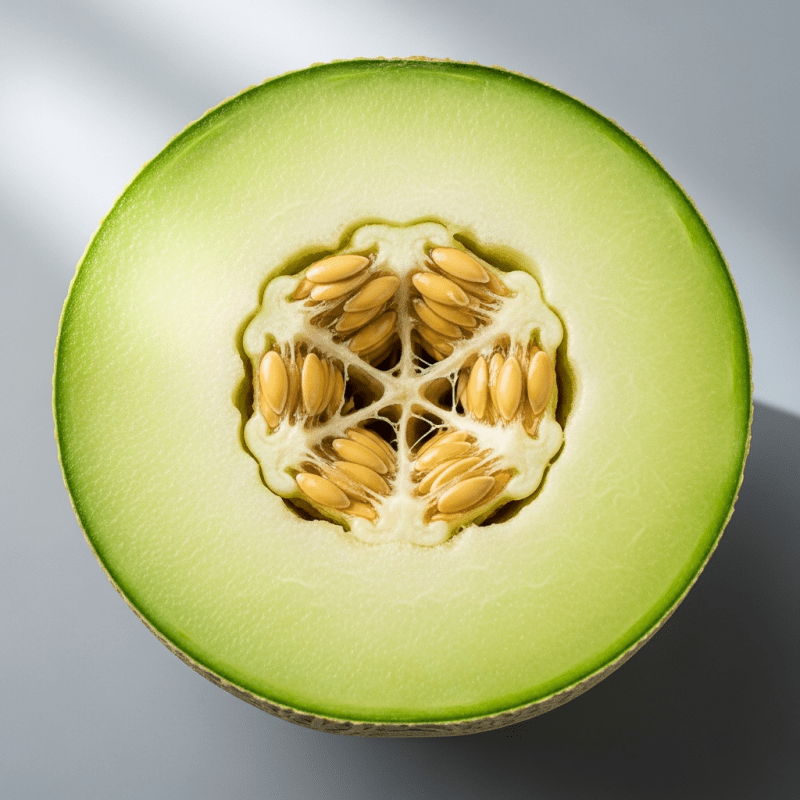
Soft cotton tee, unisex sizes
Buy ShirtThroughout history, honeydew has been celebrated as a symbol of refreshment and abundance. Ancient Egyptians and Persians cultivated melons for their cooling properties in arid climates, and honeydew’s presence in art and literature often evokes themes of summer and vitality. In contemporary culture, honeydew features prominently in festive dishes, hotel buffets, and wellness cuisine, embodying a sense of luxury and health. Its name is synonymous with sweetness and purity in many languages, reflecting its enduring appeal across cultures.
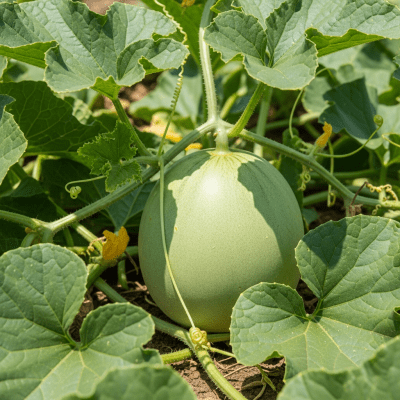
Honeydew plants are annual, trailing vines with large, lobed leaves and bright yellow flowers. The fruit develops as a smooth, round to oval melon with a waxy rind and firm, sweet flesh. Honeydew is non-climacteric, so it does not continue to ripen after picking. The plant thrives in warm climates, preferring well-drained soils and requiring protection from frost. Fruit weight averages 1.5 to 4 kg, and the plant is moderately susceptible to fungal diseases and common pests such as aphids and cucumber beetles.

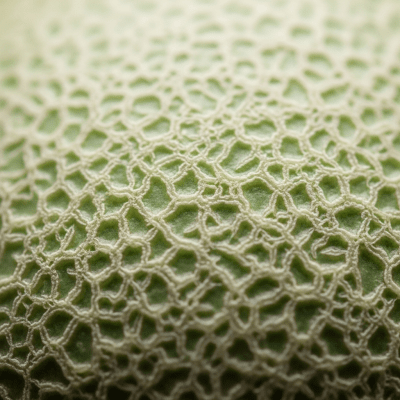
Honeydew is a low-calorie fruit packed with hydration and essential nutrients. Its high water content makes it ideal for quenching thirst, while it provides vitamin C for immune support, potassium for heart health, and dietary fiber for digestion. The mild sweetness comes with minimal natural sugars, making honeydew a smart choice for balanced diets and healthy snacking.
Honeydew shines in the kitchen for its versatility and subtle flavor. Enjoyed fresh in slices or cubes, it is a favorite in fruit salads, parfaits, and chilled soups. Its juicy texture blends well in smoothies and juices, and it can be pureed for desserts or used as a garnish. In some regions, honeydew is dried for snacks or incorporated into savory dishes for a sweet contrast. Its mild taste pairs beautifully with citrus, berries, and herbs.
Honeydew requires a warm growing season, with optimal temperatures between 18–30°C. The vines thrive in well-drained soils and are sensitive to frost. Farmers monitor for fungal diseases and pests, employing integrated management for healthy yields. Harvest occurs when the rind turns pale and the fruit emits a subtle aroma at the blossom end. Yields range from 20 to 40 tonnes per hectare, and careful handling ensures the fruit’s quality during post-harvest storage.
Honeydew is a staple in international fruit markets, with major production centers in the United States (California and Arizona), China, Spain, and the Middle East. Its year-round availability is supported by staggered growing seasons across hemispheres. Honeydew is valued for its shelf stability and consistent quality, making it a reliable export commodity. Grading standards emphasize rind color, firmness, and sweetness, and the fruit’s popularity ensures strong demand in both domestic and global trade.
Regional names and uses of honeydew vary around the world. In China, "Bailan melon" may refer to a similar but distinct variety; in Spanish-speaking countries, "Melón verde" is the common term. In some markets, "honeydew" is used generically for any pale-fleshed, smooth-skinned melon of the inodorus group, which can lead to confusion with casaba or canary melon. The fruit is most widely recognized and consumed in North America and Europe, where it is a staple in fresh produce sections and culinary traditions.